Austell : (770) 944-7818 |
Smyrna : (470) 956-4200 |
Marietta : (770) 919-7050 |
LaGrange : (706) 803-7578 |
Augusta : (706) 721-4686
Why Am I Not Losing Weight After Gastric Sleeve Surgery?

Why Am I Not Losing Weight After Gastric Sleeve Surgery?

Undergoing gastric sleeve surgery is a significant step toward achieving weight loss goals and improving overall health. However, some individuals find that the scale doesn’t move as expected after surgery, leaving them frustrated and confused. If you’re wondering why you’re not losing weight after gastric sleeve surgery, you’re not alone. In this blog, we’ll explore the most common reasons behind stalled weight loss and provide insights to help you get back on track.

Key Takeaways

  • Plateaus in weight loss after gastric sleeve surgery are common due to physiological adaptations and require reevaluation of dietary and exercise habits.
  • Proper dietary practices, including adequate protein and calorie intake, are essential to prevent weight loss stalls post-surgery.
  • Emotional support and stress management play crucial roles in achieving and maintaining weight loss after gastric sleeve surgery.

Common Reasons for Stalled Weight Loss After Gastric Sleeve Surgery

It’s typical for individuals to hit a plateau in their weight loss journey after undergoing gastric sleeve surgery as the body adjusts to its new anatomy with a reduced stomach capacity. Changes that your body experiences, including slower digestion and decreased calorie burning, can influence the pace of shedding pounds. These plateaus appear between three to six months following the procedure.

As time progresses post-surgery, you might find yourself able to consume a wider variety of foods and possibly eat larger portions or partake in less physical activity—all of which can contribute to stagnation in weight loss. It’s crucial to adhere strictly not only to prescribed dietary plans but also to maintain regular exercise habits in order not just sustain but continue advancing towards your weight reduction goals.

The emotional challenges associated with hitting such standstills are significant. Frustration is normal, making patience an invaluable virtue during this phase. Reassessing both what you eat and how much you move could provide fresh strategies essential for moving past these hurdles. Engaging with specialists like bariatric dietitians could yield personalized advice necessary for navigating specific issues affecting ongoing efforts at losing weight.

Dietary Pitfalls Hindering Weight Loss

Dietary Pitfalls Hindering Weight Loss

Your eating habits play a critical role in your weight loss progression following surgery. Disregarding the suggested diet can substantially hinder your advancement towards losing weight. It is vital to concentrate on cultivating healthy eating habits and steering clear of processed foods while ensuring you consume an appropriate caloric intake for successful weight reduction.

To accelerate your journey in shedding excess weight, be mindful of certain dietary missteps that could be obstructing your efforts to lose weight more quickly.

Not Following Post-Operation Diet

Adhering to the recommended nutrition plan is vital for effective weight loss and recovery post-surgery. Post-surgery eating habits should focus on lean proteins, vegetables, fruits, and whole grains to aid weight loss. If adhering to the diet is challenging, consult your doctor for support and tips.

Managing anxiety can improve adherence to dietary and exercise regimens post-surgery. Consistency with your diet plan and seeking professional guidance can help maintain your weight loss journey.

Consuming Too Many or Too Few Calories

After undergoing gastric sleeve surgery, it is essential to monitor and regulate your daily calorie consumption, aiming for an intake between 800 and 1200 calories. Ingesting either insufficient or excessive amounts of calories can impede weight loss efforts. Too few calories may cause muscle wastage and activate the body’s starvation response, which can complicate shedding pounds. On the other hand, a caloric excess could halt weight reduction post-surgery by impacting your weight following the gastric sleeve procedure.

It is advisable to eat three balanced meals per day that consist of a macronutrient composition ranging from 35-50% protein, followed by fats at 30-40%, and carbohydrates making up about 10-35%. To help control overall calorie consumption and ensure continued feelings of fullness throughout the day without additional food intake, steer clear of snacking or grazing in between these meals.

Eating Unhealthy or Processed Foods

Opting for whole, nutrient-rich foods over processed alternatives can enhance the effectiveness of weight loss efforts. Processed items tend to be laden with sugars, unhealthy fats, and preservatives that may hinder progress in shedding pounds.

By choosing whole foods, you provide your body with crucial nutrients necessary for maximizing fat reduction. Emphasizing a healthy diet that is abundant in high protein sources plays a vital role in successfully navigating your journey toward losing weight.

Read more: Why Fad Diets Don’t Work?

Importance of Protein and Hydration

Importance of Protein and Hydration

Ensuring adequate protein intake is a crucial component of the post-gastric Sleeve Surgery weight loss journey. For optimal health and to support weight reduction following the procedure, it’s important to concentrate on consuming a diet rich in nourishing proteins. Developing healthy eating habits that prioritize solid, nutrient-packed proteins can significantly contribute to effective weight management.

Staying well-hydrated plays an essential role in maintaining overall wellness and facilitating the process of losing weight. It is fundamental for individuals who have undergone gastric sleeve surgery to maintain both proper hydration levels and sufficient protein consumption, as these are key elements for achieving success in their weight loss endeavors.

Inadequate Protein Intake

Adequate protein intake helps maintain muscle mass and promotes satiety, reducing overeating after gastric sleeve surgery. The minimum daily protein intake recommended for weight loss post-surgery is 60 to 90 grams. Each meal should ideally include around three ounces of protein, roughly the size of a deck of cards, with meals consisting of at least 75% high-protein foods.

A common misconception is that eating less leads to faster weight loss. However, protein consumption is essential for energy and weight management. Insufficient protein consumption after surgery risks retrogressive weight loss.

Insufficient Water Intake

Maintaining adequate hydration is essential for healing and can help regulate food intake after weight loss surgery. It is advisable to consume 10 glasses of water each day following the procedure. Spacing out water consumption over the course of the day but being careful not to drink excessively with meals plays a substantial role in supporting weight loss.

Consuming high levels of protein promotes recovery and helps curb hunger between meals. Just as crucial as keeping up with your protein intake is ensuring that you are drinking enough water.

Exercise and Physical Activity

Exercise and Physical Activity

Regular physical activity is an essential component of the weight loss journey following gastric sleeve surgery. To achieve and sustain weight loss after the procedure, it’s vital to integrate exercise into your daily regimen. Exercise not only assists in shedding pounds but also plays a significant role in enhancing overall health.

The significance of regular exercise, including strength training, within your post-sleeve surgery routine should not be underestimated during your quest for weight loss and improved well-being.

Lack of Regular Exercise

Beginning with modest physical activities, such as brief strolls, can aid in recovery after surgery. It’s important to give yourself a six to eight-week healing period before starting any intense exercise regimens. Consistent exercise is key for improving weight loss results following surgical procedures.

Adding an exercise routine into your daily regimen is vital for preserving muscle mass and increasing metabolic rate, which contributes to the long-term success of losing weight.

Avoiding Strength Training

Integrating strength training into your exercise regimen can boost metabolism and assist in shedding pounds after undergoing surgery. It’s essential to maintain muscle mass for continued weight loss following gastric sleeve surgery, as it plays a critical role in increasing metabolic rate. Neglecting this form of exercise might greatly impede efforts to lose weight.

Bypassing resistance exercises can accelerate the journey towards reaching your desired weight reduction targets. By remaining diligent and having an active lifestyle that includes regular strength training sessions, you are likely to accomplish your weight loss objectives more efficiently after sleeve surgery.

Read more: Your Exercise Timeline After Bariatric Surgery

Emotional and Psychological Factors

The success of weight loss following gastric sleeve surgery is greatly influenced by emotional and psychological considerations. Individuals who undergo the procedure may encounter emotional hurdles, such as feelings of dissatisfaction when their rate of losing weight doesn’t meet expectations, which can obstruct progress in managing their weight. The establishment of a supportive network plays an essential role in fostering mental health throughout the process of losing weight.

Incorporating comprehensive health strategies like managing stress levels and ensuring sufficient rest are crucial components for effective control over one’s weight after Sleeve Surgery. Some medications might present obstacles to maintaining postoperative weight management. Thus, they should be monitored attentively.

Stress and Anxiety Management

Managing stress and anxiety effectively is essential to avoid emotional eating, which can impede progress and result in regaining weight after surgery.

Adopting daily practices such as meditation, engaging in exercise, and participating in support groups are efficient methods for controlling stress and anxiety.

Importance of Mental Health Support

Accessing mental health support is essential for addressing emotional challenges post-bariatric surgery. Mental health support is crucial for overcoming psychological barriers to successful weight loss.

Seeking help from a mental healthcare professional if you’re struggling emotionally can make a significant difference in your weight loss journey, especially if you have lost weight.

Medical and Metabolic Considerations

Medical and metabolic factors significantly impact your weight loss journey post-gastric sleeve surgery. Proper water intake is essential for recovery and helps regulate food intake post-surgery. Dehydration negatively impacts weight loss and can stall progress.

The bariatric team can identify reasons for weight gain and develop strategies for successful weight loss in obese patients. Regular visits with the bariatric team are crucial to keep weight loss on track, address potential weight gain, and monitor body mass index.

Metabolic Changes

A slower metabolism after surgery decreases daily caloric needs. Hormonal adjustments post-surgery can reduce hunger sensations and alter energy balance.

Post-surgery, individuals may experience increased insulin sensitivity, altering metabolic rate and energy utilization. Understanding and adapting to these metabolic and bariatric surgery changes is essential for sustainable weight loss.

Medication Side Effects

When progress in weight loss comes to a standstill, it may be necessary to assess whether medications are playing a role. It is vital to seek the advice of healthcare providers and discuss possible adjustments to any drugs that could be impeding your efforts at weight reduction.

Consistently speaking with your healthcare provider can assist in effectively handling any medication-related side effects that affect weight loss. This guidance can support or deter your journey toward achieving desired results.

Revisional Surgery: When to Consider It

Revisional Surgery: When to Consider It

Between 7% to 15% of individuals who have undergone initial weight loss surgery may require a second operation, known as revisional surgery, either to improve the results or to rectify issues that emerged from the first procedure. Those typically considered for this follow-up intervention are patients who have not observed satisfactory weight reduction by the period spanning 18 months to two years after their original surgery.

Should complications such as slippage of an implanted band or gastrointestinal problems present themselves post-primary surgical treatment, revisional surgery might be deemed necessary. The advantages anticipated from undergoing a secondary procedure include enhanced overall health outcomes, a more significant reduction in weight, and relief from negative effects associated with the primary surgical experience.

Summary

In conclusion, weight loss after gastric sleeve surgery is a multifaceted journey influenced by factors like diet, hydration, exercise, mental health, and medical considerations. Understanding these aspects and making necessary adjustments can help you overcome plateaus and stay on track toward your weight loss goals. Patience, consistency, and a proactive mindset are essential for long-term success and improved health.

At Wellstar Comprehensive Bariatric Services, we are here to support you every step of the way. Our experienced team offers tailored bariatric programs in LaGrange, West GA, Marietta, Smryna, Cobb, and Austell, which are designed to help you navigate challenges and achieve sustainable weight loss. Contact us today to learn how we can guide you through your journey to a healthier, happier life!

Frequently Asked Questions

Why am I not losing weight after gastric sleeve surgery?

Weight loss may stall after gastric sleeve surgery due to factors such as physiological changes, dietary mistakes, insufficient exercise, emotional issues, or underlying medical conditions.

It’s important to evaluate these factors with a healthcare professional to ensure effective weight loss strategies.

How important is following the post-operation diet?

Adhering to the prescribed diet after surgery is crucial for a successful recovery and maintaining weight control, as it supplies essential nutrients while helping to avoid any rebound in weight.

Following this diet regimen closely plays an important role in facilitating your body’s healing process.

What role does protein intake play in weight loss after surgery?

It is essential to maintain a sufficient intake of protein after surgery for weight loss in order to preserve muscle mass, increase feelings of fullness, and bolster overall health.

By securing proper levels of protein in your diet, you facilitate weight loss that lasts over time.

Can stress and anxiety affect my weight loss journey?

Yes, managing stress and anxiety is crucial as they can lead to emotional eating and sabotage your weight loss efforts.

Prioritizing mental well-being can support your weight loss journey effectively.

When should I consider revisional surgery?

Consider revisional surgery if you haven’t achieved the expected weight loss within 18 months to two years or if you face complications from your initial procedure.

It’s important to consult with your healthcare provider to evaluate your specific situation.

Why Is My Stomach Bigger After Gallbladder Surgery? Insights & Solutions

Why Is My Stomach Bigger After Gallbladder Surgery? Insights & Solutions

Why is my stomach bigger after gallbladder surgery? This common concern is usually due to gas used during surgery, inflammation, or fluid retention. These effects are typically temporary. In this blog, we’ll explain these causes and provide tips to help manage your symptoms.

Key Takeaways

  • Post-gallbladder surgery swelling is primarily caused by gas retention, inflammation, and fluid buildup, often resolving as the body heals.
  • Dietary adjustments, such as eating smaller, more frequent meals and staying hydrated, are essential for managing digestive challenges after gallbladder removal.
  • Recognizing signs of complications, such as jaundice, severe pain, or persistent nausea, is crucial for seeking timely medical attention after surgery.

Common Causes of Stomach Swelling Post-Surgery

After gallbladder removal surgery, whether through open or laparoscopic methods, the body undergoes a natural healing process that may include some temporary symptoms. One of these is mild abdominal swelling, which is a normal part of recovery and can be effectively managed with proper care and understanding.

A common reason for this swelling is the gas used during laparoscopic procedures. Carbon dioxide helps the surgeon by expanding the abdomen for better visibility and precision. After the procedure, small amounts of this gas may remain, causing a feeling of bloating or fullness. While it may feel uncomfortable, this is a normal part of the healing process and typically resolves on its own.

Another factor is the body’s natural inflammatory response to surgery. This healing response may cause some tenderness and temporary swelling around the incision sites as the body works to recover. Fluid retention may also contribute to a slight increase in abdominal size, but these effects are short-lived and a sign that your body is healing.

With time, gentle movement, and following your post-operative care instructions, these symptoms will gradually subside, allowing you to return to your normal activities feeling better than ever!

Inflammation and Fluid Retention

After gallbladder removal, the body begins its natural healing process, which may include some mild abdominal swelling and bloating as tissues repair and recover. This temporary response is a sign that your body is working to heal itself.

A small amount of fluid buildup in the abdominal area is also common after surgery but typically resolves on its own within a few weeks. While some abdominal distension may occur initially, it gradually subsides as recovery progresses.

As you heal, you’ll notice the bloating and swelling decrease, and you’ll feel more comfortable with each passing day. Understanding these expected changes can help you stay prepared and focus on your recovery, with plenty of opportunities to ease any temporary discomfort along the way.

Digestive System Adjustments After Gallbladder Removal

Digestive System Adjustments After Gallbladder Removal

After gallbladder removal, your digestive system adapts to a new routine. The liver continues to produce bile, which now flows directly into the small intestine to assist in breaking down fats. While this change might require some initial adjustments, there are plenty of ways to support a smooth recovery and maintain digestive health.

Eating smaller, more frequent meals can help your body digest food more comfortably and minimize symptoms like stomach discomfort. This approach allows your system to process fats more easily without feeling overwhelmed.

Gradually adding fiber-rich foods to your diet, along with staying well-hydrated, can promote healthy digestion and reduce bloating or gas. Choosing gentle, nourishing meals and limiting spicy, caffeinated, or alcoholic foods can also help ease your digestive system during this transition.

With a few thoughtful changes, you’ll set yourself up for a positive and comfortable recovery journey!

Dietary Considerations Post-Gallbladder Surgery

Making changes to your diet is essential for managing symptoms after gallbladder removal and helping the body recover. Initially, consuming clear liquids can help gently restart normal digestive functions without putting too much strain on the system. As you begin to tolerate these, slowly reintroducing solid foods into your diet can aid in avoiding digestive issues while still providing vital nutrients needed for recovery.

It’s particularly important to steer clear of foods high in fat during the initial stages following surgery since they may lead to considerable discomfort within the digestive tract. Consuming smaller yet more frequent meals helps mitigate issues like gas, bloating, and cramps by facilitating bile management and not overburdening digestion.

Staying hydrated remains a pivotal aspect of post-surgery recuperation. Ensuring an ample intake of fluids wards off constipation and bolsters overall bodily health. Keeping track of what you eat through a food diary enables pinpointing which items trigger any form of unease. This insight empowers better dietary decisions moving forward.

Managing Abdominal Pain and Discomfort

After gallbladder surgery, it’s normal to feel some abdominal discomfort, but the good news is that these sensations are temporary and part of the healing process. The use of carbon dioxide gas during the procedure may cause a feeling of bloating or fullness, but your body will naturally absorb the gas over time, and these symptoms will gradually fade.

For a smooth recovery, focus on taking care of yourself. Avoid heavy lifting or intense activities for at least two weeks to protect the incision site and support your healing. Gentle exercise, like walking, can work wonders—it not only helps your body absorb any leftover gas but also promotes overall recovery and well-being.

If you need a little extra comfort, over-the-counter pain relief can help, as long as it’s used according to your doctor’s advice. By listening to your body, staying active within safe limits, and following your medical team’s recommendations, you’ll be on your way to a comfortable and speedy recovery.

When to Seek Medical Advice

Ensuring a smooth and successful recovery after gallbladder surgery is essential for your well-being. Staying alert to any changes in your body can help you address potential issues early. If you notice increased comfort and proper healing at the incision site, that’s a great sign! However, if you observe symptoms like redness, swelling, or unusual discharge, it’s a good idea to check in with your healthcare provider to ensure everything is on track.

In rare cases, bile leakage may occur, but recognizing it early allows for prompt treatment. Symptoms like ongoing abdominal discomfort, nausea, or swelling can be addressed effectively with the help of your medical team. Additionally, if you experience persistent abdominal discomfort or diarrhea (sometimes called post-cholecystectomy syndrome), reaching out to your doctor can provide solutions to help you feel your best. Staying proactive and connected with your healthcare provider ensures a positive and healthy recovery journey!

Long-term Recovery and Lifestyle Changes

Long-term Recovery and Lifestyle Changes

After gallbladder surgery, many individuals find they can gradually return to their usual lifestyle and diet with time and care. While the digestive system may take a few weeks to adjust, most people notice significant improvement within about a month. Recovery typically spans 4 to 6 weeks, during which normal activities can be reintroduced gradually.

For those who experience lingering digestive discomfort, simple changes like adopting a thoughtful diet and embracing healthy lifestyle habits can make a big difference in feeling better. Over time, most individuals successfully transition back to their routines and enjoy their favorite foods without issues. With patience and guidance from healthcare professionals, a smooth recovery and a return to well-being are within reach!

Your Path to Recovery After Gallbladder Surgery

In conclusion, experiencing stomach swelling after gallbladder surgery is a common part of the recovery process, often caused by factors like gas retention, inflammation, or fluid buildup. With the right dietary and lifestyle changes, along with awareness of potential complications, you can manage these symptoms effectively and focus on healing. Remember, every recovery journey is unique, and patience is key to returning to your normal routine.

At Wellstar Comprehensive Bariatric Services, we’re here to support you through every step of your recovery journey. Our skilled team provides expert gallbladder surgery in Cobb County, Marietta, Austell, LaGrange, Smyrna, and other locations across Georgia and is dedicated to ensuring effective treatment and a smooth recovery for every patient. If you’re looking for guidance, resources, or comprehensive care, turn to a trusted partner in your health journey.

Ready to take the next step? Visit Wellstar Comprehensive Bariatric Services today and let us help you feel your best. From personalized plans to unmatched expertise, we’re committed to helping you achieve a healthier, more fulfilling life.

Frequently Asked Questions

Why is my stomach swollen after gallbladder surgery?

Stomach swelling after gallbladder surgery is typically a result of gas retention, inflammation, and fluid buildup, which are common post-operative reactions.

It is advised to monitor your symptoms and consult your healthcare provider if swelling persists.

How long does the swelling last after gallbladder removal?

Swelling after gallbladder removal generally resolves within a few weeks as your body heals from the surgery.

It is important to monitor your recovery and consult your healthcare provider if concerns arise.

What dietary changes should I make after gallbladder surgery?

After gallbladder surgery, it is essential to start with a clear liquid diet, gradually introduce solid foods, and avoid high-fat foods.

Additionally, opt for smaller, more frequent meals to better manage digestive symptoms.

When should I seek medical advice post-surgery?

If you are experiencing escalating pain, swelling, redness, discharge of pus at the surgical site, a yellowing of the skin or eyes (jaundice), or continuous abdominal pain, it is imperative to consult with a healthcare professional.

By promptly attending to these symptoms, you can help avert potential complications.

Are long-term digestive issues common after gallbladder removal?

Long-term digestive issues after gallbladder removal can occur, but most individuals adapt to a normal diet without significant problems.

A small percentage may experience ongoing issues, which generally stabilize within a month.

Best Practices for Diet After Duodenal Switch Surgery

Best Practices for Diet After Duodenal Switch Surgery

Curious about the diet after the duodenal switch surgery? This blog will walk you through each dietary phase, from immediate post-surgery liquids to long-term nutrition tips. Discover essential foods to aid your recovery and manage common post-surgery issues for a smoother journey.

Key Takeaways

  • The immediate post-surgery diet emphasizes clear liquids and hydration, gradually transitioning to thicker liquids and soft foods to support recovery.
  • Long-term dietary practices after duodenal switch surgery should prioritize high-protein, nutrient-dense foods while avoiding high-fat and sugary options to prevent digestive issues.
  • Daily vitamin and mineral supplements are necessary post-surgery to address potential nutritional gaps, including multivitamins, calcium, and vitamin D.

Immediate Post-Surgery Diet

Immediate Post-Surgery Diet

In the vital phase following duodenal switch surgery, your recovery hinges on adhering to a clear liquid diet. As healing progresses, you can slowly move to more substantial liquids. Ensuring adequate hydration by drinking non-caloric fluids like water between meals is crucial for preventing dehydration.

It’s imperative to steer clear of solid foods during the initial post-op days and opt for six to eight mini-meals daily to facilitate optimal recovery from the duodenal switch procedure.

Clear Liquids Phase

After you successfully complete the leak test, you’ll spend seven days on a clear liquid diet. Your main objective during this period is to ensure proper hydration by drinking at least 48 ounces of fluids per day and ideally up to 64 ounces. It’s important to drink these fluids slowly, using small sips, which can help prevent any discomfort. Every quarter-hour throughout your day, partake in sugar-free clear liquids to keep yourself adequately hydrated. Should you feel nauseated or experience vomiting, it may be necessary for you to revert back to consuming clear liquids until your condition stabilizes.

During this initial phase post-leak test, expect that the portions of liquid will be quite minimal. To mitigate stomach distress, Avoid beverages that are either too hot or too cold. Small sip consumption is essential not only for comfort but also for ensuring no undue pressure is placed on your stomach as it heals and adapts—consistent and regular intake of those clear liquids throughout each day remains crucial for maintaining adequate levels of hydration.

Transition to Full Liquids

Upon discharge from the hospital, you may start to include denser liquids, such as protein shakes, into your nutritional regimen. These types of thick liquids are advantageous in providing enhanced nourishment and act as an intermediary stage between the consumption of clear liquids and the intake of solid foods. Initially, serving sizes should be modest, beginning with one tablespoon and potentially increasing to 2 tablespoons if well tolerated. If any newly introduced items or thicker fluids lead to nausea or discomfort, it’s imperative to cease their consumption.

Progressing towards a full liquid diet marks a significant phase in your recovery process by enabling your digestive system to slowly adapt to richer forms of nutrition. The incorporation of protein shakes alongside other substantial liquid options is critical for maintaining proper nutrient intake without straining your gastrointestinal tract during this transition period.

Progression to Soft Foods

Progression to Soft Foods

Switching to soft foods signifies an important step forward in the progression of your diet following surgery. Your body may require a period ranging from one to two months post-surgery before it can handle solid foods comfortably. It’s crucial, as you move through different phases of your diet that each phase is maintained for a minimum duration of one week, given that you do not experience any complications such as nausea or discomfort.

Commencing with tiny bites and ensuring thorough chewing are key practices to prevent unease when progressing towards more substantial fare. Keep in mind that eating too much food at once or eating hastily could result in unpleasant symptoms like pain or nausea during digestion.

Pureed Foods Stage

Two weeks following your surgery, you may start to include blended and pureed foods into your meal plan. This phase is crucial for gradually adding texture to your diet in a manner that remains digestible. Suitable choices for this stage include low-fat cottage cheese and vegetables that have been pureed, offering essential nutrients while being gentle on the digestive system.

It’s imperative during this time frame to steer clear of bread and meat that cannot be chewed with ease. These items could pose difficulties in digestion and potentially lead to discomfort. Concentrate on selecting foods capable of being transformed into a smooth, pureed consistency that will go easy on your stomach.

Soft Solids Introduction

While you progress in your recovery, begin incorporating soft solids like scrambled eggs and tender fresh fruit into your diet. You should limit yourself to no more than 6 ounces per meal, with an emphasis on including protein in what you eat. This stage aids your system in slowly adapting to firmer foods that are nevertheless simple to chew and digest.

Cease the intake of liquids half an hour before eating meals and meticulously chew soft foods until they attain a consistency similar to applesauce. By doing so, it assists in adequately breaking down the food prior to ingestion, which helps minimize any potential distress or complications related to digestion.

Long-Term Eating Habits

Long-Term Eating Habits

After undergoing the duodenal switch, patients must embrace a modified dietary regimen focused on consuming foods rich in protein and nutrients to support effective weight management. Individuals who have had this bariatric procedure should aim for a daily intake of 65 to 75 grams of protein. While not reaching this target in the first few months post-surgery isn’t critical, it is important that they concentrate on meeting their protein needs as time progresses.

Individuals should incorporate supplements designed for bariatric patients into their diet to compensate for any nutritional deficiencies they may experience after surgery.

High Protein Foods

Protein-rich meals and snacks should be prioritized to help maintain muscle mass during weight loss. Common sources of protein for duodenal switch patients include:

  • lean meats
  • poultry
  • fish
  • eggs
  • dairy
  • legumes
  • nuts

High-protein, low-calorie liquid supplement drinks or powders are recommended to meet protein requirements, with a recommended protein content of more than 20 grams per serving.

A long-term meal plan should include at least three ounces of protein at each meal to meet daily protein goals. To maintain weight loss, a balanced intake of nutrient-dense foods, focusing on protein and healthy fats, is essential. Incorporating a variety of nutrient-dense foods into the long-term diet can help prevent nutrient deficiencies.

Avoiding Certain Foods

Before:

Avoiding high-fat and sugary foods is essential to prevent digestive issues and maintain successful long-term dieting post-duodenal switch. Foods such as high-fat yogurt, solid meats, dry meats, raw vegetables, red meats, chicken, breads, and high-fiber fruits and vegetables should be avoided. These foods can lead to digestive discomfort and hinder your weight loss progress.

After:

Foods to avoid to prevent digestive issues and maintain successful long-term dieting post-duodenal switch include:

  • High-fat yogurt
  • Solid meats
  • Dry meats
  • Raw vegetables
  • Red meats
  • Chicken Breast
  • High-fiber fruits and vegetables

These foods can lead to digestive discomfort and hinder your weight loss progress.

Practical tips for adhering to these guidelines include avoiding high-fat and sugary foods, eating slowly, and chewing food thoroughly. By making these adjustments, you can help ensure a smoother recovery and better long-term outcomes.

Hydration and Fluids

Maintaining proper hydration is essential following a duodenal switch procedure. Within the initial two weeks after surgery, it’s recommended that patients drink between 1 and 1.5 liters of water or non-caloric beverages daily. When you are in the clear liquid phase, aim for at least 64 ounces of fluid each day. To support your digestive system post-duodenal switch, refrain from drinking any liquids 30 minutes before and after meals.

After undergoing a duodenal switch operation, steering clear of alcohol is imperative because it can cause rapid intoxication and precipitate hypoglycemia (low blood sugar). Even consuming one alcoholic beverage could raise your blood alcohol concentration to levels consistent with being under the influence. This not only hinders recovery but also may impede weight loss efforts initiated by the duodenal switch surgery. Emphasizing the importance of prioritizing hydration over alcohol intake during this critical time period.

Nutritional Supplements

Nutritional Supplements

Post-duodenal switch surgery, it’s imperative to compensate for the change in nutrient absorption by taking vitamin and mineral supplements daily. It is advised that individuals include an extensive-spectrum multivitamin, along with additional calcium, vitamin D, and iron, in their regimen.

Incorporating these nutritional additions assists in bridging any deficiencies, ensuring that essential nutrients are supplied to the body, which aids both healings and sustains enduring wellness.

Multivitamin Supplement

Patients who have undergone duodenal switch surgery are advised to take comprehensive multivitamins in order to compensate for their diminished nutritional intake. These multivitamins play a critical role in forestalling potential deficiencies that might arise as a result of the modified absorption of nutrients post-surgery.

For the initial three months following the procedure, it is recommended that patients consume two chewable tablets each day.

Calcium and Vitamin D

Calcium citrate is the preferred form of calcium for supplementation due to its better absorption. Calcium and vitamin D are essential for maintaining bone health, especially after duodenal switch surgery.

Vitamin D should be taken in divided doses of 400 to 500 IUs twice a day, ideally with calcium supplements.

Vitamin B12 and Other Supplements

Vitamin B12 plays a vital role in maintaining energy levels and bolstering the immune system, which is particularly important following weight loss surgery. Post-bariatric surgery patients are advised to consume 500 mg of vitamin B12 daily. Certain individuals may need supplemental nutrients such as folic acid or iron following their surgical procedure. This is especially the case for menstruating women.

A dietitian will engage with patients regarding the necessity of extra supplementation after their bariatric surgery procedures.

Your Path to Success After Duo Switch Surgery

In summary, successfully transitioning through the dietary phases after duodenal switch surgery is vital for recovery and long-term health. From clear liquids to soft foods and, finally, solid meals, each stage supports healing, weight management, and your body’s new nutritional needs. Prioritizing high-protein foods, staying hydrated, and incorporating necessary supplements can help prevent common post-surgery complications. With patience and dedication, you can adapt to these new habits and achieve sustained weight loss and a better quality of life.

At Wellstar Comprehensive Bariatric Services, we’re here to guide you every step of the way. For expert duo switch surgery in Cobb County, Marietta, Austell, LaGrange, Smyrna, and other locations across Georgia, our dedicated team provides specialized care tailored to your needs. We offer comprehensive resources and personalized support to ensure your success every step of the way. With our support, you’ll have access to the tools and knowledge you need to navigate your journey confidently. Ready to take the next step? Contact us today to discover how we can help you transform your health and life.

Frequently Asked Questions

What are the initial dietary phases after duodenal switch surgery?

Following a duodenal switch surgery, the dietary regimen starts with a clear liquid diet. This is then followed by progression to full liquids and, afterward, pureed foods before finally reaching the stage of soft solids.

This gradual increase in food texture is critical for both recovery and adjustment to the altered digestion after a duodenal switch procedure.

Why is it important to prioritize high-protein foods after surgery?

It’s crucial to place an emphasis on consuming foods high in protein following surgery because they play a key role in maintaining muscle mass, accelerating the healing process, and fostering better health outcomes over time.

Emphasizing such protein-rich foods can markedly improve the speed and effectiveness of recovery.

What are some common post-surgery issues, and how can they be managed?

Issues following surgery, such as dumping syndrome, food sensitivities, and symptoms of nausea and vomiting, can often be controlled by modifying one’s diet, maintaining adequate hydration levels, and early detection of any signs.

By taking such preventive measures, the road to recovery can become much more manageable.

Why are nutritional supplements necessary after duodenal switch surgery?

After undergoing a duodenal switch surgery, it is essential to take nutritional supplements. This compensates for the decreased absorption of nutrients and helps prevent deficiencies that might otherwise affect general health.

As such, these supplements are vital for both the recovery process and maintaining long-term health in patients who have had a duodenal switch.

What hydration guidelines should be followed post-surgery?

It is crucial, following surgery, to ensure the intake of 1 to 1.5 liters of water or liquids that do not contain calories every day. It’s important not to drink any fluids within a 30-minute window before or after eating and to abstain entirely from alcohol.

By following these instructions meticulously, you will aid in your recuperation process and promote your general health.

Can Bariatric Surgery Be Reversed?

Can Bariatric Surgery Be Reversed?

Bariatric surgery is a life-changing procedure that helps individuals achieve significant weight loss and improve their overall health. However, many people wonder if it’s possible to reverse this type of surgery and what that process might involve. In this blog, we’ll explore whether bariatric surgery can be reversed, the key factors to consider, and the circumstances under which reversal might be necessary. Understanding these details can help you make informed decisions about your health journey.

Key Takeaways

  • Bariatric surgery can be reversible in some cases, with gastric banding offering the easiest option for reversal, while procedures like gastric bypass and sleeve gastrectomy may require more careful planning for reversibility.
  • Factors influencing the decision to reverse bariatric surgery include the time elapsed since the initial procedure, the patient’s overall health, and weight loss outcomes, which must be carefully evaluated.
  • Reversal procedures require discussions with healthcare professionals before making a decision.

Understanding Bariatric Surgery Reversibility

Bariatric surgeries are medical procedures performed to support weight loss by either limiting the quantity of food intake or modifying how the digestive system functions. It’s common for individuals to ponder if bariatric surgery is reversible, which entails reverting the alterations made during an initial weight-loss operation. Understanding whether these reversible bariatric procedures can be undone is crucial for those contemplating or who have undergone a bariatric procedure. The feasibility of reversing a given type of bariatric surgery depends on various factors, including the specific surgical technique used and the individual patient’s health and history of weight concerns.

Types of Bariatric Surgery

Bariatric surgery includes various types of weight loss procedures, each designed to help individuals achieve significant weight loss. The most common types include gastric bypass, gastric sleeve surgery, duodenal switch, and gastric banding. Each procedure modifies the digestive system in a unique way.

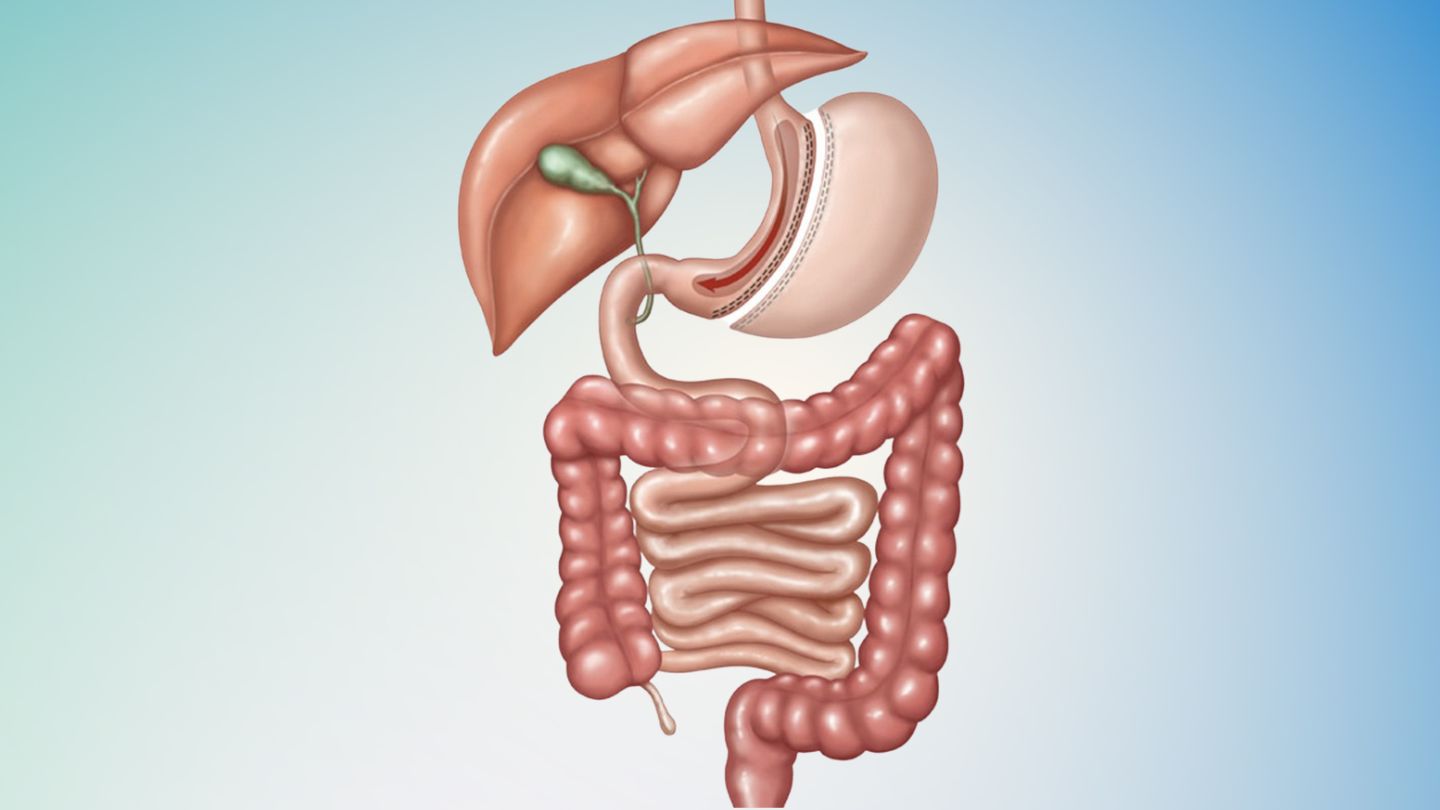
Gastric bypass surgery, one of the most prevalent forms of weight loss surgery, involves creating a small stomach pouch and rerouting part of the small intestine. This reduces food intake and nutrient absorption. Gastric sleeve surgery, or sleeve gastrectomy, involves removing a portion of the stomach, leaving a tubular “sleeve” that restricts the amount of food that can be consumed.

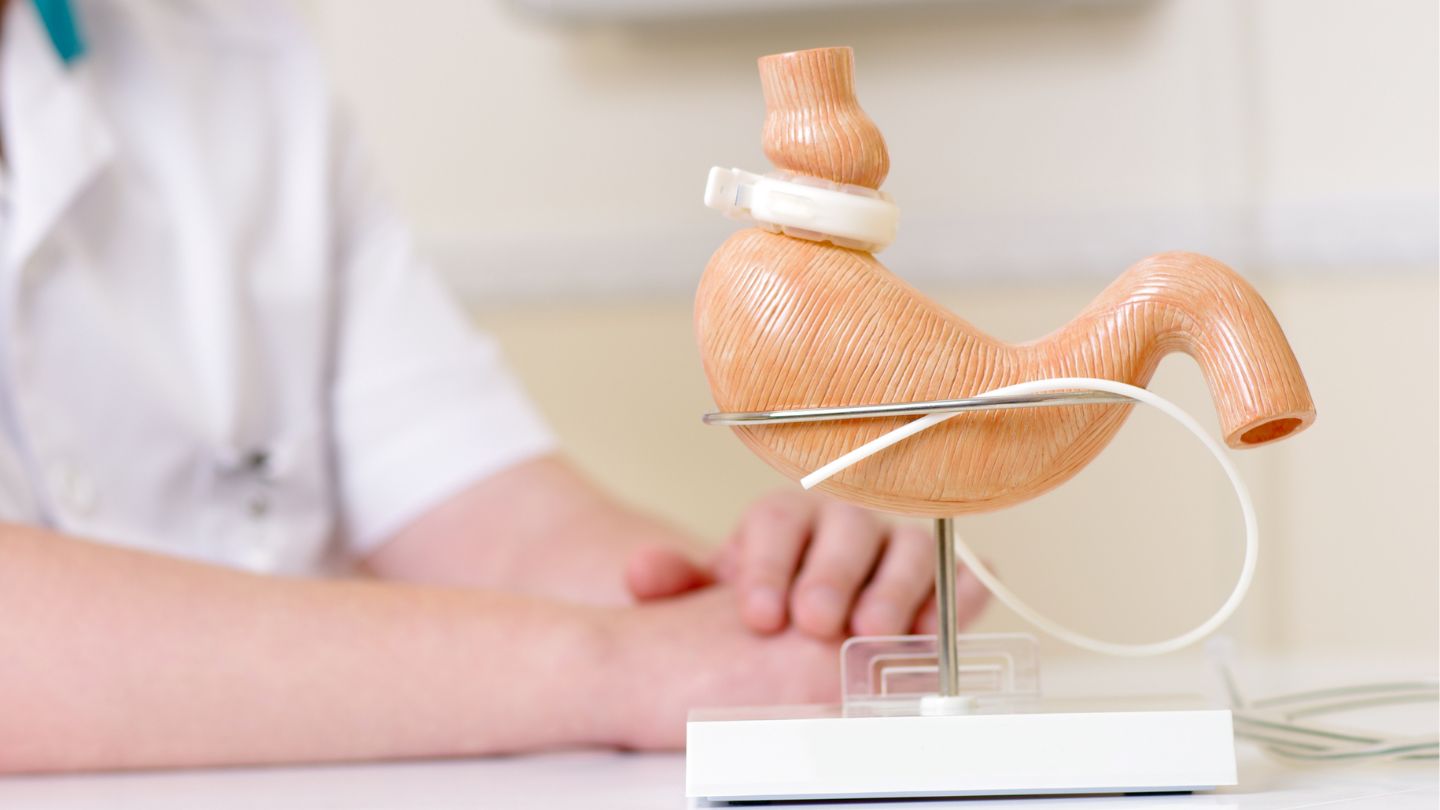
The duodenal switch combines aspects of both gastric bypass and Sleeve gastrectomy, altering the digestive tract significantly. Gastric banding, on the other hand, is less invasive and involves placing an adjustable band around the upper part of the stomach to create a smaller stomach pouch. Each type of surgery impacts the body differently, which subsequently affects their reversibility.

Read more: The Different Types of Bariatric Surgery

Which Procedures Are Reversible?

Bariatric surgeries vary in terms of their capacity for reversal. Gastric banding stands out as a reversible form of weight loss surgery. The implanted device can either be modified or removed, offering adaptability to those who might contemplate undoing the procedure later on.

Contrastingly, operations such as sleeve gastrectomy and duodenal switch are permanent because they involve the excision of parts of the stomach. Awareness about whether one’s chosen method allows for reversal is critical when contemplating various options regarding weight management surgeries.

Factors Influencing Reversal Decisions

Factors Influencing Reversal Decisions

The choice to undo bariatric surgery is impacted by a variety of considerations. Key among these are the kind of surgical procedure initially undertaken and the particular devices utilized during it. To arrive at a well-informed verdict on whether to reverse bariatric surgery, it’s essential to conduct an exhaustive evaluation of these influencing factors. Now let us explore in greater depth these individual elements that may affect this pivotal decision-making process.

Time Since Initial Procedure

As the period since the initial bariatric surgery extends, it becomes increasingly difficult to contemplate a reversal due to the progressive development of scar tissue and adhesions. These complications heighten with time, complicating efforts to safely reverse any alterations made during surgery, given that navigating through changed anatomy laced with scar tissue grows more intricate.

Factors such as the particular surgical methods employed in performing gastric bypass or other bariatric procedures and an individual’s health condition play pivotal roles in determining whether a successful reversal is feasible. Careful consideration of these aspects is imperative when deliberating over reversing a prior bariatric operation.

Read more: Gastric Bypass Surgery vs. Gastric Sleeve

Patient Health and Medical Conditions

Patient health and existing medical conditions are paramount when considering a gastric bypass reversal. Factors such as overall health, the presence of complications, and the patient’s ability to undergo another major surgery greatly influence the decision.

Healthcare professionals need to assess the patient’s health goals and any post-surgery complications. The surgeon’s skill and the patient’s health are critical in determining the feasibility of a reversal.

Weight Loss and Health Outcomes

Patients may opt for a reversal of their surgery if they encounter severe complications or do not achieve the desired weight loss results, as these are key factors in evaluating the success of the initial procedure. Reversal offers the opportunity for a fresh start, though it’s important to consider the potential for weight management challenges and the need to monitor health conditions that were previously under control after the original surgery.

It is essential for patients to have detailed conversations with medical professionals to fully comprehend both the hazards and expected results associated with reversing their surgery. Such discussions enable patients to make well-informed choices regarding whether or not to move forward with a surgical reversal.

Consultation and Decision-Making Process

Consultation and Decision-Making Process

It is essential for patients to consult with healthcare experts when considering a reversal of gastric bypass surgery. This professional advice helps them evaluate the possible advantages associated with reversing their previous procedure.

In order to fully grasp what reversing the surgery entails, including its consequences and expected results, patients must have detailed discussions with their medical support teams.

Consulting Healthcare Professionals

It is essential to engage with a healthcare professional when considering the potential reversal of gastric bypass surgery. Comprehensive evaluations before the operation and ongoing follow-up care are crucial to optimize results linked to the reversal of bariatric surgery.

Healthcare specialists highlight that consistent follow-up is critical for addressing nutritional shortfalls post-reversal of bariatric surgery. Persistent collaboration with healthcare providers is key to securing a successful and secure procedure for reversing gastric bypass.

Evaluating Personal Goals and Health Needs

Individuals contemplating a gastric bypass reversal should carefully consider their personal health goals and the impact that reversing the procedure might have on their ongoing pursuit of wellness. It is essential to assess how one’s long-term well-being aspirations align with undergoing such a reversal.

For patients who have underlying health conditions, being suitable for a gastric bypass reversal requires extra consideration. The potential effects that the reverse could have on enduring health and lifestyle objectives must be thoughtfully weighed before proceeding with this decision.

Read more: Quality of Life Improvements from Weight-Loss Surgery

Wrapping Up

In essence, the topic of reversing bariatric surgery is intricate and multi-dimensional. Grasping the various surgical options available, recognizing elements that impact the choice to undertake reversal, and being aware of potential hazards and complications are key factors necessary for well-informed decision-making. It’s vital to engage in consultations with medical professionals and ponder over one’s individual health objectives when dealing with this complex process.

At Wellstar Comprehensive Bariatric Services, our pledge is to offer expert advice and ongoing support throughout your journey toward weight loss. If you’re contemplating undergoing bariatric surgery in Marietta, Austell, LaGrange, Smyrna, or other locations across Georgia, our dedicated staff stands ready to help you fulfill your health and wellness aspirations. Reach out to us today for a consultation and take the first step towards transforming your life.

Frequently Asked Questions

Can all bariatric surgeries be reversed?

Not all bariatric surgeries can be reversed; gastric banding is reversible, while sleeve gastrectomy and duodenal switch are not.

What factors impact the decision to reverse bariatric surgery?

The decision to reverse bariatric surgery is primarily influenced by the type of procedure performed, the duration since the initial surgery, the patient’s overall health, any complications encountered, and the results of weight loss achieved.

These factors must be carefully evaluated to determine the appropriateness of reversal.

How can consulting with healthcare professionals help in deciding about a reversal?

It is imperative to engage with healthcare experts in order to acquire specialized advice, comprehensive evaluations before surgery, and adept handling of potential hazards. Such collaboration is key to enhancing the success rates of reversal operations.

These professionals’ knowledge ensures that choices are tailored specifically to each person’s unique medical condition, thereby promoting informed decision-making.

What should patients consider regarding their personal health goals when thinking about a reversal?

Patients should carefully evaluate their long-term wellness aspirations and how a reverse aligns with these objectives while also considering any pre-existing health conditions that may influence their decision.

How Long Does It Take to Stretch Your Stomach After Gastric Sleeve Surgery?

How Long Does It Take to Stretch Your Stomach After Gastric Sleeve Surgery?

Many patients wonder, ‘How long does it take to stretch your stomach after gastric sleeve surgery?’ While it takes several months to years for significant stretching to occur, much depends on individual habits like portion control and adherence to dietary guidelines. This blog will delve into the timelines, causes, and prevention of stomach stretching post-surgery.

Key Takeaways

  • Significant stomach stretching after gastric sleeve surgery can take several months to years and is primarily caused by poor eating habits and frequent overeating.
  • Understanding the difference between natural and problematic stomach stretching is essential in maintaining healthy eating habits and achieving long-term weight loss success.
  • Preventative measures such as mindful eating, portion control, and avoiding fluids during meals can help patients avoid stomach stretching and support their post-surgery health.

What Happens During Gastric Sleeve Surgery?

Gastric Sleeve Surgery, a popular form of bariatric surgery, involves reducing the stomach size by about two-thirds. This significant reduction limits calorie intake and helps patients achieve their weight loss goals. The surgery also removes the most stretchable part of the stomach, making it less likely to expand significantly post-surgery.

Despite this reduction, some degree of stomach stretching is inevitable. The amount of stretching can vary among patients, influenced by individual eating habits and adherence to post-surgery guidelines.

Knowing the mechanics of the surgery helps patients appreciate the importance of maintaining healthy eating behaviors.

Can Your Stomach Stretch After Gastric Sleeve Surgery?

Can Your Stomach Stretch After Gastric Sleeve Surgery?

Patients often worry about their stomach expanding post-gastrsleeveves surgery. It’s expected for the stomach to stretch a little as time passes, but considerable stretching is usually the result of unhealthy eating patterns and regular overindulgence in food. Anxiety regarding potential weight regain and diminishing effects from the surgery can arise from this capacity for enlargement.

Recognizing the distinction between slight natural expansion and serious problematic dilation is crucial. Excessive consumption of food significantly contributes to substantial stretching, underscoring why following dietary guidelines after sleeve surgery is essential. Grasping these subtleties may alleviate concerns and encourage the maintenance of good eating practices.

Natural Stomach Stretching

The natural expansion of the stomach during digestion is a standard bodily function. As we consume food and liquids, our stomach enlarges slightly to fit what we’ve taken in, but it subsequently shrinks back after digestion has finished. The muscles of the stomach are vital in this process as they help signal when we’re full.

Consistently overeating can cause more severe and enduring distension of the stomach. Recognizing the distinction between everyday stretching caused by eating and detrimental overstretching is key for individuals to regulate their dietary patterns effectively and sustain successful weight loss.

Overeating and Permanent Stretching

Constant overindulgence in food is the main reason for persistent stomach stretching. Although occasional overeating may result in temporary expansion of the stomach, habitual excess eating can cause irreversible alterations to its size. This enduring enlargement has a substantial effect on attempts at weight loss and poses a risk for subsequent weight regain.

To circumvent this issue, it’s important to cultivate sound nutritional practices and comply with dietary instructions following surgery. By controlling portion sizes and resisting the urge to consume excessive amounts of food, one can safeguard against permanent changes in stomach capacity, thereby supporting sustained achievements throughout one’s journey toward losing weight.

Read more: Why Am I Not Losing Weight After Gastric Sleeve Surgery?

How Long Does It Take for the Stomach to Stretch?

How Long Does It Take for the Stomach to Stretch?

After surgery, it usually takes a few months to years for the stomach pouch to stretch substantially, often as a result of bad eating habits and consistent overindulgence in food. In the early stages following the procedure, swelling may cause patients’ stomachs to feel constricted. This sensation diminishes over time, leading to a marginal elevation in their capacity for food consumption.

Should individuals persistently consume excessive amounts of food after their operation, there can be a more pronounced expansion of their stomachs with time. Recognizing whether such stretching is temporary or enduring is crucial in effectively overseeing one’s health after surgery and upholding objectives related to weight loss.

Read more: What Is Gastric Sleeve Recovery Time Like? Essential Insights & Tips

Preventing Stomach Stretching Post-Surgery

To avert the expansion of the stomach following Sleeve Surgery, it is crucial to employ various tactics. Crucial methods include:

  1. Following prescribed eating guidelines.
  2. Utilizing expert guidance and support.
  3. Engaging in conscious consumption habits.
  4. Periodically seeking advice from dietary experts with expertise in bariatric nutrition to preserve well-being and fulfill objectives related to shedding pounds.

Adherence to these strategies can significantly enhance your health management after undergoing surgery and sustain progress on your path toward weight reduction.

Employing these techniques enables patients undergoing gastric sleeve procedures to prevent their stomachs from stretching, thereby facilitating enduring success post-operation by practicing certain specific approaches recommended for this purpose.

Eating Slowly and Mindfully

Consuming food at a leisurely pace can facilitate your brain’s ability to register satiety signals, which aids in preventing the consumption of excessive amounts of food. By not rushing through meals, you lessen the chance of overburdening your stomach and expanding it unnecessarily. Mindful eating entails paying attention to the flavor, texture, and scent of what you’re eating, thereby enhancing the enjoyment derived from healthy meals.

Taking breaks between mouthfuls and remaining conscious about how much is on your plate can also assist in averting thoughtless munching and excess intake. Such practices may decrease stress related to dietary habits and foster an improved connection with the process of eating.

Portion Control and Small Meals

Managing portion sizes is crucial after gastric sleeve surgery. The initial capacity of the stomach immediately after surgery ranges from 2 to 4 tablespoons. Overeating, even on occasion, can create habits that lead to stomach stretching over time.

To avoid this, patients should consume small, healthy snacks between meals to manage the hunger hormone and prevent overeating. This approach can help maintain weight loss goals and help them lose weight while preventing the stomach from stretching.

Read more: The Importance of Protein Intake After Gastric Sleeve Surgery

Avoid Drinking During Meals

It is recommended to refrain from consuming fluids while eating, as this can contribute to unnecessary expansion of the stomach by increasing its volume. Such an increase may make it more likely for one to overeat and could potentially result in the stretching of the stomach. Keeping a close eye on how much fluid you take in will also aid in regulating your total food and drink intake.

To help ensure that portion sizes are kept under control following Sleeve Surgery, avoiding drinks during meals plays a crucial role. Adhering to this habit is essential for safeguarding the success achieved through gastric sleeve surgery and helps significantly reduce the risk of expanding your newly sized stomach.

Read more: How Alcohol Affects Your Weight Loss

Recognizing Signs of Stomach Stretching

It is critical to be aware of the indicators that suggest your stomach pouch might be expanding, as this knowledge is vital for preserving health after surgery. Feeling hungrier during the day more than usual could mean that your stomach pouch is stretching out. Should you observe that the portions of food you’re eating are becoming bigger than what was originally recommended post-surgery, it’s possible that your stomach has undergone some degree of stretching.

Another sign to look out for is experiencing minimal or no discomfort when consuming larger quantities or heavier foods – this, too, can point toward a stretched stomach pouch. Noticing an increase in waist size or facing challenges with wearing clothes that used to fit well before may also signal a change in the dimensions of your stomach pouch.

Seeking Professional Help

It is essential for individuals who are contemplating gastric sleeve surgery or those who have already had it to seek guidance from medical experts. If there’s a halt in shedding pounds or even an increase in weight, this could signify that the stomach pouch has stretched. Adherence to a stringent diet regimen is key to preventing the expansion of the stomach and preserving post-surgery weight reduction.

Occasionally, undergoing bariatric revisional surgery may be necessary to alter the initial surgery so as to enhance results concerning weight loss. Enlisting professional help can aid patients in keeping on course with their journey towards losing weight and swiftly tackle any complications arising from their weight loss operation.

To Conclude

To reiterate, it is essential to comprehend and avert the expansion of the stomach following gastric sleeve surgery for sustained success in losing weight. Adherence to recommended dietary protocols, obtaining expert guidance, and engaging in conscious eating behaviors are vital steps patients can take to preserve their weight reduction achievements and enhance their overall well-being.

It’s important to note that the path toward shedding pounds continues indefinitely. Being vigilant and taking initiative plays a crucial role in realizing and conserving your desired outcomes. When considering options like a gastric sleeve in Smyrna, Marietta, Austell, LaGrange, and other locations across Georgia, Wellstar Comprehensive Bariatric Services remains committed to assisting you throughout this journey. Reach out to us to learn more about bariatric surgery options.

Frequently Asked Questions

Can my stomach stretch back to its original size after gastric sleeve surgery?

Yes, while minor stretching is normal after gastric sleeve surgery, significant stretching is often a result of poor eating habits and frequent overeating.

Therefore, maintaining healthy eating practices is crucial for preserving the stomach’s reduced size.

How can I prevent my stomach from stretching after surgery?

To prevent stomach stretching after surgery, it is essential to adhere to dietary plans, eat slowly and mindfully, manage portion sizes, and avoid fluids during meals.

Following these guidelines will support your recovery and maintain your stomach integrity.

What are the signs that my stomach is stretching?

Signs that your stomach is stretching include increased hunger, the ability to consume larger meal sizes without discomfort, and a noticeable increase in waist circumference.

What should I do if I suspect my stomach is stretching?

It is essential to consult with healthcare professionals to assess your condition and consider following a strict dietary plan, as a bariatric revisional procedure may be required in certain situations.

How long does it take for the stomach to stretch significantly?

The stomach can take several months to years to stretch significantly, mainly as a result of habitual overeating.

Top 5 Steps to Prepare for Weight Loss Surgery

Top 5 Steps to Prepare for Weight Loss Surgery

Preparing for weight loss surgery is a significant step towards better health. To help you on this path, we’ll cover the five steps to prepare for weight loss surgery: understanding your options, making lifestyle changes, undergoing medical evaluations, mental preparation, and following a pre-surgery diet. Let’s ensure you’re ready for a successful surgery.

Key Takeaways

  • Understand different bariatric surgery options to make an informed decision tailored to your health and goals.
  • Commit to lifestyle changes, including a balanced diet and regular exercise, to support your weight loss journey before and after surgery.
  • Complete necessary medical evaluations and psychological preparedness to ensure readiness for the surgical procedure and its challenges, helping patients achieve significant health and lifestyle improvements.

Understand Your Bariatric Surgery Options

Understanding bariatric surgery procedures is key for patients. Grasping the variety of options in bariatric surgery is crucial prior to embarking on a weight loss journey through surgical means. Each type of procedure offers unique advantages and risks, which should be carefully considered according to one’s health condition and weight loss ambitions.

Read more: The Different Types of Bariatric Surgery

Laparoscopic Sleeve Gastrectomy

This widely chosen form of bariatric surgery involves the removal of approximately 80% of the stomach, leaving behind a tube-like stomach pouch. The reduced size limits food consumption capacity while also curtailing hunger hormone production, thus facilitating substantial weight reduction.

Read more: What Is a Sleeve Gastrectomy and Is It Right for You?

Roux-en-Y Gastric Bypass

As another effective alternative for significant weight reduction and improved obesity-related ailments, the Roux-en-Y gastric bypass entails crafting a diminutive stomach pouch and rerouting part of the small intestine. Restricting how much can be eaten and reducing calorie absorption foster notable losses in body weight.

Gastric Banding

For individuals considering minimally invasive methods, gastric banding could fit their needs. Placing an adjustable band around the upper segment of the stomach establishes a smaller compartment that curbs food intake while preserving normal digestive function—a feature attracting numerous patients.

Biliopancreatic Diversion with Dual Switch (BPD/DS)

Incorporating both restrictive elements and malabsorption techniques are procedures like Biliopancreatic Diversion with Duodenal Switch, which is well-regarded for its potent impact on reducing excess body mass but bears more pronounced risk factors such as nutritional deficiencies. This option is mostly recommended for those struggling severely with obesity issues.

Being equipped with insights into these diverse approaches empowers you to make sound choices regarding your path forward in tackling excessive body mass concerns—in consultation with adept bariatric surgeons at WellStar—to find your tailored fit within all available versions of modern weight-loss treatments.

Commit to Lifestyle Changes

Commit to Lifestyle Changes

Undergoing weight loss surgery is more than a medical procedure. It’s a pledge to make permanent changes in your lifestyle for enduring success. The preparation phase extends beyond dietary adjustments, transitioning into an entirely new way of living that bolsters efforts in losing weight and shedding pounds.

Read more: Quality of Life Improvements from Weight-Loss Surgery

Dietary Changes

To gear up for surgery and effectively lose weight, begin transforming your diet roughly three months ahead by:

  • Cutting back on foods rich in fats and sugars.
  • Adopting balanced meals that control portions while ensuring essential nutrients are met.
  • Learning to eat slowly, chewing thoroughly, and pausing between bites to foster healthier eating habits.

Exercise Routine

Committing to no less than 30 minutes of daily physical activity encourages healthier living habits. Design an exercise regimen blending aerobic and strength-training workouts to support weight loss and boost overall vitality.

Support System

A robust network offering support is fundamental for bariatric surgery patients to maintain life modifications post-surgery. Surround yourself with family members and friends, or join support groups that will offer motivation and hold you accountable. Setting clear goals and action plans will help refine your strategies and make objectives more achievable.

Behavioral Adjustments

Altering behaviors is pivotal for success. This includes quitting smoking and avoiding substances that could interfere with recovery. Behavioral changes, when paired with dietary discipline, lay the foundation for sustained well-being.

By embracing these shifts preemptively, you set yourself up for success while navigating upcoming hurdles on this transformative journey.

Read more: Can You Smoke After Bariatric Surgery? Understanding the Risks and Guidelines

Complete Necessary Medical Evaluations

Before embarking on weight loss surgery, thorough medical evaluations are crucial to confirm that the individual is prepared and secure for the procedure, especially considering the implications of excess weight on anesthesia management and surgical risk factors.

Common Medical Tests

The typical tests before such surgery often encompass assessing body mass index (BMI) and conducting cardiac exams, including an EKG and chest X-ray, alongside a series of blood tests. These blood analyses involve evaluating overall health through a comprehensive metabolic panel, checking thyroid functions, and analyzing cholesterol levels with a lipid profile.

Additional Evaluations

For those presenting cardiac issues, high blood pressure, or sleep apnea history, examinations like echocardiograms or stress testing might be necessary. To thoroughly inspect the digestive system prior to surgery, procedures like endoscopy or upper gastrointestinal studies may also be mandated. These assessments equip the bariatric surgeon with detailed insights into each patient’s unique situation, allowing them to customize their surgical strategy effectively.

Finalizing these medical check-ups is integral in clearing candidates for weight loss surgery since it validates their physical eligibility for undergoing such an operation while pinpointing any possible complications requiring attention beforehand.

Psychological Preparation

Mentally gearing up for the significant lifestyle alterations that accompany weight loss surgery is an essential part of preparation. A psychological evaluation plays a key role in determining whether you are mentally poised to undertake the surgery and embrace the ensuing lifestyle shifts. Having experienced bariatric surgeons involved in your surgical journey ensures that you receive comprehensive care and support throughout the process.

Psychological Evaluation

This examination delves into mental health concerns, including depression, eating disorders, and alcohol dependency, to ensure potential patients are suitably prepared for what lies ahead. Conducted by experienced mental health professionals, this assessment also offers advice designed to help enhance your journey through these changes.

Mental Health Considerations

It’s crucial to address any pre-existing mental health issues such as depression, eating disorders, or alcoholism before undergoing loss surgery. These conditions can significantly influence your capacity to commit to new dietary and exercise routines after surgery.

Social Factors

During your mental well-being appraisal, aspects like employment status and living situation will be taken into account. Having a secure social setting contributes greatly towards recuperation success and maintaining long-term compliance with post-surgery lifestyle practices.

Psychological readiness lays a strong foundation for managing both anticipated challenges and successfully adapting to following weight reduction procedures.

Read more: The Importance of Psychological Support Before and After Gastric Bypass Surgery

Pre-Surgery Diet and Nutrition Plan

Pre-Surgery Diet and Nutrition Plan

A well-structured pre-surgery diet and nutrition plan is crucial for preparing your body for surgery. This plan helps minimize liver size and ensures a smoother surgical process.

Full Liquid Diet

One to two weeks before surgery, a full liquid diet is usually adopted to minimize liver size, facilitating easier access to the stomach for the surgeon. This diet should be low in sugar and fat, high in protein, and low in carbs.

Recommended Liquids

Recommended liquids for the pre-surgery diet include sugar-free beverages, low-sodium broth, and protein drinks. These maintain hydration and provide essential nutrients while preparing your digestive system for surgery.

Fluid Intake Targets

Patients should aim to maintain fluid intake at around 64 ounces daily. Proper hydration ensures your body is ready for the procedure and supports recovery.

By diligently following your pre-surgery diet plan, you better prepare your body for surgery and ensure a smoother post-operative journey.

Day of Surgery Preparation

Day of Surgery Preparation

Your surgery date for weight loss is a pivotal event. Being well-prepared can diminish stress and facilitate an easier journey.

Anesthesia Considerations

The use of general anesthesia is common in weight loss procedures, necessitating thorough evaluation of airway management, especially for those patients with obstructive sleep apnea. Medical personnel will ensure vein access for IV lines prior to administering anesthesia.

What to Bring to the Hospital

To enhance your comfort during the hospital stay post-surgery, it’s recommended that you bring loose-fitting clothes, personal hygiene items, and forms of entertainment such as books or electronic devices. These will help make your recovery period more pleasant and assist in passing time.

Arriving fully prepared on your surgery day significantly helps alleviate tension and positions you optimally for undergoing the procedure.

Post-Surgery Recovery and Follow-Up Care

The period following surgery is crucial to attaining your weight loss objectives and securing long-term well-being.

Stages of Diet after Surgery

  • Phase One (0-2 weeks): Begin with a clear liquid diet to promote healing.
  • Phase Two (2-4 weeks): Transition to pureed foods to ensure adequate nutrition without strain.
  • Phase Three (4-6 weeks): Gradually introduce soft foods, allowing your body to adapt while maintaining proper digestion.

Significance of Protein Consumption

Sufficient protein intake aids recovery and helps preserve muscle mass. Incorporating high-protein foods is essential for long-term success.

Physical Exercise Plans

Establishing a consistent exercise regimen is critical for ongoing weight management. Start with light activities post-surgery and gradually increase intensity, incorporating both cardio and strength training.

Routine Check-Ups Following Surgery

Regular follow-ups with your bariatric team are essential for tracking your progress, identifying potential nutritional gaps, and receiving ongoing support. Schedule appointments 2 to 6 weeks post-surgery and annually thereafter.

Committing to these steps ensures not only a successful recovery but also long-term health and well-being.

Summary

Embarking on weight loss surgery involves a thorough understanding of your surgical options, a commitment to lifestyle changes, completion of essential medical evaluations, and adherence to a pre-surgery diet. By taking these steps and participating in follow-up care, you set the stage for a successful and lasting weight loss journey.

At Wellstar Comprehensive Bariatric Services, we are dedicated to supporting you through each step of this transformative process. If you’re considering weight loss surgery near Smyrna, East Cobb, Marietta, Austell, LaGrange, or other locations across Georgia, our expert team is here to assist you. Start your journey today by scheduling a consultation. Contact us to take the first step towards a healthier future!

Frequently Asked Questions

How soon should I start preparing for surgery?

Start preparing for surgery at least three months in advance by adopting a healthy diet, establishing an exercise routine, and quitting smoking if necessary. Taking these steps will set you up for a smoother recovery and better outcomes!

What medical evaluations are required?

To maintain optimal health, it is critical to prioritize fundamental checks such as calculating your BMI, conducting heart evaluations, and undergoing blood tests. Should the need arise, consider Examinations like an endoscopy or screening for sleep apnea—investing in your health is of utmost importance!

Why is psychological preparation important?

It is essential to be psychologically prepared, as it prepares individuals for the lifestyle changes ahead and helps prevent mental health challenges that could compromise the success of their surgery. Having mental readiness ensures you approach your health journey with confidence!

What should I expect on the day of surgery?

On the day of surgery, expect to receive general anesthesia and be well-prepared by your healthcare team. Remember to wear comfortable clothing and bring any personal items you may need for a smooth experience.

Am I Eligible for Lap Band Surgery? Requirements Explained

Am I Eligible for Lap Band Surgery? Requirements Explained

Are you wondering, “Am I eligible for lap band surgery?” Key criteria include having an appropriate BMI, a history of unsuccessful weight loss attempts, and a commitment to lifestyle changes. This blog breaks down these requirements to help you find out if you qualify.

Key Takeaways

  • Eligibility for lap band surgery requires a BMI between 30 and 45, a history of being significantly overweight for at least five years, and documented unsuccessful weight loss attempts through diet and exercise.
  • Candidates must demonstrate a willingness to embrace lifestyle changes, including adopting a healthier diet and increased physical activity post-surgery, to ensure sustainable weight loss.
  • Comprehensive medical and psychological evaluations are necessary for determining eligibility, alongside regular follow-up care to monitor progress and make adjustments for optimal results.

Understanding BMI Requirements

Understanding BMI Requirements

Eligibility for adjustable gastric band surgery heavily depends on an individual’s Body Mass Index (BMI). This figure, derived from a person’s height and body weight, allows healthcare professionals to determine if someone is a suitable candidate for the procedure. Typically, candidates should have a BMI that falls between 35 and 40 with obesity-related conditions or a BMI of 40 or higher to qualify. For individuals with a BMI between 30 and 35, eligibility may be considered if significant health risks associated with obesity are present.

In cases where an individual’s BMI exceeds 45, other forms of bariatric procedures, such as sleeve gastrectomy or gastric bypass, might be recommended. These options are specifically tailored to induce significant weight loss for those with higher BMIs than what is optimal for adjustable gastric band intervention.

When exploring insurance coverage, it is often necessary to provide proof of BMI history and records of previous weight loss attempts. These documents help justify surgical intervention, demonstrating that alternative methods were unsuccessful in achieving sustainable weight management goals.

Long-Term Obesity and Weight Loss Attempts

Individuals must have grappled with significant body weight issues for a minimum of five years to qualify for lap band surgery. This extended period of being overweight signifies the persistent character of their obesity, highlighting the necessity for a durable solution such as bariatric surgery.

Eligibility also hinges on having an established record of unsuccessful efforts at shedding excess weight. These endeavors should encompass diet and physical activity changes to show that they’ve earnestly attempted traditional methods to reduce their weight prior to resorting to surgical intervention like lap band surgery.

These trials are not merely indicators of your commitment but provide crucial insight into dietary patterns and lifestyle choices. A deeper understanding obtained from these attempts enables medical experts to tailor-make the band surgery according to one’s unique needs, thereby improving prospects for long-term successful management of weight loss.

Willingness to Embrace Lifestyle Changes

Eligibility for adjustable gastric band surgery hinges critically on a person’s willingness to make substantial lifestyle adjustments. To sustain the weight loss facilitated by the procedure, individuals must integrate a nutritious diet and regular physical activity into their daily routine after surgery.

Adopting healthy eating habits, practicing portion control, and engaging in consistent physical exercise are essential for maintaining the benefits of adjustable gastric band surgery. Our dedicated team offers nutritional counseling and support to help patients successfully navigate these lifestyle changes.

Prior attempts at losing weight, including structured dieting and exercise programs lasting three to six months, are often required before pursuing surgical intervention. These efforts demonstrate an individual’s readiness and commitment to long-term behavioral changes essential for successful weight management after surgery.

Medical and Health Evaluations

Candidates must undergo comprehensive medical and health evaluations to ensure they are suitable for lap band surgery. These evaluations assess overall health and identify any obesity-related issues that could complicate the surgery. Conditions such as heart disease, diabetes, and high blood pressure may disqualify candidates if they pose significant risks.

Medical clearance is a crucial step in the pre-surgery process. This involves a series of tests, including evaluations of heart and lung function, bloodwork, and possibly additional examinations. These tests determine whether you are physically fit to undergo the surgery and handle the required anesthesia.

Anesthesia preparation is a vital part of the medical evaluation. Individual health factors, such as sleep apnea, can influence the anesthesia plan to minimize risks and complications during surgery.

Psychological Readiness

Psychological preparedness is just as vital as physical preparation for lap band surgery. Individuals must mentally brace themselves to face the obstacles that accompany their journey toward weight loss, which includes grasping the possible outcomes and associated risks of the procedure in order to form achievable expectations.

The examination of one’s social support systems plays a pivotal role in ensuring psychological readiness. Having robust backing from family, friends, and supportive groups can immensely impact your post-surgery adherence and overall experience positively by providing motivation and accountability necessary to maintain progress.

Evaluation of a candidate’s past attempts at losing weight may be conducted to gauge their mental preparedness and determine if surgical intervention is needed. Such assessments confirm whether candidates are psychologically equipped to navigate through profound lifestyle changes after undergoing weight loss surgery.

Commitment to Follow-Up Care

Regular follow-up care is vital for ensuring the long-term success of adjustable gastric band surgery. At WellStar, patients are encouraged to schedule frequent check-ups to monitor their health and the effectiveness of the procedure. These follow-ups allow for adjustments to the band, ensuring optimal outcomes.

We also provide access to support groups, nutritional counseling, and multidisciplinary care to guide patients through their recovery journey. These resources are essential for helping patients maintain healthy habits, sustain weight loss, and address any concerns that may arise.

Adjustments to the band, particularly within the first year after surgery, require careful monitoring to optimize effectiveness. Our experienced team ensures that each patient receives tailored follow-up care, empowering them to achieve their weight loss and wellness goals.

Consulting a Specialist

It is essential to seek advice from a specialist to establish if you’re a candidate for lap band surgery. An individual assessment with a bariatric surgeon will offer the most accurate determination of your eligibility for this weight loss procedure. It’s vital during these discussions to thoroughly examine your health history and articulate your weight loss objectives.

Each patient’s care strategy is customized by surgeons based on their unique motivations and desired outcomes, ensuring that the proposed surgical plan resonates with their personal requirements. Every consultation reflects an individual’s distinct medical background and life situation, so posing targeted questions can help dispel uncertainties and enhance comprehension of what the surgery entails.

The consultation process provides an opportunity to connect with your surgeon, reinforcing trust in your choice to undergo lap band surgery. Fostering transparent communication is fundamental in devising an effective treatment blueprint together with your surgeon.

Types of Bariatric Surgery Options

Types of Bariatric Surgery Options

WellStar Comprehensive Bariatric Services offers a wide range of advanced bariatric procedures designed to support sustainable weight loss and improve overall health. Our expert team specializes in adjustable gastric band procedures, laparoscopic sleeve gastrectomy, and Roux-en-Y gastric bypass, tailoring each treatment plan to your unique health needs and goals. From initial consultation to long-term follow-up care, We are committed to guiding you every step of the way toward a healthier future.

For instance, the Roux-en-Y gastric bypass is renowned for significant weight reduction and improvement of obesity-related conditions. Alternatively, sleeve gastrectomy offers rapid weight loss without altering the intestinal pathway. Adjustable gastric band surgery provides a less invasive option for weight management with the flexibility of band adjustments over time.

Our comprehensive approach ensures patients receive personalized care at every step, from initial consultation to post-surgery follow-up, offering the support needed to achieve long-term success.

Preparing for Lap Band Surgery

Preparation is essential for successful lap band surgery. Understanding nutrition and consulting with a registered dietitian help patients learn about necessary dietary changes, including portion sizes and hydration. A structured weight loss and exercise plan, with documented goals and regular physical activity, is important before surgery.

Adopting positive habits, such as improving sleep and managing stress, can ease the transition to post-surgery life. Patients should gather information and attend educational sessions to set accurate expectations for the surgery. These preparations help ensure patients are physically and mentally ready for the changes ahead.

Recovery and Post-Surgery Support

Recovery and Post-Surgery Support

The period following lap band surgery is vital for ensuring its lasting effectiveness, with patients typically remaining in the hospital from one to two days post-operation. The success of such minimally invasive bariatric surgeries hinges on proper aftercare.

Consistent check-ups are essential for overseeing weight reduction and addressing any complications that may arise following gastric band surgery. Participation in support groups can greatly improve prospects of sustained weight management following the procedure.

To secure sufficient nutrition after undergoing band surgery, it’s important for individuals to adhere to a diet rich in protein while minimizing carbohydrate intake.

Summary

To qualify for adjustable gastric band surgery, patients must meet specific criteria, such as adhering to BMI guidelines, having a history of obesity, and demonstrating readiness to embrace significant lifestyle changes. Thorough medical and psychological assessments are vital to ensure that patients are well-prepared for their weight loss journey.

At Wellstar Comprehensive Bariatric Services, our weight loss surgeons serve East Cobb, Marietta, Austell, Smyrna, LaGrange, and other locations across Georgia. We provide personalized care, from initial consultation to ongoing follow-up support. With a commitment to patient success, we ensure that every individual receives the guidance and resources needed to achieve sustainable weight loss and improved health. Ready to transform your life? Contact us today!

Frequently Asked Questions

What BMI is required for lap band surgery?

To be eligible for lap band surgery, it is critical to have a BMI within the range of 30 to 45. This criterion must be met to qualify for the band surgery procedure.

How long do I need to have been overweight to qualify for surgery?

To qualify for surgery, you typically need to have been significantly overweight for at least five years. This duration demonstrates a long-term struggle with weight management.

What medical conditions might disqualify me from surgery?

You may be disqualified from surgery if you have medical conditions such as heart disease, diabetes, or hypertension, as they can significantly increase the risks associated with the procedure. It is essential to discuss your health history thoroughly with your healthcare provider before proceeding.

What kind of follow-up care is required after surgery?

After surgery, regular follow-up visits, participation in support groups, and nutritional counseling are crucial for monitoring health and ensuring long-term success. These measures help maintain optimal recovery and well-being.

When Can You Hit the Road After Gastric Sleeve Surgery? A Quick Guide

When Can You Hit the Road After Gastric Sleeve Surgery? A Quick Guide

Many patients ask, “When can you hit the road after gastric sleeve surgery?” Typically, light driving is possible within 1 to 2 weeks, provided you are pain-free and off medications. This blog outlines the essential factors affecting your driving readiness, including recovery progress and advice from your healthcare provider, ensuring you feel confident and safe during your post-surgery journey.

Key Takeaways

  • Recovery times for resuming driving after gastric sleeve surgery vary by individual, with many patients able to start light driving within 1 to 2 weeks post-surgery.
  • Consultation with healthcare providers is essential to assess recovery progress and ensure it’s safe to drive, considering the effects of pain medications and physical comfort.
  • Gradual reintroduction of driving, starting with short routes, is recommended to build confidence and assess comfort before longer trips.

Overview

Recovering from gastric sleeve surgery is a unique journey for each patient. Some patients may be ready for light driving within 1 to 2 weeks post-surgery, while others might need more time to feel comfortable behind the wheel. The variability in recovery experiences means there’s no one-size-fits-all answer.

Light driving tasks might be manageable early on, but more demanding activities, such as operating a manual transmission, could be challenging. On average, many patients take about 3 to 4 weeks before they can safely resume driving. Consider your personal health, pain levels, and any potential complications when making this decision.

The decision to get back on the road should be based on your unique recovery experience. Seek personalized advice from your healthcare provider to ensure a safe and smooth transition back to driving.

Understanding Your Recovery Process

Understanding Your Recovery Process

Several factors, including your overall health, pain levels, and any potential complications, influence the recovery process after gastric sleeve surgery. While some patients might feel ready to resume light driving within 1 to 2 weeks, others may require more time to heal and feel confident.

Recovery experiences can vary significantly. Depending on their healing and overall progress, some patients may take 3 to 4 weeks before safely driving. Keep in mind that there is no fixed timeline for resuming longer drives, as this depends largely on your recovery journey and how your body is adapting post-surgery.

Light driving tasks may be manageable early in recovery, but activities requiring greater physical effort, like operating a manual transmission, could still pose challenges. Always prioritize your safety and consult your healthcare team when making decisions about resuming driving.

Read more: What Is Gastric Sleeve Recovery Time Like? Essential Insights & Tips

Consulting Your Healthcare Provider

Your healthcare provider plays a key role in guiding your recovery and helping you determine when it’s safe to resume driving. Consulting with your provider allows for personalized advice tailored to your healing progress and helps identify any potential complications that could impact your ability to drive safely.

Bariatric surgeons, alongside the broader healthcare team, monitor your post-surgical recovery and provide guidance on managing your return to normal activities, including driving. They will help ensure that all medications, particularly those for pain management, have fully cleared your system before you consider getting behind the wheel. Medications can impair concentration and reaction time, making it essential to discuss their effects with your provider.

Post-Surgery Medication Considerations

Managing pain after gastric sleeve surgery often involves prescribed pain medications, which may temporarily impair your ability to concentrate and react quickly. Operating a vehicle while under the influence is not only unsafe but also against the law.

Before driving, ensure you are completely off pain medications and no longer experiencing side effects such as drowsiness or reduced focus. Speak with your healthcare team if you are unsure about your readiness. Your safety and that of others on the road should remain your top priority.

Assessing Physical Comfort and Mobility

Physical comfort and mobility are critical when determining your readiness to drive. After gastric sleeve surgery, ensure you can perform essential driving tasks, such as operating pedals, turning the steering wheel, and checking blind spots without pain or discomfort.

Adjusting your driving position and using cushions for support can help improve comfort while reducing strain on the surgical site. If any movement feels restricted or painful, it’s best to delay driving. Focus on achieving a relaxed, alert state before getting behind the wheel to ensure the safe and confident operation of your vehicle.

Typical Timelines for Resuming Driving

Typical Timelines for Resuming Driving

Most patients are advised to start light driving approximately 1 to 2 weeks after gastric sleeve surgery. However, individual readiness can vary based on factors such as recovery progress, overall health, and the nature of the surgery. While some may feel ready sooner, others might need additional time to regain full comfort and mobility.

It’s essential to feel confident in your ability to drive safely and ensure that all medications are out of your system before hitting the road. Listen to your body, and consult your healthcare provider for tailored advice to make informed decisions about resuming driving.

Gradual Return to Driving

To ensure a safe and smooth transition back to driving after surgery, start with short trips along familiar routes. Gradual reintroduction allows you to evaluate your comfort level and gauge your body’s response to driving.

If you experience any discomfort or have concerns about longer journeys, consult your healthcare provider for additional guidance. By gradually building confidence and endurance, you can minimize strain and support a healthy recovery. Taking small steps toward resuming driving is a key milestone in reclaiming independence after surgery.

Legal and Insurance Considerations

Ensure you are well-versed with the particular legalities and rules that govern resuming driving post-surgery since these can differ significantly depending on your geographical area. Every state and nation may have unique legal stipulations that determine when it’s safe to resume driving.

Adhere to any limitations set forth by your insurance provider. Being aware of their requirements and constraints is crucial in preventing possible issues. Before getting behind the wheel again, make sure you check with your insurer to verify that all necessary criteria are met.

Keeping abreast of legal and insurance considerations forms an essential part of the recovery process from surgery. By remaining informed, you guarantee a return to driving that is both compliant with regulations and secure for everyone involved.

Monitoring Healing Progress

Follow-up appointments evaluate how well you are healing and determine if it’s safe for you to drive again. General health, pain level, potential complications, and surgery timeline influence the decision on driving readiness.

During follow-up appointments, ask your healthcare provider about your readiness to resume driving. Follow your healthcare team’s advice to ensure safety and proper recovery.

Monitoring your healing progress ensures you are physically and mentally prepared to drive safely.

Cognitive Readiness

After undergoing surgery, it’s vital to ensure that your mental alertness and cognitive function are at levels safe enough for driving. The recovery process might impair your focus, so keep this in mind. Pain medications can lead to extended periods of sleepiness or a sensation of haziness mentally, which could negatively affect one’s ability to drive.

Stop driving immediately if you’re feeling tired or sick. Signs such as being easily distracted, having trouble focusing, or experiencing mental cloudiness suggest that you may not yet be fit to get behind the wheel.

It is important for patients’ physical and mental readiness for safely operating a vehicle to undergo continuous evaluations during their recovery period.

Read more: Comprehensive Guide to Gastric Sleeve Surgery: What You Need to Know

Summary

In conclusion, getting back behind the wheel after gastric sleeve surgery requires a careful assessment of your healing journey, consultation with your healthcare provider, and ensuring you’re both physically and mentally prepared. Each patient’s recovery is unique, and prioritizing your safety and well-being is paramount.

Wellstar Comprehensive Bariatric Services is proud to have expert gastric sleeve surgeons serving East Cobb, Marietta, Austell, Smyrna, LaGrange, and other locations across Georgia. Our team is committed to guiding you through a successful recovery. Your health and safety are our top priorities, and we are here to support you every step of the way. Ready to make a positive change? Contact us today!

Frequently Asked Questions

How soon can I start driving after gastric sleeve surgery?

You can typically start light driving around 1 to 2 weeks after gastric sleeve surgery, but it’s advisable to wait until you’re pain-free, off all medications, and fully comfortable.

Why is it important to consult my healthcare provider before driving?

It is vital to speak with your healthcare provider for personalized advice on when it would be safe for you to get back behind the wheel, as this decision should take into account the specific details of your recovery.

Taking this precautionary measure is critical not only for your own safety but also for safeguarding other road users.

What should I consider regarding pain medications and driving?

Operating a vehicle while on pain medications can compromise your concentration and slow down your reflexes, creating a considerable hazard to safety.

As such, it is critical that you avoid getting behind the wheel when taking these drugs.

How can I assess my physical readiness to drive?

Evaluate your pain intensity, range of motion, and general ease to determine if you are physically fit enough to safely pilot an automobile.

Before taking the wheel, it is essential that you feel not only physically able but also at ease when driving.

Are there any legal or insurance considerations I should be aware of?

Yes, you must comply with local laws regarding when you can resume driving after surgery and any restrictions from your insurance provider to avoid legal or financial repercussions.

Recovering from Gallbladder Surgery: Your Step-by-Step Guide to a Smooth Recovery

Recovering from Gallbladder Surgery: Your Step-by-Step Guide to a Smooth Recovery

Recovering from gallbladder surgery can be challenging, but knowing what to expect can ease the process. This blog covers immediate post-surgery care, pain management, dietary adjustments, and monitoring for complications. By following these steps, you can ensure a smooth recovery and return to your daily activities.

Key Takeaways

  • Gallbladder removal (cholecystectomy) can be performed via laparoscopic or open techniques, influencing recovery time and post-operative care.
  • Post-surgery care involves managing pain, monitoring for complications, and gradually increasing activities while adhering to dietary adjustments for optimal recovery.
  • Emotional support and follow-up appointments are essential for addressing recovery progress and ensuring both physical and mental well-being.

Understanding Gallbladder Surgery

The surgical procedure known as gallbladder removal, or cholecystectomy, is frequently undertaken to alleviate severe abdominal pain and other symptoms associated with conditions like gallstones and inflamed gallbladders. This organ serves the crucial role of storing bile from the liver but can sometimes develop stones that obstruct the flow in bile ducts, leading to significant health problems necessitating its removal.

At WellStar Comprehensive Bariatric Services, we specialize in advanced techniques like laparoscopic and robotic cholecystectomy to provide minimally invasive options that support faster recovery and enhanced outcomes. Laparoscopic cholecystectomy involves small incisions through which a video camera guides surgeons during the operation, reducing pain and recovery time. Many patients can return home the same day.

Alternatively, an open cholecystectomy may be necessary in cases where laparoscopic methods are unsuitable or complications arise. Our expertise ensures that whether your surgery is minimally invasive or open, you’ll receive exceptional care tailored to your needs. Understanding these surgical approaches helps patients anticipate and prepare for their recovery journey.

Why is Gallbladder Removal Necessary?

Gallbladder removal becomes necessary when the gallbladder is diseased or damaged, leading to symptoms such as abdominal pain, nausea, and vomiting. The most common reason for this surgical procedure is the presence of gallstones. These small, hard deposits can block the bile ducts, causing significant pain and potentially leading to more severe health issues.

Other conditions that may require gallbladder removal include gallbladder inflammation (cholecystitis), gallbladder cancer, and bile duct cancer. These conditions can cause severe discomfort and pose serious health risks if left untreated. By removing the gallbladder, these symptoms can be alleviated, and the risk of further complications can be minimized, ultimately improving the patient’s quality of life.

Immediate Post-Surgery Care

Immediate Post-Surgery Care

In the initial hours following your gallbladder surgery, attentive care is crucial for a seamless recovery process. In the recovery room, medical professionals will diligently monitor your critical signs and general health status. During this time, they’ll also address any immediate post-anesthesia symptoms you might experience, such as nausea or vomiting, while ensuring that any discomfort you feel is effectively managed.

As soon as stability is achieved, attention turns to encouraging early mobility. Prompt physical activity post-surgery plays a vital role—it enhances blood flow, minimizes the chances of developing blood clots, and accelerates your overall healing process. Observing these first steps meticulously, along with strict adherence to additional guidance from your healthcare team, paves the way for an efficient transition back home after surgery.

Pain Management Techniques

Managing pain after surgery is critical for recovery. Patients may experience discomfort at the incision site, shoulder pain from the gas used in laparoscopic surgeries, or throat soreness from the breathing tube used during anesthesia. These temporary discomforts are effectively managed with proper care and pain medication guidance from your care team.

To address post-surgical pain, we employ a range of strategies, including over-the-counter pain medicine, as well as prescribed options tailored to individual needs. Our holistic approach also incorporates relaxation techniques, deep breathing exercises, and mindfulness practices to alleviate stress and reduce pain naturally. With our expertise, you can confidently navigate this phase of recovery.

Monitoring for Complications

Most patients tend to heal with minimal complications. It is important to be aware of potential issues that may arise. Bile leakage stands out as a serious complication that could lead to intense abdominal pain and potentially necessitate Medical treatment. It’s crucial for individuals to keep an eye out for signs such as fever, ongoing pain, or abnormal redness and swelling near surgical cuts since these symptoms might signal an infection.

In the event of experiencing acute symptoms or observing substantial alterations in your health status, it is vital to promptly get in touch with your healthcare provider. Prompt recognition and management are key in preventing small problems from escalating into significant health risks.

Transitioning to Home Care

Making the move to home care marks a crucial phase in your recuperation process. It is critical that you adhere strictly to the guidelines set out by your healthcare provider for a seamless recovery period. In the initial one or two weeks, it’s important to refrain from engaging in heavy lifting and intense physical exertion so as not to hinder your body’s healing process. Promptly beginning light activity like strolling within your residence can assist in enhancing blood flow and mitigating potential complications with blood clots.

Engaging in deep breathing exercises is beneficial for lowering pneumonia risks while aiding overall rehabilitation. Diligently monitoring how you manage wound care and complying with the instructions provided will also contribute significantly to an effective transition from hospitalization back into home-based convalescence.

Wound Care and Hygiene

It is essential to manage your wound with care in order to ward off infections and aid the healing process. Ensuring that the surgical site remains clean and dry, coupled with adhering strictly to your surgeon’s guidance on when and how to change dressings, is critical. Overlooking these steps can result in infections that hinder timely recovery.

Be vigilant for signs of infection at the wound site, including heightened redness, swelling, or any unusual discharge. Should you observe any such symptoms, it’s imperative that you act swiftly by getting in touch with your healthcare provider immediately. Faithful adherence to correct wound care protocols markedly lowers the risk of complications and contributes positively towards a seamless healing journey.

Gradually Increasing Activity

Gradually escalating your activity levels is crucial for a favorable recovery outcome. Commence with simple tasks, like ambling within your residence following discharge, to enhance blood flow and stave off issues such as blood clots.

The majority of patients are capable of resuming their typical daily activities, encompassing professional or educational responsibilities, if they are not physically strenuous, typically within one to two weeks after the procedure. It’s important to steer clear of arduous physical work and intense workouts for at least four to six weeks in order to avoid exertion during the healing process.

Incorporating regular yet brief walking sessions is an outstanding strategy for progressively reintroducing activity into your lifestyle post-recovery.

Dietary Adjustments After Surgery

Dietary Adjustments After Surgery

Adjusting your diet is vital for recovery and long-term digestive health after gallbladder surgery. We understand the importance of tailoring nutritional advice to support your healing. Avoiding fatty foods, large portions, and items high in sugar or caffeine can help minimize digestive discomfort and promote better recovery outcomes.

Our dietitians provide personalized guidance, recommending the gradual introduction of high-fiber foods like fruits and vegetables to stabilize digestion and improve bowel movements. Starting with clear liquids and progressing to a low-fat diet ensures that your digestive system adjusts smoothly. These tailored adjustments empower patients to maintain digestive health and embrace lasting dietary improvements.

Initial Diet: What to Eat and Avoid

It is advisable to initiate your post-surgical nutrition with a diet consisting of clear liquids. As the body embarks on its recovery, you should slowly introduce a low-fat regimen into your meals. Including high-fiber edibles such as vegetables and fruits can significantly aid in promoting the healing process.

To prevent disruption of digestion and extend the duration of recuperation, it’s essential to steer clear of foods that are rich in fat or sugar content and avoid fried items. For optimal digestion and health benefits during this period, maintain a dietary structure where fats comprise no more than 30% of your total caloric intake.

Long-Term Dietary Changes

After having your gallbladder removed, it’s crucial to adhere to dietary modifications for sustained digestive well-being. Opting for foods that are high in fiber and low in fat can assist in regulating bowel habits and averting gastrointestinal complications.

Should ongoing digestive problems occur, some people might require additional alterations to their diet or even medical treatment. Collaborating with a healthcare provider enables you to customize your nutritional intake according to your unique requirements, which is vital for maintaining long-term digestive health.

Managing Digestive Changes

Following the removal of the gallbladder, the majority of patients typically do not encounter substantial problems with their digestion. Nevertheless, there is a possibility that some individuals may contend with issues like diarrhea or loose stools as a result of bile being directly discharged into the intestines. This uninterrupted stream of bile can act as a laxative and give rise to these symptoms, which might suggest post-cholecystectomy syndrome, including unexplained pain syndromes.

In order to address these digestive changes, it’s advisable to slowly incorporate more soluble fiber into your diet since it can aid in normalizing bowel movements. Should these symptoms persist or amplify in severity, communicating with your healthcare provider about your bowel habits becomes essential for exploring possible treatment options.

Emotional and Mental Health Support

Emotional and Mental Health Support

Recovery encompasses not only physical aspects but also emotional and mental ones. Employing self-care practices such as mindfulness, meditation, and deep breathing can notably improve your emotional health while recovering.

It’s critical to seek support and effectively convey both your physical and emotional needs to your loved ones as well as the healthcare team assisting you. Addressing these facets is crucial since emotional wellness has a substantial effect on overall healing progress.

Follow-Up Appointments and Long-Term Care

Follow-up appointments play an essential role in your recovery journey. At WellStar Comprehensive Bariatric Services, we prioritize these visits to assess healing, address any concerns, and adjust care plans as needed. Our team uses these sessions to monitor your progress and provide resources that enhance your recovery experience.

We ensure easy access to expert care through in-person consultations. Keeping a journal of symptoms and progress can make these appointments more productive. Be proactive in discussing your recovery, as our specialists are here to guide you toward optimal health and long-term wellness.

Summary

Recovering from gallbladder surgery involves several essential steps, from immediate post-surgery care to long-term lifestyle adjustments. By understanding the surgical procedure, effectively managing pain, monitoring for complications, and making necessary dietary changes, you can facilitate a smooth recovery. Emotional and mental health support, along with diligent follow-up care, are also critical for a complete recovery.

At Wellstar Comprehensive Bariatric Services, we specialize in gallbladder surgery serving Cobb County, Marietta, Austell, Smyrna, LaGrange, and other locations across Georgia. Our comprehensive services are tailored to support you at every step of your recovery journey, ensuring you achieve a smooth recovery and maintain long-term health. Contact us today to find out how we can assist you in your recovery.

Frequently Asked Questions

What are the dietary restrictions after gallbladder surgery?

After surgery, beginning with a clear liquid diet is essential, and slowly transitioning to a diet low in fat. Avoiding foods that are high in fat, fried, or rich in sugar will aid your digestive system and facilitate the recovery process.

How soon can I return to work after gallbladder surgery?

You can typically return to work within a week or two if your job is sedentary, but it’s important to avoid heavy lifting and strenuous activities for at least 4-6 weeks afterward.

What should I do if I experience severe pain after gallbladder surgery?

If you experience severe pain after gallbladder surgery, it’s crucial to contact your healthcare provider immediately, as this may indicate complications such as bile leakage or infection. Prompt medical attention is essential for your recovery.

How long does it take to recover from gallbladder surgery?

Recovery from gallbladder surgery generally takes a few days for laparoscopic procedures and several weeks for open surgery. Adhering to your healthcare provider’s recommendations is crucial for a smooth recovery.

Can You Smoke After Bariatric Surgery? Understanding the Risks and Guidelines

Can You Smoke After Bariatric Surgery? Understanding the Risks and Guidelines

Smoking after bariatric surgery can lead to severe complications, such as blood clots, wound healing problems, and gastrointestinal issues. This blog explores the risks associated with smoking post-surgery, the specific dangers of different types of bariatric procedures, and offers guidelines for smoking cessation before and after the operation.

Key Takeaways

Smoking significantly increases the risk of surgical complications and prolongs recovery for bariatric surgery patients, necessitating smoking cessation before and after the procedure.

Smoking after surgery increases the risk of blood clots, wound healing issues, gastrointestinal problems, weight regain, and cardiovascular risks.

Patients are advised to quit smoking two weeks before surgery and remain smoke-free for 12 weeks after, supported by counseling and resources.

Smoking and Bariatric Surgery

Undergoing bariatric surgery necessitates patients to address the substantial risks associated with smoking, which can hinder their recovery and amplify surgical hazards. The risk of experiencing surgical complications is markedly increased by continued tobacco use. To enhance postoperative results and forestall additional health challenges, it’s crucial for bariatric patients to stop smoking.

Smoking after undergoing a bariatric procedure has widespread negative impacts that span various elements of the patient’s recuperation journey. It escalates the likelihood of forming blood clots, impedes wound healing processes, and exacerbates gastrointestinal difficulties—all potentially leading to grave conditions that may even be life-endangering for individuals who smoke following their surgery.

It is essential to scrutinize these particular complications more meticulously due to their severity in affecting individuals who have undergone bariatric surgeries.

Read more: Tips to Avoiding Complications After Bariatric Surgery

Increased Risk of Blood Clots

Increased Risk of Blood Clots

Undergoing bariatric surgery necessitates the cessation of smoking due to the considerable health hazards it presents. Notably, smokers who have undergone gastric bypass face a substantially increased likelihood of blood clot development since tobacco use results in narrowed blood vessels that impede circulation, thus amplifying this risk when combined with already reduced blood flow through the digestive system post-surgery.

These clots can give rise to critical issues such as pulmonary embolism—a potentially fatal event. The dangers are magnified when patients continue smoking after weight loss surgery. Hence, halting tobacco usage well ahead of undergoing surgical procedures is imperative for reducing these risks.

Persisting with smoking following weight loss surgery not only invites potential long-term complications but also may negatively affect recovery from the procedure itself. It’s crucial for patients to understand and take seriously the elevated risks associated with continuing to smoke after their operation.

Wound Healing Complications

Smoking notably hinders the healing of surgical wounds by reducing blood flow due to the constriction of blood vessels. As a result, it delays the recovery of surgical incisions and increases the probability of developing infections and additional complications. This extends not only the duration needed for recuperation but also increases the chances of experiencing significant postoperative issues like wound infections and leaks.

Proper healing following bariatric surgery is vital for achieving favorable results. Complications related to wounds may necessitate extra medical procedures and an extended period of convalescence. Abstaining from smoking promotes the effective repair of surgical wounds while aiding in averting negative health outcomes.

Read more: Post-Op Bariatric Surgery Incision Care

Gastrointestinal Issues

Patients who undergo bariatric surgery and continue to smoke confront a substantial threat of gastrointestinal complications. The likelihood of ulcer formation post-surgery is doubled for smokers, potentially causing grave issues that may necessitate Medical treatments. This danger escalates notably for those who have had a gastric bypass due to the extensive alterations made to their digestive systems during the procedure.

Gastric bypass patients face an elevated risk that can markedly impede their overall health and hinder the recovery process from surgery when they smoke, as it increases the chance of developing ulcers, among other complications. It’s crucial for these individuals to understand how detrimental smoking is after undergoing such operations in order to safeguard their digestive system and enhance recuperation prospects.

Read more: Life After Weight Loss Surgery: Insights from the Gastrointestinal Division

Long-Term Health Impacts of Smoking After Surgery

Long-Term Health Impacts of Smoking After Surgery

Undergoing bariatric surgery requires patients to consider the extensive health repercussions associated with smoking afterward. Continuing to smoke can escalate the likelihood of enduring problems, including marginal ulcers and persistent abdominal discomfort, which collectively contribute to a diminished quality of life. Those who persist in smoking after their procedure face a higher propensity for post-operative complications that may compromise both their recuperation and ongoing well-being.

For those who have had bariatric surgery, quitting smoking is critical for enhancing recovery outcomes while simultaneously reducing pervasive long-term health hazards. The avoidance of subsequent weight regain and lessened cardiovascular threats are significant factors underlining why cessation from smoking holds paramount importance for individuals recovering from bariatric procedures.

Weight Regain and Insulin Resistance

Engaging in smoking after bariatric surgery can lead to the adverse effect of gaining back lost weight. Individuals who smoke and opt for gastric sleeves are more likely to be readmitted, reflecting difficulties with sustaining their achieved weight loss. Insulin resistance can be intensified by smoking, making it harder for those who have undergone surgery to manage diabetes.

Consequently, these issues not only pose a considerable barrier to reaching long-term objectives in shedding excess pounds but also hinder the control of conditions associated with obesity. This highlights how critical quitting smoking is for enhancing outcomes related to losing weight and boosting overall health post-surgery.

Cardiovascular Risks

Engaging in smoking following bariatric surgery notably escalates the chances of encountering cardiac complications. Patients who persist in their use of tobacco after undergoing such a procedure face a heightened risk for heart disease, with potentially grave ramifications for their health over time.

The risks associated with post-surgical smoking extend to greater incidences of blood clots and diminished blood flow, among other cardiovascular concerns, emphasizing the importance of cessation for individuals who have had bariatric surgery. Bariatric patients can minimize these risk factors and improve both their recuperation process and long-term health by committing to quit smoking.

Specific Risks for Different Types of Bariatric Surgeries

Smoking significantly amplifies the likelihood of encountering specific complications for those undergoing different bariatric surgeries. Patients who smoke and opt for gastric sleeve surgery are markedly more susceptible to severe issues, including bleeding ulcers and sepsis. For individuals receiving gastric bypass surgery, smoking can lead to a heightened incidence of internal hernias as well as problems related to nutrient absorption.

The particular complications linked with both gastric sleeves and bypass procedures underscore the critical importance of quitting smoking. By understanding the detailed risks associated with each surgical intervention, it becomes evident why abstaining from smoking is vital for patients involved in any form of bariatric surgery.

Gastric Sleeve Surgery

Gastric Sleeve Surgery

The act of smoking can elevate the likelihood of ulcer formation post-gastric sleeve surgery, attributed to its negative impact on blood circulation and healing processes. There’s a heightened chance for smokers to experience hernias following the procedure. Such complications may result in extended recuperation times and necessitate Healthcare procedures.

For individuals who have undergone gastric sleeve surgery, dehydration poses an additional concern exacerbated by tobacco usage. Highlighting these concerns underscores the criticality of cessation from smoking both for an enhanced recovery trajectory and improved health over time.

Gastric Bypass Surgery

Patients undergoing gastric bypass surgery who smoke before the operation are at an increased risk of developing internal hernias, a serious complication that can occur after a laparoscopic Roux-en-Y gastric bypass (L-RYGB). Smokers are exposed to a hazard ratio adjustment of 2.2 for internal herniation, which signifies that their risk is two times greater than that faced by non-smokers.

Continuing to smoke following gastric bypass surgery can interfere with the absorption of essential nutrients and negatively impact weight loss achievements, as well as lead to deficiencies in these vital substances. It’s crucial for patients to quit smoking both before and after surgery in order to improve recovery prospects and maintain better long-term health following their weight-loss procedure.

Guidelines for Smoking Cessation Before and After Surgery

Avoiding tobacco products is crucial for patients undergoing bariatric surgery to ensure fast healing and optimal results. Preoperative and postoperative smoking cessation are essential steps to minimize risks and enhance recovery outcomes. Detailed guidelines for smoking cessation prior to quitting smoking before and after surgery are provided below.

Preoperative Smoking Cessation

Patients receive education during preoperative counseling about the various risks and potential complications that smoking can pose. It is recommended for patients to cease smoking at a minimum of two weeks before undergoing bariatric surgery to decrease perioperative dangers, though extending this period to six weeks may Optimize risk reduction.

It is widely advised by numerous guidelines that patients should abstain from smoking for no less than two weeks before their surgery date. By quitting smoking four weeks prior to the procedure, patients can improve their surgical outcomes and minimize the chance of experiencing complications.

Postoperative Smoking Cessation

It is imperative for patients to abstain from smoking for a minimum of three months following bariatric surgery to promote optimal healing. Various support mechanisms are available, including nicotine replacement therapies, counseling services, and support groups, which can assist patients in their efforts to cease smoking after the procedure.

Adhering to a non-smoking regime throughout the essential recovery phase improves the healing process and mitigates the likelihood of complications arising post-surgery. The cessation of smoking plays a vital role not only in securing long-standing health advantages but also in realizing successful outcomes related to weight loss.

Creating a Smoke-Free Environment

Creating a Smoke-Free Environment

It is essential to maintain a smoke-free environment following bariatric surgery in order to prevent negative health consequences and support optimal healing. The act of smoking can impede recovery progress and lead to diminished life quality. To avoid the risks associated with second-hand smoke, one should avoid environments such as public places or social events where smoking is likely.

Expressing your dedication to quit smoking with friends and family can help establish an encouraging atmosphere for recuperation. Through supportive dialogue, you cultivate a tobacco-free setting that simplifies the process of quitting smoking, thereby improving overall post-surgery recovery results.

Read more: Bariatric Surgery Recovery Tips

Support Systems and Resources

Counseling before surgery aids patients in halting their smoking habits, which is instrumental for successful recuperation. For those preparing for bariatric surgery, assistance from various support systems and resources is crucial to encourage the cessation of smoking.

Utilizing these support mechanisms enables patients to establish a robust network that promotes living without tobacco use. This not only bolsters the healing process post-surgery but also secures more favorable health results over an extended period.

Read more: Top 5 Steps to Prepare for Weight Loss Surgery

Summary

Ultimately, smoking poses a significant threat to those undergoing bariatric surgery, increasing the risk of complications and hindering both immediate recovery and long-term health outcomes. The dangers include a higher likelihood of blood clots, wound healing issues, gastrointestinal problems, and cardiovascular risks, all of which can undermine the success of weight loss surgery and overall well-being.

At Wellstar Comprehensive Bariatric Services, we offer expert care and support for patients considering weight loss surgery in Smyrna, East Cobb, Marietta, Austell, LaGrange, and other locations across Georgia. Our team is dedicated to ensuring the best possible outcomes and guiding you on your journey to improved health. Contact us to learn more.