Austell : (770) 944-7818 |
Smyrna : (470) 956-4200 |
Marietta : (770) 919-7050 |
LaGrange : (706) 803-7578 |
Augusta : (706) 721-4686
Why Duodenal Switch Has the Highest Success Rate for Long-Term Weight Loss

Why Duodenal Switch Has the Highest Success Rate for Long-Term Weight Loss

The dual switch has revolutionized long-term weight loss by offering unparalleled success rates compared to other procedures. This innovative surgery combines two powerful mechanisms that promote sustained weight loss and improve overall health. Unlike other methods, it addresses both restrictive and malabsorptive aspects, ensuring more effective results. Patients often experience not just significant weight loss but also lasting improvements in conditions like diabetes and high blood pressure. In this blog, we’ll explore what makes the dual switch so effective, its impressive long-term success rates, and the additional health benefits it can provide.

Key Takeaways

  • Duodenal switch surgery combines sleeve gastrectomy and intestinal bypass techniques, significantly reducing food intake and calorie absorption, making it one of the most effective bariatric procedures.
  • Patients often achieve and maintain remarkable long-term weight loss, with studies showing that 70% sustain at least 50% of their excess weight loss for over a decade.
  • Beyond weight loss, duodenal switch surgery leads to improvements in metabolic health, with many patients experiencing remission of conditions like type 2 diabetes and reductions in cholesterol and hypertension.

Understanding Duodenal Switch Surgery

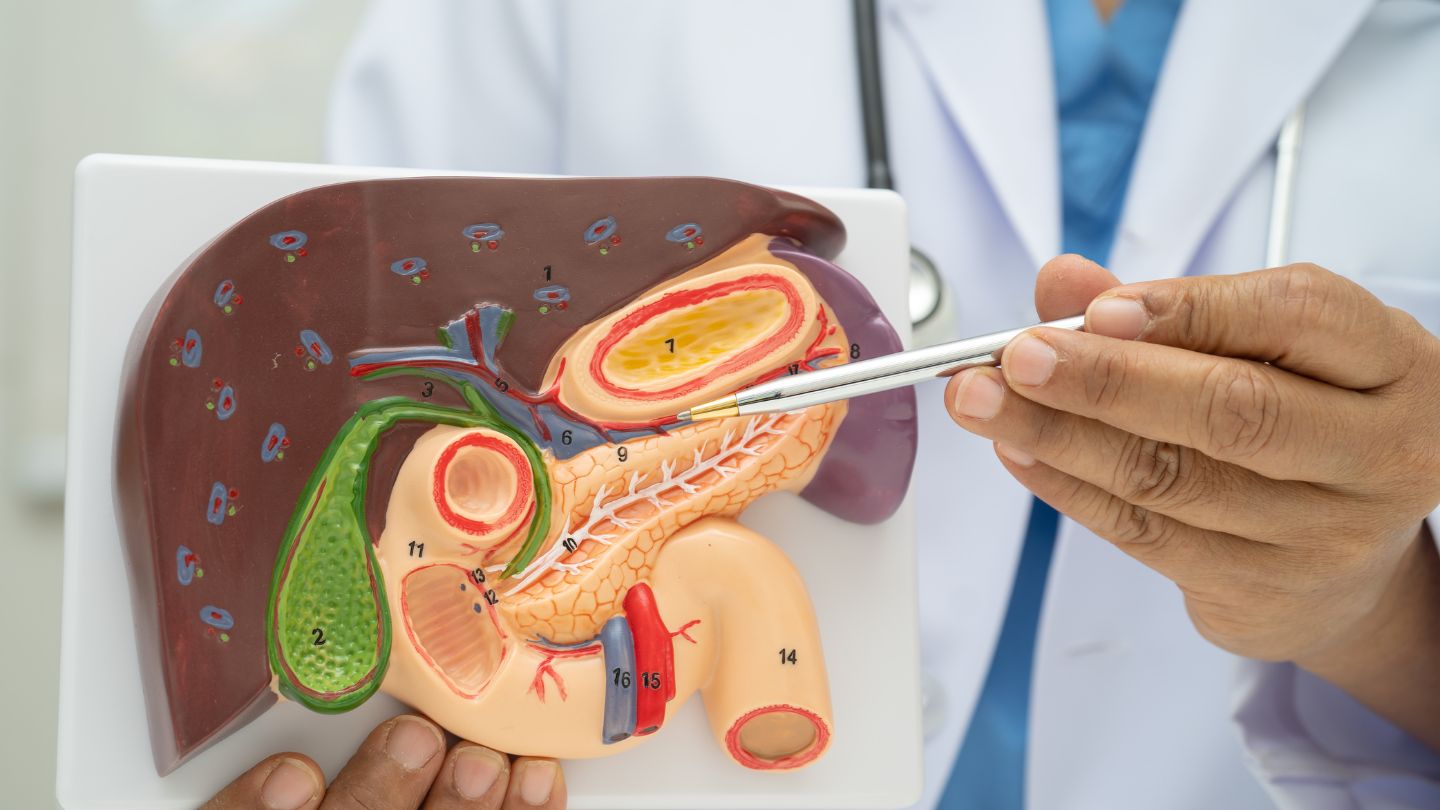
Duodenal switch surgery, also known as biliopancreatic diversion with duodenal switch, is a complex weight loss procedure designed to promote significant weight loss and enhance overall health. This surgery combines two primary techniques: Sleeve gastrectomy and intestinal bypass. During the Sleeve Gastrectomy component, approximately 80% of the stomach is removed, leaving a tube or sleeve-shaped stomach that reduces food intake. This smaller stomach helps patients feel full sooner and eat less.

The intestinal bypass portion of the surgery involves rerouting the small intestine to decrease nutrient absorption. Specifically, the middle segment of the small intestine is closed off, and the last part is connected directly to the duodenum. This bypass means that food bypasses a significant portion of the digestive tract, leading to fewer calories and nutrients being absorbed. Combining these two elements, the dual switch reduces both the volume of food consumed and the number of calories absorbed, making it a highly effective weight loss surgery.

Unlike traditional open surgery, the duodenal switch procedure is typically performed using minimally invasive techniques, which reduce recovery time and the risk of complications. Bariatric surgeons often recommend duodenal switch surgery for patients who have struggled with severe obesity and have not had success with other weight loss methods.

Understanding the mechanics of this surgery allows patients to appreciate why it stands out among other bariatric procedures.

Mechanism of Weight Loss in Duodenal Switch

Duodenal switch surgery facilitates weight loss by simultaneously reducing the amount of food one can eat and diminishing calorie absorption. By surgically removing a substantial part of the stomach, it restricts how much food can be ingested at once, resulting in decreased caloric intake. The procedure involves an intestinal bypass that drastically lowers nutrient absorption area, aiding in nutrient absorption. In losing weight, fewer calories are absorbed.

The success of duodenal switch surgery is also significantly influenced by hormonal alterations post-operation. The level of ghrelin – a hormone responsible for signaling hunger – typically drops sharply following this surgery. This decrease assists in curbing appetite and minimizes eating desires. Levels of GLP-1 tend to increase. This hormone plays a role in suppressing appetite and enhancing blood sugar regulation. Together these hormonal changes not only facilitate significant weight loss but also contribute positively to metabolic health.

When considering its ability to alter both hunger hormones and metabolic functions effectively, the duodenal switch stands out as one of the top-performing procedures among common weight loss surgeries — combining traits from both gastric sleeves and gastric bypass interventions leading to more pronounced outcomes concerning shedding excess pounds.

Individuals who opt for this type of surgical intervention Observe swift progress on their journey toward slimming down within 12 to 18 months after their operation while persisting with efforts focused on long-term maintenance conducive to continued success at losing unwanted additional body mass.

Long-Term Success Rates of Duodenal Switch

When it comes to long-term success rates, the duodenal switch surgery stands out among bariatric procedures. Studies have shown that patients typically achieve an average long-term weight loss of 70% of their excess body weight over a decade. This is a remarkable achievement, especially when compared to other weight loss surgeries. Around 90% of patients manage to lose at least 50% of their excess weight, underscoring the effectiveness of this procedure.

The initial phase after duodenal switch surgery is characterized by rapid weight loss, with patients often losing a significant portion of their excess weight within the first 12 to 18 months. On average, patients can achieve up to 80% of their excess weight loss within two years of the surgery. This rapid reduction in weight not only boosts patient morale but also leads to early improvements in obesity-related conditions.

One of the most compelling advantages of duodenal switch surgery is its ability to maintain long-term weight loss. Studies indicate that patients who undergo this surgery retain a higher percentage of their weight loss compared to those who have had other forms of bariatric surgery.

Approximately 70% of patients maintain their weight loss for ten years or longer. This sustained success is a testament to the surgery’s effectiveness and why many bariatric surgeons recommend duodenal switch surgery for individuals seeking long-term weight management solutions.

Benefits Beyond Weight Loss

Before:

The objective of duodenal switch surgery extends well beyond mere weight reduction. One key benefit is the positive effect it has on metabolic health, particularly for those suffering from type 2 diabetes. A considerable number of patients find themselves in remission from diabetes following the procedure, which often allows them to lower their use or completely stop taking their diabetes medications. This operation frequently leads to a decrease in high cholesterol and blood pressure levels, contributing to improved overall wellness.

After:

Substantial weight loss remains one prime aim of duodenal switch surgery, but its advantages stretch much wider than simply losing pounds. Notable benefits include:

  1. Enhanced metabolic health is especially beneficial for people with type 2 diabetes.
  2. Frequent remissions post-surgery allow many individuals to diminish or halt their intake of diabetes medication altogether.
  3. Marked reductions in both high cholesterol and hypertension that bolster general health.

Compared to other weight loss surgeries, the duodenal switch offers superior efficacy against various conditions associated with obesity, such as significant amelioration in sleep apnea along with additional respiratory complications prevalent among those struggling with severe obesity. The consequential improvement permits greater engagement in physical activities and mental well-being thereby enriching life quality substantially.

Such enhancement across facets of physical and psychological welfare serves as testamentary evidence that positions duodenal switch procedures as transformationally impactful interventions within patient lives dealing with excessive weight issues.

Candidate Criteria for Duodenal Switch

Candidate Criteria for Duodenal Switch

To ascertain who is an appropriate candidate for duodenal switch surgery, specific criteria must be met. Individuals with a Body Mass Index (BMI) of at least 50 or those experiencing severe conditions related to obesity are typically given priority for the procedure. Although the baseline BMI criterion usually exceeds 40, patients suffering from obesity-related health issues such as diabetes or hypertension could also qualify if their BMI stands at 35.

Before qualifying for duodenal switch surgery, candidates should have already tried and been unsuccessful in achieving weight loss through conventional means like dieting and exercising. This stipulation ensures that the procedure is seen as a last resort option after other methods fail to produce results. Thorough psychological screening forms part of the evaluation process to determine whether individuals are adequately prepared mentally to handle substantial lifestyle modifications following the operation.

The meticulous vetting protocol encompasses additional medical assessments along with expert consultations aimed at gauging overall surgical suitability. Pre-surgery preparations often include adhering to a liver-reduction diet, among other steps taken to improve patient health prior to surgery. Through this rigorous selection process, bariatric surgeons aim toward enhancing postoperative success rates and securing enduring outcomes when it comes to long-term weight management.

Read More: Best Practices for Diet After Duodenal Switch Surgery

Recovery and Follow-Up Care

Following a duodenal switch surgery, patients undergo a progressive dietary shift from liquid to solid intake. Initially consuming clear liquids, they gradually incorporate pureed and soft foods over the first-month post-operation. This gradual food reintroduction allows the digestive system to adjust properly while minimizing potential complications. In the initial three months following surgery, individuals often experience significant weight loss of about half a pound to one pound daily, providing considerable encouragement.

To avoid nutritional deficiencies that are frequently associated with duodenal switch procedures, ongoing monitoring, and supplementation are mandatory for patients. A strict adherence to prescribed vitamin and mineral supplements is imperative for sustained well-being. Regular follow-up visits are scheduled at intervals of 1 month, 3 months, and 6 months, followed by annual check-ups, ensuring close tracking of patient progress and timely intervention when necessary.

Postoperative recovery involves sufficient rest as well as abstaining from strenuous physical activities during the early weeks after surgery. Light walking is recommended in order to promote blood flow and decrease clotting risks. Depending on the level of exertion required for the job, most patients find themselves capable of returning to their professional roles within a two-week time period.

Comparisons with Other Weight Loss Surgeries

Comparisons with Other Weight Loss Surgeries

When the duodenal switch surgery is measured against other weight loss procedures, such as gastric bypass and sleeve gastrectomy, its distinctive benefits become evident. The duodenal switch results in a more substantial decrease in body mass index (BMI) over the long term than the Roux-en-Y gastric bypass, averaging an extra reduction of 6.2 BMI units. Within two years following the operation, patients can expect to shed up to 80% of their surplus weight, positioning it as one of the most effective options for surgical weight loss.

The dual approach of restriction and malabsorption employed by the duodenal switch yields more considerable weight reductions compared with either gastric bypass or sleeve gastrectomy alone. Although Roux-en-Y gastric bypass holds popularity due to its shorter duration—approximately two hours—the longer four-hour procedure of a duodenal switch is often suggested for individuals presenting with higher levels of obesity. This intricate interplay between restrictive and malabsorptive techniques underpins why this particular surgery delivers superior outcomes regarding shedding pounds.

For those who have undergone numerous surgeries without achieving their desired results from traditional methods like gastric bypass or Sleeve interventions, opting for a duodenal switch could present significant advantages, especially in terms of maintaining weight loss over time. Considering these distinctions gives people struggling with severe obesity crucial insights that assist them in determining which surgical route might offer them optimal success on their journey toward meaningful long-term health improvements through sustained excess weight reduction.

Transform Your Health with Duodenal Switch Surgery

The duodenal switch surgery remains one of the most effective solutions for sustainable long-term weight loss, offering unmatched success rates among bariatric procedures. Combining sleeve gastrectomy and intestinal bypass techniques addresses both restrictive and malabsorptive aspects, ensuring significant and lasting weight reduction. Beyond weight management, it delivers profound health benefits like remission of type 2 diabetes and improved cholesterol and blood pressure levels, enhancing overall quality of life. Its ability to provide consistent results over the years makes it the preferred choice for those battling severe obesity.

At Wellstar Comprehensive Bariatric Services, we specialize in delivering expert-led bariatric care, including duo switch surgery in Marietta. With a focus on state-of-the-art techniques and personalized attention, we are dedicated to helping you achieve your health goals. Our weight loss surgeons in East Cobb will guide you through every step of the process, ensuring your safety, comfort, and long-term success. Take the first step today by scheduling a consultation with us to experience the life-changing benefits of this transformational procedure.

FAQs About Duodenal Switch Surgery

What is duodenal switch surgery?

Duodenal switch surgery combines sleeve gastrectomy and intestinal bypass to reduce food intake and calorie absorption. It’s a bariatric procedure designed to achieve significant and long-lasting weight loss, along with metabolic health benefits.

Who is a good candidate for duodenal switch surgery?

Candidates typically have a BMI of 50 or higher or a BMI over 35 with obesity-related health issues. They should have tried other weight loss methods unsuccessfully and undergo thorough medical and psychological evaluations.

What are the long-term benefits of the procedure?

Beyond weight loss, the surgery often results in improved metabolic health, diabetes remission, lower cholesterol, and reduced hypertension. It also enhances quality of life by alleviating obesity-related conditions like sleep apnea.

How does recovery from duodenal switch surgery work?

Patients start with a liquid diet, gradually transitioning to solid foods. Recovery includes rest, light walking, and regular vitamin supplementation. Follow-up care includes scheduled check-ups to track progress and manage potential complications.

How does the duodenal switch compare to other bariatric surgeries?

It offers greater long-term weight loss and health benefits than gastric bypass or sleeve gastrectomy by combining restrictive and malabsorptive techniques. It’s particularly effective for individuals with severe obesity or previous unsuccessful surgeries.

Top Foods to Avoid with Acid Reflux and GERD for Better Digestive Health

Top Foods to Avoid with Acid Reflux and GERD for Better Digestive Health

Acid reflux and GERD can cause persistent discomfort, making daily life challenging. Managing these conditions often starts with making smarter food choices. Certain foods can trigger or worsen symptoms, while others can help keep them in check. Understanding which foods to avoid is essential for reducing discomfort and preventing flare-ups. In this blog, we’ll explore the key dietary changes that can help you take control of your symptoms. By making informed choices, you can improve your quality of life and find relief from acid reflux and GERD.

Key Takeaways

  • Identifying and avoiding high-fat foods, citrus fruits, spicy foods, carbonated beverages, chocolate, and caffeine can help manage GERD symptoms.
  • Incorporating smaller, more frequent meals and a Mediterranean diet with lean proteins and vegetables contributes to better digestive health.
  • Consult a healthcare professional if dietary changes do not alleviate symptoms, especially if experiencing severe or persistent issues.

Understanding Acid Reflux and GERD

Gastroesophageal reflux disease (GERD) is a persistent health issue that involves the frequent upward flow of stomach contents into the esophagus, often due to a malfunctioning lower esophageal sphincter (LES). This condition is commonly recognized as acid reflux and primarily stems from an ineffective LES – the muscle responsible for containing stomach acids.

Experiencing a burning discomfort in your chest or throat typically signals heartburn, which is one of the prevalent indicators of acid reflux. Reflux symptoms can also manifest as regurgitation when food or sour liquid reverses course back to your mouth, or it might result in a persistent cough. These signs associated with gastroesophageal reflux are not only distressing but may cause significant concern.

To effectively manage GERD and its accompanying discomforts, such as acid reflux, understanding how they occur is crucial. Acidic content spills out into the esophagus when there’s inadequate closure of LES—resulting in irritation and swelling. The impact of diet on these conditions cannot be overstated. Specific foods may aggravate symptoms by relaxing LES. Or increasing acid production within our stomachs. Distinguishing these trigger foods and steering clear of them plays an integral role in controlling this digestive ailment successfully.

High-Fat Foods to Avoid

High-Fat Foods to Avoid

Foods with a high-fat content rank among the top triggers for acid reflux symptoms. They have the effect of relaxing the lower esophageal sphincter (LES), which allows stomach acid to migrate into the esophagus. Such foods are known to slow down gastric emptying—the process by which your stomach empties its contents—thus increasing the chances of experiencing reflux.

Particularly challenging for individuals suffering from GERD are fried and processed items due to their excessive fat levels. While indulgence in treats like crispy fries or crunchy fried chicken may be tempting, these can significantly worsen symptoms. Likewise, full-fat dairy options, including cheese and whole milk, can aggravate conditions. Fatty meats such as bacon and sausage put additional strain on one’s digestive system.

To alleviate symptoms effectively, it is advisable to reduce total fat consumption in your diet. Opt instead for lean protein sources like poultry or turkey breast while incorporating an array of plant-based proteins into meal plans. Embracing high-fiber foods—including vegetables, whole grains, and legumes—is also beneficial in controlling acid reflux manifestations by supporting smoother digestion processes and preventing symptom flare-ups.

Citrus Fruits and Juices

Another set of foods known to aggravate acid reflux include citrus fruits and their juices. The high acidity found in oranges, grapefruits, lemons, and the respective juices can cause a relaxation effect on the lower esophageal sphincter. This relaxation enables stomach acid to make its way back up into the esophagus more easily, intensifying acid production and exacerbating reflux symptoms.

For those suffering from GERD, it’s advisable to reduce the consumption of citrus fruits and their juices as part of symptom management strategies. Instead, choosing non-citrus options such as bananas, apples, and melons might be beneficial since these are less likely to trigger irritation. These fruit alternatives allow for enjoyment without resulting in discomfort associated with acid reflux.

Spicy Foods

Many individuals with GERD experience acid reflux and its symptoms upon consuming spicy meals. This is due to the presence of capsaicin in such foods, which can provoke irritation in the esophagus lining, resulting in a burning sensation and discomfort.

To manage these symptoms effectively, it’s recommended that those suffering from GERD either limit or completely avoid spicy dishes. This does not mean food must be tasteless. Incorporating herbs and gentle spices into meals can provide flavor without exacerbating GERD symptoms, thereby helping mitigate both their severity and occurrence.

Carbonated Beverages

Fizzy drinks such as soda and sparkling water often exacerbate acid reflux because the bubbles within them can raise stomach pressure. This surge in pressure forces stomach acid up into the throat, causing unease for those with GERD.

To better control symptoms of acid reflux, steering clear of carbonated beverages is advisable. Instead, choosing flat water, herbal teas, or juices from non-citrus fruits provides more suitable drink options that are less likely to provoke reflux symptoms.

Chocolate

Chocolate is often a beloved indulgence, yet for individuals suffering from GERD, it can be problematic. The presence of methylxanthine in chocolate might cause the lower esophageal sphincter to relax, thereby permitting stomach acid to re-enter the esophagus more freely. Such relaxation may result in an escalation of reflux symptoms.

Consequently, since chocolate has the capability to provoke these discomforts, it’s deemed inappropriate for those managing GERD. Those with a penchant for sweets might want to explore other options, such as fruit or yogurt, that can fulfill their desires without leading to acid reflux-related unease.

Caffeine and Alcohol

Coffee, tea, and numerous sodas contain caffeine, which has the potential to weaken the lower esophageal sphincter. This can heighten the risk of experiencing acid reflux. Similarly, alcohol—especially beer and wine—does not just cause relaxation of the LES. It also boosts gastric acid production, thereby increasing the chances of reflux.

For those looking to control their GERD symptoms successfully, it is advisable to minimize or steer clear of beverages containing caffeine as well as alcoholic drinks. Instead, consider choosing herbal teas without caffeine or simply drinking water.

Onions and Garlic

Many dishes are flavored with onions and garlic, yet these ingredients may trigger heartburn symptoms among individuals suffering from GERD. They have the propensity to loosen the lower esophageal sphincter, which increases the risk of experiencing acid reflux. The occurrence of more intense heartburn is particularly noticeable when consuming raw onions and garlic as opposed to their cooked counterparts.

To mitigate heartburn while retaining a semblance of flavor in your cooking, consider substituting milder options, such as chives, for onions and garlic. This can offer a culinary adjustment that aids in controlling your symptoms more successfully.

Read More: Improving Heart Health: Addressing Heart Disease And Obesity

Tomato-Based Products

Tomato-Based Products

Consuming tomatoes and related items, including sauces and ketchup, which contain high levels of acid, might intensify the symptoms associated with GERD. This is due to their acidic nature having the potential to weaken the lower esophageal sphincter, thereby permitting stomach acid to seep into the esophagus. Consequently, this can elevate reflux symptoms and cause Unease.

To mitigate GERD-related discomforts, specialists suggest curtailing the consumption of tomato-based products. As an alternative strategy for those dealing with such symptoms, consider adopting less acidic substitutes or simply decreasing the quantity of tomato-containing ingredients in your dishes.

Mint and Peppermint

Mint, especially peppermint, can relax the lower esophageal sphincter, potentially worsening acid reflux symptoms. Consuming mint-flavored products may lead to increased occurrences of heartburn and indigestion.

To manage GERD symptoms, avoid mint-flavored products. Opt for other herbs and spices that do not relax the LES.

Best Practices for Managing GERD Through Diet

Best Practices for Managing GERD Through Diet

Managing GERD through diet involves more than avoiding trigger foods. Eating smaller, more frequent meals can help manage symptoms. Incorporate vegetables like beans and leafy greens into your diet to promote digestive health.

A food diary can help identify personal trigger foods and aid in avoiding them. Avoiding tight-fitting clothing reduces pressure on the abdomen, alleviating symptoms. Adopting a predominantly Mediterranean diet, rich in vegetables, fruits, and lean proteins, can also be beneficial.

When to Consult a Doctor

If you’re dealing with GERD symptoms, making alterations to your diet can offer considerable relief. If these adjustments and non-prescription medicines don’t alleviate heartburn, it’s crucial to seek medical guidance. If frequent heartburn is accompanied by troubling signs such as trouble swallowing, ongoing nausea or vomiting, or unexplained weight loss, professional healthcare advice should be sought.

Ignoring GERD without treatment might result in severe health issues like esophagitis and Barrett’s esophagus. Habitual excessive alcohol consumption could exacerbate your symptoms and lead to damage to the lining of your esophagus. It’s important to consult a doctor for persistent or escalating GERD-related discomfort.

Taking Control of Your Digestive Health

Managing acid reflux and GERD starts with mindful dietary choices. By recognizing and avoiding trigger foods, you can significantly reduce symptoms and improve your quality of life. Small, consistent changes to your diet can make a big difference.

At Wellstar Comprehensive Bariatric Services, we specialize in providing effective GERD treatment in Marietta, Smryna, Cobb, Austell, LaGrange, and West, GA. Our weight loss surgeons in East Cobb will guide you through every step of the process, ensuring your safety, comfort, and long-term success. Take the first step toward relief and reclaim your comfort with our support by scheduling a consultation today.

Frequently Asked Questions

What are some common symptoms of acid reflux and GERD?

Common symptoms of acid reflux and GERD include heartburn, regurgitation, and a chronic cough. If you experience these symptoms regularly, it’s important to consult a healthcare professional for proper evaluation and management.

Why should I avoid high-fat foods if I have GERD?

It is essential to steer clear of high-fat foods when dealing with GERD because these can weaken the lower esophageal sphincter and decelerate the process of gastric emptying, thereby intensifying reflux symptoms.

Are there any fruits I can eat if I have GERD?

You can safely enjoy non-citrus fruits such as bananas, apples, and melons if you have GERD. These fruits are less likely to trigger symptoms.

How can I identify my personal trigger foods?

To identify your personal trigger foods, keep a food diary to track your meals and symptoms, which will help you spot any patterns. By analyzing this information, you can pinpoint the specific foods that cause issues for you.

When should I consult a doctor for my GERD symptoms?

You should consult a doctor for your GERD symptoms if lifestyle changes and over-the-counter medications are ineffective or if you encounter severe issues such as difficulty swallowing or unexplained weight loss.

Top Questions to Ask Your Weight Loss Surgeon Before Surgery

Top Questions to Ask Your Weight Loss Surgeon Before Surgery

Weight loss surgery is a significant step toward improving your health and quality of life, especially for those facing serious health issues such as obesity-related diabetes, high blood pressure, and obstructive sleep apnea. Taking the time to understand the process and what to expect is essential for a successful journey. Choosing the right surgeon and procedure can make all the difference, ensuring you feel supported every step of the way. From understanding the qualifications of your surgeon to knowing how to prepare and recover, being informed empowers you to make the best decisions for your health. This blog will guide you through the key topics, including procedure options, preparation steps, and post-surgery expectations.

Key Takeaways

  • Understanding various bariatric surgery options, such as Laparoscopic Sleeve Gastrectomy and Roux-en-Y Gastric Bypass, is essential for selecting the appropriate treatment tailored to individual needs.
  • Assessing the surgeon’s qualifications, including board certifications, experience, and professional affiliations, is crucial for ensuring optimal surgical outcomes and minimizing risks.
  • Comprehensive preparation for surgery, which includes medical evaluations, lifestyle changes, and psychological readiness, is vital for achieving successful surgery and long-term weight management.

Understanding Your Weight Loss Surgery Options

Embarking on a substantial weight loss journey frequently entails exploring different bariatric surgery alternatives. Wellstar’s bariatric program is dedicated to tackling obesity-related health problems and metabolic complications by offering several surgical interventions designed for significant weight reduction and sustained management of body weight. This tailored approach extends from the first consultation through to ongoing post-surgery support, ensuring patients receive the necessary assistance in reaching their desired outcomes.

During an initial consultation, procedures such as Laparoscopic Sleeve Gastrectomy, Roux-en-Y Gastric Bypass, and Duodenal Switch/SADI are considered to ascertain which surgical method best suits your individual situation for effective treatment. Gastric bypass surgery, in particular, has been transformative for many, leading to significant weight loss, improved health, and a better quality of life.

Laparoscopic Sleeve Gastrectomy

A Laparoscopic Sleeve Gastrectomy is a type of minimally invasive bariatric surgery designed to assist with significant weight reduction. By excising part of the stomach that generates hunger-inducing hormones, this procedure not only diminishes the size of the stomach but also curtails appetite, making it an effective method for losing weight.

Due to its ability to restrict how much food one can consume and lower feelings of hunger, this surgery has become a favored option for individuals seeking substantial weight loss as they work towards a healthier future.

Roux-en-Y Gastric Bypass

The Roux-en-Y Gastric Bypass is a significant surgical intervention designed for weight loss, employing both restrictive and malabsorptive methods to aid patients in shedding excess pounds. By fashioning a diminutive pouch within the stomach, this surgery restricts food consumption while concurrently modifying the digestive system to diminish caloric uptake.

Undergoing gastric bypass can profoundly improve health and elevate life quality for those who face potential diabetes complications, chronic disease, or other severe health challenges, thus becoming an essential procedure for numerous individuals.

Duodenal Switch/SADI

The Duodenal Switch, often referred to as SADI, represents an extensive form of bariatric surgery that incorporates elements of both restriction and malabsorption in order to achieve substantial weight loss. This surgery is designed not only to reduce the amount of food patients can consume but also to modify the digestive process itself, thereby providing considerable metabolic advantages. It is especially appropriate for individuals with severe obesity or those who have health conditions associated with their obesity, such as high blood pressure.

For patients who have faced difficulties shedding excess weight using alternative strategies, the Duodenal Switch/SADI stands out as a hopeful option in their journey toward better health.

Assessing Your Surgeon’s Qualifications

Assessing Your Surgeon’s Qualifications

Choosing an appropriate surgeon is essential for achieving success in weight loss surgery. To guarantee the best possible results and to reduce potential complications, it’s vital to evaluate your surgeon’s credentials. Critical aspects include their board certifications, track record with bariatric surgeries, and memberships in professional organizations.

Such criteria provide a glimpse into the level of proficiency and dedication that the surgeon has toward delivering high-quality care.

Board Certifications and Training

Possessing board certifications and undergoing specialized training are crucial markers of a surgeon’s proficiency in executing bariatric surgery. For example, when a surgeon is certified by the American Board of Surgery, it confirms they have achieved stringent educational and practice criteria.

Such additional specialization in bariatrics boosts their expertise and comprehension, preparing them more thoroughly to manage the intricate procedures involved with weight loss surgery.

Experience with Bariatric Procedures

The success of your journey towards weight loss can be greatly influenced by the surgeon’s level of experience with various bariatric operations. It is essential to ask about the number of surgeries they have conducted and their skill set across diverse methods.

Better outcomes for patients are associated with surgeons who have performed a greater number of procedures, indicating their proficiency and capability in the field.

Professional Affiliations

Membership in respected surgical associations, such as the American College of Surgeons or the American Society of Metabolic & Bariatric Surgeons, bolsters a surgeon’s reputation and demonstrates their dedication to ongoing education and delivering high-quality care. Such affiliations signal that a surgeon is committed to maintaining current cutting-edge developments and conforming to established industry benchmarks.

Pre-Surgery Preparation

Pre-Surgery Preparation

For a successful outcome in weight loss surgery, meticulous preparation is essential. This involves detailed preoperative assessments, adjustments to one’s lifestyle habits, and ensuring mental preparedness. These components play a critical role in facilitating an uncomplicated surgical experience and the best possible recuperation.

Subsequent sections provide an elaboration on the particular preparations required for your upcoming surgery.

Medical Evaluations

Patients must complete necessary medical evaluations to ensure overall health and fitness before undergoing weight loss surgery. These assessments usually include bloodwork, a complete blood count, a metabolic panel, and evaluations for cardiac conditions and sleep apnea.

Additional assessments like endoscopies or sleep apnea tests may be required based on individual health conditions.

Lifestyle Changes

To ensure a positive result following weight loss surgery, it’s imperative to make substantial changes in one’s lifestyle. Ceasing to smoke well in advance of the operation significantly reduces health hazards related to the surgical process.

For both preparing for surgery and achieving enduring success with weight loss, it is vital to embrace nutritious dietary practices, including meal planning, participate consistently in exercise, and maintain proper hydration levels.

Psychological Readiness

Being mentally prepared is crucial for preparation before surgery, as it greatly impacts both the result of the operation and the recuperation period. Conducting a comprehensive psychological assessment is important to uncover any hidden mental health conditions that should be managed prior to undergoing surgery.

Having access to support structures such as therapy or counseling can offer essential advice and motivation, which assists in upholding dedication throughout the weight loss journey.

Read More: Top 5 Steps to Prepare for Weight Loss Surgery

Post-Surgery Expectations

Understanding the postoperative journey following weight loss surgery is essential for seamless recuperation and sustained success. Individuals undergoing this procedure typically undergo considerable changes, both physically and emotionally, which necessitate a period of acclimatization.

Subsequent sections provide comprehensive information on what to anticipate during the recovery process, modifications in diet that must be undertaken, and the critical role that physical activity plays after undergoing surgery.

Recovery Timeline

Following weight loss surgery, patients typically undergo a healing and rest period that spans roughly 1 to 2 weeks. They often remain in the hospital for one to two days post-surgery and are likely to resume work within two to four weeks, contingent upon their overall health and the specific type of weight loss procedure they have undergone.

Dietary Adjustments

Making changes to one’s diet after surgery is essential for a successful recuperation and maintaining a healthy weight. Initially, patients commence with a liquid diet and then gradually move on to soft foods before incorporating solid foods over the course of several weeks.

Adhering to these dietary stages is vital for adequate healing and helps prevent any postoperative complications.

Physical Activity

Engaging in physical activity post-surgery is crucial for comprehensive healing, maintaining muscle mass, and sustained success in weight loss. Typically, patients initiate mild exercises soon after their operation and may resume their usual activities between four to six weeks, contingent upon the pace of their recovery. Consistent exercise not only bolsters physical health but also elevates metabolism and promotes general well-being.

Read More: Exercise and Fitness After Bariatric Surgery

Support System and Resources

Maintaining weight loss over the long term is significantly influenced by a strong network of support and team effort. The bariatric program at Wellstar focuses on providing individualized attention and sustained backing to assist patients in achieving their weight reduction objectives.

The subsequent sections delve into various forms of support that are accessible, encompassing assistance from family members and friends, participation in support groups, and advice from professionals.

Family and Friends

During an individual’s weight loss journey, the involvement of family and friends is paramount. These supporters are instrumental in boosting both motivation and accountability, which are essential for maintaining healthy dietary practices and ensuring regular physical activity. Acting as exercise companions or providing emotional reinforcement can profoundly influence the successful outcome of their efforts to lose weight.

Support Groups

Participation in support groups during a weight loss journey enhances the feeling of belonging and community, as it increases both motivation and responsibility through collective experiences. Engaging with these groups enables individuals to exchange tales of their successes and difficulties, promoting encouragement and camaraderie due to the collaborative nature of the endeavor.

During their time at Wellstar, patients frequently recount individual narratives that highlight the assistance they have encountered throughout their quest to lose weight.

Professional Guidance

Receiving expert guidance from dietitians and psychological assistance from psychologists is essential for providing personalized advice and emotional support during an individual’s weight loss journey. Such professional access guarantees that patients are equipped with specialized counsel pertinent to their dietary requirements and mental health.

Engagement in support groups focused on weight loss can heighten a sense of responsibility and enhance one’s emotional state, both of which are vital for maintaining long-term control over one’s weight.

Financial Considerations

Financial considerations are a significant part of the weight loss surgery journey. Understanding the costs, insurance coverage, and available payment plans is essential for planning and budgeting.

The following subsections detail insurance coverage, payment plans, and a cost breakdown to help navigate the financial aspects of bariatric surgery.

Insurance Coverage

It’s essential to grasp the particulars of your insurance plan in order to ascertain which components of bariatric surgery are financially covered and how to steer through the authorization procedure. Insurance companies typically demand verification that the surgery is a medical necessity and may request evidence of involvement in a supervised weight loss program prior to giving their approval.

To ensure smooth sailing through the insurance process, one must compile all relevant documentation, such as health records and proof of engagement in weight-loss programs. This step is crucial for securing coverage and successfully obtaining approval for bariatric surgery.

Payment Plans

Numerous centers that perform bariatric surgery provide various financing solutions, such as payment plans, to alleviate the financial strain of the procedure. For patients pursuing weight loss through surgery, these healthcare providers offer medical loans and installment plans that make handling expenses more feasible.

Especially advantageous for individuals without insurance coverage is the ability to spread out payments over a longer duration. These options facilitate access to weight loss procedures for those who might otherwise be unable to afford them upfront.

Read more: The Financial Benefits of Losing Weight

Scheduling and Logistics

It is imperative to meticulously plan and arrange the logistics for a seamless surgical experience. Aligning your availability with that of your surgeon to determine an appropriate date for the surgery is fundamental. Continual check-ups are mandatory for ongoing supervision throughout one’s lifetime after undergoing bariatric surgery, as they play a critical role in the triumph of your weight loss endeavor.

Subsequent sections provide detailed guidance on preparing for the day of surgery, scheduling post-operative appointments, and organizing transportation needs.

Surgery Day Preparation

Preparing for surgery day involves following any dietary restrictions or medications as directed by your surgeon. Ensure you arrange reliable transportation to and from the hospital, and bring your insurance card and identification.

Packing comfortable clothing and personal items for your hospital stay can make the experience more comfortable.

Post-Surgery Follow-Up Appointments

It is essential to keep up with scheduled post-surgery follow-up visits in order to track the healing process and make any needed changes to diet or lifestyle. This helps guarantee proper recovery and quick intervention if there are any issues.

Continual check-ins also facilitate modifications to your care strategy after surgery, which aids in achieving long-term success.

Transportation and Care Arrangements

It is vital for patients to secure dependable transport and ensure they have a caregiver on hand to aid with the early stages of recuperation post-surgery. The presence of a reliable friend or family member who can provide assistance with both transportation and caregiving tasks can facilitate a safe and seamless healing process.

In the period immediately following the surgical procedure, this support becomes particularly critical as patients are not able to operate vehicles themselves.

Success Stories and Testimonials

Patient success stories and testimonials offer a meaningful perspective on the powerful effects of weight loss surgery. The personal accounts reveal diverse experiences and obstacles encountered by patients during their quests to lose weight, highlighting patient triumphs.

Subsequent sections will delve into narratives from patients, visual transformations through before-and-after photos, and wisdom gained throughout their journeys. This information serves as an essential source of inspiration and support for those contemplating undergoing weight loss surgery.

Patient Experiences

Testimonials from patients illustrate the profound impact of weight loss surgery, as seen in the case where a patient shed more than 100 pounds within a year following their procedure, markedly enhancing their life quality.

The narratives underscore that receiving emotional backing from family and friends is vital for patients during their recuperation path, aiding them in surmounting various hurdles related to weight gain. In effect, numerous individuals report experiencing increased self-assurance and taking control of their lives with revitalized vigor after embracing healthier habits subsequent to surgery.

Before and After Photos

Images that show the transformation before and after weight loss surgery play a vital role in comprehending the weight loss journey. They offer tangible proof of advancement, fostering motivation and optimism throughout the transformative process.

Individuals often recount their triumphant experiences with weight loss, underscoring how visual documentation of their progress enhances their confidence and encourages others to embark on a similar path to shed pounds.

Lessons Learned

Patients who have undergone weight loss surgery often share their success stories, highlighting the substantial improvements in health and the betterment of their quality of life. These narratives demonstrate that each patient’s path to shedding weight is distinct and characterized by a variety of personal triumphs and obstacles encountered during their transformative journey.

Publicizing these accounts, along with visual evidence of progress, can inspire those contemplating weight loss surgery by reinforcing the notion that profound change is achievable.

Taking the Next Step on Your Weight Loss Journey

Deciding to pursue weight loss surgery is a life-changing commitment that requires careful consideration and thorough preparation. You can ask the right questions and choose a qualified weight loss surgeon in Marietta, Smryna, Austell, Cobb, LaGrange, or West GA to ensure you are on a path to successful outcomes and better health. With the right information, support, and mindset, you can take control of your weight loss goals confidently.

At Wellstar Comprehensive Bariatric Services, we are here to guide you every step of the way. From your first consultation through personalized treatment plans and ongoing postoperative care, we are committed to helping you achieve sustainable results. Contact us and take the next step toward a healthier future with a compassionate team dedicated to your success.

Frequently Asked Questions

What types of weight loss surgeries are available?

Common options include Laparoscopic Sleeve Gastrectomy, Roux-en-Y Gastric Bypass, and Duodenal Switch. The right choice depends on your health, weight loss goals, and a consultation with a bariatric surgeon.

What qualifications should a weight loss surgeon have?

Look for board certifications, significant bariatric experience, and professional memberships. These demonstrate expertise, commitment to quality care, and up-to-date knowledge of best practices in weight loss surgical procedures.

How do I prepare for weight loss surgery?

Preparation includes medical evaluations, lifestyle changes like quitting smoking, and psychological readiness. Focus on healthier habits and ensure you have emotional and professional support to enhance both your pre- and post-surgery success.

What happens after weight loss surgery?

Recovery takes a few weeks. You’ll follow a diet progression from liquids to solids and gradually resume activity. Regular follow-ups with your healthcare team ensure proper healing, dietary changes, and long-term weight management.

Best Duodenal Switch Post-Op Diet Guidelines for Optimal Recovery

Best Duodenal Switch Post-Op Diet Guidelines for Optimal Recovery

Did you just have a duodenal switch? You need clear, actionable diet guidelines, specifically the “duodenal switch post-op diet guidelines,” to ensure proper healing. This guide will walk you through what to eat at each stage of your recovery—from clear liquids to solid foods. You’ll find practical tips to stay hydrated, avoid complications, and make your recovery smoother.

Key Takeaways

  • The immediate post-surgery diet consists of a seven-day clear liquid regimen, essential for hydration and minimizing complications.
  • Progression from clear liquids to pureed foods and soft foods should be approached gradually, with an emphasis on proper portion sizes and chewing habits to prevent digestive issues.
  • Long-term dietary habits post-surgery should prioritize high-protein foods and adequate hydration while avoiding high-sugar and high-fat items to maintain digestive health and prevent complications.

Immediate Post-Surgery Diet

The initial stage of recovery following a duodenal switch operation involves adhering to a post-surgery diet that aids in proper healing and lessens the risk of complications. During this phase, patients must maintain hydration and support their recovery through a clear, liquid diet that excludes any sugary substances.

It is crucial for patients to stay hydrated by consuming non-caloric fluids. They should drink them slowly throughout the day, aiming for 48-64 ounces each day. To facilitate healing and decrease the likelihood of post-operative issues, it’s recommended that patients consume six to eight small meals consisting solely of clear liquids daily.

Clear Liquid Diet

Following a duodenal switch surgery, individuals are advised to adhere to a clear liquid diet for an initial period of seven days as part of the healing process. During this time, it is essential that patients maintain hydration by consuming 48-64 ounces of clear liquids daily. To avoid discomfort, they should take minimal sips and gradually increase their intake based on personal tolerance.

Acceptable liquids include broth, unsweetened electrolyte beverages, herbal teas, and sugar-free gelatin. Patients must strictly avoid any liquids containing solids, carbonation, or high sugar content, as these can cause bloating or digestive distress.

During this phase, six to eight small servings of clear liquids should be frequent throughout the day. Sticking to this schedule helps reduce post-operative complications while promoting steady healing. This foundational phase allows for a smoother transition to subsequent dietary stages.

Transition to Full Liquids

Following the initial phase of consuming clear liquids, individuals move on to a diet comprised of fuller, thicker liquids. This stage incorporates more substantial fluids, such as protein shakes, that assist in conditioning the digestive system for handling increasingly sophisticated forms of nourishment. The starting portion size is recommended at one tablespoon and may be escalated to two tablespoons contingent upon individual tolerance levels. During this period, it’s important to steer clear of heavy and creamy substances like gravies and sauces.

This progression toward full liquid intake is critical in preparing the organism for an eventual introduction to a broader spectrum and wider varieties of foods during subsequent stages of recovery. Should any new dense liquids introduce sensations like nausea or induce physical discomfort, their ingestion should promptly be discontinued.

Progression to Pureed Foods

Bowl Of Creamy Broccoli Soup

After two weeks following their surgery, patients may begin to incorporate foods that have been pureed into their meals. From the second to the fourth week after surgery, there is an emphasis on adding both pureed and soft foods to their diet, with attention paid to sustaining adequate nutrition and recognizing any intolerances to certain foods.

Starting Pureed Foods

During the stage where pureed foods are advised, it is recommended to consume items such as low-fat cottage cheese and vegetables that have been pureed. Should lactose intolerance develop post-surgery, patients should opt for non-fat alternatives to dairy products. It’s important at this time to steer clear of any breads or meats that do not break down easily when chewed. Introducing each food individually can assist in pinpointing any allergies or intolerances.

It is beneficial for patients to eat a minimum of six small meals throughout the day in order to aid their recovery and sustain energy levels. Beginning with modest amounts and incrementally increasing them as they become more tolerable will facilitate an easier transition toward incorporating a wider array of foods into the diet.

Maintaining Pureed Consistency

Foods that have been pureed must attain a texture that is akin to either a thick fluid or a smooth paste without any chunks of solid material within. When sampling new foods for the first time, it’s crucial to consume very tiny portions and thoroughly chew each bite. As for solid food intake, servings should be kept to 1/4 cup increments. When drinking liquids, amounts may extend up to 1/2 cup.

Each sitting for eating should span approximately half an hour. Adhering to no more than two bites every twenty minutes is advisable while exploring new edibles. Adhering strictly to this methodical pace assists in recognizing potential dietary sensitivities and promotes an easier progression toward subsequent nutritional stages.

Soft Foods Introduction

Fresh Fruits And Vegetables

Patients may begin to eat soft foods after they have spent several weeks on a diet of pureed foods, provided they have received the go-ahead from their healthcare provider.

The transition to solid foods post-surgery can take anywhere between one and two months as the body adapts. The time required for this adjustment differs among individuals.

Introducing Soft Solids

Introducing soft solids into the diet can be done effectively by opting for gentle options such as scrambled eggs and ripe fresh fruit. It’s advisable to keep portions of soft foods within a one-third to one-half cup range per meal. When eating these soft foods, it is crucial to begin with small morsels and ensure they are chewed well to aid in digestion.

The preparation of soft foods demands that they be made into small, tender pieces that can be chewed with ease. This meticulous approach serves to reduce any potential difficulties or complications related to digestion.

Chewing and Eating Habits

To avert digestive issues and promote a more seamless recovery following duodenal switch surgery, it’s crucial to meticulously masticate your food. It is advisable to chew soft foods until they attain a texture similar to that of applesauce, which aids in the digestion process.

The pace at which you eat is equally important because eating slowly can greatly diminish the likelihood of experiencing nausea or vomiting after the procedure. Ingestion of meals too hastily or in large quantities may induce discomfort or nausea while digesting. Hence, taking small bites and thoroughly chewing them is essential.

It’s beneficial to refrain from reclining for approximately 30-60 minutes following eating, as this practice can help circumvent feelings of nausea.

Long-Term Eating Habits

Variety of Salads In White Bowls

It is crucial to develop new eating habits that focus on high-protein foods and proper hydration for lasting health benefits and effective weight control after surgery. The main goal of a post-bariatric surgery diet is to support healing and help patients adopt these new dietary practices.

High Protein Foods

Protein is the most important nutrient for duodenal switch patients, and it is crucial for recovery and maintaining muscle mass post-surgery. A daily intake of 90-120 grams of protein is typically recommended for optimal healing. This can be achieved through high-protein foods such as:

  • Eggs
  • Meats (lean poultry, fish, seafood)
  • Dairy products (yogurt, cottage cheese, low-fat cheese)
  • Plant-based alternatives (tofu, soy milk, legumes)

To meet daily protein goals, each meal should consist of at least three ounces of protein-rich foods. Patients may also incorporate protein shakes or supplements that contain more than 20 grams of protein per serving if needed. Healthcare providers can guide patients in selecting the best options based on individual nutritional needs.

Foods to Avoid

Patients should steer clear of high-calorie foods that trigger negative reactions. Avoiding high-sugar foods can significantly lessen the risk of dumping syndrome after surgery. Keeping fat content under 10 grams per serving is crucial to prevent dumping syndrome.

Fatty and sugary foods can exacerbate diarrhea symptoms following a duodenal switch procedure. Diarrhea may occur due to fatty acids passing into the colon post-surgery. Avoid specific foods to maintain optimal digestive health.

Hydration and Fluid Intake

It is essential to maintain a daily fluid intake of 1 to 1.5 liters during the first two weeks following surgery. Prioritizing calorie-free beverages will assist in keeping hydrated after the operation.

To avoid any discomfort, one should refrain from consuming liquids for a period of 30 minutes before and after eating meals. Adhering to this regimen ensures that hydration levels are managed without disrupting digestion.

Nutritional Supplements

Vitamin and mineral supplements are critical to take daily after duodenal switch surgery to prevent nutrient deficiencies.

The necessary supplements include:

  • Daily multivitamins
  • Calcium Citrate
  • Vitamin D
  • Additional nutrients like B12 and iron

These are essential for duodenal switch patients.

Daily Multivitamin

Comprehensive multivitamins are critical for addressing deficiencies post-surgery. Patients should start taking multivitamins two weeks post-op.

During the first three months post-surgery, take two chewable multivitamin tablets daily, then switch to one tablet daily for life.

Calcium and Vitamin D

Following duodenal switch surgery, individuals should consume between 1,800 and 2,400 mg of calcium per day. Calcium citrate is the recommended type of calcium for those who have undergone a duodenal switch procedure. To satisfy the needs after surgery, daily Vitamin D3 supplementation should be approximately 3,000 IU.

It’s important to combine vitamin D with your intake of calcium supplements in order to improve absorption. Both calcium and vitamin D play critical roles as essential supplements vital for preserving bone health post-duodenal switch.

Additional Supplements

After undergoing a duodenal switch surgery, it is advised to consume 500 mg of vitamin B12 every day. For the best absorption, this vitamin can be taken sublingually or delivered via injections.

Ensuring adequate intake of Vitamin B12 is crucial for maintaining good health following a duodenal switch procedure, as it helps in avoiding potential deficiencies.

Managing Common Post-Surgery Issues

Managing common post-surgery issues is crucial for a smooth recovery process. Many patients experience nausea and vomiting after surgery; effective strategies to avoid dumping syndrome include reducing sugar and fat intake and eating slowly.

Dumping Syndrome Prevention

To prevent dumping syndrome, patients who have undergone a duodenal switch should stick to their prescribed diet, which limits high-sugar foods. It is also essential for these individuals to eat at a slow pace and be mindful of serving sizes in order to avoid the onset of this condition.

Handling Nausea and Vomiting

Persistent vomiting after surgery may indicate strain on the newly formed stomach, leading to inflammation or irritation along the staple line. If vomiting occurs, it is advised to immediately switch back to a clear liquid diet to prevent further discomfort. Patients should prioritize slow sips of clear, sugar-free fluids and consult their healthcare provider if symptoms persist.

Frequent nausea may be a sign of food intolerance or eating too quickly. Patients should eat in a relaxed setting, chew thoroughly, and avoid drinking fluids with meals. If nausea does not subside, healthcare professionals can provide medications or dietary modifications to help manage symptoms.

Diarrhea Management

Following duodenal switch surgery, some patients may experience diarrhea due to the passage of unabsorbed fats into the colon. This reaction can be triggered by:

  • Excessive dietary fat intake
  • Sugar alcohols (such as sorbitol or maltitol)
  • Lactose intolerance

To minimize these symptoms, it is recommended that patients follow a structured meal plan emphasizing lean proteins and fiber-rich vegetables. Healthcare providers may also suggest probiotic supplements, which support gut health and digestion. Patients should consult their dietitian or surgeon to determine the best probiotic options and any additional dietary adjustments needed.

Alcohol and Weight Loss Surgery

Patients should be cautious and moderate with their alcohol consumption following weight loss surgery, as it is absorbed more quickly into the system. It’s advisable to eat before consuming alcohol, steer clear of mixers high in sugar, and remain aware of the potential for hypoglycemia.

Read More: How Alcohol Affects Your Weight Loss

Alcohol Absorption Changes

After duodenal switch surgery, alcohol is absorbed more rapidly and can lead to higher blood alcohol levels than before surgery. This occurs because the body produces less of the enzyme responsible for breaking down alcohol, causing individuals to feel intoxicated after consuming even small amounts.

Additionally, bariatric surgery alters how alcohol passes through the digestive system, potentially increasing the risk of hypoglycemia (low blood sugar). Patients should approach alcohol consumption cautiously and discuss safe drinking habits with their healthcare team to avoid potential complications.

Safe Drinking Practices

Patients should be mindful of the increased effects of alcohol post-surgery. To minimize risks:

  • Eat a protein-rich meal before consuming alcohol
  • Avoid sugary mixers to prevent blood sugar spikes
  • Drink slowly and monitor alcohol tolerance
  • Be aware of hypoglycemia symptoms, such as dizziness or fatigue

For those who choose to consume alcohol after surgery, it is essential to do so under medical guidance to ensure safety and prevent adverse effects.

Conclusion

At Wellstar Comprehensive Bariatric Services, our experienced weight loss surgeon in East Cobb, Cobb County, Marietta, or Austell offers comprehensive support throughout your weight loss journey.  From pre-surgery consultations to post-operative care, we focus on personalized treatment plans to ensure successful long-term weight management.

At Wellstar Comprehensive Bariatric Services, we are proud to provide gallbladder surgery in Cobb County, including Marietta, Smyrna, Austell, LaGrange, and West GA, as one of our specialized offerings. Our dedicated team of bariatric specialists, dietitians, and surgeons is committed to providing the necessary resources for ongoing support and a healthy, sustainable lifestyle after surgery. Ready to transform your health? Contact us today!

Frequently Asked Questions

1. How can I tell if I’m eating too fast after surgery?

Eating too quickly can cause discomfort, nausea, or vomiting. Signs include feeling overly full after just a few bites, stomach cramping, or a tight sensation in the chest. To avoid this, take small bites, chew thoroughly, and wait at least 30 seconds between each bite.

2. What should I do if I don’t feel hungry but need to meet my protein goals?

Lack of hunger is common after surgery. Try consuming small, protein-rich meals every few hours rather than waiting for hunger cues. Liquid protein supplements or soft, high-protein foods can help meet daily protein needs without causing discomfort.

3. How long does it take to adjust to a normal eating routine after a duodenal switch?

It varies by individual, but most patients transition to a more regular diet within two to three months post-surgery. However, portion sizes, food choices, and eating habits must remain permanently adjusted to ensure long-term success.

Everything You Need to Know About Hunger Gastric Bypass Recovery

Everything You Need to Know About Hunger Gastric Bypass Recovery

Gastric bypass surgery changes how your body experiences hunger, which is crucial for achieving and maintaining weight loss. This blog will explore everything you need to know about hunger after gastric bypass surgery, including how hunger signals change, the role of hunger hormones, and effective strategies for managing both physical and psychological hunger post-surgery.

Key Takeaways

  • Gastric bypass surgery alters hunger signals, leading to a sensation of constant hunger despite a smaller stomach, necessitating effective management strategies.
  • Hormonal changes post-surgery, particularly reduced ghrelin and increased GLP-1 and PYY, influence appetite and satiety, making understanding these changes essential for weight management.
  • Effective hunger management involves sufficient protein intake, staying hydrated to differentiate between thirst and hunger, and adopting healthy eating habits while addressing psychological factors triggering ‘head hunger’.

Understanding Hunger After Gastric Bypass

Gastric bypass surgery fundamentally alters your digestive system by creating a smaller stomach pouch and rerouting the small intestine, which significantly impacts how your body processes hunger and fullness. While this weight loss surgery helps patients reduce their food intake, it does not eliminate the sensation of hunger altogether. Instead, it modifies the way hunger signals are sent to the brain.

After surgery, many patients experience changes in hunger patterns. While some may feel reduced hunger due to hormonal shifts, others might notice increased hunger sensations due to metabolic adjustments or lifestyle factors. Understanding the difference between true stomach hunger—which is a physiological need for food—and psychological cravings, often triggered by habits, emotions, or external cues, is essential for long-term success.

Additionally, post-surgery dietary changes play a role in hunger perception. Since patients consume much smaller meals, their stomach empties more quickly, which can lead to hunger signals occurring more frequently than before surgery. However, with proper dietary planning and medical guidance, these hunger cues can be managed effectively.

Read More: Eating After Gastric Bypass Surgery

The Role of Hunger Hormones

Woman Eating Fresh Salad

Hunger-related hormones play a pivotal role in appetite control after bariatric surgery. Ghrelin, the “hunger hormone,” is primarily produced in the stomach and is responsible for stimulating appetite. After gastric bypass surgery, ghrelin levels decrease significantly, leading to a natural reduction in hunger sensations.

In addition to ghrelin, other important hormones regulate satiety and food intake. GLP-1 (Glucagon-Like Peptide-1) and PYY (Peptide YY) are gut hormones that increase after surgery, enhancing feelings of fullness and reducing cravings. Leptin, a hormone that manages long-term energy balance, also fluctuates post-surgery, making it crucial for patients to follow a structured dietary plan to avoid imbalances.

These hormonal adjustments not only help with hunger control but also improve metabolic function. Many bariatric patients experience better blood sugar regulation and reduced cravings for high-calorie foods due to these changes. However, since hormone levels can vary over time, regular follow-ups with a healthcare provider ensure that these shifts are properly managed through medical supervision.

Common Causes of Increased Hunger Post-Surgery

While many patients experience decreased hunger after surgery, some may continue to feel frequent hunger due to various factors, including:

  • Inadequate Nutrient Intake: Not consuming enough protein, fiber, and essential vitamins can lead to increased hunger cues, as the body signals a need for more nutrients.
  • Hormonal Fluctuations: While ghrelin levels drop post-surgery, stress, poor sleep, and lack of routine meals can trigger hormonal imbalances that stimulate appetite.
  • Gastrointestinal Adaptations: Over time, the stomach and intestines adjust to new eating patterns, which may affect hunger and digestion.
  • Psychological Triggers: Emotional eating patterns, habitual snacking, or external cues (like seeing or smelling food) can create the sensation of hunger even when the body does not physically need food.

Understanding these factors and working closely with a bariatric specialist or nutritionist can help patients manage hunger and maintain their weight loss journey effectively.

How to Manage Physical Hunger

Smiling Woman Eating Colorful Salad

Managing hunger after bariatric surgery requires a personalized approach under professional supervision. Here’s how healthcare providers guide patients through this process:

  • Optimized Nutritional Plan: Bariatric dietitians create structured meal plans focusing on lean proteins, fiber-rich vegetables, and whole grains to ensure patients feel full while meeting their nutritional needs.
  • Hydration Monitoring: Since dehydration can mimic hunger, medical professionals advise patients to track their fluid intake and recognize the difference between thirst and actual hunger.
  • Regular Meal Schedules: Instead of relying on hunger cues, specialists recommend a structured eating schedule with portion-controlled meals to prevent erratic hunger signals.
  • Metabolic and Hormonal Assessments: If patients experience ongoing hunger despite following guidelines, bariatric teams conduct metabolic and hormonal evaluations to identify any underlying issues.

By working with a bariatric care team, patients receive evidence-based strategies tailored to their specific post-surgery needs, ensuring that hunger is managed effectively without guesswork.

Addressing Head Hunger

Head hunger—the psychological sensation of hunger without a physical need—is common after bariatric surgery and can significantly impact a patient’s weight loss success. It is often triggered by emotional factors such as stress, boredom, or sadness.

Rather than relying on self-assessment or mindfulness techniques alone, addressing head hunger effectively requires structured support from healthcare professionals. Cognitive Behavioral Therapy (CBT) and professional counseling help patients recognize emotional eating triggers and develop coping mechanisms. Working with a registered dietitian ensures that meal planning supports satiety while reducing psychological cravings. Additionally, bariatric support groups provide accountability and guidance from experts who specialize in post-surgery care.

Rather than self-managing emotional eating, patients benefit from working with a medical team that can provide personalized strategies to regulate appetite and maintain a healthy relationship with food.

Importance of Protein Intake

High-Protein Foods For Balanced Diet

Sufficient protein intake is vital for recovery and muscle maintenance after surgery. Instead of relying on estimates, patients should follow structured nutritional plans provided by bariatric dietitians to ensure they meet daily protein requirements. A typical recommendation includes approximately three ounces of protein per meal to maintain muscle mass and promote satiety.

Since some patients may struggle to consume enough protein through whole foods, healthcare providers may recommend medically approved protein shakes or high-protein foods to support post-surgical needs. Regular consultations with a bariatric specialist help adjust protein intake based on individual progress and metabolic changes.

Staying Hydrated

Adequate fluid intake is crucial after surgery, as dehydration is often mistaken for hunger. Instead of guessing hydration levels, patients should track their fluid intake based on medical recommendations to prevent unnecessary snacking and maintain proper digestion. Physicians and dietitians advise aiming for at least 64 ounces of sugar-free liquids daily while avoiding fluids during meals to prevent discomfort and ensure optimal nutrient absorption.

If a patient experiences persistent hunger despite meeting hydration goals, a bariatric provider should evaluate whether dietary modifications or additional medical interventions are necessary.

Healthy Eating Habits Post-Surgery

Bowl of Greens And Veggies With Dressing

Establishing nutritious eating patterns after surgery is essential for controlling hunger and sustaining weight loss. Rather than relying on general healthy eating habits, bariatric dietitians guide patients through structured meal planning tailored to their specific needs. Eating slowly and chewing each bite thoroughly supports digestion and enhances feelings of fullness. To prolong satiety, patients are advised not to drink liquids alongside meals, as doing so can cause food to pass through the stomach too quickly, leading to increased hunger.

In some cases, patients may require protein-rich supplements or modifications to their meal plans to ensure proper nutrient intake. Lean proteins, fiber-rich vegetables, and whole grains provide essential nutrients, and healthcare providers continuously monitor dietary progress to adjust nutritional plans as needed.

For long-term success, patients should work closely with their bariatric care team to ensure their eating habits support both their weight loss and overall health goals.

Professional Support for Managing Hunger

If you experience constant hunger after surgery, it is essential to consult with a bariatric dietitian who can provide personalized guidance on meal planning and nutritional balance. A registered dietitian ensures that post-surgery dietary needs are met while helping patients distinguish between physical hunger and emotional cravings.

For those struggling with head hunger triggered by emotional factors, working with a therapist or psychiatrist specializing in bariatric care can provide effective strategies to manage psychological eating habits. The bariatric care team plays a crucial role in hunger management by offering medical supervision, behavioral counseling, and ongoing nutritional support to help patients stay on track with their weight loss journey.

By seeking professional support, patients receive expert guidance tailored to their individual needs, ensuring they maintain a healthy relationship with food while successfully managing hunger post-surgery.

Summary

Understanding and managing hunger after gastric bypass surgery involves recognizing changes in hunger hormones, addressing both physical and psychological hunger, and adopting structured eating habits. By collaborating closely with a weight loss surgeon in East Cobb, Cobb County, Marietta, or LaGrange, patients can effectively manage hunger and achieve their weight loss objectives.

Wellstar Comprehensive Bariatric Services provides expert care for individuals undergoing gastric bypass in Cobb County, including Marietta, Smyrna, Austell, LaGrange, and West GA. Our expert team provides personalized guidance to help you navigate post-surgery challenges with confidence. Through professional dietary support, medical assessments, and long-term care plans, we ensure that each patient receives evidence-based solutions tailored to their unique needs. Trust our team to support you at every step of your journey toward a healthier future. Contact us today to start your transformation!

Frequently Asked Questions

Why do some people feel hungry more often after gastric bypass surgery?

Hormonal changes, faster digestion, or inadequate protein and fiber intake can cause increased hunger. Emotional and habitual eating patterns may also contribute to frequent hunger signals.

How long does it take for hunger hormones to stabilize after surgery?

Hunger hormones typically adjust within the first 12 to 18 months post-surgery, but individual responses vary. Ongoing medical monitoring helps ensure proper appetite regulation.

Can stress or poor sleep affect hunger after bariatric surgery?

Yes, stress and sleep deprivation can disrupt hunger hormones, leading to increased cravings and appetite. Managing stress and maintaining good sleep hygiene are essential for long-term success.

Key Differences Between Lap Band & Gastric Sleeve Surgery Explained

Key Differences Between Lap Band & Gastric Sleeve Surgery Explained

Discover the key differences between Lap Band gastric sleeve surgery. This blog explains how each procedure works, as well as its risks, benefits, and long-term expectations, to help you decide what’s best for your weight loss journey.

Key Takeaways

  • Lap band surgery uses an adjustable band to create a smaller stomach pouch, while gastric sleeve surgery involves permanently removing a large portion of the stomach.
  • Lap band surgery is reversible and adjustable, providing more flexibility, whereas gastric sleeve surgery is a permanent procedure that requires a lifelong commitment.
  • Gastric sleeve surgery generally leads to greater and more sustained weight loss compared to lap band surgery, making it a preferred option for significant weight loss goals.

Overview of Lap Band and Gastric Sleeve Surgeries

Gastric Sleeve and Lap Band surgeries are two bariatric procedures designed to support long-term weight loss and improve obesity-related health conditions. These surgical interventions help individuals struggling with obesity, especially those who have not achieved lasting success through diet, exercise, or other medical interventions. While both surgeries work by restricting the amount of food the stomach can hold, their approaches, effectiveness, and long-term benefits vary significantly.

Lap Band surgery involves placing an adjustable silicone band around the upper portion of the stomach, creating a small stomach pouch that limits food intake and promotes early satiety. However, due to higher long-term failure rates, frequent complications, and the need for adjustments, Lap Band surgery is now less commonly performed and often replaced by more effective bariatric procedures.

In contrast, Gastric Sleeve surgery, medically known as sleeve gastrectomy, permanently removes approximately 80% of the stomach. This not only reduces food capacity but also significantly lowers ghrelin (the hunger hormone), leading to reduced appetite and sustainable weight loss. Gastric Sleeve surgery has become one of the most preferred bariatric procedures due to its effectiveness, lower complication rates, and long-term success in maintaining weight loss.

How Lap Band Surgery Works

Lap Band surgery is a minimally invasive procedure performed laparoscopically under general anesthesia. A bariatric surgeon places an adjustable band around the upper stomach to create a small pouch that holds less food, promoting a feeling of fullness with smaller portions. Unlike other bariatric surgeries, this procedure does not involve cutting or removing any part of the stomach.

A key feature of the Lap Band is its adjustability. The band is connected to a port under the skin, allowing the surgeon to tighten or loosen it by injecting or removing saline solution. Adjustments are necessary for optimizing weight loss, and regular follow-up appointments are required.

However, while the Lap Band was once a popular option, studies have shown that many patients require additional surgeries to address complications, remove the band, or convert to another bariatric procedure like Gastric Sleeve or Gastric Bypass. Issues such as band slippage, pouch dilation, and difficulty maintaining weight loss have led to its decline in favor of more effective options.

How Gastric Sleeve Surgery Works

Gastric Sleeve surgery is a laparoscopic procedure performed under general anesthesia. During the operation, approximately 80% of the stomach is surgically removed, leaving behind a smaller, tube-like stomach. Unlike lap band surgery, which can be adjusted or reversed, gastric sleeve surgery is a permanent procedure that irreversibly reduces stomach capacity and affects hunger-regulating hormones.

One of the primary benefits of Gastric Sleeve surgery is its impact on ghrelin, the hormone responsible for triggering hunger. By significantly reducing ghrelin production, patients often experience a natural decrease in appetite, making it easier to consume fewer calories without feeling excessively hungry.

Since the stomach size is permanently altered, patients must commit to long-term dietary and lifestyle changes. The procedure has been shown to help individuals lose 60-70% of their excess weight within the first year, with many achieving substantial weight loss maintenance over time.

Reversibility and Permanence

While both procedures are designed to aid in weight loss, their reversibility and long-term impact differ significantly.

  • Lap Band Surgery: This can be adjusted or removed, allowing patients to restore their stomach to its original size if necessary. However, removal is often required due to complications, and many patients eventually transition to Gastric Sleeve surgery for better results.
  • Gastric Sleeve Surgery: This is a permanent procedure because a large portion of the stomach is surgically removed. This change is irreversible and requires a lifelong commitment to a healthy lifestyle for sustained weight management.

Understanding these differences is critical when choosing the most suitable option for long-term weight loss.

Is Lap Band Surgery Reversible?

Indeed, lap band surgery offers the benefit of being reversible. The procedure involves placing an adjustable band around the stomach, which can be removed if needed, restoring the stomach to its initial form. This feature is particularly attractive for individuals hesitant about permanently altering their digestive system. Patients who initially choose lap band surgery have the option to switch to other forms of weight loss surgery, like gastric sleeve surgery, in case it becomes necessary.

The ability to adjust this band over time provides a customized strategy for managing one’s weight and enhances potential outcomes regarding weight loss. Such adaptability highlights why many people favor lap band surgery as a method for controlling their weight.

Is Gastric Sleeve Surgery Permanent?

Indeed, gastric sleeve surgery is a lasting intervention. In this surgical process, surgeons excise a significant portion of the stomach, which cannot be reversed. This contrasts with lap band surgery, where an adjustable or removable band is placed around the stomach. The gastric sleeve procedure results in an enduring decrease in the size of the stomach, and this permanent alteration must be factored into decision-making by individuals considering their weight loss surgery choices.

Due to its permanence, those opting for Sleeve Surgery need to have a firm resolve towards embracing necessary lifestyle alterations that underpin long-term outcomes. When such substantial segments of the stomach are removed during this operation, it not only restricts how much one can eat but also profoundly affects hormones related to hunger and fullness—factors critical for maintaining ongoing weight reduction.

Qualification Criteria for Each Procedure

To qualify for either bariatric surgery, patients must meet certain health criteria. A bariatric specialist evaluates factors such as BMI, obesity-related conditions, and previous weight-loss attempts before recommending the most suitable option.

Lap Band Surgery Qualifications

  • A BMI of 30 or higher (though many programs now require 35+ due to declining effectiveness).
  • A history of unsuccessful weight loss attempts with diet and exercise.
  • Commitment to long-term follow-ups for band adjustments.
  • No severe acid reflux or esophageal motility disorders, which can worsen after Lap-Band placement.

Gastric Sleeve Surgery Qualifications

  • A BMI of 40+ or 35+ with obesity-related conditions like type 2 diabetes, high blood pressure, or sleep apnea.
  • Willingness to make lifelong dietary and behavioral changes to maintain weight loss.
  • No history of severe acid reflux that may worsen post-surgery.

A consultation with a bariatric specialist is necessary to determine eligibility and discuss the most effective procedure based on individual health needs.

Health Benefits and Risks

Health Benefits and Risks

Gastric sleeve and lap band surgeries are weight loss procedures designed to decrease the size of the stomach, aid in reducing body weight, and enhance health benefits. It’s essential for individuals to be aware of both the advantages and potential complications associated with each surgical option when planning their path toward losing weight.

The individual outcomes and considerations differ between these two types of surgery. Lap band surgery involves placing a modifiable device around the stomach, whereas gastric sleeve surgery results in a permanent modification to the structure of the stomach. Understanding these distinctions is crucial for anyone contemplating either procedure as part of their strategy for managing obesity and bolstering overall wellness.

Health Benefits of Lap Band Surgery

Lap band surgery facilitates weight loss by forming a reduced stomach pouch, which limits the amount of food one can consume, enabling individuals to feel full after consuming less. This steady reduction in weight has the potential to markedly enhance health conditions linked with obesity, including high blood pressure and sleep apnea.

The lap band’s adjustable nature offers a tailored strategy for managing body weight that simplifies attaining and preserving desired weight milestones. Undergoing this band surgery may lessen the likelihood of encountering enduring health issues tied to obesity, like type 2 diabetes and heart disease.

Health Benefits of Gastric Sleeve Surgery

The process of gastric sleeve surgery is typically more effective in achieving extensive and enduring weight loss when compared to the results seen with lap band surgery. By excising a significant segment of the stomach, individuals find themselves satiated by smaller quantities of food and encounter diminished levels of hunger-inducing hormones, thereby facilitating notable reductions in weight and enhanced control over blood sugar levels.

Individuals who opt for gastric sleeves often report considerable losses in excess weight during their first-year post-surgery, with many successfully maintaining reduced weights over an extended period. This pronounced and continuous decline in body weight through Sleeve Surgery contributes to decreased risks associated with heart disease as well as other health conditions that are commonly linked to obesity.

Read More: Everything You Need to Know About Hunger Gastric Bypass Recovery

Potential Risks and Side Effects

Before undergoing any surgical procedure, it is essential to be aware that both lap band and gastric sleeve surgeries carry potential risks and complications. For those considering lap band surgery, common issues can include the development of acid reflux, slippage of the band itself, or even erosion into the stomach – all of which might necessitate Surgical interventions. Patients could encounter difficulties with adjustments to the band as well as an expansion of their stomach pouch.

After having undergone these procedures:

  • Patients may grapple with symptoms such as acid reflux
  • Encounter issues like slippage of the lap band
  • Risk erosion within their stomach, potentially leading to more surgery
  • Face challenges related to adjusting their lap bands properly
  • Deal with the increased size of their gastric pouches

Those who undergo gastric sleeve surgery must recognize that it also comes with its set side effects apart from its effectiveness. Risks, including deficiencies in nutrients, are a concern given that this operation results in a smaller stomach and changes how food digestion occurs. Acid reflux appears commonly post-operation, too. Hence, vigilance regarding nutrient intake is critical for those choosing this path so they can preemptively counteract possible nutritional shortages.

Long-Term Weight Loss Success

Long-Term Weight Loss Success

The effectiveness of long-term weight loss differs when comparing lap band surgery to gastric sleeve surgeries. Patients who aim for a considerable and lasting reduction in body weight typically opt for gastric sleeve surgery, as it tends to be more permanent and provides greater early outcomes in terms of shedding pounds.

Studies show that patients undergoing gastric sleeve surgery tend to experience greater enduring weight loss than those who have lap band surgery. Understanding these discrepancies is vital for patients so they can establish achievable goals and select the most suitable surgical option for their needs.

Weight Loss Outcomes with Lap Band Surgery

Individuals who have lap band surgery commonly experience a reduction in excess weight by approximately 40% within two years. Over an extended period, such as ten years, the gradual decline in weight tends to level off, with some individuals observing roughly a 21% decrease in their overall body weight. Outcomes can differ among patients depending on how well they adapt their lifestyle and keep up with scheduled follow-up visits.

Significant weight loss may result from undergoing lap band surgery. It necessitates periodic modifications of the band to sustain the preferred amount of constriction for enduring weight control.

Weight Loss Outcomes with Gastric Sleeve Surgery

Many patients experience a significant reduction in weight following gastric sleeve surgery, often shedding 60% to 70% of their excess weight within the initial twelve months. The success rates for maintaining this substantial loss are impressive even after five years or more have passed since the surgery.

Due to its effectiveness in achieving quick and lasting results, gastric sleeves have become a favored choice among those looking for a durable solution to obesity through a permanent weight loss procedure.

Post-Operative Care and Lifestyle Changes

Post-Operative Care and Lifestyle Changes

Successful outcomes from both Lap Band and Gastric Sleeve surgeries depend heavily on postoperative care, dietary modifications, and long-term lifestyle changes. Patients must commit to regular follow-up appointments, a structured eating plan, and physical activity to achieve and maintain weight loss.

Understanding post-operative care requirements is crucial for long-term success, as medical professionals provide ongoing support to help patients adapt to their new lifestyle.

Post-Operative Care for Lap Band Surgery

Lap Band surgery requires consistent follow-ups to monitor weight loss progress and ensure the band is properly adjusted for optimal restriction and comfort. The adjustable nature of the Lap Band allows healthcare providers to tighten or loosen the band based on individual needs, ensuring steady weight loss. Key post-operative care guidelines include:

  • Scheduled Adjustments: Regular appointments to adjust the band’s tightness for personalized weight management.
  • Gradual Diet Transition: Patients start with liquids and pureed foods for the first 2-3 weeks, slowly introducing solid foods under medical supervision.
  • Nutrient Intake Monitoring: Following a high-protein, nutrient-dense diet to ensure proper nourishment while maintaining portion control.
  • Lifestyle Adaptations: Engaging in mild physical activity post-surgery, gradually increasing to regular exercise as recovery progresses.
  • Ongoing Support: Participation in nutrition counseling and support groups for motivation and long-term success.

Long-term medical monitoring is essential to ensure the Lap Band remains effective and adjusted appropriately based on progress.

Post-Operative Care for Gastric Sleeve Surgery

Gastric Sleeve surgery requires consistent dietary and lifestyle modifications to maximize weight loss and maintain long-term health benefits. Since the procedure reduces stomach capacity permanently, it is important for patients to adopt mindful eating habits and follow structured post-operative guidelines. Key post-operative care guidelines include:

  • Dietary Adaptation: Patients follow a stepwise diet plan, starting with clear liquids before progressing to soft and solid foods over several weeks.
  • Mindful Eating Habits: Eating smaller portions, chewing food thoroughly, and avoiding liquids while eating to optimize digestion and prevent discomfort.
  • Long-Term Nutritional Support: Taking recommended vitamins and minerals to maintain balanced nutrition and prevent deficiencies.
  • Regular Exercise Routine: Engaging in light physical activity post-surgery, with a gradual transition to strength training and cardiovascular exercises.
  • Ongoing Medical Follow-Ups: Attending scheduled check-ups to monitor progress, evaluate nutritional levels, and ensure weight loss goals are on track.

By adhering to professional guidance, patients can successfully transition into a healthier lifestyle, maximizing the benefits of their weight-loss procedure while ensuring long-term well-being.

Summary

Deciding between lap band and gastric sleeve surgeries is crucial for those aiming to achieve long-term weight loss success. While Lap Band surgery provides an adjustable and reversible option, it has become less popular due to higher failure rates and frequent adjustment needs. In contrast, Gastric Sleeve surgery offers a permanent solution with greater weight loss and health benefits, making it the preferred choice for many seeking effective results.

At Wellstar Comprehensive Bariatric Services, we offer individualized care, expert surgical guidance, and extensive post-operative support to help individuals achieve and sustain their weight loss goals. Our experienced lap band surgeon serving East Cobb, Marietta, Smyrna, and Austell is dedicated to helping patients achieve long-term success and enhanced health outcomes. If you’re considering bariatric surgery, contact us today to explore the best options for your journey to a healthier life.

Frequently Asked Questions

1. How do I choose between Lap Band and Gastric Sleeve surgery?

Choosing the right procedure depends on your weight loss goals, medical history, and long-term commitment. Gastric Sleeve is typically recommended for greater and more sustained weight loss, while Lap Band offers adjustability but may require more follow-ups. Consulting with a bariatric specialist is essential for personalized recommendations.

2. Will I feel hungry after weight loss surgery?

Gastric Sleeve surgery reduces hunger by lowering ghrelin (the hunger hormone), leading to decreased appetite. Lap Band surgery physically restricts food intake but does not affect hormones, so hunger levels may vary. Post-surgery, eating nutrient-dense foods and following a structured meal plan help manage appetite.

3. How soon can I return to normal activities after surgery?

Recovery time varies, but most patients can resume light activities within a few days and return to work within 1-2 weeks. Strenuous exercise and heavy lifting should be avoided for about four to six weeks, following the surgeon’s guidance for a safe recovery.

What Is Gastric Sleeve Recovery Time Like? Essential Insights & Tips

What Is Gastric Sleeve Recovery Time Like? Essential Insights & Tips

Wondering what is gastric sleeve recovery time like? Typically, recovery takes about four to six weeks. This blog will guide you through each stage, from the hospital stay to long-term lifestyle adjustments.

Key Takeaways

  • Gastric sleeve surgery significantly reduces stomach capacity, facilitating weight loss through decreased food intake while maintaining natural digestion.
  • The immediate recovery period involves a hospital stay of one to two days for monitoring and pain management, followed by strict dietary guidelines that transition from liquids to solid foods over several weeks.
  • Long-term success post-surgery necessitates lifestyle changes, including adherence to a balanced diet, regular physical activity, and psychological support to navigate emotional and behavioral challenges.

Understanding Gastric Sleeve Surgery

Gastric sleeve surgery, also known as laparoscopic sleeve gastrectomy, involves removing approximately 80% of the stomach to create a smaller, sleeve-like shape. This procedure significantly reduces stomach volume, leading to decreased food intake while preserving the natural digestive process. Unlike gastric bypass surgery, which alters the intestines, the gastric sleeve maintains the existing digestive pathway, minimizing the risk of malabsorption-related complications.

This surgery is typically recommended for individuals struggling with obesity who have not achieved sustained weight loss through traditional approaches. Patients often have obesity-related conditions such as severe sleep apnea, type 2 diabetes, or hypertension. It is important to note that gastric sleeve surgery is not a standalone solution but rather a part of a structured, medically supervised weight loss program that includes dietary modifications, physical activity, and ongoing professional support.

Patients can expect to lose approximately 60% or more of their excess body weight within two years. The procedure also helps reduce hunger by altering hormone levels, making it easier to sustain long-term weight loss. Given these benefits, it is crucial to understand the recovery process and work closely with healthcare providers to ensure lasting success.

Immediate Post-Surgery Recovery

Immediate Post-Surgery Recovery

The first few days following gastric sleeve surgery are crucial for monitoring and pain management. Most patients remain in the hospital for one to two days for close observation, ensuring that there are no complications such as leaks, infections, or blood clots. The medical team continuously monitors vital signs, hydration levels, and pain levels to provide necessary interventions.

In the first 24 to 48 hours, patients are encouraged to begin light movements, such as sitting up in bed and walking short distances, to prevent blood clots and aid circulation. Healthcare providers will administer pain medications as needed and advise on proper breathing techniques to reduce discomfort. Patients should follow all post-operative instructions carefully to minimize complications and promote healing.

Hospital Stay and Monitoring

Patients are usually hospitalized for a duration of one to two days following their gastric sleeve surgery. This timeframe is critical for careful observation in order to rule out any immediate post-operative complications. Initially, patients are observed in the recovery room, where medical staff closely watch over their vital signs and general health.

Regular medical examinations and follow-up appointments are arranged to track the patient’s progress after surgery. These evaluations facilitate early detection and intervention of any potential problems, promoting an easier shift towards home-based care and Stages of recuperation.

Pain Management and Medication

Managing pain effectively is essential for a smoother healing period following gastric sleeve surgery. This may involve the regular intake of prescribed oral medications to control discomfort. Patients are advised to consistently use their pain medication as directed rather than waiting until the pain intensifies, which can help maintain comfort and aid in recovery.

Recommendations include steering clear of specific actions and treatments that might increase pain or slow down recovery post-surgery. Activities such as those vigorous in nature should be avoided during early convalescence to minimize physical stress on the body, thereby enhancing healing outcomes. Patients should refrain from hair loss treatments while recovering. Healthcare providers will often prescribe appropriate analgesics to alleviate any discomfort experienced throughout this time frame.

First Weeks After Surgery

First Weeks After Surgery

In the initial weeks following a gastric sleeve procedure, patients enter a significant period of adjustment and may experience feelings of exhaustion along with possible nausea or vomiting. The body needs time to adapt to its new state after surgery, resulting in common post-operative symptoms such as gas pain and diminished appetite. Prior to discharge from the hospital, individuals are provided with comprehensive instructions designed to mitigate risks and inform them on how best to reintegrate safely into their regular routines.

Postoperatively, it’s advisable for individuals who have undergone gastric sleeve surgery to allocate three to four weeks for convalescence before returning to work duties. Although physical exertion can typically be resumed around four weeks after the operation, this period could extend up to six weeks for some people based on individual recovery progress.

During these foundational weeks of recuperation, several key elements require attention: dietary adjustments tailored toward gradual progression back toward solid foods, incrementally increasing physical activity levels as advised by health professionals, and maintaining scheduled follow-up appointments, which are imperative for monitoring recovery trajectory and ensuring optimal outcomes post-gastric sleeves surgery.

Dietary Progression

Proper dietary progression is essential for a smooth recovery. The post-surgical diet is divided into structured phases to allow the stomach to heal and gradually adjust to normal food intake. The typical progression includes:

  • Phase 1 (Days 1-7): Sugar-free clear liquids only, including water, broth, and electrolyte drinks.
  • Phase 2 (Weeks 2-4): Pureed foods and protein-based shakes, with a focus on meeting daily protein and hydration goals.
  • Phase 3 (Weeks 5-8): Soft foods, such as scrambled eggs, mashed vegetables, and tender proteins.
  • Phase 4 (After Week 8): Gradual reintroduction of regular foods, with an emphasis on portion control and balanced nutrition.

Patients must prioritize protein intake while avoiding high-fat, high-sugar, and carbonated foods to support healing and prevent digestive discomfort. Medical professionals and dietitians provide personalized guidance to help patients transition through these phases successfully.

Read More: Foods to Avoid for Acid Reflux & GERD

Physical Activity and Rest

Recovery from gastric sleeve surgery requires a balance of rest and gradual physical activity. Initially, patients may feel fatigued as their body adjusts to a lower calorie intake. However, light movement, such as walking around the house, is encouraged within the first few days post-surgery to improve circulation and aid digestion.

Strenuous activities and heavy lifting should be avoided for at least four to six weeks to prevent strain on the healing stomach. Most patients can return to work within two to four weeks, depending on the physical demands of their job. Healthcare providers will offer personalized exercise recommendations, ensuring that patients progress at a safe pace while building strength and stamina over time.

Follow-Up Appointments

Post-surgical follow-up appointments are crucial for monitoring recovery, tracking progress, and addressing any complications. Patients typically have their first follow-up visit within two weeks of surgery, followed by additional check-ins over the next several months.

These visits include:

  • Assessing weight loss progress and nutritional status.
  • Conducting necessary lab tests to detect any deficiencies.
  • Providing ongoing dietary and lifestyle recommendations.
  • Adjusting medications as needed based on improved health conditions.

Regular follow-ups ensure that patients stay on track and receive continued medical support as they transition into long-term weight management.

Long-Term Recovery and Lifestyle Changes

Long-Term Recovery and Lifestyle Changes

After undergoing gastric sleeve surgery, enduring success in weight management necessitates the adoption of lasting changes to one’s lifestyle. The operation serves as a component within a more extensive approach aimed at sustained weight control that encompasses alterations in diet and the maintenance of regular exercise routines. Not following these guidelines can slow weight loss or cause weight regain.

Following the procedure, monitoring progress regarding both the shedding of pounds and improvement in related health issues is essential. Routine health examinations are imperative for keeping track of advancements and recognizing any arising complications early on.

We should explore three pivotal areas—permanent dietary habits, ongoing engagement in physical activities and exercise, and psychological support—as they significantly influence long-term recuperation post-gastric sleeve surgery.

Lifelong Dietary Habits

After undergoing gastric sleeve surgery, it’s vital to adhere to a nutritious diet for both general well-being and weight control. To promote sustained weight loss, individuals should opt for solid foods rather than pureed alternatives. Steering clear of high-calorie items is key in preserving the success of the gastric sleeve procedure and averting any subsequent increase in weight.

Post-gastric sleeve surgery, ensuring adequate vitamin intake is essential to compensate for potential shortfalls that can arise from limited food consumption. Adhering to a meticulously designed dietary regimen assists with controlling health issues linked to weight, such as high blood pressure and elevated cholesterol levels.

Exercise and Physical Activity

It’s essential to establish a regular exercise regimen to preserve weight loss following surgery. Committing to daily aerobic workouts for a minimum of 30 minutes is key for sustained health and managing one’s weight effectively over time. A balanced approach that includes both cardio exercises and strength training can assist in keeping muscle mass intact while promoting general well-being.

Consistent exercise significantly boosts overall health and aids in the management of weight post-surgery. It’s imperative to identify an exercise routine that aligns with your lifestyle, ensuring it can be maintained consistently. Beyond assisting with shedding excess pounds, physical activity plays a crucial role in ameliorating conditions linked with being overweight, such as heart disease.

Psychological Support and Support Groups

Throughout the recovery process from gastric sleeve surgery, psychological assistance plays a vital role in helping patients manage emotional obstacles and sustain their motivation. Implementing behavioral tactics, such as practicing mindful eating, can greatly affect the likelihood of long-term success post-surgery.

Participation in support groups offers essential emotional support by allowing individuals to exchange stories and gain insights from peers who are also navigating the aftermath of a gastric sleeve procedure. It is advised that patients undergo annual evaluations for life by medical experts to cater to their nutritional requirements and health concerns, guaranteeing continued triumph.

Common Challenges During Recovery

Recovering from gastric sleeve surgery presents physical and emotional challenges. Many patients experience fatigue due to reduced caloric intake, and some may struggle with nausea, food intolerance, or changes in appetite. Emotional adjustments are also common as patients adapt to a new relationship with food and potential shifts in body image.

Medical professionals play a key role in supporting patients through these changes. Individualized meal planning, behavioral counseling, and support groups are available to help address concerns and encourage healthy habits. If patients experience persistent issues, such as difficulty eating or emotional distress, they should consult their healthcare provider promptly for tailored solutions.

Ensuring Long-Term Success

Sustaining long-term weight loss requires a commitment to lifelong dietary habits, consistent physical activity, and ongoing medical supervision. Key strategies include:

  • Following a nutrient-rich diet: Prioritizing lean proteins, fiber-rich vegetables, and whole grains while avoiding processed foods and excessive sugars.
  • Maintaining an exercise routine: Engaging in daily physical activity, including aerobic exercises and strength training, to support muscle retention and overall health.
  • Seeking professional support: Working with dietitians, psychologists, and bariatric specialists to navigate emotional and behavioral changes associated with weight loss.

Self-monitoring through food journals and regular health check-ins helps prevent weight regain and ensures continued success after surgery.

Read More: Bariatric Surgery Recovery Tips

Summary

Gastric sleeve surgery marks a pivotal step towards achieving sustainable weight loss and enhancing overall health. To attain and maintain these results, it’s essential to follow medical advice, make necessary lifestyle changes, and engage in ongoing follow-up care. Our dedicated team offers unwavering support throughout every phase, from surgical preparation to long-term recovery, equipping patients with the crucial tools for success. By embracing a regimen of balanced nutrition, regular exercise, and medical oversight, individuals can experience lasting weight loss and an improved quality of life.

If you’re considering gastric sleeve surgery in Cobb County, including areas like Marietta, Smyrna, Austell, and LaGrange, Wellstar Comprehensive Bariatric Services is your reliable choice. Our program is designed to facilitate enduring weight loss and elevate your quality of life, ensuring personalized care tailored to your unique needs and goals. Our expertise in bariatric surgery ensures that patients receive exceptional care for optimal results. Contact us today to embark on your transformative weight loss journey.

Frequently Asked Questions

How does gastric sleeve surgery impact hunger and appetite?

Gastric sleeve surgery reduces the production of ghrelin, the hunger hormone, which helps decrease appetite and makes it easier to manage portion sizes.

What are some common emotional changes after gastric sleeve surgery?

Many patients experience shifts in mood and self-perception due to rapid weight loss and lifestyle adjustments. Seeking support from professionals or peer groups can help navigate these changes.

Can the stomach stretch back after gastric sleeve surgery?

While some stretching is natural over time, consistently overeating can lead to significant stomach expansion, which may impact long-term weight loss success. Following dietary guidelines helps maintain results.

The Gallbladder and Acid Reflux Connection: Symptoms and Solutions

The Gallbladder and Acid Reflux Connection: Symptoms and Solutions

Acid reflux is a common digestive issue, but did you know your gallbladder could play a role in triggering symptoms? The connection between gallbladder health and acid reflux is often overlooked, yet understanding this link can be key to finding lasting relief. In this blog, we’ll explore how the gallbladder impacts digestion, the signs to watch for, and effective solutions to manage both gallbladder problems and acid reflux. Let’s dive in!

Key Takeaways

  • The gallbladder stores bile, essential for fat digestion and toxin elimination; understanding its functions aids in identifying gallbladder-related symptoms.
  • Gallstones can lead to inflammation and increased stomach acid production, contributing to acid reflux and bile reflux, exacerbated by dietary choices.
  • Differentiating between gallbladder pain and acid reflux symptoms is crucial for effective treatment, as they manifest distinct pain locations, characteristics, and triggers.

Understanding the Gallbladder and Its Functions

Located in the upper right section of the abdomen, the gallbladder is a diminutive pouch that significantly contributes to digestion. It serves as a reservoir for bile, which is produced by the liver and plays an indispensable role in breaking down fatty substances while also facilitating detoxification by processing expended red blood cells and certain toxins.

Bile consists of components tailored to fat digestion. This digestive fluid gets released into the small intestine when we ingest foods rich in fats, assisting with their breakdown and assimilation. Although crucial to digestive processes, it’s worth noting that humans can function without their gallbladders.

Understanding how this organ operates enables one to pinpoint symptoms related specifically to disorders affecting it. This knowledge aids individuals not only in discerning issues like those associated with gallstone discomfort or a sudden onset of pain indicative of an attack but also highlights why seeking prompt medical intervention becomes necessary for mitigating health risks. Recognizing and diagnosing gallbladder diseases is crucial to prevent significant complications.

How Gallstones Influence Acid Reflux

How Gallstones Influence Acid Reflux

Hardened deposits known as gallstones that accumulate in the gallbladder can have a profound effect on one’s digestive system, heightening the likelihood of experiencing acid reflux. When these stones incite inflammation within the gallbladder, there is an associated surge in stomach acid production, which, consequently, elevates the risk for acid reflux and its chronic manifestation of gastroesophageal reflux disease (GERD).

The situation worsens due to inflammation prompting bile to flow backward into both the esophagus and stomach. This leads to what’s termed bile reflux. To mitigate such symptoms effectively, it’s advised that individuals steer clear of foods rich in fat or high acidity levels or those with pungent flavors and avoid reclining immediately following meals.

Inflammation and Bile Backup

Gallstones can trigger inflammation that adversely impacts the digestive system. This inflammation of the gallbladder may lead to a gallbladder attack, characterized by intense pain in the upper right abdomen, which can radiate to the shoulder or back and may also include symptoms like fever and diarrhea. This inflammation may lead to a reverse flow of bile into both the stomach and esophagus, leading to substantial distress and multiple gastrointestinal symptoms. Bile reflux happens when there’s an issue with the pyloric valve—the gateway between the stomach and small intestine—either because it is too lax or blocked.

When this condition arises, bile—a digestive fluid created in the liver—backs up into one’s stomach, causing severe abdominal pain and leaving a bitter taste in the mouth.

Increased Stomach Pressure

The presence of gallstones can lead to an increase in pressure inside the stomach, which may exacerbate acid reflux symptoms. This added pressure has the potential to force stomach acid up into the esophagus, resulting in heartburn and additional signs of reflux.

When gallstones induce a buildup of pressure, it can result in severe abdominal pain and distress that is often characterized as a burning feeling within the chest area. These symptoms are especially prevalent after eating fatty or greasy foods that tend to aggravate them further.

Bile Reflux and Its Connection to Acid Reflux

Bile reflux and acid reflux are closely related conditions that can cause similar symptoms, yet they have distinct differences. Bile reflux occurs when bile, a digestive fluid produced by the liver, flows back into the stomach and sometimes into the esophagus. In contrast, acid reflux happens when stomach acid flows back up into the esophagus. Both conditions can lead to heartburn, regurgitation, and abdominal pain, but bile reflux can be more severe and cause more damage to the esophagus.

Bile reflux can be a complication of acid reflux, and sometimes bile is the primary irritant affecting the esophagus. The symptoms of bile reflux and acid reflux are similar, but bile reflux can cause a burning stomach ache, heartburn, sore throat, regurgitation of stomach contents into the esophagus, nausea, indigestion, and bile vomit. Understanding these symptoms can help identify the condition and seek appropriate treatment.

Differentiating Gallbladder Pain from Acid Reflux Symptoms

Differentiating the discomfort of acid reflux from gallbladder pain can be difficult since both conditions result in abdominal unease. Recognizing where the pain is situated and its distinct features Aids in pinpointing the precise problem.

Pain stemming from gallbladder issues tends to manifest in the upper right section of the abdomen and might spread to either the back or shoulder. In contrast, symptoms associated with acid reflux are felt at mid-chest level and have a tendency to travel up toward the throat. Discerning these variations is crucial for pursuing appropriate treatment and finding relief.

Pain Location and Characteristics

Pain originating from the gallbladder, commonly due to gallstones, is primarily experienced in the upper right section of the abdomen. It might also be perceived as general abdominal pain or discomfort that radiates toward the back and shoulder blades. The nature of this pain tends to be sharp and cramp-like, frequently provoked by consuming meals that are high in fat or grease.

On a different note, individuals who experience acid reflux typically suffer from a distinct burning sensation that intensifies around the chest area and may spread up toward the mouth and throat. This specific type of discomfort is widely referred to as heartburn – an indicator synonymous with acid reflux – which can lead patients to subsequently develop symptoms associated with this condition.

Triggers and Timing

The triggers and timing of pain can also help differentiate between gallbladder issues and acid reflux. Gallbladder pain, often caused by gallstones, typically occurs after eating fatty, fried, or greasy foods and can manifest immediately or a few hours after eating.

On the other hand, acid reflux pain usually occurs almost immediately after eating or after consuming specific foods. The symptoms can worsen if a person bends forward or lies flat after eating, further distinguishing it from gallbladder pain.

Diagnosing Gallbladder Disease and Acid Reflux

Diagnosing gallbladder disease and acid reflux can be challenging due to the overlapping symptoms. However, there are key differences that can aid in accurate diagnosis. Gallbladder disease often presents with upper abdominal pain, particularly in the upper right abdomen, while acid reflux typically causes chest pain. Additionally, gallbladder disease can lead to nausea and vomiting, whereas acid reflux usually results in regurgitation of food.

To diagnose gallbladder disease, doctors may perform imaging tests such as ultrasound or CT scans to detect gallstones or inflammation of the gallbladder. Blood tests may also be conducted to check for signs of infection or inflammation. For diagnosing acid reflux, an endoscopy may be performed to look for inflammation or damage to the esophagus, and a pH test can measure the acidity levels in the esophagus. Accurate diagnosis is crucial for effective treatment and management of these conditions.

When to Seek Medical Help for Gallbladder Issues and Acid Reflux

When to Seek Medical Help for Gallbladder Issues and Acid Reflux

If you’re experiencing severe abdominal pain, nausea, vomiting, or unexplained weight loss that persists, it’s crucial to consult a healthcare provider. Pain originating from the gallbladder can be intense enough to disturb sleep, especially after eating fatty foods. Without proper attention and treatment, such issues may escalate into more serious complications.

Likewise, enduring symptoms of heartburn and other signs of acid reflux should not be overlooked. Should abdominal discomfort persist or intensify without improvement, immediate medical evaluation for potential conditions like a hiatal hernia is critical. In certain circumstances, surgery might be required to resolve these health concerns effectively.

Treatment Options for Gallbladder Disease and Acid Reflux

Depending on the severity and medical history of the patient, treatment methods for acid reflux and gallbladder disease differ. Tailoring to personal health requirements, these treatments can embrace both pharmacological and operative strategies.

For many patients, initial treatment typically involves medications coupled with adjustments in lifestyle habits. Should symptoms escalate to a more serious level, surgery might be imperative to mitigate discomfort and prevent additional health issues.

Medications and Lifestyle Changes

Medications are pivotal in controlling the symptoms linked to acid reflux and gallbladder complications. Mild acid reflux can often be managed with over-the-counter medications and lifestyle changes. For those who have small gallstones, healthcare providers may prescribe medications that dissolve cholesterol stones. Adopting a healthy lifestyle through a well-rounded diet and consistent exercise can aid in mitigating these symptoms.

To effectively manage the symptoms of both gallbladder issues and acid reflux, it’s important to pair prescribed medications with appropriate changes in lifestyle habits. Seeking advice from a healthcare provider is essential for pinpointing the right treatment strategy tailored to your needs.

Surgical Interventions

When medications and lifestyle changes are insufficient, surgical interventions may be necessary. Gallbladder polyps are one of the conditions that may necessitate gallbladder removal surgery. Gallbladder removal surgery, known as cholecystectomy, is a common procedure performed to alleviate pain and prevent the formation of future gallstones. This gallbladder surgery is typically performed laparoscopically with small incisions.

Post-surgery, bile is released directly into the small intestine, as the gallbladder is no longer present to store it. This can sometimes lead to bile reflux, which can be managed with medications like proton pump inhibitors (PPIs) and hydrotalcite to protect the gastric mucosa.

Read more: How Long Does it Take to Recover From Gallbladder Surgery?

Complications of Untreated Gallbladder Disease and Acid Reflux

Untreated gallbladder disease and acid reflux can lead to serious complications. Gallbladder disease can result in infections, abscesses, perforations, and even gallbladder cancer. Acid reflux, if left untreated, can cause inflammation of the esophagus, scarring, and cellular changes to the lining, known as Barrett’s Esophagus, which can be a precursor to esophageal cancer.

Moreover, untreated gallbladder disease can cause bile reflux, leading to inflammation of the stomach lining (gastritis) and increasing the risk of stomach ulcers and stomach cancer. Acid reflux can also heighten the risk of esophageal cancer and other severe health issues. It’s essential to seek medical attention if you experience severe abdominal pain, vomiting, fever over 101.5°F (38.6°C), jaundice, or dark urine, especially if you have a history of gallstones or gallbladder disease. Early diagnosis and treatment can prevent complications and significantly improve quality of life.

Preventing Gallbladder and Acid Reflux Problems

Preventing Gallbladder and Acid Reflux Problems

Taking preventive actions can greatly lower the chances of developing gallbladder disease and experiencing acid reflux. Adding foods rich in fiber, like fruits, vegetables, and whole grains, to your diet is beneficial in averting the formation of gallstones. Choosing wholesome fats such as those found in olive oil, along with lean sources of protein, including chicken, turkey, and fish, may enhance the health of your gallbladder.

To ease abdominal pressure, which could potentially cause complications with both your gallbladder and reflux issues, it’s advisable to keep a healthy body weight and consume meals that are smaller in size. Before embarking on significant changes to one’s diet or aiming for quick weight loss that might raise the likelihood of forming gallstones, seeking guidance from a healthcare expert is suggested.

Understanding the Connection and Moving Forward

Gallbladder disease and GERD are closely intertwined, with shared symptoms and overlapping factors that can impact overall digestive health. Recognizing the connection between these conditions is key to managing symptoms effectively and preventing further complications. With proper medical guidance and lifestyle changes, both acid reflux and gallbladder issues can be better controlled, improving your overall quality of life.

At Wellstar Comprehensive Bariatric Services, we provide tailored care and support to help you achieve long-term health and relief from conditions like gallbladder disease and GERD. Our dedicated team provides personalized solutions for effective GERD and acid reflux treatment in Marietta and nearby areas, including Smyrna, Cobb, Austell, LaGrange, and West Georgia. We are committed to addressing your unique health needs with expert care and tailored treatment options. Take the first step toward better health today—contact us to learn more about how we can help you on your journey to wellness.

Frequently Asked Questions

Can problems with your gallbladder cause acid reflux?

Problems with your gallbladder can indeed lead to digestive issues, including acid reflux.

It is essential to address any gallbladder-related concerns promptly to avoid complications.

What are the common symptoms of gallbladder disease?

Common symptoms of gallbladder disease include severe abdominal pain, nausea, vomiting, and pain that may radiate to the back or shoulder.

It is important to seek medical attention if these symptoms occur.

How can I differentiate between gallbladder pain and acid reflux?

Recognizing the difference between pain from gallbladder issues and acid reflux can be discerned by where the discomfort is situated. Pain stemming from the gallbladder typically presents itself in the upper right section of the abdomen, potentially spreading to the back or shoulder area, while acid reflux commonly causes centrally located pain within the chest that can advance up toward your throat.

Grasping these nuances will assist you in pinpointing what might be causing your particular type of pain.

When should I seek medical help for acid reflux?

You should seek medical help for acid reflux if you experience persistent symptoms like chronic heartburn, unexplained weight loss, or severe abdominal pain.

Taking these indicators seriously is essential for your health.

What are the treatment options for gallbladder disease?

The primary treatment options for gallbladder disease are medications to dissolve gallstones, lifestyle modifications, and surgical procedures, such as cholecystectomy (gallbladder removal).

It is important to consult a healthcare professional to determine the most appropriate approach for your condition.

How Do Thyroid Issue Affect Weight loss After Bariatric Surgery

How Do Thyroid Issue Affect Weight loss After Bariatric Surgery

Bariatric surgery is a life-changing procedure that helps many people achieve significant weight loss and improved health. However, for some, losing weight after surgery can be more challenging than expected, and underlying thyroid issues might be the reason. Thyroid problems can affect metabolism, energy levels, and overall weight loss progress. In this blog, we’ll explore how thyroid conditions impact weight loss after bariatric surgery and what you can do to manage these challenges effectively.

Key Takeaways

  • Thyroid dysfunction, such as hypothyroidism and hyperthyroidism, can significantly hinder weight loss efforts, particularly in obese individuals, emphasizing the need for early diagnosis and management.
  • Bariatric surgery is effective in improving thyroid hormone levels, with many patients experiencing reduced TSH levels and improved thyroid function post-surgery, aiding in their overall weight loss journey.
  • Managing thyroid health before and after bariatric surgery is essential for minimizing complications and enhancing weight loss outcomes, necessitating regular monitoring and possible adjustments in thyroid hormone replacement therapy.

Understanding Thyroid Function

The thyroid gland, a diminutive structure with the shape of a butterfly situated at the neck’s base, has a critical role in controlling various vital bodily operations. This organ is responsible for producing hormones that are essential for regulating metabolism, energy provision, and even body weight. Maintaining normal thyroid function is crucial as it affects numerous physiological aspects such as heart rate, respiration rate, body temperature control, and cholesterol management.

Hormones produced by the thyroid gland, like thyroxine (T4) and triiodothyronine (T3), have key roles in dictating energy usage and dietary consumption through their influence on carbohydrate and fat metabolism. Ensuring proper levels of these hormones means maintaining an equilibrium of receptors within the system necessary to balance metabolic processes, including both thyroid and other thyroid hormones.

Nevertheless, when there’s an imbalance in how the thyroid functions (with conditions such as hypothyroidism, which involves reduced activity, or hyperthyroidism, where excessive hormone production occurs), individuals may face challenges related to weight control, those suffering from hypothyroidism frequently struggle with an unanticipated weight increase along with difficulties in shedding pounds due to hormonal disturbances.

In those who are obese, specifically higher TSH figures alongside altered levels of relevant hormones might suggest potential issues concerning thyroid health. Deficiencies in iodine – crucial for the synthesis of these regulators – can Complicate metabolic rates, leading to complications regarding one’s mass profiles. Understanding this complex relationship allows better development strategies aimed at managing weights effectively amongst people contending obesity intertwined with concerns surrounding their thyroids.

Thyroid Dysfunction and Obesity

Thyroid Dysfunction and Obesity

The complex connection between obesity and thyroid dysfunction forms a problematic loop. Studies have indicated that the risk of developing hypothyroidism is nearly twice as high in obese individuals compared to those who are not overweight, with an increased rate of overt hypothyroidism hampering their ability to lose weight.

A significant hurdle presents itself when many patients experiencing mild deficiencies in thyroid hormone go unrecognized due to concurrent issues with obesity. This condition can affect thyroid function while conversely. Disturbances within the gland can lead to excess weight, forging a two-way relationship. In cases where elevated levels of thyroid-stimulating hormones are observed among obese persons, it could signify underlying problems with the gland that must be addressed for effective regulation of body mass through interventions such as heightened serum TSH concentrations.

When considering autoimmune diseases affecting this endocrine organ, like Hashimoto’s disease, these conditions may exacerbate struggles related to controlling one’s body weight in people dealing with excessive fat accumulation. The link highlights why comprehensive screening for disorders impacting this system is necessary, given its prevalence among heavily overweight subjects.

Disorders stemming from hormonal imbalances caused by suboptimal functioning glands often result in difficulty shedding pounds even amid dietary changes and physical activity regimens—underlining how critical resolving endocrine disruptions is when devising strategies targeting substantial fat reduction for affected individuals.

Those struggling with severe or morbidly heavy weights should pay particular attention since correcting any malfunction early enhances opportunities both for successful slimming down and improved management across all aspects regarding wellbeing—a vital consideration before opting into bariatric procedures aimed at overcoming challenges associated with considerable girth.

Effects of Bariatric Surgery on Thyroid Hormones

Effects of Bariatric Surgery on Thyroid Hormones

The effects of bariatric surgery on weight loss are substantial, particularly with respect to thyroid hormones. After such surgical procedures, levels of the thyroid stimulating hormone (TSH) significantly decrease. This decline is more strongly associated with initial TSH values rather than subsequent changes in body mass index (BMI), underscoring its significance as a component of the metabolic transformations spurred by weight reduction operations.

Roux-en-Y gastric bypass has been specifically shown to cause considerable drops in fasting TSH levels following the procedure, suggesting an enhancement in thyroid function. Notably, none of the patients transitioned into overt hypothyroidism post-surgery, which attests to its benign influence on thyroid health.

Procedures like Roux-en-Y gastric and laparoscopic sleeve gastrectomy have observable positive impacts on levels of thyroid hormones. Studies reveal notable decreases in both BMI and TSH at 6-month and 12-month intervals after undergoing surgery while maintaining stable free thyroxine (T4) levels. This suggests that these surgeries support not only weight reduction but also facilitate consistent regulation of thyroid function.

For obese patients who maintain normal euthyroid status but possess slightly elevated TSH concentrations, significant reductions were observed following their bariatric operations. An impressive 89.5% saw resolution from subclinical hypothyroidism one year after having a Roux-en-Y gastric bypass done—a fact that spotlights the advantageous influences that such interventions can have on those battling obesity-related issues within their endocrine systems.

This information sheds light on potential advantages related to improving one’s conditions relating to overall health when considering options for managing excessive weight through bariatric intervention—specifically regarding enhancing outcomes concerning both effective management of body weight and promoting general well-being through better-regulated functioning within the realm governed by crucially important secretions like those produced by our own bodies’ glands responsible for metabolism: namely improved effectiveness via targeted therapies addressing overweight individuals’ concerns involving their respective rates or capacities pertaining toward proper physiological utilization/utilities drawing upon substances known simply as ‘thyroid hormones.’

Read more: Gastric Bypass Surgery vs. Gastric Sleeve

Weight Loss Outcomes in Patients with Thyroid Issues

Weight Loss Outcomes in Patients with Thyroid Issues

Bariatric surgery is the most effective treatment for obesity in an obese patient with thyroid abnormalities. Weight loss outcomes can vary significantly among patients with different thyroid conditions. Some patients experience remarkable weight loss, while others see more modest results.

A critical factor influencing weight loss outcomes is the reduction in thyroid-stimulating hormone (TSH) levels post-surgery. Significant weight loss progressively decreases TSH levels, which is closely associated with the extent of weight loss over time. This correlation suggests successful weight loss efforts can positively impact thyroid function.

Preoperative excessive body mass index (BMI) loss is significantly linked to lower TSH values post-bariatric surgery. Patients who lose body weight before surgery are more likely to see post-surgery improvements in thyroid function. Post-surgery changes in TSH levels often tie more closely to weight loss efforts than the surgical procedure itself.

Patients with morbid obesity typically have elevated TSH levels compared to healthy individuals before surgery. These imbalances can affect the extent of weight loss in patients undergoing bariatric surgery. For some, significant weight loss may reduce the need for thyroid hormone replacement therapy. One year post-bariatric surgery, 13.2% of participants diagnosed with hypothyroidism no longer required hormone replacement therapy.

These outcomes help patients set realistic expectations and highlight the importance of managing thyroid health for successful weight loss. Addressing thyroid issues and optimizing hormone levels improves the chances of achieving lasting weight loss results.

Read more: Top Questions to Ask Your Weight Loss Surgeon Before Surgery

Managing Thyroid Problems Before and After Surgery

Managing Thyroid Problems Before and After Surgery

Managing thyroid problems before and after bariatric surgery is crucial for minimizing complications and enhancing weight loss outcomes. Optimizing thyroid hormone levels before surgery reduces the risk of perioperative complications. Patients with known thyroid disorders should undergo a TSH test as part of their preoperative assessment for optimal treatment.

Addressing thyroid issues before surgery is critical for patients. Many hypothyroid patients undergoing bariatric surgery may continue to require thyroid hormone replacement therapy but at a lower dosage one-year post-procedure. Bariatric surgery benefits thyroid function, especially in hypothyroid patients who may require reduced doses of thyroid hormone replacement therapy post-surgery.

Thyroid hormone replacement therapy should be adjusted based on circulating thyrotropin levels and individual clinical data for optimal outcomes. Postoperative management of thyroid hormone levels is essential to avoid complications like myxedema coma, a severe form of hypothyroidism. Routine preoperative thyroid disease screening is not recommended unless the patient is symptomatic.

Patients with thyroid disorders often experience significant mood swings and energy level fluctuations, impacting their readiness for bariatric surgery. Individuals with thyroid issues should be aware of their emotional state and seek mental health support before undergoing bariatric surgery. Effective thyroid problem management improves overall health and increases the chances of successful weight loss.

Emotional and Psychological Effects

Issues with the thyroid can have a significant impact on one’s emotional and psychological health, affecting every aspect of their lives. Those who suffer from thyroid disorders often experience mood swings and variations in energy levels. Such changes can disrupt personal relationships, social activities, and professional responsibilities, making it difficult to maintain consistency and productivity.

For individuals undergoing bariatric surgery treatment for weight loss, managing these mood fluctuations becomes especially challenging when also contending with regulating the thyroid. The emotional roller coaster may weaken their resolve and dedication to shed pounds, underlining the necessity of addressing such concerns during this period.

It is essential that patients acknowledge any emotional difficulties they encounter as part of preparation for bariatric surgery—promptly seeking mental health support if necessary. Access to psychological assistance is vital in navigating through emotions effectively while keeping sights set firmly on achieving weight loss objectives. Tackling both emotional and psychological hurdles associated with thyroid complications can lead not only to enhanced overall well-being but also bolster the likelihood of success in their journey toward weight reduction.

Read more: Most Common Bariatric Surgery Myths

Summary

Thyroid issues can significantly impact weight loss after bariatric surgery, making it critical to address thyroid health as part of the weight management process. By understanding and managing thyroid function, individuals can enhance the effectiveness of bariatric procedures, achieve better hormonal balance, and work towards sustainable, long-term results.

At Wellstar Comprehensive Bariatric Services, we take a holistic approach to your weight loss journey. Our team is dedicated to addressing all aspects of your health, including thyroid function, to ensure successful outcomes. We offer expert weight loss surgery in Austell and surrounding areas such as Smryna, Cobb, LaGrange, West GA, and Marietta. Contact us today to learn how we can support your transformation and help you achieve lasting success.

Frequently Asked Questions

How does thyroid dysfunction affect weight loss after bariatric surgery?

Thyroid dysfunction significantly hinders weight loss after bariatric surgery due to hormonal imbalances that may promote weight gain.

It is essential to manage thyroid health to achieve optimal weight loss results.

What is the impact of bariatric surgery on thyroid hormone levels?

Bariatric surgery significantly decreases thyroid-stimulating hormone (TSH) levels, primarily correlating with initial TSH values rather than changes in body mass index (BMI).

This reduction reflects important metabolic changes associated with the surgery.

How can patients manage their thyroid problems before undergoing bariatric surgery?

Patients should ensure optimal management of their thyroid disorders by undergoing a TSH test prior to bariatric surgery.

Addressing and stabilizing hormone levels beforehand is crucial for minimizing complications and improving weight loss results.

What are the emotional and psychological effects of thyroid issues during weight loss treatment?

Thyroid issues significantly affect emotional and psychological well-being, leading to mood swings and altered energy levels that can disrupt personal and professional life.

Therefore, seeking mental health support is essential for effectively managing these challenges during weight loss treatment.

Can Being Overweight Cause Joint Pain? Understanding the Impact and Solutions

Can Being Overweight Cause Joint Pain? Understanding the Impact and Solutions

Excess weight can impact more than just your overall health—it can also take a serious toll on your joints. Many people wonder if being overweight directly causes joint pain or if other factors are at play. In this blog, we’ll explore the connection between weight and joint health, how carrying extra pounds can strain your body, and what steps you can take to find relief and improve mobility. Let’s dive in!

Key Takeaways

  • Excess weight causes significant stress on weight-bearing joints, leading to chronic pain and increasing the risk of osteoarthritis.
  • Obesity markedly raises the risk of developing joint disorders, with individuals having a BMI over 30 at a heightened risk for osteoarthritis and related conditions.
  • Weight loss through effective management strategies can alleviate joint pain, reduce inflammation, and improve overall joint health.

How Excess Weight Contributes to Joint Pain

Excess weight not only impacts the figures reflected on your weighing scale but also exerts considerable strain on your joints. The knees and hips, which bear much of our body’s weight, are especially vulnerable. As a result of this increased burden, there can be persistent joint pain and an accelerated deterioration in the joint tissues—factors that elevate the probability of succumbing to osteoarthritis—a prevalent disorder associated with excess weight.

Yet, it is important to note that beyond just mechanical load from additional pounds lies another problem: metabolically active fat tissue fosters inflammatory responses, exacerbating joint discomfort and paving the way for ailments such as rheumatoid arthritis. Recognizing both these aspects—the physical stress due to extra weight and inflammation induced by fat cells—underscores why shedding excessive pounds plays a critical role in maintaining healthy joints.

Increased Pressure on Joints

Carrying excess weight significantly strains your joints. Each pound of body weight adds approximately four pounds of extra stress on the knees during walking activities. Over time, this can result in severe deterioration of joint tissues due to excessive wear and tear. The impact is especially noticeable in joints that bear weight, such as the knees and hips, leading to discomfort and a heightened chance of developing osteoarthritis—a condition familiar to many individuals suffering from chronic pain.

Actions like ascending slopes or performing squats intensify this strain even more. Employing strategies like physical therapy alongside managing one’s weight can offer substantial relief by easing pressure on the joints, diminishing persistent pain, and possibly circumventing surgical procedures like knee replacements.

Inflammation from Fat Tissue

Excess weight doesn’t merely serve as a reserve for surplus calories. It engages in the inflammatory process through its active role. The adipose tissue releases pro-inflammatory cytokines, which can amplify joint-related problems and lead to persistent pain. Such inflammation becomes especially severe in conditions such as rheumatoid arthritis, where an aberrant immune response attacks the body’s own joints, causing increased damage and distress.

The inflammatory molecules originating from fat tissue have the potential to exacerbate existing discomfort associated with joint pain and intensify symptoms of inflammatory arthritis. This twofold challenge—added physical strain due to excess weight alongside chemical-driven inflammation—underscores how crucial managing one’s weight is for individuals experiencing pain linked to their joint tissues.

Read more: Diabesity: The Connection Between Diabetes and Obesity

Obesity as a Risk Factor for Osteoarthritis

Osteoarthritis, the most prevalent joint disorder, is characterized by cartilage deterioration and often results in substantial discomfort and disability. Being overweight significantly contributes to this ailment’s onset as excessive weight intensifies stress on joints that support weight, particularly knees. This additional pressure accelerates cartilage degradation, leading to persistent pain. Hence, managing one’s weight is a critical component of osteoarthritis prevention and treatment.

Individuals struggling with obesity face an increased likelihood of developing osteoarthritis compared to those maintaining a normal weight. Research indicates that obese individuals experience arthritis more frequently than their leaner counterparts. Exploration will delve into how obesity amplifies risks associated with osteoarthritis development—taking into account differences between genders regarding risk factors for the condition.

Higher Risk in Obese Individuals

Being overweight substantially increases the likelihood of developing osteoarthritis. Specifically, individuals whose body mass index (BMI) exceeds 30 kg/m2 are at a heightened risk, with obese patients experiencing double the lifetime chance of manifesting symptomatic osteoarthritis than their counterparts maintaining a normal BMI. The primary factor for this increased risk is the greater mechanical pressure on joints, which expedites wear and tear on cartilage.

Research has indicated that knee osteoarthritis occurs more frequently in those who are obese compared to people with a healthy weight. Obese women have nearly fourfold higher odds of suffering from knee osteoarthritis, while for obese men, the chances are even steeper.

To mitigate the dangers associated with both arthritis and related health complications, it’s crucial to preserve an appropriate body mass by managing one’s weight within a healthy range.

Gender Differences in OA Risk

Studies have found that gender plays a significant role in the association between obesity and osteoarthritis. Women who are obese are at an elevated risk of developing knee osteoarthritis compared to men, with body mass index (BMI) and past injuries having a more pronounced effect on women’s likelihood of experiencing OA. The progression of this condition may also be influenced by hormonal variances, which could heighten women’s vulnerability to joint-related problems.

Women carrying excess weight have almost quadruple the chance of suffering from knee osteoarthritis when contrasted with those maintaining a normal weight. For overweight men, this risk increases fivefold. These findings highlight the necessity for implementing weight management measures tailored specifically to address risks unique to each gender.

Impact on Other Joint Disorders

Obesity not only affects osteoarthritis but also plays a crucial role in the progression of other joint-related disorders, underscoring the importance of maintaining a healthy weight for optimal joint health. Being overweight is identified as the most changeable risk factor linked to diseases like rheumatoid arthritis, gout, and fibromyalgia. These conditions can be aggravated by both increased inflammation and additional mechanical stress that often comes with carrying excess weight.

In this section, we will delve into how obesity intensifies these ailments’ severity and advancement while highlighting how managing one’s weight is key to reducing their effects. By tackling root contributors to joint discomfort, individuals can achieve considerable relief from pain and enjoy an enhancement in their daily living standards.

Rheumatoid Arthritis

Rheumatoid arthritis (RA) is a condition characterized by inflammation, where the immune system mistakenly targets the body’s joints, causing lasting pain and joint harm. Being overweight can aggravate RA as it heightens overall inflammation in the body, which may amplify symptom severity and hinder efforts to reach remission. This occurs because adipose cells secrete substances that increase inflammation, thereby exacerbating joint discomfort and promoting Musculoskeletal complications.

For those living with both obesity and RA, there tends to be an elevation in disease activity scores that reflects intensified symptoms. Consequently, managing one’s weight emerges as a pivotal element of treatment for individuals with rheumatoid arthritis. This strategy helps diminish inflammatory responses while simultaneously improving joint health overall.

Gout and Fibromyalgia

Gout, a joint condition that is intricately connected to obesity, can arise from elevated uric acid concentrations typically found in overweight individuals. This surplus of uric acid may crystallize within the joints and trigger severe pain and inflammation, which are hallmarks of gout attacks. By maintaining a healthy weight, one can lower levels of uric acid and diminish the likelihood of experiencing these painful episodes.

Similarly prevalent in those with excess weight is fibromyalgia—a disorder marked by pervasive musculoskeletal discomfort. The heightened overall inflammation and increased sensitivity to pain brought on by carrying extra pounds tend to intensify symptoms associated with fibromyalgia. Consequently, controlling one’s weight plays a vital role in managing this condition effectively as part of an overarching approach aimed at enhancing life quality for sufferers.

The Role of Weight Loss in Reducing Joint Pain

Shedding excess weight is crucial for diminishing joint pain and augmenting the functioning of joints. Lightening the burden on the joints that bear body weight can lead to a notable decrease in discomfort and an improvement in their range of movement. Managing one’s weight effectively mitigates not just the mechanical strain placed upon these joints but also curtails inflammation-related processes that exacerbate joint pain.

Our discussion will revolve around various health advantages associated with losing weight, along with imparting actionable methods to achieve and preserve a healthy weight as part of efforts to lose weight. By setting attainable objectives, engaging in regular physical activities, and adapting nutritional habits, individuals can proactively manage their joint well-being.

Health Benefits of Losing Weight

Shedding excess weight can yield a plethora of health advantages, especially for individuals experiencing joint pain. It is estimated that for each pound of additional weight carried, the knees endure roughly four pounds of extra pressure during ambulation. Consequently, even a slight decrease in body weight can bring about considerable relief of joint discomfort and enhance general well-being.

Research has demonstrated that merely reducing one’s body weight by 5% may result in appreciable reductions in the severity of joint pain. Conversely, diminishing body mass by 10% is associated with marked enhancements not only in the experience of pain but also in functional capability and overall life quality. These findings highlight how critical it is to maintain appropriate body weight to preserve both joint health and comprehensive physical wellness.

Effective Weight Loss Strategies

A successful approach to losing weight involves integrating healthy eating habits, consistent physical activity, and behavioral reinforcement. It’s more sustainable to lose weight at a gradual rate of 1 to 2 pounds each week, which also aids in keeping the weight off long-term. Combining aerobic exercises and resistance training can maximize the results for individuals aiming to shed extra pounds.

Having support from loved ones is crucial as it greatly assists people in remaining dedicated and motivated toward achieving their weight loss objectives. Embracing an all-encompassing strategy contributes not only to enduring weight loss but also enhances joint health.

Managing Weight for Joint Health

Managing Weight for Joint Health

Maintaining a healthy weight is crucial for preserving the health of your joints and diminishing discomfort. This can be achieved by keeping track of one’s Body Mass Index (BMI), committing to nutritious dietary practices, and consistently participating in physical exercise. A slight reduction in body mass can profoundly alleviate joint pain and enhance overall well-being.

Keeping an eye on both BMI and waist circumference, combined with non-invasive methods of managing weight, assists people in reaching and sustaining a weight that is conducive to their health.

Monitoring Body Mass Index (BMI)

It is essential to consistently check both BMI and waist circumference in order to manage weight properly. When an individual’s BMI reaches or exceeds 30, it is considered obese, so keeping track of these numbers allows for necessary lifestyle changes. By ensuring a healthy weight through ongoing observation, individuals can considerably diminish the likelihood of experiencing joint pain and associated health issues.

By keeping tabs on their BMI and waist size, people are better equipped to grasp their body composition, which enables them to proactively control their weight for enhanced joint well-being.

Surgical Options for Severe Obesity

Surgical Options for Severe Obesity

Individuals dealing with extreme obesity may find a practical option for considerable weight loss through bariatric surgery. Procedures like laparoscopic sleeve gastrectomy and gastric bypass are tailored to promote major weight reduction and enhance overall health.

An explanation of these surgical alternatives will be provided, including a discussion of their respective advantages.

Read more: Top 5 Steps to Prepare for Weight Loss Surgery

Bariatric Surgery Overview

Laparoscopic Sleeve Gastrectomy and Roux-en-Y Gastric Bypass are two of the primary bariatric surgeries aimed at aiding obese individuals in achieving considerable weight reduction. At Wellstar, a variety of bariatric surgery choices is provided to ensure that each patient’s unique requirements are addressed with personalized treatment plans.

By opting for these surgical interventions, patients can look forward to sustained weight management and an enhanced standard of living. It is crucial for those considering their path toward losing weight to comprehend the various alternatives on offer so they can make knowledgeable choices regarding their health journey.

Benefits of Bariatric Surgery

Bariatric surgery offers more than just considerable weight loss. It often leads to enhanced physical performance and lessens joint pain by reducing the burden on joints that support body weight. There may be cases where joint discomfort continues or even intensifies following the procedure.

From a broader perspective, bariatric surgery brings about an improved quality of life and diminishes health risks linked with obesity. Patients who achieve major weight reduction through this surgery can find relief from joint pain, contributing positively to their general health.

Read more: Exploring the Different Types of Weight Loss Surgeries

Taking the First Step Towards Healthier Joints

The connection between obesity and joint pain is undeniable. Carrying excess weight increases strain on joints, leading to pain, inflammation, and reduced mobility over time. The good news is that even small weight reductions can significantly ease joint pressure, improve mobility, and enhance overall well-being. Addressing obesity through sustainable lifestyle changes or medical interventions is a crucial step toward achieving long-term joint health.

At Wellstar Comprehensive Bariatric Services, we are dedicated to helping individuals overcome the challenges of obesity. We provide weight loss surgery in Smyrna, Cobb, Austell, LaGrange, West GA, and Marietta with personalized guidance based on lifestyle changes. Contact us today to explore how we can help you achieve your weight loss goals and improve your quality of life.

Frequently Asked Questions

Can heavyweight cause joint pain?

Yes, excess weight can indeed burden the joints and lead to pain, particularly in the knees. Losing weight can relieve this strain and reduce joint discomfort.

How does excess weight contribute to joint pain?

Carrying excess weight intensifies joint pain due to the increased strain it places on joints that support weight and because fat tissue can lead to inflammatory responses.

By effectively controlling one’s weight, a considerable reduction in this type of pain can be achieved.

What are the benefits of losing weight for joint health?

Losing weight offers substantial benefits for joint health by reducing pain and improving mobility, which eases the mechanical stress on joints.

This can lead to enhanced overall joint function and quality of life.

Are there gender differences in the risk of developing osteoarthritis due to obesity?

Research indicates that due to factors like BMI and previous injuries, women face a higher risk than men of developing knee osteoarthritis as a result of obesity.

What non-surgical weight management options are available?

Non-surgical weight management options focus on dietary changes, exercise routines, and behavior modification programs.

A medically supervised program can provide tailored support, including professional monitoring and guidance from dietitians.