Austell : (770) 944-7818 |
Smyrna : (470) 956-4200 |
Marietta : (770) 919-7050 |
LaGrange : (706) 803-7578 |
Augusta : (706) 721-4686
Recovering from Gallbladder Surgery: Your Step-by-Step Guide to a Smooth Recovery

Recovering from Gallbladder Surgery: Your Step-by-Step Guide to a Smooth Recovery

Recovering from gallbladder surgery can be challenging, but knowing what to expect can ease the process. This blog covers immediate post-surgery care, pain management, dietary adjustments, and monitoring for complications. By following these steps, you can ensure a smooth recovery and return to your daily activities.

Key Takeaways

  • Gallbladder removal (cholecystectomy) can be performed via laparoscopic or open techniques, influencing recovery time and post-operative care.
  • Post-surgery care involves managing pain, monitoring for complications, and gradually increasing activities while adhering to dietary adjustments for optimal recovery.
  • Emotional support and follow-up appointments are essential for addressing recovery progress and ensuring both physical and mental well-being.

Understanding Gallbladder Surgery

The surgical procedure known as gallbladder removal, or cholecystectomy, is frequently undertaken to alleviate severe abdominal pain and other symptoms associated with conditions like gallstones and inflamed gallbladders. This organ serves the crucial role of storing bile from the liver but can sometimes develop stones that obstruct the flow in bile ducts, leading to significant health problems necessitating its removal.

At WellStar Comprehensive Bariatric Services, we specialize in advanced techniques like laparoscopic and robotic cholecystectomy to provide minimally invasive options that support faster recovery and enhanced outcomes. Laparoscopic cholecystectomy involves small incisions through which a video camera guides surgeons during the operation, reducing pain and recovery time. Many patients can return home the same day.

Alternatively, an open cholecystectomy may be necessary in cases where laparoscopic methods are unsuitable or complications arise. Our expertise ensures that whether your surgery is minimally invasive or open, you’ll receive exceptional care tailored to your needs. Understanding these surgical approaches helps patients anticipate and prepare for their recovery journey.

Why is Gallbladder Removal Necessary?

Gallbladder removal becomes necessary when the gallbladder is diseased or damaged, leading to symptoms such as abdominal pain, nausea, and vomiting. The most common reason for this surgical procedure is the presence of gallstones. These small, hard deposits can block the bile ducts, causing significant pain and potentially leading to more severe health issues.

Other conditions that may require gallbladder removal include gallbladder inflammation (cholecystitis), gallbladder cancer, and bile duct cancer. These conditions can cause severe discomfort and pose serious health risks if left untreated. By removing the gallbladder, these symptoms can be alleviated, and the risk of further complications can be minimized, ultimately improving the patient’s quality of life.

Immediate Post-Surgery Care

Immediate Post-Surgery Care

In the initial hours following your gallbladder surgery, attentive care is crucial for a seamless recovery process. In the recovery room, medical professionals will diligently monitor your critical signs and general health status. During this time, they’ll also address any immediate post-anesthesia symptoms you might experience, such as nausea or vomiting, while ensuring that any discomfort you feel is effectively managed.

As soon as stability is achieved, attention turns to encouraging early mobility. Prompt physical activity post-surgery plays a vital role—it enhances blood flow, minimizes the chances of developing blood clots, and accelerates your overall healing process. Observing these first steps meticulously, along with strict adherence to additional guidance from your healthcare team, paves the way for an efficient transition back home after surgery.

Pain Management Techniques

Managing pain after surgery is critical for recovery. Patients may experience discomfort at the incision site, shoulder pain from the gas used in laparoscopic surgeries, or throat soreness from the breathing tube used during anesthesia. These temporary discomforts are effectively managed with proper care and pain medication guidance from your care team.

To address post-surgical pain, we employ a range of strategies, including over-the-counter pain medicine, as well as prescribed options tailored to individual needs. Our holistic approach also incorporates relaxation techniques, deep breathing exercises, and mindfulness practices to alleviate stress and reduce pain naturally. With our expertise, you can confidently navigate this phase of recovery.

Monitoring for Complications

Most patients tend to heal with minimal complications. It is important to be aware of potential issues that may arise. Bile leakage stands out as a serious complication that could lead to intense abdominal pain and potentially necessitate Medical treatment. It’s crucial for individuals to keep an eye out for signs such as fever, ongoing pain, or abnormal redness and swelling near surgical cuts since these symptoms might signal an infection.

In the event of experiencing acute symptoms or observing substantial alterations in your health status, it is vital to promptly get in touch with your healthcare provider. Prompt recognition and management are key in preventing small problems from escalating into significant health risks.

Transitioning to Home Care

Making the move to home care marks a crucial phase in your recuperation process. It is critical that you adhere strictly to the guidelines set out by your healthcare provider for a seamless recovery period. In the initial one or two weeks, it’s important to refrain from engaging in heavy lifting and intense physical exertion so as not to hinder your body’s healing process. Promptly beginning light activity like strolling within your residence can assist in enhancing blood flow and mitigating potential complications with blood clots.

Engaging in deep breathing exercises is beneficial for lowering pneumonia risks while aiding overall rehabilitation. Diligently monitoring how you manage wound care and complying with the instructions provided will also contribute significantly to an effective transition from hospitalization back into home-based convalescence.

Wound Care and Hygiene

It is essential to manage your wound with care in order to ward off infections and aid the healing process. Ensuring that the surgical site remains clean and dry, coupled with adhering strictly to your surgeon’s guidance on when and how to change dressings, is critical. Overlooking these steps can result in infections that hinder timely recovery.

Be vigilant for signs of infection at the wound site, including heightened redness, swelling, or any unusual discharge. Should you observe any such symptoms, it’s imperative that you act swiftly by getting in touch with your healthcare provider immediately. Faithful adherence to correct wound care protocols markedly lowers the risk of complications and contributes positively towards a seamless healing journey.

Gradually Increasing Activity

Gradually escalating your activity levels is crucial for a favorable recovery outcome. Commence with simple tasks, like ambling within your residence following discharge, to enhance blood flow and stave off issues such as blood clots.

The majority of patients are capable of resuming their typical daily activities, encompassing professional or educational responsibilities, if they are not physically strenuous, typically within one to two weeks after the procedure. It’s important to steer clear of arduous physical work and intense workouts for at least four to six weeks in order to avoid exertion during the healing process.

Incorporating regular yet brief walking sessions is an outstanding strategy for progressively reintroducing activity into your lifestyle post-recovery.

Dietary Adjustments After Surgery

Dietary Adjustments After Surgery

Adjusting your diet is vital for recovery and long-term digestive health after gallbladder surgery. We understand the importance of tailoring nutritional advice to support your healing. Avoiding fatty foods, large portions, and items high in sugar or caffeine can help minimize digestive discomfort and promote better recovery outcomes.

Our dietitians provide personalized guidance, recommending the gradual introduction of high-fiber foods like fruits and vegetables to stabilize digestion and improve bowel movements. Starting with clear liquids and progressing to a low-fat diet ensures that your digestive system adjusts smoothly. These tailored adjustments empower patients to maintain digestive health and embrace lasting dietary improvements.

Initial Diet: What to Eat and Avoid

It is advisable to initiate your post-surgical nutrition with a diet consisting of clear liquids. As the body embarks on its recovery, you should slowly introduce a low-fat regimen into your meals. Including high-fiber edibles such as vegetables and fruits can significantly aid in promoting the healing process.

To prevent disruption of digestion and extend the duration of recuperation, it’s essential to steer clear of foods that are rich in fat or sugar content and avoid fried items. For optimal digestion and health benefits during this period, maintain a dietary structure where fats comprise no more than 30% of your total caloric intake.

Long-Term Dietary Changes

After having your gallbladder removed, it’s crucial to adhere to dietary modifications for sustained digestive well-being. Opting for foods that are high in fiber and low in fat can assist in regulating bowel habits and averting gastrointestinal complications.

Should ongoing digestive problems occur, some people might require additional alterations to their diet or even medical treatment. Collaborating with a healthcare provider enables you to customize your nutritional intake according to your unique requirements, which is vital for maintaining long-term digestive health.

Managing Digestive Changes

Following the removal of the gallbladder, the majority of patients typically do not encounter substantial problems with their digestion. Nevertheless, there is a possibility that some individuals may contend with issues like diarrhea or loose stools as a result of bile being directly discharged into the intestines. This uninterrupted stream of bile can act as a laxative and give rise to these symptoms, which might suggest post-cholecystectomy syndrome, including unexplained pain syndromes.

In order to address these digestive changes, it’s advisable to slowly incorporate more soluble fiber into your diet since it can aid in normalizing bowel movements. Should these symptoms persist or amplify in severity, communicating with your healthcare provider about your bowel habits becomes essential for exploring possible treatment options.

Emotional and Mental Health Support

Emotional and Mental Health Support

Recovery encompasses not only physical aspects but also emotional and mental ones. Employing self-care practices such as mindfulness, meditation, and deep breathing can notably improve your emotional health while recovering.

It’s critical to seek support and effectively convey both your physical and emotional needs to your loved ones as well as the healthcare team assisting you. Addressing these facets is crucial since emotional wellness has a substantial effect on overall healing progress.

Follow-Up Appointments and Long-Term Care

Follow-up appointments play an essential role in your recovery journey. At WellStar Comprehensive Bariatric Services, we prioritize these visits to assess healing, address any concerns, and adjust care plans as needed. Our team uses these sessions to monitor your progress and provide resources that enhance your recovery experience.

We ensure easy access to expert care through in-person consultations. Keeping a journal of symptoms and progress can make these appointments more productive. Be proactive in discussing your recovery, as our specialists are here to guide you toward optimal health and long-term wellness.

Summary

Recovering from gallbladder surgery involves several essential steps, from immediate post-surgery care to long-term lifestyle adjustments. By understanding the surgical procedure, effectively managing pain, monitoring for complications, and making necessary dietary changes, you can facilitate a smooth recovery. Emotional and mental health support, along with diligent follow-up care, are also critical for a complete recovery.

At Wellstar Comprehensive Bariatric Services, we specialize in gallbladder surgery serving Cobb County, Marietta, Austell, Smyrna, LaGrange, and other locations across Georgia. Our comprehensive services are tailored to support you at every step of your recovery journey, ensuring you achieve a smooth recovery and maintain long-term health. Contact us today to find out how we can assist you in your recovery.

Frequently Asked Questions

What are the dietary restrictions after gallbladder surgery?

After surgery, beginning with a clear liquid diet is essential, and slowly transitioning to a diet low in fat. Avoiding foods that are high in fat, fried, or rich in sugar will aid your digestive system and facilitate the recovery process.

How soon can I return to work after gallbladder surgery?

You can typically return to work within a week or two if your job is sedentary, but it’s important to avoid heavy lifting and strenuous activities for at least 4-6 weeks afterward.

What should I do if I experience severe pain after gallbladder surgery?

If you experience severe pain after gallbladder surgery, it’s crucial to contact your healthcare provider immediately, as this may indicate complications such as bile leakage or infection. Prompt medical attention is essential for your recovery.

How long does it take to recover from gallbladder surgery?

Recovery from gallbladder surgery generally takes a few days for laparoscopic procedures and several weeks for open surgery. Adhering to your healthcare provider’s recommendations is crucial for a smooth recovery.

Can You Smoke After Bariatric Surgery? Understanding the Risks and Guidelines

Can You Smoke After Bariatric Surgery? Understanding the Risks and Guidelines

Smoking after bariatric surgery can lead to severe complications, such as blood clots, wound healing problems, and gastrointestinal issues. This blog explores the risks associated with smoking post-surgery, the specific dangers of different types of bariatric procedures, and offers guidelines for smoking cessation before and after the operation.

Key Takeaways

Smoking significantly increases the risk of surgical complications and prolongs recovery for bariatric surgery patients, necessitating smoking cessation before and after the procedure.

Smoking after surgery increases the risk of blood clots, wound healing issues, gastrointestinal problems, weight regain, and cardiovascular risks.

Patients are advised to quit smoking two weeks before surgery and remain smoke-free for 12 weeks after, supported by counseling and resources.

Smoking and Bariatric Surgery

Undergoing bariatric surgery necessitates patients to address the substantial risks associated with smoking, which can hinder their recovery and amplify surgical hazards. The risk of experiencing surgical complications is markedly increased by continued tobacco use. To enhance postoperative results and forestall additional health challenges, it’s crucial for bariatric patients to stop smoking.

Smoking after undergoing a bariatric procedure has widespread negative impacts that span various elements of the patient’s recuperation journey. It escalates the likelihood of forming blood clots, impedes wound healing processes, and exacerbates gastrointestinal difficulties—all potentially leading to grave conditions that may even be life-endangering for individuals who smoke following their surgery.

It is essential to scrutinize these particular complications more meticulously due to their severity in affecting individuals who have undergone bariatric surgeries.

Read more: Tips to Avoiding Complications After Bariatric Surgery

Increased Risk of Blood Clots

Increased Risk of Blood Clots

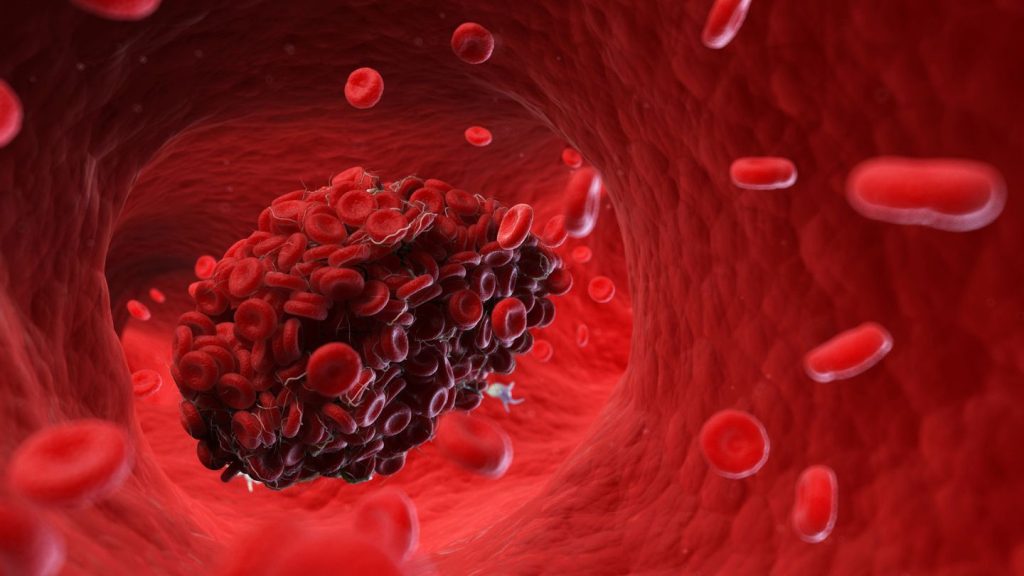
Undergoing bariatric surgery necessitates the cessation of smoking due to the considerable health hazards it presents. Notably, smokers who have undergone gastric bypass face a substantially increased likelihood of blood clot development since tobacco use results in narrowed blood vessels that impede circulation, thus amplifying this risk when combined with already reduced blood flow through the digestive system post-surgery.

These clots can give rise to critical issues such as pulmonary embolism—a potentially fatal event. The dangers are magnified when patients continue smoking after weight loss surgery. Hence, halting tobacco usage well ahead of undergoing surgical procedures is imperative for reducing these risks.

Persisting with smoking following weight loss surgery not only invites potential long-term complications but also may negatively affect recovery from the procedure itself. It’s crucial for patients to understand and take seriously the elevated risks associated with continuing to smoke after their operation.

Wound Healing Complications

Smoking notably hinders the healing of surgical wounds by reducing blood flow due to the constriction of blood vessels. As a result, it delays the recovery of surgical incisions and increases the probability of developing infections and additional complications. This extends not only the duration needed for recuperation but also increases the chances of experiencing significant postoperative issues like wound infections and leaks.

Proper healing following bariatric surgery is vital for achieving favorable results. Complications related to wounds may necessitate extra medical procedures and an extended period of convalescence. Abstaining from smoking promotes the effective repair of surgical wounds while aiding in averting negative health outcomes.

Read more: Post-Op Bariatric Surgery Incision Care

Gastrointestinal Issues

Patients who undergo bariatric surgery and continue to smoke confront a substantial threat of gastrointestinal complications. The likelihood of ulcer formation post-surgery is doubled for smokers, potentially causing grave issues that may necessitate Medical treatments. This danger escalates notably for those who have had a gastric bypass due to the extensive alterations made to their digestive systems during the procedure.

Gastric bypass patients face an elevated risk that can markedly impede their overall health and hinder the recovery process from surgery when they smoke, as it increases the chance of developing ulcers, among other complications. It’s crucial for these individuals to understand how detrimental smoking is after undergoing such operations in order to safeguard their digestive system and enhance recuperation prospects.

Read more: Life After Weight Loss Surgery: Insights from the Gastrointestinal Division

Long-Term Health Impacts of Smoking After Surgery

Long-Term Health Impacts of Smoking After Surgery

Undergoing bariatric surgery requires patients to consider the extensive health repercussions associated with smoking afterward. Continuing to smoke can escalate the likelihood of enduring problems, including marginal ulcers and persistent abdominal discomfort, which collectively contribute to a diminished quality of life. Those who persist in smoking after their procedure face a higher propensity for post-operative complications that may compromise both their recuperation and ongoing well-being.

For those who have had bariatric surgery, quitting smoking is critical for enhancing recovery outcomes while simultaneously reducing pervasive long-term health hazards. The avoidance of subsequent weight regain and lessened cardiovascular threats are significant factors underlining why cessation from smoking holds paramount importance for individuals recovering from bariatric procedures.

Weight Regain and Insulin Resistance

Engaging in smoking after bariatric surgery can lead to the adverse effect of gaining back lost weight. Individuals who smoke and opt for gastric sleeves are more likely to be readmitted, reflecting difficulties with sustaining their achieved weight loss. Insulin resistance can be intensified by smoking, making it harder for those who have undergone surgery to manage diabetes.

Consequently, these issues not only pose a considerable barrier to reaching long-term objectives in shedding excess pounds but also hinder the control of conditions associated with obesity. This highlights how critical quitting smoking is for enhancing outcomes related to losing weight and boosting overall health post-surgery.

Cardiovascular Risks

Engaging in smoking following bariatric surgery notably escalates the chances of encountering cardiac complications. Patients who persist in their use of tobacco after undergoing such a procedure face a heightened risk for heart disease, with potentially grave ramifications for their health over time.

The risks associated with post-surgical smoking extend to greater incidences of blood clots and diminished blood flow, among other cardiovascular concerns, emphasizing the importance of cessation for individuals who have had bariatric surgery. Bariatric patients can minimize these risk factors and improve both their recuperation process and long-term health by committing to quit smoking.

Specific Risks for Different Types of Bariatric Surgeries

Smoking significantly amplifies the likelihood of encountering specific complications for those undergoing different bariatric surgeries. Patients who smoke and opt for gastric sleeve surgery are markedly more susceptible to severe issues, including bleeding ulcers and sepsis. For individuals receiving gastric bypass surgery, smoking can lead to a heightened incidence of internal hernias as well as problems related to nutrient absorption.

The particular complications linked with both gastric sleeves and bypass procedures underscore the critical importance of quitting smoking. By understanding the detailed risks associated with each surgical intervention, it becomes evident why abstaining from smoking is vital for patients involved in any form of bariatric surgery.

Gastric Sleeve Surgery

Gastric Sleeve Surgery

The act of smoking can elevate the likelihood of ulcer formation post-gastric sleeve surgery, attributed to its negative impact on blood circulation and healing processes. There’s a heightened chance for smokers to experience hernias following the procedure. Such complications may result in extended recuperation times and necessitate Healthcare procedures.

For individuals who have undergone gastric sleeve surgery, dehydration poses an additional concern exacerbated by tobacco usage. Highlighting these concerns underscores the criticality of cessation from smoking both for an enhanced recovery trajectory and improved health over time.

Gastric Bypass Surgery

Patients undergoing gastric bypass surgery who smoke before the operation are at an increased risk of developing internal hernias, a serious complication that can occur after a laparoscopic Roux-en-Y gastric bypass (L-RYGB). Smokers are exposed to a hazard ratio adjustment of 2.2 for internal herniation, which signifies that their risk is two times greater than that faced by non-smokers.

Continuing to smoke following gastric bypass surgery can interfere with the absorption of essential nutrients and negatively impact weight loss achievements, as well as lead to deficiencies in these vital substances. It’s crucial for patients to quit smoking both before and after surgery in order to improve recovery prospects and maintain better long-term health following their weight-loss procedure.

Guidelines for Smoking Cessation Before and After Surgery

Avoiding tobacco products is crucial for patients undergoing bariatric surgery to ensure fast healing and optimal results. Preoperative and postoperative smoking cessation are essential steps to minimize risks and enhance recovery outcomes. Detailed guidelines for smoking cessation prior to quitting smoking before and after surgery are provided below.

Preoperative Smoking Cessation

Patients receive education during preoperative counseling about the various risks and potential complications that smoking can pose. It is recommended for patients to cease smoking at a minimum of two weeks before undergoing bariatric surgery to decrease perioperative dangers, though extending this period to six weeks may Optimize risk reduction.

It is widely advised by numerous guidelines that patients should abstain from smoking for no less than two weeks before their surgery date. By quitting smoking four weeks prior to the procedure, patients can improve their surgical outcomes and minimize the chance of experiencing complications.

Postoperative Smoking Cessation

It is imperative for patients to abstain from smoking for a minimum of three months following bariatric surgery to promote optimal healing. Various support mechanisms are available, including nicotine replacement therapies, counseling services, and support groups, which can assist patients in their efforts to cease smoking after the procedure.

Adhering to a non-smoking regime throughout the essential recovery phase improves the healing process and mitigates the likelihood of complications arising post-surgery. The cessation of smoking plays a vital role not only in securing long-standing health advantages but also in realizing successful outcomes related to weight loss.

Creating a Smoke-Free Environment

Creating a Smoke-Free Environment

It is essential to maintain a smoke-free environment following bariatric surgery in order to prevent negative health consequences and support optimal healing. The act of smoking can impede recovery progress and lead to diminished life quality. To avoid the risks associated with second-hand smoke, one should avoid environments such as public places or social events where smoking is likely.

Expressing your dedication to quit smoking with friends and family can help establish an encouraging atmosphere for recuperation. Through supportive dialogue, you cultivate a tobacco-free setting that simplifies the process of quitting smoking, thereby improving overall post-surgery recovery results.

Read more: Bariatric Surgery Recovery Tips

Support Systems and Resources

Counseling before surgery aids patients in halting their smoking habits, which is instrumental for successful recuperation. For those preparing for bariatric surgery, assistance from various support systems and resources is crucial to encourage the cessation of smoking.

Utilizing these support mechanisms enables patients to establish a robust network that promotes living without tobacco use. This not only bolsters the healing process post-surgery but also secures more favorable health results over an extended period.

Read more: Top 5 Steps to Prepare for Weight Loss Surgery

Summary

Ultimately, smoking poses a significant threat to those undergoing bariatric surgery, increasing the risk of complications and hindering both immediate recovery and long-term health outcomes. The dangers include a higher likelihood of blood clots, wound healing issues, gastrointestinal problems, and cardiovascular risks, all of which can undermine the success of weight loss surgery and overall well-being.

At Wellstar Comprehensive Bariatric Services, we offer expert care and support for patients considering weight loss surgery in Smyrna, East Cobb, Marietta, Austell, LaGrange, and other locations across Georgia. Our team is dedicated to ensuring the best possible outcomes and guiding you on your journey to improved health. Contact us to learn more.

Why No Caffeine After Bariatric Surgery?

Why No Caffeine After Bariatric Surgery?

Wondering why there is no caffeine after bariatric surgery? Caffeine can interfere with your recovery by causing dehydration and digestive issues. This blog will explain these risks and how you can manage your caffeine cravings safely.

Key Takeaways

  • Avoiding caffeine post-bariatric surgery is crucial to prevent dehydration and support healing, as caffeine can act as a diuretic.
  • Caffeine can lead to gastrointestinal discomfort and hinder nutrient absorption, making it essential for patients to manage their intake wisely.
  • Decaffeinated coffee is a safer alternative for bariatric patients, allowing them to enjoy the taste without the harmful effects of caffeine.

Understanding Bariatric Surgery and Recovery

Bariatric surgery serves as a significant intervention for weight reduction, presenting a fresh start to individuals grappling with severe overweight. It includes procedures like Laparoscopic Sleeve Gastrectomy, Gastric Bypass, and LAP-BAND Adjustment that are tailored to induce substantial weight loss by modifying the digestive tract. The real transformation begins post-operation during the recovery phase.

After undergoing bariatric surgery, it is crucial for patients to monitor their nutritional intake meticulously. Following the procedure, the dietary regimen becomes quite restrictive, with an emphasis on liquids or pureed foods, which is vital for appropriate healing and helps prevent complications while optimizing the outcome of the operation.

Hydration emerges as one of the principal concerns during recuperation, yet it must be balanced against avoiding specific drinks. Drinking caffeinated beverages, such as coffee, can pose issues due to their potential diuretic effect, leading to dehydration risk. Thus, careful selection of dietary habits supports bariatric patients in attaining successful long-term results from their surgical journey.

The Impact of Caffeine on Bariatric Patients

The Impact of Caffeine on Bariatric Patients

Bariatric surgery recipients should be cognizant of the potential complications that arise from drinking caffeine-containing beverages. Caffeine can adversely affect vital aspects of post-operative recovery by impairing hydration levels, disrupting gastrointestinal well-being, and hindering the absorption of important nutrients.

Avoidance of caffeine for those who have undergone weight loss surgery extends beyond merely foregoing their habitual morning cup of coffee. It is about providing an optimal healing environment for their bodies to recuperate and prosper effectively. The consumption of drinks containing caffeine may intensify dehydration—a common issue following such surgical procedures—and increase gastrointestinal distress.

By understanding these effects, individuals who have had bariatric surgery are better equipped to make knowledgeable choices regarding their caffeine consumption. These considerations include heightened risks associated with dehydration, discomfort in the digestive system, as well as challenges related to gut motility and the assimilation of essential nutrients into the body’s system.

Dehydration Risks from Caffeinated Beverages

Following bariatric surgery, there is a heightened concern regarding the consumption of caffeine drinks due to their diuretic properties. Caffeine prompts an increase in urine production, causing both water and salt to be expelled at higher rates from the body. This can exacerbate dehydration issues in individuals who are already susceptible following surgical procedures.

It’s vital for those recovering from bariatric surgery to maintain proper hydration levels as it aids in healing and ensures that bodily functions operate smoothly. An excessive intake of caffeine could undermine these efforts by stripping away essential fluids, thereby stalling recuperation and increasing potential health risks associated with dehydration. Consuming too much caffeine can lead to digestive issues and negatively affect hydration, which is critical for recovery.

To ensure optimal hydration during recovery, patients who have undergone bariatric procedures should steer clear of beverages containing caffeine. By choosing non-caffeinated options such as water instead, they substantially enhance their chances for a smoother rehabilitation process without compromising on their need to stay hydrated.

Acid Reflux and Digestive System Discomfort

Caffeine can negatively impact the digestive system, which is a crucial consideration for individuals recuperating from bariatric surgery. The acidic properties of coffee may increase the likelihood of acid reflux and additional gastrointestinal issues. Heightened levels of stomach acid might lead to reflux, thereby hindering the recovery process and leading to pain.

Post-gastric sleeve surgery, the stomach’s lining remains highly sensitive. The acidity found in ordinary coffee has the potential to aggravate this lining, exacerbating conditions such as GERD (gastroesophageal reflux disease) while provoking substantial discomfort. It’s advisable that bariatric patients exercise caution regarding their caffeine consumption through coffee to circumvent these distressing and detrimental consequences.

Read more: Life After Weight Loss Surgery: Insights from the Gastrointestinal Division

Gut Motility and Nutrient Absorption

Beyond inducing dehydration and prompting acid reflux, caffeine also disrupts gut motility and the absorption of essential nutrients. It causes food to pass through the digestive system more rapidly, which may appear harmless but can actually impede the proper uptake of critical nutrients necessary for recuperation after surgery.

For bariatric patients, achieving protein targets and securing adequate nutrient consumption is imperative. The faster pace at which food travels through their systems due to caffeine’s effect on gut motility may interfere with this process, inhibiting the assimilation of indispensable vitamins and minerals. Such deficiencies could obstruct recovery and impair overall well-being.

Caffeine’s ability to suppress appetite poses a challenge in ensuring these patients ingest enough proteins and other vital nutrients for healing purposes. By avoiding caffeine, one allows one’s body ample opportunity to digest foods thoroughly and absorb needed nutrients, effectively facilitating a smoother path toward recovery.

Read more: The Importance of Protein Intake After Gastric Sleeve Surgery

Nutrition and Health Considerations

After bariatric surgery, prioritizing nutrition and health becomes paramount to ensure a smooth recovery and successful weight loss. Caffeinated beverages, such as coffee, can interfere with the body’s ability to absorb essential nutrients, potentially leading to health complications. This is particularly concerning for bariatric surgery patients, who need to maximize nutrient intake to support healing and overall well-being.

Caffeine can hinder the absorption of vital nutrients like calcium, iron, and vitamin D, which are crucial for maintaining bone health, energy levels, and immune function. Given the restrictive nature of the post-surgery diet, every nutrient counts, and any factor that impedes absorption can be detrimental.

To mitigate these risks, bariatric surgery patients should be mindful of their caffeine intake. Opting for alternative beverages that promote hydration and nutrient absorption is a wise choice. Decaffeinated coffee, herbal teas, and nutrient-rich smoothies are excellent options that provide flavor and satisfaction without compromising nutrient intake. By making these mindful choices, patients can support their recovery and long-term health goals.

When Can You Reintroduce Coffee After Surgery?

When Can You Reintroduce Coffee After Surgery?

Following bariatric surgery, many patients are eager to know when they can drink coffee again. Surgeons often advise patients to abstain from caffeine-containing beverages, including coffee, for at least the first month following the procedure. This abstinence gives your body time to recover without being negatively impacted by caffeine’s diuretic effect and potential gastrointestinal irritation.

Approximately a month after surgery, you may start reintroducing caffeine drinks cautiously back into your diet. It’s advisable to start with a modest quantity—perhaps just one cup of coffee—and closely observe how your body reacts before increasing consumption gradually. By taking this careful approach, you can help reduce any negative reactions associated with caffeine intake during this initial period when drinking coffee is allowed in moderation.

It is important always to seek advice from your healthcare provider before making any changes in post-operative eating habits or beverage choices. They will provide recommendations tailored specifically towards your health profile and recovery progress regarding consuming caffeine-containing products such as coffee.

Decaffeinated Coffee: Is It a Safe Alternative?

For individuals longing for their usual cup of coffee, decaffeinated coffee serves as a suitable substitute. Decaf coffee is typically deemed safe for intake following bariatric surgery and can often be included during the phase involving clear liquids. It delivers the comfort and familiar flavor of regular coffee but without the dehydration that caffeine can cause.

It’s important to reintroduce decaffeinated coffee into your diet slowly to avoid irritation to your stomach’s delicate lining after surgery. Consuming this type of coffee in moderation is crucial because drinking large amounts may lead to gastrointestinal discomfort.

Incorporating moderate amounts of decaf coffee into one’s diet post-surgery has its advantages due to its antioxidant properties while eliminating concerns over caffeine-related side effects. This allows individuals who have undergone bariatric surgery to continue savoring their cherished beverage within the bounds set by dietary restrictions related to their procedure.

Better Beverage Choices for Bariatric Patients

Selecting the right beverages and managing coffee intake post-surgery is crucial for a smooth recovery. Bariatric patients are encouraged to choose healthier alternatives over caffeinated drinks. Water, herbal teas, and smoothies provide hydration and nutrition without caffeine’s risks.

Herbal teas like chamomile and peppermint are caffeine-free and offer soothing properties that aid digestion and relaxation. Smoothies packed with fruits and vegetables can be a nutritious and delicious way to meet daily vitamin and mineral needs.

Coconut water is another great option, offering natural electrolytes that help keep you hydrated, especially after physical activity. Focusing on these healthier beverages helps bariatric patients support their recovery and overall well-being.

Read more: Meal Planning and Cooking for Bariatric Patients

Staying Hydrated and Satisfied

Staying hydrated is a critical aspect of recovery after bariatric surgery and caffeinated drinks can exacerbate dehydration. Bariatric patients should focus on drinking plenty of water throughout the day to maintain optimal hydration levels. Adding slices of lemon, strawberry, or cucumber to water can enhance its flavor, making it more enjoyable to drink.

Natural smoothies made from fresh fruits and vegetables are another excellent alternative to caffeinated beverages. They not only provide hydration but also deliver essential vitamins and minerals that support overall health and recovery. Herbal teas, such as chamomile or peppermint, are caffeine-free and offer soothing properties that can aid digestion and relaxation.

By prioritizing hydration and incorporating nutrient-rich foods and beverages into their diet, bariatric surgery patients can support their overall health and weight loss goals. These healthier choices help ensure a smoother recovery and contribute to long-term well-being, making the journey to a healthier future more attainable.

Read more: Bariatric Surgery Recovery Tips

Tips for Managing Caffeine Cravings

Tips for Managing Caffeine Cravings

Handling the urge for caffeine drinks can be a difficult task, yet with certain strategies, it is manageable. Easing down on caffeine consumption bit by bit lessens withdrawal symptoms and facilitates a smoother shift away from reliance. It’s advisable to moderately drink caffeine instead of stopping suddenly while steadily diminishing your intake over time.

Substitute beverages laden with caffeine for options such as herbal infusions, green tea (which has lower levels of caffeine), or fruit smoothies. These substitutes offer comparable satisfaction and habit without the adverse impacts linked to excessive caffeine intake. Keeping well-hydrated and adhering to a nutritious diet also help naturally curb those cravings for more caffeine.

Summary

Avoiding caffeine after bariatric surgery is essential to foster healing and recovery. This involves preventing dehydration, minimizing gastrointestinal discomfort, and ensuring the effective absorption of nutrients—all crucial benefits of steering clear of caffeine.

At Wellstar Comprehensive Bariatric Services, we are dedicated to guiding you every step of the way on your weight loss journey. From your first consultation to achieving lasting health success, our expert team provides personalized care and advice tailored to your unique needs. We offer customized bariatric surgery in East Cobb, Marietta, Austell, Smyrna, LaGrange, and other locations across Georgia, to help you find relief and embark on a path to a healthier future. Contact us today to begin your transformation.

Understanding Dumping Syndrome After Gastric Sleeve Surgery

Understanding Dumping Syndrome After Gastric Sleeve Surgery

Dumping syndrome after gastric sleeve surgery, called rapid gastric emptying, happens when food moves too quickly from the stomach to the small intestine, leading to symptoms like bloating and diarrhea. This blog will explain what dumping syndrome is, why it occurs after gastric sleeve surgery, and ways to manage it.

Key Takeaways

  • Dumping syndrome affects 20% to 50% of gastric surgery patients, causing rapid gastric emptying and symptoms like fainting, but these are rarely permanent.
  • Dietary management, including avoiding high-sugar foods and consuming smaller, protein-rich meals, is essential to alleviate symptoms of dumping syndrome.
  • Long-term management requires lifelong dietary adjustments, regular medical support, and lifestyle changes, including adequate fluid and protein intake, to maintain health post-surgery.

What Is Dumping Syndrome?

What Is Dumping Syndrome?

Dumping syndrome, also known as rapid gastric emptying, refers to a set of symptoms resulting from the quick passage of stomach contents into the small intestine. This condition frequently occurs in individuals who have had gastric surgeries like sleeve gastrectomy or especially gastric bypass, with an estimated 20% to 50% affected and up to 85% of gastric bypass patients experiencing it at different levels.

The issue arises when undigested food swiftly moves into the small intestine from what is usually a smaller stomach pouch created during surgery due largely to the premature opening of the pyloric valve. The consequent abrupt transition can cause discomfort ranging from mild symptoms to more intense reactions. Although dumping syndrome doesn’t pose severe health risks or become life-threatening, it can considerably impede daily living if not managed effectively. Most people suffering from this condition typically see an improvement over time, and in many cases, it’s not long-lasting.

Comprehending how dumping syndrome functions is crucial for those about to undergo or who have undergone any form of gastric operation so that they are able to better manage their post-operative lifestyle adjustments accordingly.

Causes of Dumping Syndrome After Gastric Sleeve Surgery

Dumping syndrome after gastric sleeve surgery is fundamentally caused by the swift movement of food from the stomach into the small intestine, a phenomenon known as rapid gastric emptying. The modification in size and function of the stomach due to surgery prompts this accelerated transit. As a result, patients may experience an array of distressing symptoms linked to this faster digestive process.

Early dumping syndrome can be aggravated when consuming refined sugars or high-glycemic-index carbohydrates. These substances cause a surge in intestinal fluid volume and content, which stimulates early dumping symptoms such as bloating and diarrhea through abrupt shifts in fluids and gut hormone secretion that accompany digestion. Healthcare providers diagnose dumping syndrome based on patient-reported symptoms and their timing, often using tests like a glucose tolerance test or hydrogen breath test to assist in making an accurate diagnosis.

Understanding these triggers allows individuals who have undergone gastric sleeve surgery to better manage dumping syndrome by making appropriate dietary modifications, thus enhancing their quality of life post-surgery.

Types of Dumping Syndrome: Early Dumping Syndrome and Late Dumping Syndrome

Types of Dumping Syndrome: Early Dumping Syndrome and Late Dumping Syndrome

Early dumping syndrome typically occurs within 10 to 30 minutes after eating when undigested food rapidly moves into the small intestine. This can lead to symptoms like bloating, sweating, abdominal cramps, and diarrhea due to sudden fluid shifts and hormone release. Recognizing these early signs is key to managing the condition with appropriate dietary changes.

Late dumping syndrome arises 1 to 3 hours post-meal, often due to reactive hypoglycemia following high carbohydrate intake. This results in symptoms such as weakness, confusion, and tremors. Understanding these late symptoms helps in making dietary adjustments, like reducing refined sugars, to prevent blood sugar fluctuations.

Symptoms of Dumping Syndrome

Dumping syndrome manifests shortly after eating, with typical early dumping symptoms comprising bloating, sweating, abdominal cramps, and diarrhea. These symptoms tend to emerge within 30 to 60 minutes following food consumption due to the rapid transit of ingested substances into the small intestine, leading to abrupt changes in fluid distribution throughout the body. Additionally, fluctuations in blood pressure can occur, causing symptoms such as lightheadedness or fainting.

The common indicators of early dumping include:

  • Bloating
  • Sweating
  • Abdominal cramps
  • Diarrhea

Such symptoms arise as a direct consequence of food’s hasty progression into the intestines, which prompts an immediate alteration in bodily fluids balance.

Several hours after meals, late dumping syndrome can occur and is characterized by swift fluctuations in blood sugar levels. During these incidents involving low blood sugar or hypoglycemia, individuals might experience weakness, possibly leading to fainting episodes along with sensations of discomfort, indicating potential trouble ahead.

Recognizing these patterns permits those affected by dumping syndrome to both early and late manifestations to preventively manage their condition better. Pinpointing when such signs appear alongside understanding their specific nature enables proactive response, including lifestyle or dietary adjustments aimed at alleviating aspects associated with this disorder.

Diagnosing Dumping Syndrome

Diagnosing Dumping Syndrome

To diagnose dumping syndrome based on the symptoms and timing reported by patients, especially after gastric bypass surgery, healthcare practitioners utilize various tests. The glucose tolerance test is common. It requires patients not to eat for at least ten hours before ingesting a sweetened solution, with subsequent blood draws tracking bodily responses. If there’s a notable elevation in both heart rate and hematocrit levels following sugar intake, it could point toward dumping syndrome.

The hydrogen breath test also serves as an effective diagnostic measure by assessing how quickly food moves through the digestive system based on hydrogen levels detected in the breath after eating foods high in complex carbohydrates. Medical professionals may employ a gastric emptying scan that uses radioactive substances to monitor how quickly food exits from the stomach.

Healthcare providers rely on these diagnostic instruments alongside comprehensive symptom evaluations to ensure accurate identification of dumping syndrome diagnosed after gastric bypass surgery, thereby facilitating the development of customized treatment strategies for their patients.

Managing Dumping Syndrome Through Diet

Managing dumping syndrome effectively requires dietary adjustments. To mitigate the risk of symptom onset, it is important to minimize intake of foods rich in sugars and starches. Steering clear of simple carbohydrates found in items like white flour or table sugar is crucial. Drinking fluids during meals can exacerbate symptoms. Thus, it’s recommended to wait at least 30 minutes post-meal before having any liquids. Gastric bypass surgery-treated patients often need to follow these dietary strategies to manage their symptoms effectively.

To better control symptoms, distributing daily calorie consumption across six smaller meals can be beneficial. Including fiber-rich foods alongside proteins and healthy fats within these meals may alleviate discomfort by decelerating digestion rates—incorporation of thickening agents such as guar gum or pectin into one’s diet might also assist digestive processes for some individuals.

For individuals with dumping syndrome, ongoing self-assessment combined with tailored nutrition plans improves living standards significantly. Detecting specific triggers unique to an individual and adjusting their meal plan accordingly plays a key role in managing episodes while ensuring that nutritional needs are met adequately.

Read more: Meal Planning and Cooking for Bariatric Patients

Medical Treatments for Severe Cases

In instances where modifications to diet and lifestyle do not lead to improvement in severe cases, medical treatment may be required. To better control symptoms, doctors can prescribe medications that release slowly into the body. In exceptional circumstances, more aggressive interventions like tube feeding or surgeries for correction might be recommended.

Should these less invasive treatments fail to alleviate discomfort, surgical alternatives such as reversing the gastric bypass surgery may be considered. These surgical measures are usually only contemplated after all other options have been exhausted, emphasizing the critical nature of thorough management approaches.

Complications and Prevention

Complications and Prevention

While dumping syndrome is generally not life-threatening, it can lead to complications if not properly managed. Some potential issues include:

  • Rapid Weight Loss and Nutritional Deficiencies: The swift movement of food through the digestive system can prevent proper nutrient absorption, leading to deficiencies.
  • Persistent Diarrhea: This can result in dehydration, which is particularly concerning for individuals with dumping syndrome.
  • Low Blood Sugar: Symptoms such as shakiness, dizziness, and faintness can occur due to rapid changes in blood sugar levels.
  • Digestive and Kidney Diseases: These conditions can be exacerbated by the symptoms of dumping syndrome.

To prevent these complications, it’s essential to manage dumping syndrome through dietary changes and lifestyle modifications. Here are some strategies:

  • Eat Small, Frequent Meals: This helps to prevent overwhelming the digestive system and reduces the risk of symptoms.
  • Avoid Trigger Foods and Drinks: Identifying and steering clear of foods that cause symptoms is crucial.
  • Drink Liquids at the Right Time: Consuming fluids 30 minutes before or after meals can help manage symptoms.
  • Take Medications as Prescribed: Follow your doctor’s advice regarding any medications to help control symptoms.
  • Practice Good Hygiene: Regular handwashing and hygiene practices can prevent infections and dehydration.

By implementing these preventive measures, you can effectively manage dumping syndrome and reduce the risk of complications.

Long-term Management and Lifestyle Changes

Effective long-term control of dumping syndrome necessitates dietary modifications, adjustments to one’s way of life, and ongoing medical assistance. Following bariatric surgery, it’s important for patients to hydrate adequately by drinking at least 64 ounces of fluids each day to circumvent dehydration risks. To prevent muscle degradation while preserving strength, a daily consumption ranging from 60 to 100 grams of protein is advocated.

It is crucial for individuals who have undergone surgery to consistently take supplements that include multivitamins along with particular nutrients such as Vitamin B12 and Calcium in order not just to ward off deficiencies but also to bolster general well-being. Initiating physical activity with gentle exercises like walking can be beneficial in sustaining weight loss and enhancing cardiac fitness. It might become possible for patients post-surgery to lessen or altogether discontinue some medications. Any alterations should invariably occur under strict medical supervision.

Additional behavioral changes are significant for optimal recovery and maintained health well-being surgery. These include quitting smoking and limiting alcohol consumption. Women are encouraged not only to postpone pregnancy until their weight and nutritional status have stabilized over a period spanning between twelve months and eighteen months following the operation but also to ensure they engage in regular consultations with a specialist in bariatrics so as to track progress meticulously while addressing any persistent health concerns systematically.

Summary

Managing dumping syndrome after gastric sleeve surgery effectively involves a comprehensive approach that includes making dietary adjustments, adopting lifestyle changes, and pursuing medical treatments when necessary. By understanding the causes and symptoms, patients can better anticipate and manage their condition, ultimately improving their quality of life.

Get in Touch with Us

Wellstar Comprehensive Bariatric Services provides an array of resources and expert advice to support patients throughout their post-surgery journey. Our committed team offers personalized care and assistance, ensuring that every individual has the tools needed to successfully navigate their recovery.

Consider reaching out to one of our gastric sleeve surgeons in East Cobb, Marietta, Austell, Smyrna, LaGrange, and other locations across Georgia. Our experts will assist you in creating a tailored treatment plan that meets your specific needs and goals. We understand the challenges of the weight loss journey and are dedicated to helping you achieve long-term success. Contact us today to discover how we can transform your weight loss journey and elevate your health!

How Does Obesity Lead to Diabetes? Understanding the Connection

How Does Obesity Lead to Diabetes? Understanding the Connection

How does being overweight cause diabetes? Obesity leads to diabetes by causing insulin resistance, inflammation, and fat metabolism issues. This blog will break down these connections and explain how obesity leads to diabetes and how managing obesity can help prevent diabetes.

Key Takeaways

  • Over 90% of type 2 diabetes cases involve overweight or obesity, highlighting the link between obesity and insulin resistance, especially due to subcutaneous abdominal fat.
  • Mechanisms such as insulin resistance, inflammatory responses, and disrupted fat metabolism play critical roles in how obesity increases the risk of developing type 2 diabetes.
  • Preventive strategies against obesity-related diabetes include weight loss through a healthy diet and exercise, which significantly lower diabetes risk and improve overall health.

The Link Between Obesity and Type 2 Diabetes

The Link Between Obesity and Type 2 Diabetes

The indisputable link between obesity and type 2 diabetes is highlighted by the fact that over 90% of people with type 2 diabetes are either overweight or obese. This connection is emphasized through body metrics like waist circumference and Body Mass Index (BMI), which serve as standard gauges for assessing obesity.

Obesity, defined by a BMI of 30 or above, often leads to an elevated risk of developing type 2 diabetes. Yet, it’s not solely the total amount on the scale that counts. Rather, where body fat accumulates is also critical in determining risk levels. Subcutaneous abdominal adipose tissue notably poses a greater threat for instigating type 2 diabetes compared to overall body weight due to its role in metabolic activity and its contribution towards insulin resistance along with other related disruptions.

Comprehension of these links underscores why management of both body weight and composition are key strategies in curtailing the onset risk associated with this chronic disease. By confronting issues tied to excess adiposity, preventative measures can be implemented against this debilitating condition’s development.

Read more: Understanding Obesity Side Effects: A Guide to Health Risks

Mechanisms Behind Obesity-Induced Diabetes

Several intertwined processes, including insulin resistance, inflammation, and fat metabolism abnormalities, are at the heart of the connection between obesity and type 2 diabetes. This confluence elevates an individual’s chances of contracting type 2 diabetes substantially.

The accumulation of excess body fat within adipose tissue can lead to a condition known as adipose tissue insulin resistance. This phenomenon hampers the ability to efficiently utilize one’s own insulin hormone. Immune cells in adipose tissue discharge inflammatory substances that exacerbate insulin resistance and elevate blood glucose levels. Obesity also interrupts typical lipid metabolism pathways. This interference affects not only skeletal muscle glucose usage but also shifts gene expression within adipose tissues alongside subcutaneous fat markers—alterations that foster impaired fasting glucose.

Gaining insight into these specific cellular and physiological mechanisms offers a more defined understanding of obesity’s role in precipitating type 2 diabetes development. Targeting these fundamental issues is pivotal for enhancing strategies aimed at prevention and treatment efficacy.

Read more: Improving Heart Health: Addressing Heart Disease and Obesity

Insulin Resistance

The accumulation of excess body fat is a primary factor in the development of insulin resistance, which is closely associated with the onset of type 2 diabetes. This condition manifests when cells become desensitized to insulin, impairing their ability to regulate blood sugar adequately. Typically, this insensitivity stems from the obstructive presence of additional body fat hindering glucose absorption by cells.

Fatty acids released into circulation from excessive body fat disrupt normal glucose uptake within muscle cells and contribute significantly to escalating levels of insulin resistance. To counteract rising blood sugar levels under these conditions, the pancreas must produce increasing amounts of insulin. As resistance progresses and becomes more pronounced over time, even heightened quantities are not effectively actioned upon by bodily tissues. Consequently, an individual may experience persistently elevated high blood sugar levels—a defining characteristic indicative of type 2 diabetes.

Understanding how instrumental managing one’s body weight and boosting insulin sensitivity are in warding off or controlling type 2 diabetes serves to underscore proactive interventions targeting both areas for those at risk or already diagnosed with this metabolic disorder.

Inflammatory Response

Chronic inflammation is a pivotal factor in the onset of type 2 diabetes. When obesity sets in, it activates immune cells within the adipose tissue, which secrete pro-inflammatory cytokines. These substances disrupt insulin signaling processes, thereby exacerbating insulin resistance.

Obesity-related persistent minor inflammation not only impairs insulin sensitivity but also detrimentally affects general metabolic well-being. By diminishing inflammation within adipose tissue, there may be an enhancement in insulin sensitivity and a consequent decrease in the risk of developing type 2 diabetes.

Disruption of Fat Metabolism

Excess weight can hinder the proper metabolism of fats, which is crucial in preventing type 2 diabetes. As obesity prompts fat cells to release fatty acids into the blood, it disrupts how skeletal muscles normally metabolize glucose. This disruption may result in prediabetes, where individuals exhibit elevated blood sugar levels that are not quite high enough for a full-blown diabetes diagnosis.

Prediabetes elevates an individual’s risk of developing type 2 diabetes if no interventions occur. By enhancing fat metabolism and combating obesity, steps can be taken proactively to halt the progression towards type 2 diabetes.

Read more: Causes of Obesity That May Surprise You

Risk Factors for Developing Type 2 Diabetes

Risk Factors for Developing Type 2 Diabetes

Numerous factors elevate the risk of type 2 diabetes onset, prominently including obesity. Lack of physical activity combined with excessive calorie consumption contributes to a rise in insulin resistance and elevated blood sugar levels. Advancing age heightens diabetes susceptibility, notably past the age of 45.

Certain ethnic groups have an increased propensity for developing type 2 diabetes. This includes African Americans and Hispanics. Existing chronic conditions like high blood pressure can intensify the likelihood of development. A genetic predisposition is also a significant determinant that may render some individuals more prone to diabetes.

Recognizing these various risk factors is instrumental in pinpointing individuals who face a heightened threat and devising proactive measures to thwart the progression toward type 2 diabetes.

Read more: How Obesity Affects Your Risk of Cancer

Diagnosing Type 2 Diabetes in People with Obesity

The diagnosis of type 2 diabetes in individuals with obesity is often a complex task, as it involves the intricate relationship between insulin resistance and body-wide inflammation. A variety of diagnostic procedures are available to identify diabetes. One such procedure includes measuring the blood sugar after an oral glucose tolerance test. If this test yields a level at or exceeding 200 mg/dL two hours post-consumption, it may be indicative of diabetes.

There’s the random blood sugar test, which also plays a significant role in detection. If someone exhibits symptoms typical for diabetes, having a reading above 200 mg/dL on this particular assessment confirms its presence. The A1C examination averages out your blood sugar concentrations over several months (usually two to three), flagging levels beyond 6.5% as diabetic markers. Consistently observing fasting blood glucose equaling or topping off at 126 mg/dL can Signal the likely existence of said disease—a vital factor for early diagnosis.

For those battling obesity — a group already facing elevated risks — it becomes even more essential to undergo regular check-ups and screening practices aimed at catching and tackling diabetes sooner rather than later. Recognizing how these tests work paves the way for swift identification followed by efficient management measures geared towards enhancing overall health status.

Read more: Hypertension & Obesity Management with Weight-Loss

Prevention Strategies for Obesity-Related Diabetes

Prevention Strategies for Obesity-Related Diabetes

To thwart the onset of obesity-related diabetes, a comprehensive strategy encompassing weight loss, dietary management, and consistent physical activity is essential. Implementing these measures not only diminishes the likelihood of succumbing to type 2 diabetes but also enhances general health.

Combatting poor dietary patterns, ramping up exercise levels, and securing a healthy weight stand as pivotal elements in evading the development of this condition. Proactive efforts markedly slash the risk associated with developing diabetes along with various other health complications.

Weight Loss

Shedding pounds can significantly diminish the chance of developing type 2 diabetes. Research indicates that a modest reduction in body weight, specifically by as little as 5%, could slash the risk considerably—by more than half. For individuals grappling with obesity, aiming to decrease their total body weight by between 3% and 5% can result in notable enhancements to their health.

The best way to lose weight is through close monitoring, dietary consultation services, tailored exercise plans, and assistance with altering lifestyle behaviors. Such a holistic strategy supports participants not only in achieving enduring weight loss but also in enhancing their overall well-being.

Diet and Nutrition

Maintaining a balanced diet plays a pivotal role in warding off diabetes linked to obesity. Opting for whole foods and reducing the intake of unhealthy fats and sugars is key to controlling body weight efficiently. A diet abundant in fruits, vegetables, whole grains, and lean proteins can bolster insulin sensitivity and enhance metabolic wellness overall.

Steering clear of foods laden with excess sugar and fat is imperative to avoid unnecessary weight gain and combat insulin resistance. Choosing nutritious options diminishes the risk of developing type 2 diabetes while promoting sustained health benefits.

Exercise

Regular exercise is vital for maintaining healthy blood sugar levels and overall metabolic health. Adults should aim for at least 150 minutes of moderate physical activity each week to effectively reduce the risk of diabetes. Structured exercises like aerobics and resistance training are particularly beneficial for managing weight and improving skeletal muscle insulin sensitivity.

Cost of Obesity and Diabetes

Healthcare systems are under a considerable and escalating economic strain due to obesity and diabetes. The resource depletion caused by these diseases is noteworthy, with their associated expenses projected to escalate further. Healthcare providers like the NHS encounter untenable fiscal stresses as a result of the widespread occurrence of obesity and diabetes.

To mitigate expenditures linked to obesity and diabetes, it’s imperative that culturally relevant educational materials be disseminated alongside effective preventive measures. Allocating resources towards prevention and control initiatives can diminish economic burdens while enhancing overall public health results.

Conclusion

The complex interplay between obesity and type 2 diabetes is clear, involving numerous factors. Understanding these mechanisms and risk factors empowers us to prevent and manage both conditions proactively.

At Wellstar Comprehensive Bariatric Services, we are dedicated to supporting your journey toward better health. Explore our bariatric services in Cobb County and across Georgia, including Marietta, Austell, Smyrna, and LaGrange, and discover how we can help you achieve a healthier lifestyle. Want to take charge of your health and future? Reach out to us today to start your transformative journey!

Understanding Obesity Side Effects: A Guide to Health Risks

Understanding Obesity Side Effects: A Guide to Health Risks

Obesity’s side effects can severely impact your health. From heart disease and diabetes to certain cancers, the risks are numerous. Understanding these effects is vital for your health, and organizations like the U.S. Centers for Disease Control and Prevention (CDC) provide guidelines for disease control related to obesity. This guide outlines these risks and offers practical solutions to mitigate them.

Key Takeaways

  • Obesity is characterized by excessive body fat and is associated with serious health risks such as cardiovascular diseases, type 2 diabetes, and certain cancers.
  • Weight loss can significantly reduce health risks linked to obesity, with changes in diet and physical activity being critical for effective management. Organizations like the U.S. Centers for Disease Control and Prevention (CDC) provide guidelines for disease control related to obesity.
  • A multifaceted approach, including lifestyle changes, medical interventions, and support systems, is essential for successful obesity management and improving overall health.

Cardiovascular Health Risks

Cardiovascular Health Risks

Obesity significantly increases the risk of cardiovascular diseases like heart disease, stroke, and high blood pressure. These conditions contribute to global morbidity and mortality, making it essential to understand how obesity affects heart health and identify strategies to mitigate these risks. The U.S. Centers for Disease Control and Prevention (CDC) offers guidelines to manage cardiovascular health risks associated with obesity.

High Blood Pressure

Obesity raises the risk of high blood pressure, which occurs more frequently in individuals who are not at a healthy weight. Excess body fat contributes to higher blood pressure levels, imposing extra stress on the heart and potentially leading to chronic kidney disease. Even slight weight reductions can significantly help manage high blood pressure. Improved dietary choices and increased physical activity are vital in controlling blood pressure and enhancing heart and kidney health.

Heart Disease

Excess weight is a major risk factor for heart disease, one of the leading causes of death worldwide. The additional burden on the heart to circulate blood can lead to heart failure and other complications. Obesity also contributes to elevated blood pressure and cholesterol levels, increasing the risk of heart attacks. Lifestyle modifications, medical treatments, and support networks can significantly reduce these risks.

Stroke

Obesity increases the likelihood of stroke by adversely affecting blood pressure and cholesterol levels. The disruption to proper brain circulation heightens the probability of a stroke. Weight loss is essential in reducing stroke risk by improving blood pressure and cholesterol profiles. Regular physical activity and a balanced diet are key measures for preventing strokes and promoting heart health.

Metabolic and Endocrine Disorders

Metabolic and Endocrine Disorders

Obesity is closely linked to various metabolic and hormonal issues, increasing the risk of type 2 diabetes, insulin resistance, and metabolic syndrome. Understanding these connections is crucial for managing these risks. Guidelines from organizations like the CDC can help in managing these disorders.

Type 2 Diabetes

Obesity significantly raises the risk of type 2 diabetes, with up to 90% of those affected being overweight or obese. Losing just 5% to 7% of body weight can greatly reduce this risk. Improved eating habits and regular physical activity are key strategies.

Insulin Resistance

Insulin resistance, where cells respond poorly to insulin, is often caused by obesity. This condition can lead to higher blood sugar levels. Lifestyle changes and weight loss can improve insulin sensitivity.

Metabolic Syndrome

Metabolic syndrome involves a combination of health issues like high blood pressure, insulin resistance, and abnormal lipid profiles, often due to abdominal obesity. Managing weight through diet and exercise is crucial for combating this syndrome.

Respiratory and Sleep Issues

Obesity affects respiratory health and sleep quality, causing conditions like obstructive sleep apnea, asthma, and breathing difficulties. Guidelines from the CDC can help manage these issues.

Obstructive Sleep Apnea

Obesity significantly increases the risk of obstructive sleep apnea (OSA). Weight loss can reduce or even resolve OSA symptoms, improving sleep quality.

Asthma

Obesity increases airway inflammation, worsening asthma symptoms. Weight loss can help improve respiratory health.

Breathing Problems

Excess weight limits lung expansion, reducing lung capacity and oxygen levels. Weight loss can enhance breathing and overall pulmonary health.

Digestive System Complications

Digestive System Complications

Excess weight impacts the digestive tract, causing gallbladder disease, nonalcoholic fatty liver disease (NAFLD), and gastroesophageal reflux disease (GERD). These complications can disrupt daily life and pose significant health risks. Guidelines from organizations like the CDC can help manage these issues.

Fatty Liver Disease

NAFLD results from excess fat in liver cells, which is common in obesity. Without intervention, it can lead to severe liver damage or failure. Managing obesity through weight loss is vital to reduce these risks.

Gallbladder Disease

Obesity is linked to gallbladder disease, including gallstones and cholecystitis, often causing intense pain. Gradual weight loss through a balanced diet is advised to mitigate risks.

Gastroesophageal Reflux Disease (GERD)

Obesity often leads to GERD, where stomach acid escapes into the esophagus, causing discomfort. Weight loss and a healthy diet can alleviate symptoms and improve digestive health.

Musculoskeletal Issues

The rise in obesity rates is linked to more musculoskeletal disorders like osteoarthritis and gout. Extra body weight strains bones and joints, causing discomfort and reduced mobility. The U.S. Centers for Disease Control and Prevention (CDC) offers guidelines to manage these issues.

Osteoarthritis

Excess weight increases the risk of osteoarthritis by putting extra strain on knees and joints. An additional 10 pounds can add 15 to 50 pounds of pressure on knee joints, raising the likelihood of osteoarthritis. Obesity also triggers inflammation due to proteins from fat cells. Weight loss through a healthy diet and regular exercise can improve joint function and mobility.

Gout

Obesity is linked to gout, caused by uric acid crystals in joints. Higher body weight increases uric acid levels, raising the risk of gout attacks. Factors like being male and having high blood pressure also contribute. Weight loss and dietary changes can help control gout and reduce attack frequency. Medications can manage uric acid levels and alleviate symptoms, but addressing obesity is crucial for effective management.

Cancer Risk

Understanding the increased risk of developing several types of cancers, such as those of the breast, uterus, and colon, due to obesity is crucial for both prevention and early intervention.

Organizations like the U.S. Centers for Disease Control and Prevention (CDC) provide guidelines to help manage cancer risks associated with obesity.

Breast Cancer

Obese women, especially those who are postmenopausal, face a higher risk of breast cancer. Elevated estrogen levels from adipose tissue can encourage cancer cell growth. Postmenopausal women with more fat tissue have a 1.2 to 1.4-fold higher risk of breast cancer.

Uterine Cancer

Excessive body weight is strongly linked to uterine cancer, with about 60% of cases related to obesity. Elevated estrogen levels from surplus body weight increase the risk. Obese individuals have a two to fourfold higher likelihood of endometrial cancer.

Colon Cancer

Obesity significantly increases the risk of colon cancer, with a 1.3-fold higher likelihood. Obesity is implicated in roughly 10% of colon cancer cases, highlighting the importance of weight management. Elevated insulin and inflammation levels tied to obesity amplify the risk of colorectal malignancies.

Mental Health Impacts

Mental health concerns such as depression, anxiety, and self-esteem issues are closely linked to obesity.

Depression

Excessive weight is associated with a higher risk of depression. Those affected often experience feelings of despondency, anxiety, and low self-worth. Social stigma and discrimination can worsen these feelings, leading to social withdrawal and changes in eating and activity levels, which can further exacerbate weight gain and depression.

Anxiety

Obesity can increase the risk of anxiety disorders due to body image concerns, societal pressures, and weight-based discrimination. Weight loss combined with psychological support can help reduce anxiety and improve mental health.

Self-Esteem and Body Image

Being overweight can negatively impact self-esteem and body image, compounding mental health issues. The societal stigma around larger body sizes often reduces self-regard and can lead to mood disorders. Improving self-perception through weight management and mental health support is crucial.

Quality of Life and Daily Activities

Obesity can greatly affect quality of life, making daily tasks more challenging and impacting both physical and mental health.

Physical Activity Limitations

Excess weight can hinder movement, strain the musculoskeletal system, and reduce joint flexibility, making routine tasks like walking or climbing stairs difficult. A healthy diet and regular exercise are essential for improving mobility and quality of life.

Social and Economic Impact

Obesity often leads to social prejudice and professional bias, lowering self-esteem and causing social withdrawal. Limited access to safe exercise spaces and nutritious food increases the financial burden of managing obesity. Community support and policy changes are vital for improving health outcomes and reducing societal costs.

Discrimination and Bias

Obese individuals frequently face workplace discrimination, hindering employment and career advancement. This bias reinforces negative stereotypes and societal stigma. Educational initiatives and policy changes are needed to reduce discrimination and improve the quality of life for those affected by obesity.

Managing Obesity and Improving Health

Managing Obesity and Improving Health

To effectively manage obesity, it’s critical to employ a comprehensive strategy encompassing lifestyle modifications, medical treatments, and robust support networks. Grasping the array of choices and assistance available is crucial for securing sustained enhancements in health. Organizations like the U.S. Centers for Disease Control and Prevention (CDC) provide guidelines for disease control to help manage obesity.

Lifestyle Changes

Managing obesity effectively often involves adopting a healthier diet along with escalating physical activity levels. Engaging in high-intensity lifestyle interventions that include no fewer than 14 counseling sessions within a six-month period can result in considerable weight loss and support individuals on their journey to lose weight.

Medical Interventions

For successful management of obesity, medical interventions can become necessary when modifications in lifestyle don’t yield the desired results.

Support Systems

Having a strong support network is vital for tackling obesity, as it provides both assistance and motivation. People grappling with obesity can greatly benefit from participating in community-based weight management initiatives that include group sessions or virtual support networks.

Summary

The health risks associated with obesity are extensive, affecting multiple aspects of an individual’s well-being, including heart function, metabolism and hormonal balance, breathing and sleep patterns, digestive processes, bone and muscle integrity, susceptibility to cancer development, as well as sexual and reproductive capabilities. Mental health can also be seriously compromised. Acknowledging these potential consequences is crucial for individuals looking to take charge of their weight management efforts in order to enhance their overall health.

At Wellstar Comprehensive Bariatric Services, we offer various surgical procedures to assist patients with significant weight loss goals. Our skilled surgeons and professional healthcare team are dedicated to supporting clients on their journey to better health. We also provide specialized bariatric programs in LaGrange to cater to the unique needs of our patients in that area. Proactive measures against obesity not only improve wellness but also enhance daily living standards.

Take the first step towards a healthier you today! Contact us to schedule a consultation and learn more about how our bariatric services can transform your life.

Improving Heart Health: Addressing Heart Disease and Obesity

Improving Heart Health: Addressing Heart Disease and Obesity

Obesity is an independent risk factor for heart disease, significantly increasing the likelihood of cardiovascular issues. Understanding this relationship can help you take control of your health. In this blog, we will explore how excess weight affects your heart, identify the risks, and discuss ways to improve your heart health.

Key Takeaways

  • Obesity and cardiovascular disease are closely linked and require comprehensive management. Obesity is a significant risk factor for heart disease, leading to increased cardiovascular issues such as heart failure and coronary artery disease.
  • Visceral fat, particularly harmful due to its inflammatory properties, significantly contributes to heart disease risk and can be assessed through measurement tools like waist-to-height ratio.
  • Weight loss, even a modest reduction of 5-10%, can lead to significant improvements in cardiovascular function, lowering the risk of heart-related diseases and enhancing overall heart health.

Understanding the Link Between Obesity and Heart Disease

Understanding the Link Between Obesity and Heart Disease

Excess body fat is a significant risk factor for cardiovascular diseases, including heart disease. Obesity contributes to increased mortality and morbidity related to cardiovascular conditions. But how does excess weight contribute to heart disease? It involves a complex relationship between body fat accumulation, metabolic disturbances, and inflammatory responses.

Persistent obesity strains the heart, leading to issues like coronary artery disease and heart failure. Fatty substances can accumulate within arterial walls (atherosclerosis), elevating risks for strokes and heart attacks. For individuals with both diabetes and obesity, the risk of heart disease can potentially double.

Maintaining a healthy weight is strongly advocated by the American Heart Association (AHA). Effective weight management reduces excessive fat deposits around vital organs, improving overall cardiac function and reducing the risk of various cardiac illnesses.

The relationship between being overweight or obese highlights the importance of preventive cardiology. Effective strategies aimed at controlling weight are paramount for preventing potential dangers to heart health.

How Obesity Affects Cardiovascular Function

How Obesity Affects Cardiovascular Function

Obesity significantly burdens cardiovascular health. Excess weight demands more oxygenated blood, forcing the heart to work harder. This increased cardiac output and blood volume strain the heart, leading to cardiovascular diseases.

Visceral fat, stored in the abdominal cavity, is particularly harmful due to its metabolic activity. It releases free fatty acids that impair liver function and cause insulin resistance. This fat also triggers low-grade inflammation, worsening cardiovascular health, and increasing risks for heart attacks and coronary artery disease.

The clustering of these risk factors creates a vicious cycle where heart function deteriorates under obesity-related conditions like high blood pressure and metabolic syndrome. Effective weight management is crucial for improving cardiac performance and reducing cardiovascular disease risks.

The Role of Visceral Fat in Heart Disease Risk

Visceral fat, or “hidden fat,” is a major risk factor for heart disease. Unlike subcutaneous fat, which lies just beneath the skin, visceral fat surrounds vital organs and significantly impacts cardiovascular function. This fat secretes substances that cause inflammation and various cardiovascular diseases.

Menopause often increases abdominal fat in women, raising their heart disease risk. This shift in body fat can lead to coronary heart disease and changes in cardiac structures, complicating heart health.

Measuring visceral fat is crucial for assessing heart disease risk. Tools like the waist-to-height ratio (WHtR) are more effective than BMI for evaluating belly fat. WHtR is less influenced by age, sex, and ethnicity, making it a reliable measure across diverse populations.

High Blood Pressure and Cholesterol

Elevated body weight increases the risk of high blood pressure and cholesterol issues, both of which compromise heart health. Excess fat stiffens arteries, raising blood pressure and overworking the heart, leading to heart attacks, heart failure, and strokes.

Obesity also raises LDL (‘bad’) cholesterol and triglycerides, which accumulate in arteries, impeding blood flow and increasing coronary disease risk. It often results in lower HDL (‘good’) cholesterol levels, which protect against heart disease.

Losing 15-20 pounds can significantly improve blood pressure and cholesterol levels, enhancing heart function and reducing cardiovascular risks.

Sleep Apnea and Cardiovascular Health

Sleep apnea, common among those who are overweight, involves pauses in breathing during sleep and affects nearly half of the obese population. The condition significantly impacts cardiovascular health, with 60 to 90% of sleep apnea sufferers also struggling with excess weight.

The disorder increases the risk of stroke, heart failure, high blood pressure, and heart arrhythmias. Combatting obstructive sleep apnea through weight loss and other treatments can improve cardiovascular health and reduce these risks.

Weight Gain During Life Stages

Life stages such as pregnancy and menopause can significantly impact heart health due to weight gain. During menopause, women may gain around 12 pounds due to hormonal changes, increasing visceral fat and heart disease risk.

Managing weight through regular physical activity and quality sleep is essential during these times. Lifestyle modifications can help reduce risks linked to weight gain and promote better cardiac health.

Measuring Excess Weight

Determining excess weight is crucial for assessing heart disease risk. The Body Mass Index (BMI) and waist-to-height ratio (WHtR) are common metrics used. While BMI gauges healthy body weight relative to height, it doesn’t account for fat distribution.

For those with a BMI under 35, WHtR can offer a more accurate risk assessment. Measure your waist circumference and divide it by your height using the same units. A larger waist size indicates more visceral fat, increasing health risks.

Recognizing these measures can guide individuals toward maintaining a healthy weight and promoting better cardiac health by evaluating and mitigating risks associated with excess weight.

Limitations of BMI and Alternative Measures

BMI, though widely used, has limitations. It doesn’t distinguish between muscle and fat, potentially misclassifying muscular individuals. Alternative measures like waist circumference and waist-to-hip ratio better identify central obesity, a major heart disease risk factor.

These measures offer a clearer health risk assessment, enabling targeted actions to reduce excess weight and improve cardiovascular health.

Benefits of Weight Loss for Heart Health

Benefits of Weight Loss for Heart Health

Losing about 10% of your body weight can greatly improve heart health. This weight reduction enhances the heart’s ability to pump blood and relax between beats and decreases the thickness of cardiac muscle and carotid artery walls.

Even a modest weight loss of 5-10% can significantly benefit cardiac health by reducing fat accumulation and inflammation. These changes improve cardiovascular well-being and reduce heart disease risks.

Even if some weight is regained, the benefits from initial weight loss often persist. Surgical interventions like Roux-en-Y Gastric Bypass and Laparoscopic Sleeve Gastrectomy are effective for addressing obesity and improving heart health.

Strategies for Sustainable Weight Management

Strategies for Sustainable Weight Management

Effective weight management involves dietary changes, regular exercise, and lifestyle adjustments. Aim for an energy deficit by consuming about 500 fewer calories daily, potentially losing around one pound per week. Gradual weight loss of 1-2 pounds weekly is more sustainable and healthier.

Engage in at least 150 minutes of moderate-intensity aerobic exercise weekly, coupled with muscle-strengthening activities twice a week. Tracking food intake and physical activity through apps or diaries can help maintain focus on weight management goals.

Social support is crucial for motivation and long-term success. Discussing your needs with family and friends can enhance your ability to manage weight effectively. By adopting these strategies, you can attain and sustain a healthy body composition, improving heart health and reducing cardiovascular risks.

Healthy Eating Habits and Portion Control

Maintaining a healthy weight involves adopting healthy eating habits and practicing portion control. A balanced diet rich in fruits, vegetables, whole grains, and lean proteins can reduce the risk of obesity and related health problems. Portion control is essential, as large portions can lead to excessive calorie intake and weight gain.

Using a food diary or mobile app to track food intake and portion sizes can help you become more aware of your eating habits. Cooking at home with fresh ingredients allows you to control meal quality and quantity, reducing reliance on processed and high-calorie foods.

Focusing on healthy eating habits and portion control can help achieve and maintain a healthy weight, reducing the risk of heart disease and improving overall health.

Treatment Options for Severe Obesity

Treatment Options for Severe Obesity

For individuals battling extreme obesity, conventional approaches such as diet and exercise might not be effective. Bariatric surgery is an alternative for those seeking to reclaim their health.

There are surgical interventions that include Laparoscopic Sleeve Gastrectomy with Duodenal Switch, Laparoscopic Roux-EN-Y Gastric Bypass, and LAP-BAND Correction. These techniques are geared towards facilitating substantial weight reduction while addressing complications related to obesity. This enables patients the opportunity to lead a more satisfying life with improved well-being.

Lifestyle Interventions and Behavioral Changes

Achieving and maintaining weight loss requires a combination of lifestyle interventions and behavioral changes. Set realistic goals, such as losing 1-2 pounds per week, to stay motivated. Increasing physical activity, like walking or jogging, can help burn calories and improve health.

Behavioral changes also support weight loss. Reduce screen time and improve sleep quality, aiming for 7-9 hours per night. Poor sleep can disrupt metabolism and increase cravings. Establish a consistent sleep schedule for better results.

Working with a healthcare professional or dietitian can provide personalized guidance for sustainable weight management and heart health.

Stress Management and Sleep Quality

Chronic stress and poor sleep quality contribute to weight gain. Engage in stress-reducing activities like yoga or meditation. Prioritize sleep by establishing a consistent schedule and relaxing bedtime routine. Aim for 7-9 hours of sleep per night and avoid screens before bed to promote better sleep.

By managing stress and improving sleep, you can support weight loss and overall well-being.

By incorporating these new sections, the article now provides a comprehensive guide to understanding the relationship between obesity and heart health, along with practical strategies for managing weight and improving cardiovascular health.

Summary

Maintaining a healthy weight is vital for promoting heart health and reducing the risk of cardiovascular diseases. Understanding how obesity influences heart disease is essential, and implementing long-term weight control strategies is crucial. Consulting healthcare professionals can support these efforts. Achieving and preserving an appropriate weight improves cardiac performance, decreases inflammation, and minimizes severe heart-related health issues.

Wellstar Comprehensive Bariatric Services is dedicated to helping you reach your health objectives. Our extensive bariatric services offer customized care and effective treatment solutions tailored to your specific needs. If you are considering weight loss surgery in Austell, we provide specialized options to support your journey.

Contact us now to schedule a consultation and start your path toward a healthier, happier life.

Best Tips on How to Stop Stress Eating After Weight Loss Surgery

Best Tips on How to Stop Stress Eating After Weight Loss Surgery

Stress eating after weight loss surgery, including gastric bypass surgery, can sabotage your hard-earned results. This article provides you with actionable tips on how to effectively stop stress eating after weight loss surgery. You’ll learn how to identify emotional eating triggers, develop healthier coping mechanisms, and practice mindful eating, all crucial for maintaining your weight loss success.

Key Takeaways

  • Identifying emotional eating triggers is crucial for managing stress eating and distinguishing between physical and emotional hunger.
  • Developing healthier coping mechanisms, such as regular exercise and mindfulness practices, can effectively reduce emotional eating tendencies.
  • Establishing a strong support system, maintaining a food diary, and celebrating non-food achievements are essential for long-term success after weight loss surgery.

Understanding Emotional Eating

Emotional eating is a common phenomenon where individuals use food as a coping mechanism to deal with difficult emotions such as stress, anxiety, sadness, or boredom. Unlike physical hunger, which is a natural response to the body’s need for sustenance, emotional eating is often characterized by a sudden and intense craving for specific high-calorie or comfort foods. This can lead to overeating and weight gain, undermining your weight loss efforts.

To overcome emotional eating, it is crucial to identify the underlying emotional triggers. Start by paying attention to your eating patterns and the emotions that precede them. Are you reaching for snacks when you’re stressed, bored, or feeling down? Recognizing these patterns is the first step toward change.

Developing healthier coping mechanisms is essential. Practices such as mindfulness, meditation, or deep breathing exercises can help manage stress and anxiety. These techniques allow you to pause and reflect before turning to food for comfort. Additionally, seeking support from friends, family, or a therapist can provide the emotional backing needed to develop a healthier relationship with food and emotions.


By understanding and addressing emotional eating, you can create a more balanced and mindful approach to food, supporting your long-term weight loss and overall well-being.

Recognizing Stress Eating Triggers

Recognizing Stress Eating Triggers

Understanding what prompts emotional eating is essential for mastering control over it. Emotional hunger differs from physical hunger as it typically emerges abruptly, eliciting a desire for particular comfort foods. Factors such as stress, feelings of sadness, or boredom can initiate emotional eating, and social settings might influence the propensity to consume excessively due to food availability and collective behavior.

Enduring high levels of stress can intensify urges for less healthy food options. It’s crucial to recognize that physical hunger arises slowly and accepts a variety of foods in response, while emotional hunger demands immediate satisfaction through specific types of comfort food. Being conscious of this contrast assists in navigating one’s dietary practices more effectively.

By pinpointing these catalysts, individuals are able to gain mastery over their diet by steering clear of emotionally driven consumption patterns. When encountering a potential trigger moment, evaluate if your desire to eat stems from actual physiological needs or an attempt at mitigating emotional states—a key strategy necessary for fostering resilient habits against the sway emotions have on our relationship with food. Understanding these triggers is essential to manage emotional eating effectively.

Developing Healthier Coping Mechanisms

Managing emotional eating necessitates the establishment of healthier coping mechanisms after recognizing what prompts it. Engaging in regular physical activity, such as walking, cycling, or practicing yoga, can be a highly effective means to handle stress. These activities offer not only physical benefits but also boost your mood and assist in diminishing feelings of anxiety. They enable you to center yourself on your body’s movements and help dissipate every day tensions. Engaging in regular physical activity is also a key strategy for overcoming emotional eating.

Deep breathing exercises are another valuable strategy for managing stress and curbing tendencies toward emotional eating. By taking time out for deep breaths, you can soothe both mind and body, providing an escape from adverse emotions.

Partaking in creative endeavors like journaling or arts and crafts offers a diversion from the urge to eat due to emotions while giving an outlet for processing those feelings constructively. Utilizing these methods aids in controlling emotional eating patterns by fostering more healthful habits.

By integrating consistent exercise routines with various techniques for alleviating stress into daily life, one creates a conducive environment that nurtures a healthier lifestyle aligned with achieving weight loss objectives.

Practicing Mindful Eating

Practicing Mindful Eating

The practice of mindful eating emphasizes being fully engaged during mealtime, which heightens the enjoyment and appreciation of food. It aids in discerning between physical hunger and emotional cravings. By focusing on the flavors, textures, and scents of what we eat, we elevate our dining experience while fostering healthier food selections.

Taking one’s time to eat slowly is a fundamental aspect of mindful eating. Relishing every mouthful can help an individual become more aware of their body’s signals for satiety, thus averting overindulgence. This technique becomes particularly significant following weight loss surgery as it assists in identifying cues for fullness and sustaining a healthy weight.

It’s essential to eliminate distractions at mealtimes. Switch off the television, stow away electronic devices such as your phone, and direct your attention solely towards enjoying your meals. Being attentive not only helps manage eating habits but also amplifies the pleasure derived from consuming food.

Establishing a Support System

Establishing a Support System

Having a robust support network is essential when dealing with emotional eating, particularly after bariatric surgery. A combination of support groups, close relatives, friends, and professional therapists can make a significant difference. Specifically, participating in support groups offers motivation, shared accountability, and valuable perspectives from those who are navigating similar experiences.

Conversing about one’s feelings with another person aids in addressing emotional dilemmas that might otherwise lead to seeking solace in food consumption. For individuals without the backing of family or friends, finding camaraderie and emotional reinforcement within a weight loss surgery support group is especially beneficial. Community experience-sharing bolsters determination and helps sustain momentum toward weight loss goals.

Participation from loved ones during celebratory moments enriches your circle of support. Family members and acquaintances not only cheer you on but also hold you responsible for staying true to your aspirations regarding weight management. Engaging regularly with others socially can diminish feelings of isolation that frequently precipitate emotionally driven eating habits.

Keeping Healthy Snacks on Hand

Keeping Healthy Snacks on Hand

Maintaining a stock of healthy snacks can assist in controlling urges and avoiding hasty food decisions when under stress. To curb hunger without overloading on calories and to support efforts to lose weight, choose options such as fresh fruit and vegetables accompanied by low-fat dips, nuts, or plain popcorn.

Selecting snacks that are lower in calories but still reminiscent of your preferred treats is an effective strategy for handling cravings while adhering to weight loss objectives. Keeping nutritious snacks accessible encourages wiser food selections and helps steer clear of emotional eating episodes.

Avoiding Emotional Eating After Bariatric Surgery

Bariatric surgery can be a powerful tool for weight loss, but addressing emotional eating is crucial for long-term success. After surgery, you may experience changes in your eating habits and relationship with food, which can sometimes trigger emotional eating. Here are some strategies to help you avoid emotional eating after bariatric surgery:

  • Practice Mindful Eating: Pay close attention to your physical hunger and fullness cues. Eat slowly, savor each bite, and focus on the flavors and textures of your food. This practice helps you enjoy your meals more and recognize when you are truly satisfied, preventing overeating.
  • Identify Emotional Triggers: Take note of the emotions that lead to emotional eating. Are you eating out of stress, boredom, or sadness? Once you identify these triggers, you can develop healthier coping mechanisms to address them.
  • Seek Support: Share your feelings and experiences with friends, family, or a therapist. Building a support network can provide the emotional backing you need to navigate the challenges of post-surgery life and maintain your weight loss goals.
  • Develop a Healthy Relationship with Food: Focus on nutrient-dense foods that nourish your body. Avoid trigger foods that may lead to emotional eating or overeating. Practice portion control to manage hunger and prevent overindulgence.

By avoiding emotional eating after bariatric surgery, you can maintain a healthy weight, improve your overall health, and reduce the risk of complications. These strategies will help you build a sustainable and balanced approach to eating, supporting your long-term success.

Seeking Professional Guidance

Professional assistance is instrumental in offering resources and tailored counsel to conquer stress-related eating habits. Experts such as registered dietitians, therapists, and healthcare practitioners with a focus on bariatric surgery provide aid in controlling emotional eating by creating personalized strategies that cater to individual requirements.

Continued engagement with your bariatric care team is crucial for preserving health after surgery and adeptly handling emotional hurdles. Seeking guidance from these professionals confirms that you are pursuing a healthier lifestyle while fostering improved mental health.

Celebrating Non-Food Achievements

Acknowledging accomplishments that aren’t related to food can play a crucial role in fostering a nourishing relationship with eating. When you celebrate markers such as enhanced fitness levels, boosted vitality, and better emotional health, it bolsters your drive and concentration toward achieving your objectives. Celebrating non-food achievements is a crucial step in overcoming emotional eating.

Setting up non-food incentives like organizing an outing, enrolling in an educational course, or indulging in a day at the spa acts as powerful motivators. Establishing novel customs that are independent of dietary habits supports both physical healthiness and psychological wellness.

Maintaining a Food Diary

Utilizing a food diary is an effective strategy for controlling emotional eating. By meticulously recording both your consumption and associated emotions, you can discern recurring patterns and catalysts that contribute to stress-related eating habits. Employing the “5 Ws” approach—identifying who, what, when, where, and why—can elucidate the circumstances surrounding your dietary practices.

Persistent tracking of one’s diet fosters improved results in shedding pounds and sustaining weight management. Detailing aspects like portion sizes along with the specific situations related to meals augments self-awareness concerning one’s eating tendencies. Periodic examination of this journal offers valuable perspectives that aid in cultivating more wholesome routines.

By methodically noting down each item ingested as well as concurrent feelings, it becomes possible to uncover intrinsic connections between food choices and emotions. This technique paves the way for making more conscious decisions about nutrition, which bolsters enduring triumph over managing stress-induced dining behaviors while promoting overall wellness.

Regular Exercise and Physical Activity

Regular Exercise and Physical Activity

Engaging in consistent physical activity is an established strategy to alleviate stress and control weight. Practices such as aerobics or yoga are particularly effective at easing stress while promoting a sense of general wellness. When we exercise, our bodies produce more endorphins, leading to sensations of joy and elation.

Not only does exercise replicate the body’s response to stress, but it also aids in regulating its impact on us. This contributes positively to heart and digestive health. Committing oneself to a minimum of 30 minutes of exercise on most days is instrumental for maintaining weight loss and effectively reducing feelings of stress.

Maintaining a Healthy Relationship with Food

Maintaining a healthy relationship with food is essential for long-term weight loss and overall health, especially after bariatric surgery. Changes in your eating habits and relationship with food can impact your emotional well-being. Here are some tips to help you maintain a healthy relationship with food:

  • Focus on Nutrient-Dense Foods: Prioritize whole, unprocessed foods such as fruits, vegetables, lean proteins, and whole grains. These foods provide essential nutrients and help you feel satisfied without overeating.
  • Practice Portion Control: Eat smaller, frequent meals to manage hunger and prevent overeating. This approach helps you stay in tune with your body’s hunger and fullness cues, supporting healthy eating habits.
  • Avoid Trigger Foods: Identify and avoid foods that trigger emotional eating or overeating. Keeping these foods out of your home can reduce temptation and help you make healthier choices.
  • Develop a Positive Body Image: Focus on self-care, self-compassion, and self-acceptance. Developing a positive body image can improve your emotional well-being and support a healthier relationship with food.

By maintaining a healthy relationship with food, you can reduce the risk of emotional eating, improve your overall health, and achieve long-term weight loss success. These practices will help you build a balanced and mindful approach to eating, supporting your journey toward a healthier lifestyle.

Long-Term Strategies for Success

Successfully managing stress-related eating behaviors after bariatric surgery entails employing a variety of tactics. Adherence to the dietary guidance provided by your nutrition expert is crucial for nutritional balance and averting weight regain. By focusing on nutritious food choices, regular physical exercise, and constructive coping strategies, one can uphold a healthier way of life.

While weight loss surgery may initially mitigate tendencies towards emotional eating over short to medium durations, cultivating enduring habits remains critical for maintaining progress. Although there’s typically a reduction in emotional eating scores following surgery, observations at times extending beyond 12 months reveal variable outcomes. Opting for lower-calorie renditions of preferred foods can help fulfill cravings without an excessive caloric intake.

Adopting these approaches facilitates sustained success and leads to a more satisfying and healthful existence.

Summary

To effectively control stress-induced eating following weight loss surgery, it’s important to identify the sources of your stress and cultivate healthier ways to cope. Embrace mindful eating habits and ensure you have a robust network of support. It’s essential to always have nutritious snacks accessible, seek advice from health professionals when needed, take pride in accomplishments that aren’t related to food intake, diligently keep track of what you eat in a food diary, and integrate consistent physical activity into your routine.

Adhering to these strategies while remaining dedicated to your objectives can aid in conquering the habit of eating due to stress and pave the way for adopting a more wholesome lifestyle. Bear in mind that achieving weight loss through surgery is merely one step. Persistently pursuing personal growth and betterment is integral throughout this lifelong journey.

At Wellstar Comprehensive Bariatric Services, we are committed to supporting you every step of the way. Our dedicated team of experts offers comprehensive care, including weight loss surgery in Smyrna, to help you achieve and maintain your weight loss goals. Visit us at Wellstar Comprehensive Bariatric Services to learn more about how we can assist you on your journey to a healthier, happier life.

Frequently Asked Questions

What are common triggers for stress eating?

Common triggers for stress eating include stress, sadness, boredom, and social situations that encourage overeating.

Recognizing these triggers can help you develop healthier coping strategies.

How can I differentiate between physical and emotional hunger?

To differentiate between physical and emotional hunger, note that physical hunger develops slowly and is satisfied by a variety of foods, whereas emotional hunger is sudden, urgent, and typically involves cravings for specific comfort foods.

Recognizing these patterns can help you make healthier choices.

What are some healthier coping mechanisms for stress eating?

Incorporating strategies like routine exercise, practicing deep breathing techniques, and engaging in artistic activities are beneficial for managing stress-related eating habits.

These methods serve not just as a diversion from emotional stimuli but also enhance general health.

How can a food diary help manage stress eating?

A food diary can effectively manage stress eating by revealing patterns and triggers linked to emotional eating, which empowers you to make healthier choices.

Understanding these connections will help you address your emotional relationship with food.

Why is a support system important after weight loss surgery?

After undergoing weight loss surgery, having a robust support system is essential for providing motivation, accountability, and emotional backing. Such support is vital to navigate through the difficulties of the recovery process and sustain long-term success in weight loss efforts.

Top Tips for a Healthy Pregnancy After Weight Loss

Top Tips for a Healthy Pregnancy After Weight Loss

Planning a pregnancy after weight loss? Learn how shedding those pounds affects your fertility and pregnancy health and what to expect throughout the journey. This blog covers essential tips, timing, nutrition, and precautions for a healthy pregnancy after weight loss.

Key Takeaways

  • Weight loss prior to pregnancy can improve fertility, regulate hormonal balance, and enhance pregnancy outcomes for women who have struggled with obesity.
  • It is recommended that women wait 18 to 24 months after bariatric surgery before attempting to conceive to stabilize weight and nutrient levels for a healthier pregnancy.
  • A multidisciplinary care team, including specialists in obstetrics, nutrition, and mental health, is essential for managing the unique challenges faced during pregnancy after bariatric surgery.

How Weight Loss Affects Fertility

How Weight Loss Affects Fertility

Health issues linked to excessive weight can notably hinder the ability of numerous women at a reproductive age to become pregnant. Carrying excess weight can lead to hormonal disturbances, disrupt menstrual cycles, and increase the risk for various health complications such as polycystic ovary syndrome (PCOS), all of which may pose obstacles to attaining a healthy pregnancy.

Shedding pounds, particularly through bariatric surgery procedures like gastric bypass or sleeve gastrectomy, can greatly enhance fertility by normalizing menstrual cycles and reducing obesity-induced health concerns. For countless women, engaging in this form of weight loss surgery has been instrumental in correcting hormonal imbalances caused by being overweight—substantially improving their prospects for conception.

Beyond aiding in conception itself, successful weight reduction positively affects both pregnancy results and fetal development. Attaining an optimal weight prior to pregnancy not only boosts the chances of conceiving but also diminishes potential risks during gestation periods. For those grappling with maternal obesity challenges, aiming to lose significant amounts of body mass represents a transformative step toward securing a healthier course throughout pregnancy while fostering improved outcomes for offspring development.

Read more: Quality of Life Improvements from Weight-Loss Surgery

Ideal Timing for Conception Post-Surgery

Timing is crucial when planning a pregnancy after weight loss surgery. Experts recommend waiting 18 to 24 months post-surgery to allow your body to stabilize in weight and nutrients. This period enhances the positive effects of weight loss and reduces complications during pregnancy.

Conceiving too soon after surgery can lead to nutrient deficiencies, risking both maternal and neonatal health. Adhering to the recommended waiting time allows your body to adjust, creating ideal conditions for a healthy pregnancy.

Pregnancy after bariatric surgery is generally safe with proper precautions. Consulting with medical experts familiar with bariatric procedures before attempting to conceive offers valuable insights into managing associated risks. Adequate preparation and patience are key to ensuring a successful pregnancy.

Nutritional Considerations During Pregnancy

Nutritional Considerations During Pregnancy

Prioritizing nutrition during pregnancy is crucial for those who have had bariatric surgery. Due to reduced caloric absorption and potential nutritional deficits, pregnant women may face unique health challenges affecting both their well-being and neonatal outcomes.

Consuming at least 60 grams of protein daily supports maternal health and fetal development. A daily intake of 400 micrograms of folic acid helps prevent neural tube defects, while 1500 mg of calcium and prenatal vitamin D supplements aid in fetal growth and calcium metabolism.

Women may need to switch from bariatric-specific multivitamins to standard prenatal vitamins to avoid excess vitamin A. Monitoring for nutritional deficiencies throughout each trimester ensures optimal nourishment for both mother and child.

Eating three modestly portioned meals with nutritious snacks throughout the day helps prevent malnutrition and supports a healthy pregnancy.

Read more: Vitamin & Supplement Regimens After Bariatric Surgery

Importance of a Multidisciplinary Care Team

For women who have undergone bariatric surgery, a multidisciplinary care team is essential for managing pregnancy complexities. This team includes obstetricians experienced with post-bariatric concerns, dietitians, mental health professionals, and maternal-fetal medicine specialists. Their combined expertise ensures favorable pregnancy outcomes.

Consulting with specialists before conception is crucial. This approach minimizes risks through comprehensive support, including regular mental health screenings to address anxiety and stress.

Psychological support is vital. Women may face increased emotional challenges due to body image changes. Providing mental health resources aims to enhance maternal experiences throughout pregnancy.

Managing Gestational Diabetes Risk

Managing Gestational Diabetes Risk

Women who have had bariatric surgery often have a lower risk of gestational diabetes. Regular blood sugar checks are essential to manage and prevent adverse outcomes.

Maintaining an optimal weight during pregnancy helps reduce the risk of gestational diabetes and preeclampsia. Collaborate with healthcare professionals to monitor glucose levels and adjust your diet as needed. Lifestyle changes like dietary management and exercise can significantly lower the incidence of gestational diabetes post-surgery.

Early testing for gestational diabetes is crucial due to possible shifts in glucose tolerance after weight loss surgery. Proactive management ensures healthier conditions throughout pregnancy, reducing risks for both mother and child.

Safe Weight Gain During Pregnancy

Safe Weight Gain During Pregnancy

Ensuring a healthy pregnancy after bariatric surgery involves careful weight management. The American College of Obstetricians and Gynecologists recommends weight gain based on pre-pregnancy BMI:

  • Average BMI: 25-35 pounds
  • Overweight: 15-25 pounds
  • Obese: 11-20 pounds

Adhering to these guidelines helps avoid complications from excessive weight gain. Maintaining proper nutrition and regular physical activity is vital. Collaborate with professionals like bariatric dietitians to manage dietary habits effectively for a healthy pregnancy.

Potential Complications and How to Mitigate Them

Women who have undergone bariatric surgery and are pregnant should be aware of potential complications. Despite the surgery’s aim to reduce obesity-related issues, tailored care is still necessary due to the risk of infants being born small for their gestational age.

Pregnancies occurring soon after gastric bypass surgery may lead to premature births or require cesarean sections. These women might experience shifts in glucose tolerance that need careful monitoring by healthcare professionals. Symptoms like abdominal pain post-gastric bypass during pregnancy require immediate medical attention.

Proactively engaging with an interdisciplinary team specializing in post-bariatric pregnancy care is essential. Establishing individualized care protocols and maintaining open communication with healthcare providers are key to managing a healthy pregnancy after such surgeries.

Read more: Tips to Avoiding Complications After Bariatric Surgery

Breastfeeding After Bariatric Surgery

It is recommended and safe to breastfeed after having bariatric surgery, as it provides substantial health benefits for both mother and child, including vital bonding time and essential nutrients. Mothers who have had this procedure must be mindful of their heightened nutritional requirements while breastfeeding and maintain a regimen that includes taking additional supplements to stave off any deficiencies.

Breastfed infants whose mothers have undergone bariatric surgery are at an elevated risk for developing nutritional deficiencies. Consequently, it’s imperative to monitor nutrition levels closely continuously and provide necessary supplementation during the post-surgery period when breastfeeding. This ensures both the new mother and infant receive all the critical nutrients needed at such a pivotal time.

Emotional and Psychological Support

One must not overlook the emotional and psychological hurdles that come with pregnancy following substantial weight loss. It is strongly advised for women to seek out counseling services, as they are instrumental in addressing possible emotional distress and psychiatric concerns. These services offer essential support and coping mechanisms throughout this pivotal time.

Participating in support groups can be significantly beneficial for women dealing with the intricate emotions associated with post-weight loss pregnancy. Leveraging guidance from mental health experts and making use of accessible resources plays a key role in preserving mental health, thereby contributing to an affirmative experience of pregnancy.

Preparing for Delivery

Preparing for Delivery

Getting ready for childbirth following bariatric surgery requires meticulous preparation and dialogue with medical professionals. It is vital to choose a hospital that has expertise in overseeing post-surgery pregnancy to ensure the delivery is conducted safely. Patients ought to converse with their healthcare team about their birth plan and any particular requirements linked to their previous bariatric procedure.

It’s crucial for patients to relay information concerning potential gastrointestinal complications that could manifest during labor, which may differ from those encountered in a standard pregnancy. It’s important to consider the prospect of needing a cesarean section since past surgeries can affect the choice of birthing method.

By taking comprehensive preparatory steps, women can anticipate a more streamlined and secure birth process after undergoing bariatric surgery.

Read more: Top 5 Steps to Prepare for Weight Loss Surgery

Summary

Embarking on pregnancy after substantial weight reduction, particularly from bariatric surgery, requires careful preparation. Recognizing the importance of waiting 18 to 24 months post-surgery for stable weight and nutrition is key to a healthy pregnancy.

Monitoring nutrition and taking supplements are essential to prevent deficiencies that could harm maternal and neonatal health. Working with an interdisciplinary care team ensures comprehensive management of both physical and emotional needs. Managing gestational diabetes risk, maintaining safe prenatal weight gain, and addressing potential complications are crucial for a successful pregnancy.

In summary, achieving a healthy pregnancy after weight loss is entirely possible with careful planning and professional guidance. By following these guidelines and staying connected with healthcare providers, women can navigate their pregnancy journey with confidence and satisfaction.

At Wellstar Comprehensive Bariatric Services, we are dedicated to supporting you every step of the way. Our team of experts is here to provide personalized care, from pre-surgery consultations to post-surgery follow-ups. Contact us today to schedule your consultation.

When Is Gallbladder Removal Surgery Necessary?

When Is Gallbladder Removal Surgery Necessary?

Not everybody can have gallbladder removal surgery, also referred to as cholecystectomy. But when is gallbladder removal necessary? This depends on several health factors and individual symptoms you may have. Knowing the signs that tell you whether gallbladder removal surgery is necessary will help you make the correct medical choice.

Understanding the Function of the Gallbladder

The gallbladder plays a vital role in the digestive system by storing bile, a product of the liver that helps digest fats. However, problems may manifest within the gallbladder, mainly when gallstones are formed. Gallstones are hard deposits that can block the flow of bile and cause severe discomfort. If these become too serious, then gallbladder removal surgery might be necessary to prevent the symptoms from getting worse or to prevent further damage.

Signs That Gallbladder Removal May Be Necessary

Knowing the symptoms that signal the need for gallbladder removal is important. The most common signs and symptoms include the following:

  • Severe Abdominal Pain: Persistent and severe pain in the right upper abdomen, which at times radiates backward toward your back or the right shoulder, could be indicative that gallbladder removal surgery has to be performed. This pain is caused by the gallstones obstructing the bile ducts and causing inflammation or an infection.
  • Bouts of Nausea and Vomiting: If you are repeatedly experiencing nausea and vomiting, this could be due to a malfunctioning in your gallbladder. Such symptoms usually come immediately after consuming fatty foods since the gallbladder is unable to secrete the required amounts of bile.
  • Jaundice: Yellowing of the skin and whites of the eyes may appear due to blocked bile ducts. If you are experiencing jaundice, seek immediate medical attention.

Why Gallbladder Removal Might Be Important

Removing your gallbladder can make all the difference if you have gallbladder disease. Surgery is relatively safe in most cases and often prevents the return of gallstones and prevents related complications. The choice to undergo gallbladder removal surgery has to be taken based on the degree of pain or irritation caused and precisely how these symptoms affect your life.

Visit Wellstar Today!

If you are feeling any of the above-mentioned symptoms, you might feel concerned about your gallbladder health. It may be time to speak with a health professional about whether gallbladder removal in Marietta suits you. Visit Wellstar today and safeguard your health. Don’t wait until the pain becomes unbearable—call today to schedule your consultation and discuss your options with one of our experts.