Austell : (770) 944-7818 |
Smyrna : (470) 956-4200 |
Marietta : (770) 919-7050 |
LaGrange : (706) 803-7578 |
Augusta : (706) 721-4686
Understanding Lap Band Surgery: What to Expect from Your Surgeon

Understanding Lap Band Surgery: What to Expect from Your Surgeon

Understanding lap band surgery: what to expect from your surgeon is vital for anyone considering this weight loss option. This blog covers everything from the initial consultation to post-surgical care. Learn about the assessments, the surgery itself, and potential risks and benefits. Prepare yourself with clear expectations and make informed decisions.

Key Takeaways

  • The initial consultation is crucial for evaluating medical history, discussing surgical options, and establishing a supportive care team to prepare for lap band surgery.
  • Pre-operative assessments, including medical evaluations and nutritional counseling, are essential for ensuring optimal health before the procedure.
  • Post-operative care and long-term lifestyle changes are vital for successful recovery and sustained weight loss after lap band surgery.

Initial Consultation with Your Surgeon

The initial consultation with your weight loss surgeons is a critical first step in your weight loss journey. During this meeting:

  • Your surgeon will evaluate your medical history.
  • Various weight loss surgery options available, including lap band surgery and weight loss surgeries, as well as weight loss procedures, will be discussed.
  • You’ll undergo psychological evaluations to ensure you are mentally prepared and free from disorders that could hinder your recovery.

An interprofessional team, which may include dietitians, psychologists, and surgeons, collaborates to provide an effective preoperative assessment. This team approach ensures that every aspect of your health is considered, setting you up for the best possible outcome. Asking questions about the surgery process and potential outcomes during your first meeting helps establish a mutual understanding between you and your surgeon regarding expectations and goals.

By the end of this consultation, you should feel confident in the plan laid out for you. Having a team of experts supporting you can make all the difference in preparing for what lies ahead. Additionally, understanding the key differences between lap band and gastric sleeve surgery can help you make an informed decision about the procedure that best suits your needs.

Pre-Operative Assessments

The pre-operative assessment is designed to ensure you are in the best possible health before undergoing lap band surgery. This involves a complete medical evaluation that reviews your health history and physical condition. It’s crucial that you disclose any existing medical conditions that might affect surgery or recovery.

You will likely undergo several tests, including blood tests and imaging tests, such as chest X-rays and abdominal ultrasounds. These tests help assess your cardiovascular health, screen for anemia and vitamin deficiencies, and check for potential liver issues and gallstones.

Consulting with a dietitian or nutritionist as part of your weight loss preparation process is often recommended. Nutritional counseling helps prepare you for dietary changes post-surgery and establishes a weight loss plan tailored to your needs. These steps ensure that you are well-prepared for the surgical procedure ahead.

Understanding the Lap Band Procedure

Understanding the Lap Band Procedure

Lap band surgery is a minimally invasive weight loss solution designed for individuals struggling with obesity. The procedure involves placing an adjustable gastric band around the upper portion of the stomach, creating a smaller stomach pouch and a small upper pouch to limit food intake, which can be likened to a narrow opening. Bariatric surgery is an option that some may consider alongside gastric banding.

Using laparoscopic methods, the surgery is performed through several small incisions rather than one large one, typically lasting between 30 and 60 minutes under general anesthesia. This minimally invasive surgery approach reduces recovery time and minimizes scarring, making it a preferred choice among various surgical procedures, especially when compared to major surgery.

The adjustable gastric band is connected to a port beneath the skin, allowing for adjustments by adding or removing saline. This feature enables your surgeon to manage your weight loss goals effectively over time. Understanding these details helps demystify the procedure and prepares you for what to expect.

Preparing for Surgery Day

Preparing for surgery day involves several practical steps to ensure everything goes smoothly. It is essential to bring someone to the hospital who can stay with you and drive you home after the procedure. Wearing loose-fitting clothing on the day of surgery can also help with comfort.

The total duration of the surgery typically lasts between two and three hours, although the actual operation is under an hour. Being aware of these details can help alleviate some of the anxiety associated with the procedure, allowing you to focus on your recovery.

Post-Operative Care and Recovery

Post-surgery care is crucial for a successful recovery. Key points include:

  • Patients usually experience a dull ache around the incision sites, which can be managed with standard pain relief.
  • Monitoring for signs of infection or complications is essential during the recovery phase.
  • Keeping the incision site clean and dry is vital for proper healing.

Post-surgery care recommendations include:

  • Patients are generally placed on a liquid diet for the initial weeks to allow healing.
  • Maintain a diet rich in protein.
  • Stay hydrated by consuming at least 64 ounces of fluids daily.
  • Attend follow-up visits for adjustments to the gastric band, particularly during the first year.

Patients are advised to take vitamin and mineral supplements for life to prevent deficiencies and avoid complications. Adhering to these post-operative care instructions can significantly impact the success of the surgery and your overall health.

Long-Term Lifestyle Changes

Long-Term Lifestyle Changes

Long-term lifestyle changes are critical for maintaining weight loss after lap band surgery. Essential steps include:

  • Addressing dietary habits
  • Incorporating regular exercise into your routine
  • Starting with walking soon after surgery
  • Gradually increasing activity levels to help in long-term weight maintenance.

Ongoing support from healthcare providers is necessary to help manage weight and prevent recidivism. After gastric band surgery, patients typically lose around 40% of their excess weight. This gradual weight loss generally occurs within a two-year period and is significant when patients carry enough weight. Understanding how gastric band surgery works can further enhance patient outcomes.

Embracing these lifestyle habit changes can lead to significant improvements in your health and quality of life.

Revision Surgery Options

Revision surgery may be necessary if you experience weight regain or complications from the original lap band procedure. If the desired outcomes are not achieved, you may be evaluated for medical weight loss options or additional surgery.

Types of revision surgeries include converting the gastric band to a sleeve gastrectomy or gastric bypass surgery. These surgeries are often more complex due to existing scar tissue. However, the lap band can be easily removed if necessary, unlike some other bariatric procedures.

Patients typically achieve an average weight loss of up to 35% of their excess weight after a revision, which raises the question of how much weight most patients can expect to lose compared to 75% after the initial surgery. Understanding these options can help you make an informed decision if revision surgery becomes necessary, especially in cases of inadequate weight loss and significant weight loss.

Wrapping Up

Lap band surgery is a viable weight loss solution with unique advantages and challenges. From the initial consultation to long-term lifestyle changes, understanding each step of the process can prepare you for a successful journey.

If you’re considering lap band surgery, it’s crucial to consult with an experienced lap band Surgeon in East Cobb, Marietta, Smyrna, and Austell who can guide you through each stage. At Wellstar Comprehensive Bariatric Services, we are committed to helping individuals achieve long-term weight loss and improve their quality of life. Whether you’re looking for initial surgery or revision options, our team is here to support you every step of the way.

Frequently Asked Questions

What is lap band surgery, and how does it work?

Lap band surgery is a minimally invasive weight loss procedure where an adjustable gastric band is placed around the upper stomach to create a smaller pouch. This limits food intake and helps with weight loss over time.

How long is the recovery time after lap band surgery?

Most patients experience initial recovery within 1-2 weeks. Full recovery, including adjusting to dietary changes and lifestyle habits, may take several weeks to months.

What kind of diet should I follow after lap band surgery?

Post-surgery, patients typically start with a liquid diet, gradually transitioning to soft foods and then solid foods. A high-protein, low-carb diet is recommended, along with lifelong vitamin and mineral supplementation.

Can the lap band be adjusted or removed?

Yes, the gastric band is adjustable through a port under the skin to help manage weight loss goals. If necessary, the band can be removed or revised during additional surgery.

The Positive Long-Term Effects of Gallbladder Removal: Improved Health and Quality of Life

The Positive Long-Term Effects of Gallbladder Removal: Improved Health and Quality of Life

Gallbladder removal can bring significant improvements to your health and quality of life. From pain relief to improved digestion, the long-term benefits often outweigh the challenges. If you’re struggling with gallbladder issues, this blog will walk you through how surgery can enhance your overall well-being and what to expect after the procedure.

Key Takeaways

  • Gallbladder removal surgery significantly alleviates chronic pain and improves quality of life for patients.
  • The surgery prevents the recurrence of gallstones and reduces the risk of severe complications associated with gallbladder disease.
  • Post-surgery, patients experience enhanced digestive health, better nutrient absorption, and increased energy levels, contributing to overall well-being.

Relief from Chronic Gallbladder Pain

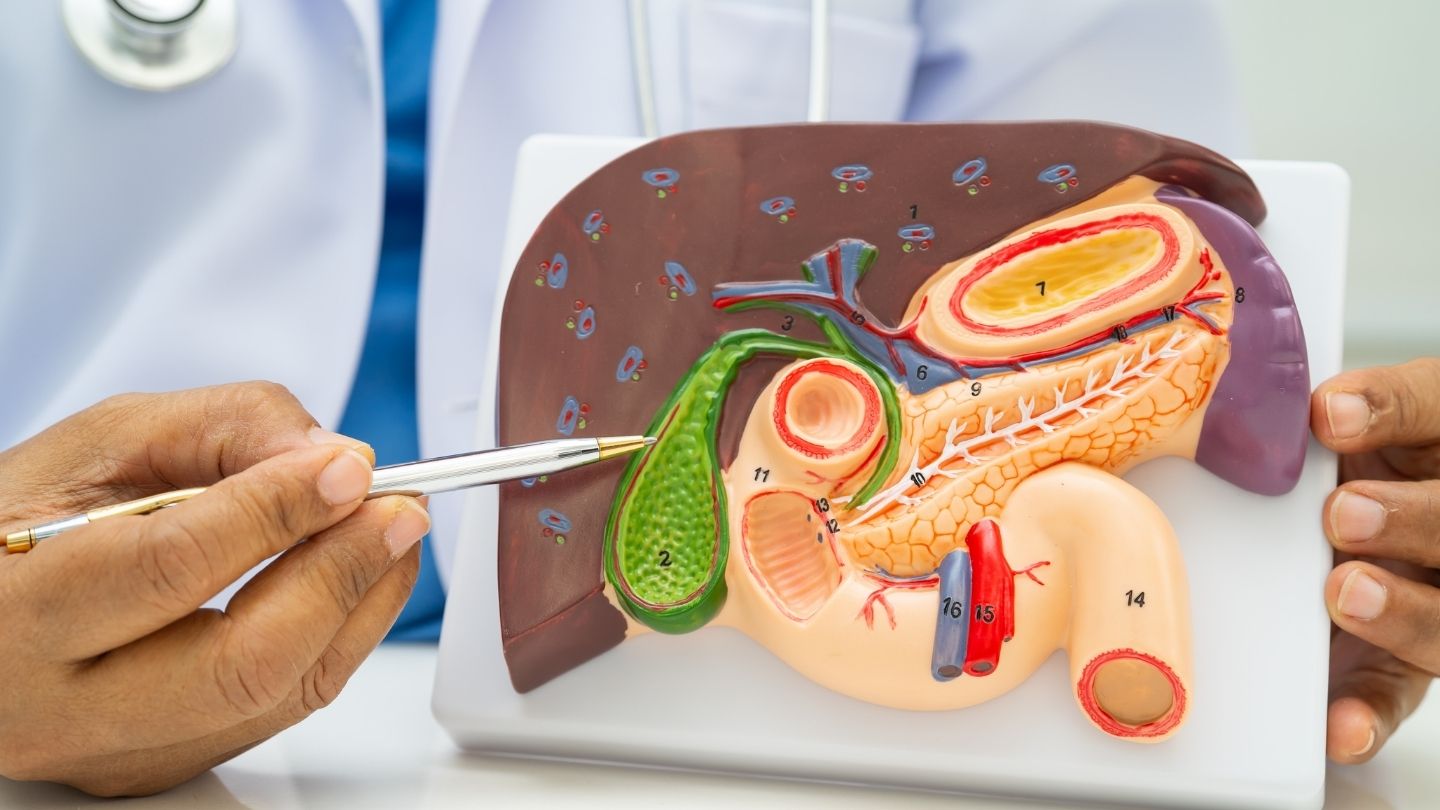
To make an informed decision, it’s essential to begin by understanding when gallbladder removal surgery is necessary, especially if you’re experiencing recurring symptoms that interfere with daily life. Undergoing gallbladder removal surgery can provide a significant respite from the severe pain and digestive problems caused by gallbladder disease. The procedure often results in considerable improvement for patients suffering from persistent abdominal pain and ongoing digestive issues, particularly removing the source of discomfort due to gallstones.

Experiencing freedom from constant upper right abdomen distress or sharp episodes of biliary colic can greatly enhance daily living. This isn’t merely a short-term solution. It paves the way for sustained improvement in overall health and day-to-day activity levels. Numerous patients report marked improvements in their quality of life following surgery, liberated from continuous digestive complications such as upper abdominal pain and post-cholecystectomy syndrome.

Embarking on a journey toward a life without pain frequently entails deciding to proceed with gallbladder surgery. By extracting the organ that is causing pain, this intervention tackles the underlying issue, leading to an existence defined by greater comfort and significantly lessened abdominal irritation. Although adapting post-surgery may require some effort, these transient obstacles are typically overshadowed by enduring positive outcomes.

Prevention of Gallstone Recurrence

Gallstone-related discomfort and complications are frequently triggered by recurring bouts of pain. Gallbladder removal surgery, on the other hand, effectively removes the potential for new gallstones to develop and eradicates gallstone disease since it eliminates the organ where stones might form. This results in a definitive resolution to issues related to the gallbladder.

Undergoing a procedure to remove the gallbladder markedly diminishes instances of biliary colic and its associated risks, like inflammation or infections that come with biliary diseases. With this type of surgical intervention, you’re liberated from persistent concerns about enduring another excruciating episode, enabling you to engage fully with life without constant disruptions.

There is substantial relief in knowing that your body won’t be plagued by future formations of gallstones. The reduced risk translates into fewer unexpected trips seeking emergency medical care and less apprehension over possible severe outcomes, which fosters an overall sense of calmness conducive to a more carefree existence.

Enhanced Digestive Health

Enhanced Digestive Health

The digestive system operates through intricate coordination to ensure proper function. After the removal of the gallbladder, bile is directly channeled from the liver into the small intestine. This aids in more effective food breakdown and can greatly improve digestive health due to a steady flow of bile.

In the beginning, individuals often go through a temporary period of adjustment with their diets, particularly when it comes to fatty foods and larger meals. With time, most find that they adapt well to their altered digestive system without enduring complications. Slowly adding fat back into one’s diet after surgery can be beneficial for nutrient absorption and comfort during digestion.

Implementing a high-fiber diet composed predominantly of whole foods can help regulate bowel movements while boosting nutrient absorption, which is a key element for maintaining good digestive health and consistent bowel patterns post-surgery. Including an abundance of fruits, vegetables, and whole grains is crucial throughout this adaptation phase. Opting for smaller portions spread out over frequent meals may facilitate smoother dietary adjustments, supporting overall digestion.

Post-gallbladder surgery patients frequently observe notable improvements in their digestive health thanks to uninterrupted bile flow, a change which positively impacts not only gastrointestinal wellness but also contributes meaningfully towards enhancing general quality of life and promoting healthier habits.

Reduced Risk of Severe Complications

The elimination of the gallbladder, a small organ tasked with storing bile, is known to substantially mitigate the risk of serious health issues and bolster both safety and assurance. Blockages within the bile ducts can precipitate grave conditions such as irreversible scarring of the liver. Having one’s gallbladder removed via surgery negates this threat. Such surgical interventions are typically executed using laparoscopic techniques, including laparoscopic cholecystectomy and open cholecystectomy procedures.

Extracting the gallbladder precludes potential infections that might provoke severe complications. The procedure significantly diminishes the chances of developing ailments like gallstone-related pancreatitis or even cancer within the organ responsible for bile storage.

This frequently conducted operation boasts an impressive track record for safety and efficacy due largely to contemporary advancements in surgical technology, which afford less invasive options associated with reduced discomfort. Regardless of whether patients undergo keyhole surgery (laparoscopic), open surgery, or any other sophisticated operative methods available today, they can look forward to expedient recovery periods paired with a considerable decrease in life-threatening complications—an outcome conducive to sustained healthiness thanks to these secure traditional (open) and modern surgical approaches.

Improved Nutrient Absorption

Removing the gallbladder can lead to enhanced nutrient uptake. Following the procedure, there is a constant movement of bile into the small intestine, which boosts nutrient assimilation. The digestive system benefits from this steady stream by more effectively breaking down and absorbing vital nutrients.

With no gallbladder in place, the body adapts by ensuring a perpetual release of bile straight into the small intestine, which is responsible for transporting bile, thus sustaining proficient digestion processes. This uninterrupted presence of bile aids in processing fats and proteins along with other important nutritional elements, guaranteeing that one’s nutritional requirements are met.

Adopting a diet abundant in whole grains and lean proteins while high in fiber greatly influences post-operative nutrient absorption sustainability. Emphasizing balanced dietary habits and conscientious eating decisions promotes not only digestive health but also overall wellness, resulting in an invigorated lifestyle marked by better health outcomes.

Stabilized Weight Management

The process of gallbladder removal can have a beneficial influence on weight control. The reinstatement of a normal appetite and the capacity to eat adequate meals aid in sustaining a healthy weight. Depending on how their bodies adjust to alterations in fat processing, some people may experience weight loss. Others might notice an enhancement in metabolism and energy expenditure.

Patients’ experiences with changes in weight following gallbladder surgery differ, but typically, the impact on managing one’s weight is favorable. Embracing nutritious eating habits and an overall wholesome lifestyle supports individuals in reaching and upholding a healthy weight level, which contributes to a more harmonious and satisfying existence.

Lower Incidence of Inflammatory Episodes

Extraction of the gallbladder decreases the chances of infections within the biliary system, which in turn minimizes medical treatments associated with inflammation. The decreased incidence of inflammation contributes to improved long-term health outcomes and diminishes the frequency of healthcare consultations.

Individuals living without a gallbladder encounter reduced occurrences of gallbladder inflammation and its accompanying pain, leading to a more comfortable existence. This enduring advantage bolsters their general wellness and lessens reliance on medical interventions aimed at treating inflammatory conditions.

Better Control Over Diet and Eating Habits

Following the removal of their gallbladder, individuals often experience improved management over their dietary practices. To sidestep digestive issues and foster overall wellness, adhering to a diet low in fat that includes an array of fruits, vegetables, and whole grains is advisable. Opt for food preparation methods such as boiling, baking, steaming, or grilling, which are gentler on the digestive tract.

Consuming meals that are smaller in size more frequently can facilitate smoother digestion while reducing potential discomfort, including high-fiber foods, particularly those with soluble fiber, which aids in normalizing bowel movements and increasing absorption of nutrients. It’s important to be conscious about what you eat post-surgery and gradually enhance your intake of fiber to circumvent gas formation and abdominal cramping.

Post-gallbladder surgery also offers better regulation over appetite, resulting in healthier selections when it comes to food choices, leading to superior diet regulation over time. This level of control plays a significant role not only in achieving but also in maintaining an ideal body weight, thus supporting enduring health within one’s digestive system.

Increased Energy Levels

Increased Energy Levels

Undergoing gallbladder removal can lead to a notable enhancement in energy levels, as it addresses chronic pain and digestive problems, enabling the body to operate with greater efficiency. This surge in energy often results in individuals experiencing an elevated sense of vitality after surgery, which helps them become more involved in everyday activities and maintain a more vigorous lifestyle.

The absence of the gallbladder improves the body’s proficiency at digesting food and assimilating nutrients, leading to yet another increase in overall energy. This heightened energetic state underpins a healthier existence and contributes significantly to enjoying life’s daily pursuits more intensely while achieving an improved quality of life.

Financial Benefits from Reduced Medical Costs

Financial Benefits from Reduced Medical Costs

Undergoing gallbladder removal surgery can result in considerable long-term financial benefits by obviating the need for continuous management of gallbladder disease. The subsequent improvement in health leads to decreased healthcare costs and heightened productivity. In the United States, the expense associated with gallbladder surgery falls between $10,000 and $20,000. Anticipated savings from lessened medical interventions substantiate its cost-effectiveness.

Opting for ambulatory surgery centers over traditional hospital settings when having a gallbladder removed may bring down the total cost due to their lower operational expenses. Enrolling in clinical trials focused on gallbladder removal could allow individuals to access treatment at minimal or no expense, which can alleviate financial strains significantly.

These economic efficiencies provide substantial relief after undergoing such a procedure by contributing to fiscal stability. Post-surgery individuals thus enjoy peace of mind as they are not burdened with recurrent healthcare expenditures and can concentrate on recovering and maintaining their health without additional stress related to costs.

Embracing a Healthier Future After Gallbladder Surgery

Gallbladder removal can offer lasting benefits for individuals suffering from chronic gallbladder issues, such as gallstones or inflammation. Over time, many patients experience significant relief from digestive discomfort and a noticeable improvement in quality of life. By eliminating the root cause of persistent abdominal pain and dietary distress, gallbladder surgery often leads to greater long-term wellness and fewer gastrointestinal complications.

At Wellstar Comprehensive Bariatric Services, we specialize in advanced, minimally invasive techniques for gallbladder removal in Cobb County, as well as surrounding areas including Marietta, Smyrna, Austell, LaGrange, and West GA. If you’re experiencing symptoms that may be linked to gallbladder dysfunction, we’re here to provide a personalized surgical plan that prioritizes your comfort and long-term health. Let us help you move forward with confidence and clarity—your path to digestive relief starts here.

Frequently Asked Questions

What are the long-term benefits of gallbladder removal surgery?

Long-term benefits of gallbladder removal surgery include relief from chronic pain, prevention of gallstone recurrence, and improved digestive health. Additionally, patients may experience better nutrient absorption, reduced risk of complications, and enhanced overall well-being.

How does gallbladder removal affect digestion?

Gallbladder removal results in continuous bile flow into the small intestine, which can enhance food breakdown and digestion.

Most individuals adapt over time, often experiencing improved digestive health and nutrient absorption.

Will I need to follow a special diet after gallbladder removal?

After having your gallbladder removed, it is recommended to maintain a diet that is low in fat and to eat smaller meals more often throughout the day to aid in digestion.

Adding foods rich in fiber to your diet while steering clear of fatty, spicy, and processed foods can also help you avoid any digestive issues.

Can gallbladder removal surgery lead to weight loss?

Gallbladder removal can lead to weight loss due to altered fat digestion and improved metabolism, although individual results may vary.

It is essential to monitor changes post-surgery, as they can differ from person to person.

Acid Reflux vs GERD Differences and How to Manage Them Effectively

Acid Reflux vs GERD Differences and How to Manage Them Effectively

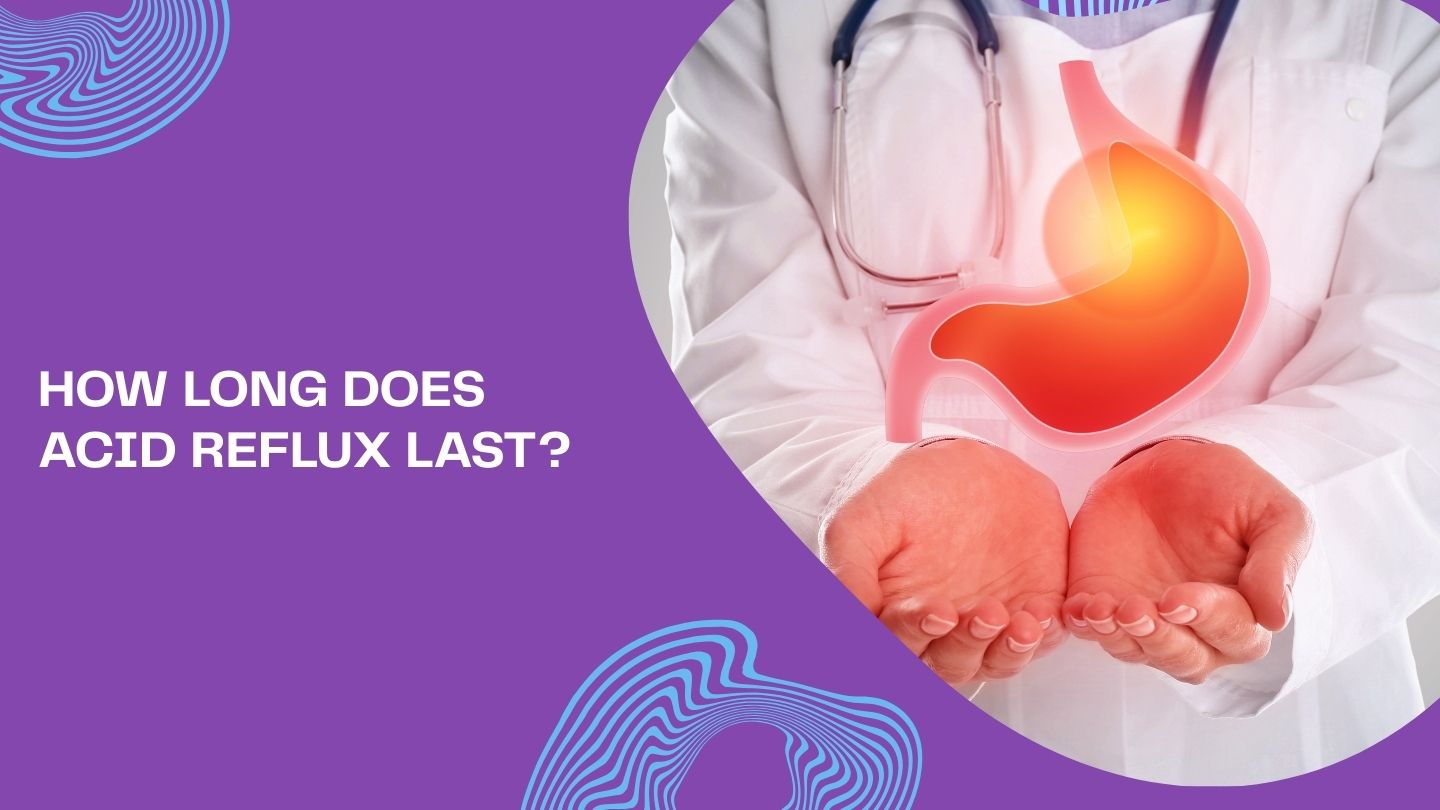
When it comes to the differences between acid reflux and GERD and how to manage them, understanding the nuances is key. Acid reflux is sporadic and often manageable through lifestyle changes, while GERD is a chronic issue requiring more persistent treatment. This blog breaks down these conditions and offers management tips.

Key Takeaways

  • Acid reflux is a temporary condition characterized by the backflow of stomach acid into the esophagus, while GERD is a chronic form of acid reflux occurring more than twice a week with more severe symptoms.
  • Management strategies differ: occasional acid reflux can often be treated with lifestyle changes and over-the-counter medications, while GERD typically requires prescription medications and may involve surgical interventions.
  • Untreated GERD can lead to serious complications, including esophagitis and Barrett’s esophagus, which increases the risk of esophageal cancer, emphasizing the importance of early diagnosis and management.

Understanding Acid Reflux

Understanding Acid Reflux

Acid reflux occurs when stomach acid moves back up into the esophagus, leading to a painful or burning sensation. This typically happens if the lower esophageal sphincter (LES), a ring-like muscle serving as a gateway between your esophagus and stomach, relaxes inappropriately, permitting the backward flow of stomach contents. The LES may become weak or malfunction, which is when acid reflux ensues. To gain clarity on the causes and management and better understand acid reflux and GERD, it’s essential to explore their symptoms, triggers, and treatment options.

The symptoms often associated with acid reflux comprise a burning feeling within one’s chest region, commonly known as heartburn. There are other indicators, like experiencing an upward surge of gastric content into the esophagus that irritates its lining – this process is termed acid regurgitation. Those who routinely suffer from heartburn might notice these symptoms intensifying following the consumption of substantial meals or adopting horizontal positions shortly after eating. Such events should be taken into consideration in the discussion on acid reflux.

Crucially important in controlling instances of acid reflux is maintaining proper functioning of the LES by altering certain lifestyle practices—for instance, favoring smaller meal portions and avoiding foods that trigger discomfort can help reduce episodes linked to acid reflux. For immediate symptom alleviation during acute occurrences, antacids can neutralize excess gastric acids effectively, while H2 blockers aim at curtailing their production within your system for more sustained relief.

What is GERD?

Gastroesophageal reflux disease (GERD) is a condition characterized by persistent acid reflux and is associated with digestive and kidney diseases. It’s typically identified when symptoms of acid reflux present themselves more than two times per week. Frequent episodes of gastroesophageal reflux can weaken the esophagus’ ability to contain stomach acids, allowing them to flow back into the esophagus more easily. The continuous assault from stomach acid may lead not only to discomfort but also to potential long-term issues, making GERD a pressing health matter for numerous individuals.

The signs of GERD are often far worse and regular compared to those experienced with occasional bouts of acid reflux. Persistent heartburn and challenges in swallowing are among the common symptoms noted, along with chest pain and a sour or bitter taste that persists in one’s mouth. These indicators can significantly impact an individual’s everyday life and overall well-being, frequently necessitating professional medical care.

For accurate confirmation of GERD diagnosis, medical practitioners might employ diagnostic methods, including barium X-ray or upper endoscopy examinations, that allow visualization within the esophagus while evaluating damage caused by acidic exposure. Detecting gastroesophageal reflux disease early plays a crucial role in effectively managing it before any serious complications arise.

Key Differences Between Acid Reflux and GERD

Key Differences Between Acid Reflux and GERD

Acid reflux and GERD both result in the upward flow of stomach acid into the esophagus, yet they are differentiated by how often and intensely symptoms present themselves. While occasional acid reflux happens sporadically due to certain dietary choices or behaviors, GERD manifests with more frequent (occurring more than twice weekly) and severe symptoms. Heartburn related to GERD tends to be stronger and longer-lasting compared to the less intense heartburn that accompanies episodic acid reflux.

The strategies for handling acid reflux versus those for managing GERD differ substantially. For dealing with infrequent bouts of acid reflux, lifestyle changes coupled with over-the-counter remedies usually provide relief. In contrast, addressing GERD might necessitate prescription medications or even surgical procedures aimed at alleviating persistent symptoms and forestalling Health issues. Recognizing these differences is crucial for applying appropriate treatment measures that can significantly enhance one’s well-being.

Common Symptoms of Acid Reflux and GERD

Common Symptoms of Acid Reflux and GERD

Acid reflux and GERD frequently lead to symptoms like chest pain, which is often accompanied by a burning sensation known as heartburn. This discomfort typically manifests after meals and is considered a defining feature of these digestive conditions. Understanding how to accurately convey the nature of heartburn includes recognizing its link with the mentioned symptoms.

There are other indications that may accompany acid reflux, such as the backflow of stomach contents or sour liquid, non-cardiac related chest discomfort, and feelings of nausea. Individuals could also endure swallowing difficulties, experience persistent coughing, or notice an acidic taste in their mouth. Correctly identifying this range of symptoms is essential for proper diagnosis and treatment strategies. Taking prompt measures can prevent acid reflux from developing into more severe GERD while averting Health issues.

Risk Factors and Causes

Numerous factors and causes can lead to the onset of acid reflux and GERD, including:

  • A considerable risk factor is obesity, which heightens the probability of developing GERD.
  • Lifestyle habits such as smoking or consuming high-fat foods may worsen the symptoms associated with GERD.
  • Fatty foods are particularly known to elevate stomach acid production, resulting in more instances of acid reflux.

Medical conditions that slow gastric emptying might play a role in increasing susceptibility to GERD by raising stomach pressure. The bodily changes and added abdominal pressure during pregnancy also serve as a contributing risk factor for this condition. Certain medications, like aspirin, have been noted for their ability to weaken the lower esophageal sphincter, thus intensifying symptoms related to acid reflux.

Should GERD remain unchecked chronically, it significantly increases the risks connected with Barrett’s esophagus, an affliction characterized by abnormal cellular transformation within the esophagus. Being overweight or obese compounds these dangers due to increased strain on the abdominal regions, leading to exacerbated reflux issues. For individuals diagnosed with Barrett’s esophagus, periodic surveillance endoscopies become imperative tools for monitoring dysplasia levels while keeping vigilant against early indicators of cancer within the esophagus.

Complications of Untreated GERD

If not addressed, GERD can lead to severe consequences. Esophagitis is a prevalent outcome and involves inflammation of the esophagus due to consistent acid exposure. This condition may result in discomfort and create difficulty swallowing, which could degrade one’s quality of life.

A more alarming complication that can arise from untreated GERD is Barrett’s esophagus. In this condition, abnormal cells replace normal ones within the esophageal lining, thereby escalating the risk for developing a dangerous type of cancer known as esophageal adenocarcinoma. Individuals diagnosed with Barrett’s esophagus face a substantially increased threat of contracting this form of cancer compared to those without it. They encounter an approximate annual cancer risk between 0.1% and 0.3%.

It is crucial to identify and manage GERD promptly in order to prevent these serious complications from occurring.

Managing Occasional Acid Reflux

Addressing occasional acid reflux typically requires some adjustments to one’s lifestyle habits. Ceasing smoking can markedly enhance digestive health, and decreasing alcohol intake may lessen stomach acid production, thereby diminishing the likelihood of experiencing acid reflux episodes. Including foods such as bananas and oatmeal in your diet could calm the stomach and mitigate reflux symptoms.

To reduce stress on the lower esophageal sphincter, which stops it from loosening improperly, it is advisable to eat smaller meals more regularly throughout the day. For immediate symptom relief, over-the-counter remedies like antacids are effective in neutralizing excess stomach acid. Alternatively, H2 blockers can decrease stomach acid output. To avoid nighttime bouts of reflux that disrupt sleep quality, raising the head-end of your bed between six and eight inches during meals is beneficial.

Steering clear of known dietary triggers, including spicy culinary creations and specific acidic foods or beverages with carbonation, can also be instrumental in controlling symptoms associated with this condition. Identifying personal trigger items and avoiding them accordingly will substantially aid in lessening occurrences of these uncomfortable episodes related to acid reflux.

Treatment Options for Chronic GERD

Beyond simple lifestyle changes and readily accessible over-the-counter remedies, chronic GERD management can involve powerful prescription drugs. Proton pump inhibitors (PPIs), alongside other specific medications, stand out as some of the most potent treatments prescribed to control GERD by significantly decreasing the production of stomach acid and offering sustained symptom relief. These are particularly beneficial for individuals whose severe symptoms persist despite trying alternative therapies.

Emerging interventions such as the LINX device bring renewed optimism for those suffering from GERD. The mechanism employs a string of magnetic beads that act to restrain acid reflux yet still permit food passage through the esophagus, posing a less invasive choice relative to conventional surgical procedures while demonstrating encouraging outcomes in symptom mitigation and life quality enhancement.

For more acute instances of both GERD and hiatal hernia, surgical strategies like laparoscopic fundoplication present viable alternatives. This minimally invasive approach encompasses encircling part of the upper stomach around the lower region of the esophagus with the aim of bolstering its closure capacity, hence obstructing acid reflux occurrences. Collectively, these medical solutions offer diverse approaches tailored toward efficacious long-term management of persistent GERD conditions.

When to See a Doctor

It’s crucial to recognize the appropriate time for seeking medical guidance when dealing with acid reflux and GERD. If you’re experiencing persistent symptoms that last more than two weeks, even after trying over-the-counter medications, it’s recommended to consult a doctor. Likewise, if heartburn continues despite undergoing treatment, this should prompt a visit to a healthcare professional.

Any alteration in the pattern or intensity of heartburn that interferes with sleep or daily routines calls for medical scrutiny. Symptoms such as unexplained weight loss or trouble swallowing necessitate immediate attention from a healthcare provider. Enduring nausea, vomiting, constant hoarseness of voice, wheezing, along with frequent bouts of heartburn, are signs that one should seek medical evaluation.

Preventive Measures

To stave off acid reflux and GERD, making adjustments to one’s lifestyle is essential. Achieving and sustaining a healthy weight can greatly diminish the likelihood of these conditions, while steering clear of certain foods known to provoke them, such as hot spices or citrus fruits, is key in controlling their symptoms.

Adopting additional strategies can also aid in preventing discomfort. This includes eating smaller meals more often to lessen the burden on the stomach, shunning snug attire, and remaining vertical for two to three hours post-mealtime. Exercises focused on diaphragmatic breathing could benefit some individuals by alleviating GERD-related symptoms.

Finding Relief and Long-Term Solutions

Understanding the key differences between acid reflux and GERD is crucial for taking control of your digestive health. While acid reflux is typically occasional and manageable with lifestyle changes, GERD is a chronic condition that can lead to serious complications if left untreated. Identifying the symptoms early and seeking the appropriate medical evaluation ensures better long-term outcomes and improves overall quality of life.

At Wellstar Comprehensive Bariatric Services, we provide advanced support and personalized care to help individuals overcome digestive issues like GERD. If you’re struggling with symptoms and need GERD acid reflux treatment in Marietta, Smyrna, Cobb, Austell, LaGrange, or West GA, our team is here to guide you toward effective, lasting relief through surgical and non-surgical options. Let us help you take the first step toward better health and a more comfortable life.

Frequently Asked Questions

What is the difference between acid reflux and GERD?

Acid reflux is a temporary condition characterized by occasional backflow of stomach acid into the esophagus, whereas GERD is a chronic condition marked by frequent and more severe symptoms.

What are the common symptoms of GERD?

Common symptoms of GERD include persistent heartburn, difficulty swallowing, chest pain, and a sour or bitter taste in the mouth.

It is important to seek medical advice if these symptoms occur frequently.

When should I see a doctor for acid reflux?

You should see a doctor for acid reflux if symptoms persist for more than two weeks, if over-the-counter medications fail to provide relief, or if you experience unexplained weight loss or difficulty swallowing.

Prompt medical attention is essential in these cases.

What lifestyle changes can help manage acid reflux?

Making alterations in your daily habits, like stopping smoking, decreasing the amount of alcohol you drink, eating less sizable meals, and avoiding foods that provoke symptoms, can successfully control acid reflux.

Such transformations have the potential to greatly improve both your comfort levels and general health.

What treatment options are available for chronic GERD?

The treatment options for chronic GERD encompass proton pump inhibitors, the LINX device, and surgical interventions such as laparoscopic fundoplication.

It is advisable to consult a healthcare professional to determine the most suitable option for individual conditions.

How Long Does a Gastric Sleeve Surgery Take? A Quick Guide

How Long Does a Gastric Sleeve Surgery Take? A Quick Guide

Preparing for weight loss surgery can raise a lot of questions, especially about the procedure itself. On average, gastric sleeve surgery takes about two hours, depending on factors like your overall health. In this blog, we’ll break down the timeline, from the operation to recovery, and share what you can expect every step of the way.

Key Takeaways

  • Gastric sleeve surgery typically lasts about two hours, with duration influenced by patient BMI and surgical complexity.
  • Pre-surgery preparation, including a high-protein diet and medication adjustments, is crucial for a successful procedure and recovery.
  • Long-term success after gastric sleeve surgery relies on lifestyle changes, including a balanced diet, regular exercise, and proper protein intake.

Duration of Gastric Sleeve Surgery

Individuals often inquire about the duration of gastric sleeve surgery, and it spans around two hours. This time frame is considered brief relative to other bariatric procedures. Certain personal attributes, such as a patient’s body mass index (BMI), can cause variations in how long the surgery takes. Those with higher BMIs might undergo a more prolonged procedure because of additional complexities.

Comprehending how long-sleeved surgery typically lasts assists patients in forming accurate expectations and helps alleviate concerns regarding the operation. The knowledge that proficient surgeons are dedicated to conducting the procedure with precision for optimal results can offer considerable reassurance to individuals preparing for their sleeve surgeries.

Pre-Surgery Preparation Time

Preparing for gastric sleeve surgery is essential for a smooth procedure and recovery. Approximately three weeks before surgery, patients are advised to start a pre-operative diet high in protein and low in carbohydrates to shrink the liver and reduce complications.

In the final one to two days before the procedure, patients switch to an all-liquid diet, including water, broth, gelatin, and food alternatives. Staying hydrated is crucial, so drinking plenty of water while avoiding soda and alcohol is recommended.

Patients should also stop taking certain medications, such as NSAIDs and herbal supplements, as they can increase the risk of bleeding during surgery. Increasing protein intake to at least 60 grams per day in the weeks leading up to surgery helps prepare the body for the healing process.

The Surgical Procedure

The Surgical Procedure

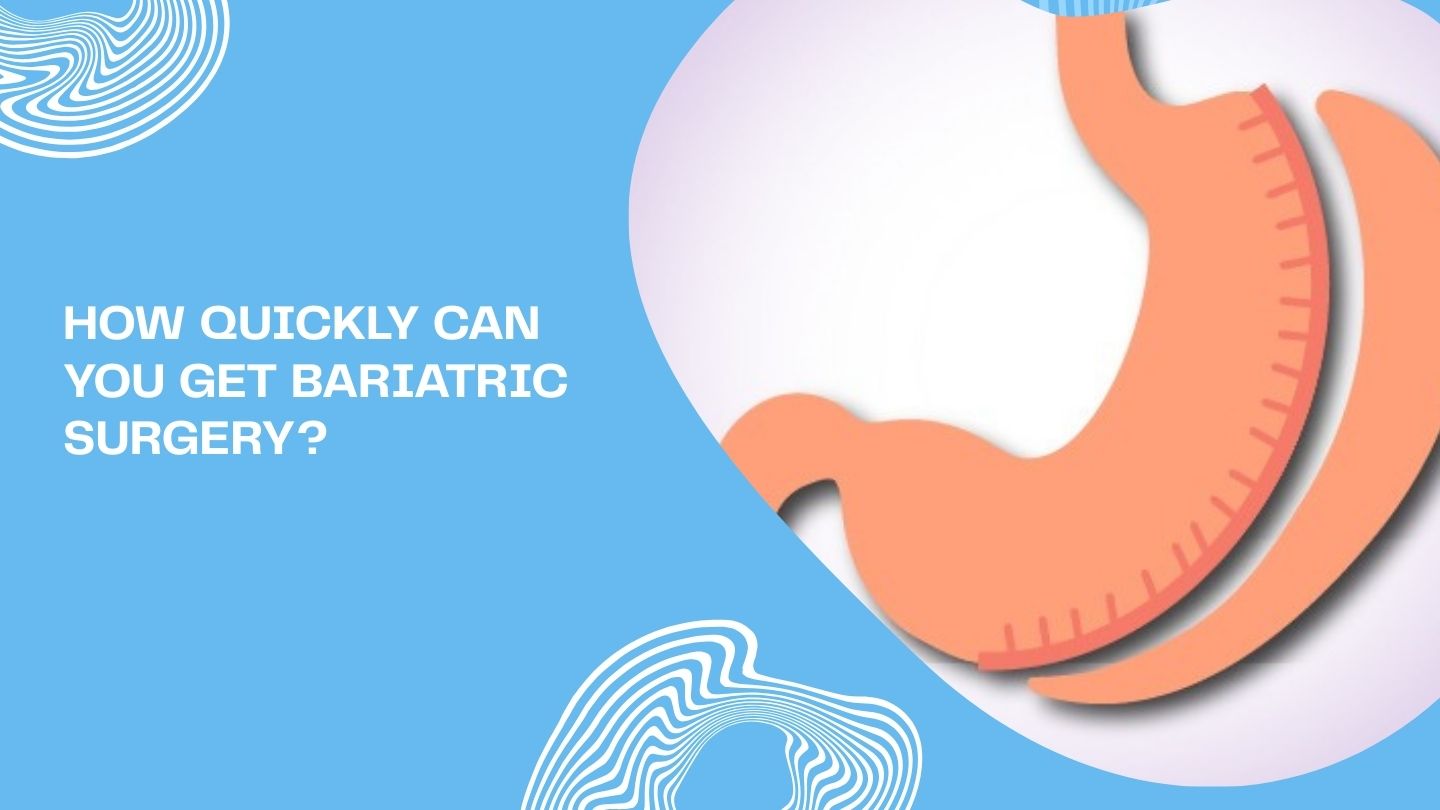
Gastric sleeve surgery, also known as a sleeve gastrectomy, is commonly carried out using small incisions through the technique of laparoscopic surgery. This less invasive method leads to shorter recovery periods and lowers the risk of post-operative complications. During this process, a portion of the stomach is crafted into a narrow tube by using a stapler along with a bougie for guidance, thus forming what’s referred to as “the Sleeve” and leaving behind only about 15% of the original stomach size. The procedure entails inflating the abdominal cavity with carbon dioxide gas to make room for the operation and inserting trocars that provide access points during surgery. While VSG (vertical sleeve gastrectomy) surgeries are widely performed to aid in weight loss goals and enhance overall health via minimally invasive means, open surgeries may be selected under specific circumstances.

To ensure there are no leaks from where the stomach has been divided, which could lead to serious complications, an endoscopy might be conducted during surgical procedures. Serving an essential role in protecting both patient safety and surgeon success rates.

Should patients have other medical conditions alongside obesity, known as comorbidities, it can complicate gastric sleeve procedures, potentially affecting how long it takes surgeons to complete them, due primarily to individualized tactics necessary when addressing these additional health challenges during surgery.

Post-Surgery Hospital Stay

Post-Surgery Hospital Stay

Typically, patients are required to spend about 24 hours in the hospital following their surgery. This duration of recovery is critical for observation and administering any requisite aftercare. During this phase, there’s a thorough monitoring process that includes managing pain levels, ensuring adequate fluid consumption, assessing mobility, and looking out for initial indicators of complications. It is an essential time frame to confirm that the patient’s post-operative progression meets expectations.

Staying in the hospital during this initial recovery stage provides medical professionals with an opportunity to mitigate any immediate adverse reactions and furnish necessary assistance as patients prepare to continue their recuperation at home. The presence within a supervised healthcare setting equipped with expert care can significantly diminish worries regarding early post-surgical outcomes and help maintain patient comfort throughout their stay.

Recovery Time at Home

After being discharged, the journey to recovery carries on within the comfort of your home. Engaging in light physical activities such as brief strolls can considerably assist in the healing process and help ward off potential complications like blood clots. It’s imperative to steer clear of demanding tasks and refrain from lifting heavy objects for an extended period post-surgery to ensure adequate healing. Maintaining hydration is also essential. Drinking 1.5 to 2 liters of water per day is advisable. Understanding what the gastric sleeve recovery time help patients set realistic expectations, follow appropriate post-operative steps, and make informed decisions that support long-term success and well-being.

It is vital to adhere strictly to dietary instructions provided by healthcare professionals, which typically include beginning with easily digestible soft foods before gradually incorporating more solid textures into meals as recommended by medical guidance. Follow-up check-ups are usually organized for two weeks following surgery and continue periodically over a one-year span so progress can be observed closely while any issues may be promptly addressed.

Remaining gently active through exercise routines and committing to respiratory exercises can aid in averting Risks like pneumonia during recuperation at home—each measure taken contributes incrementally towards a return to full health benefits associated with your newly improved lifestyle after surgery.

Read more: Exercise and Fitness After Bariatric Surgery

Factors Affecting Surgery Duration

The length of time it takes to perform gastric sleeve surgery can be affected by various elements. The proficiency and expertise of the surgeon conducting the Sleeve Surgery are crucial since those with more experience tend to finish the procedure more quickly. The general health status of the patient, along with any concurrent health conditions, may also alter how long the surgery lasts.

Grasping these determinants is essential for establishing feasible anticipations and highlights why selecting a capable surgical team with ample experience is paramount. Since every individual’s path through this process differs, surgeons customize their methods meticulously to secure an optimal outcome in terms of both shape and health after gastric sleeve surgery.

Importance of Protein Intake After Surgery

Ensuring adequate protein consumption is essential for recovery following gastric sleeve surgery. Protein serves as a critical component in the healing process, promoting the well-being of various body parts, including:

  • Skin
  • Hair
  • Bones
  • Nails

To support these tissues, protein intake plays a crucial role in preserving muscle mass during fat loss, leading to more beneficial weight reduction outcomes.

After undergoing Sleeve Surgery, patients may find it necessary to incorporate liquid protein supplements into their diet to fulfill their daily protein requirements. Women are advised to consume between 60 and 80 grams of protein per day, while men should aim for about 70 to 90 grams. By focusing on dietary proteins after the procedure, individuals can provide their bodies with vital nutrients needed for successful healing and overall health improvement post-operation.

Long-Term Lifestyle Changes

Long-Term Lifestyle Changes

To ensure the success of gastric sleeve surgery, it is imperative to persistently follow a regimen that includes proper dieting, exercising, and lifestyle alterations. Failure to adhere to these recommended adjustments can result in inadequate weight loss or subsequent weight regain after the procedure. Establishing lasting dietary habits and engaging in consistent physical activity are fundamental for avoiding such outcomes.

It’s particularly important for patients who have undergone Sleeve Surgery to focus on a nutrient-rich diet with an emphasis on protein while reducing intake of sugars and carbohydrates for sustained weight management. Embedding nutritional choices and exercise into one’s daily schedule — targeting roughly 30 to 45 minutes of active movement several times weekly — not only supports ongoing weight reduction but also enhances overall health by fostering beneficial lifestyle patterns that may modify hunger hormones favorably, facilitating more rapid shedding of excess pounds.

Participation in support groups offers additional reinforcement for those looking to preserve their post-gastric sleeve weight loss achievements. The communal environment provides both motivation and accountability, which can greatly aid individuals aiming to maintain their healthier body mass in the long term.

Health Benefits Beyond Weight Loss

Patients who undergo gastric sleeve surgery frequently experience considerable health improvements beyond the reduction of body weight. Symptoms associated with sleep apnea often diminish or completely subside for individuals who have had this procedure. It is common to observe notable progress in managing high blood pressure, leading to a decreased dependence on medications.

Weight loss surgery, such as the gastric sleeve, can dramatically enhance outcomes for those suffering from type 2 diabetes by increasing insulin sensitivity and fostering better control over blood sugar levels shortly after the operation. These advantages, combined with weight reduction, contribute substantially to enhancing both longevity and life quality by combating conditions linked to obesity. Various bariatric surgeries that are performed offer similar benefits in terms of health and weight management success.

Ready to Take the Next Step Toward a Healthier You?

Understanding how long gastric sleeve surgery takes helps set realistic expectations for your weight loss journey. While the procedure itself typically lasts between 60 and 90 minutes, the complete process—from pre-op evaluations to post-op recovery—requires careful planning and commitment. It’s not just about the time in the operating room but about embracing a transformative path that leads to lasting health and wellness.

At Wellstar Comprehensive Bariatric Services, we guide you through every stage of the gastric sleeve journey with compassion and expertise. If you’re searching for a trusted gastric sleeve surgeon in East Cobb, Marietta, Smyrna, Austell, LaGrange, or West GA, our team is here to support your goals with personalized care, advanced surgical options, and long-term lifestyle guidance. Start your journey to better health with us—because a healthier future starts with the first step.

Frequently Asked Questions

How long does gastric sleeve surgery take?

Gastric Sleeve Surgery typically takes about two hours to complete. This timeframe is crucial for patients to understand when planning for the procedure.

What dietary changes are required before gastric sleeve surgery?

It’s essential to start a diet that is high in protein and low in carbohydrates three weeks before undergoing gastric sleeve surgery. Then switch to an exclusively liquid diet two to three days ahead of the surgery. Adhering to this nutritional regimen not only facilitates weight loss but also helps shrink the liver, which can improve the results of the surgical procedure.

How important is protein intake after surgery?

Protein intake is essential after surgery for effective healing and maintaining muscle mass, with recommended daily amounts of 60 to 80 grams for women and 70 to 90 grams for men.

Meeting these protein needs can significantly enhance your recovery process.

What are the long-term health benefits of gastric sleeve surgery?

Gastric Sleeve Surgery offers significant long-term health benefits, including improvements in sleep apnea, high blood pressure, and type 2 diabetes. These enhancements contribute to a better overall quality of life.

How to Navigate Emotional Changes After Weight Loss Surgery: Tips and Support

How to Navigate Emotional Changes After Weight Loss Surgery: Tips and Support

Emotional changes are a common part of the journey after weight loss surgery. This blog explores how to navigate challenges like anxiety, depression, and body image issues. Discover ways to recognize triggers, develop healthy coping strategies, and build a supportive network to maintain your emotional well-being post-surgery.

Key Takeaways

  • Emotional changes post-weight loss surgery are common and can include feelings of anxiety, vulnerability, and depression; recognizing these emotions is crucial for adjustment.
  • Developing healthy coping mechanisms, such as mindfulness and engaging in hobbies, can significantly improve emotional well-being and help manage emotional eating.
  • Building a strong support system and setting realistic expectations are essential for navigating the emotional journey after weight loss surgery.

Understanding Emotional Changes Post-Surgery

Undergoing weight loss surgery, such as gastric bypass or other forms of bariatric surgery, can result in a wide array of emotions. Patients may oscillate between heightened irritability and depression while adapting to the alterations in their lifestyle. The emotional strain from this type of surgery often originates from the demands of significant lifestyle adjustments like strict dietary regimens or confronting physical side effects, including dumping syndrome.

After undergoing weight loss surgery, it’s not uncommon for patients to grapple with a sense of vulnerability and trepidation toward change. They typically experience a mixture of eagerness and nervousness regarding the procedure, which can be daunting to manage. Mental health issues like anxiety and stress frequently arise as individuals come to terms with their altered way of life, driven by an apprehension towards unfamiliar situations.

Post-surgery emotional adjustments might include battling against tendencies for emotional eating or potentially developing eating disorders such as bulimia or anorexia, along with various psychological concerns.

Nevertheless, there is a positive aspect. Attaining newfound health milestones coupled with self-acceptance could contribute substantially to one’s enhanced state of emotional well-being. By acknowledging these shifts in emotionality and recognizing them as typical facets within the recovery journey, one allows for better navigation through one’s evolving affective landscape.

Recognizing Emotional Triggers

Recognizing the triggers that activate your emotions is a crucial initial step in overseeing your emotional health following weight loss surgery. Utilizing journaling as a method can be highly effective. Documenting how you feel during times of stress, sorrow, or anxiety can reveal recurring patterns and catalysts linked to detrimental eating habits.

Inquiring about what precisely instigated the emotion and pinpointing the specific feelings at that time is essential. Identifying these habitual responses is instrumental for controlling emotional eating and establishing more beneficial methods for coping, which are vital actions for sustaining emotional equilibrium post-surgery.

Developing Healthy Coping Mechanisms

Having pinpointed the emotional triggers that lead to your eating habits, it’s essential now to establish positive ways of dealing with them. Engaging in mindfulness can aid you in acknowledging and handling these triggers for emotional eating more adeptly. Techniques such as cognitive behavioral therapy and mindful eating require you to be fully conscious while dining, concentrating on selecting foods that are good for you. These methods strengthen your ability to cope emotionally and diminish nervousness during the transitional phase after weight loss surgery.

Even gentle physical activities like strolling have a notable effect on elevating your spirits and regulating stress levels. Delving into hobbies or artistic endeavors, such as sketching or painting, can offer valuable means for alleviating stress, too. Discovering new pastimes may also amplify sensations of achievement while steering attention away from food-centric thoughts.

Adopting strategies such as writing in a journal, meditating, exercising regularly, and pursuing creative ventures are all healthy approaches to coping with tension. Integrating these practices consistently into daily life assists in minimizing stress while nurturing one’s emotional wellness overall. It is beneficial, then, to pivot away from food-centered preoccupations towards alternative, satisfying pursuits that support a sounder emotional state.

Building a Strong Support System

Building a Strong Support System

Establishing a robust support network is crucial for coping with the emotional changes associated with weight loss surgery. Assistance from family, friends, or dedicated support groups can play an essential role in dealing with the emotional adjustments after shedding pounds surgically. Such supportive connections contribute to healthy conversations about self-image and acceptance, bolstering motivation and emotional health.

Participating in support groups or virtual communities provides a space where individuals on similar paths can share their experiences. Should you find yourself without close-knit backing, consider becoming part of a group that offers camaraderie to those seeking guidance. Embracing empathy towards oneself while reaching out for assistance is key when experiencing the emotive upheaval following your procedure.

Having access to a strong network of bariatric support peers can simplify your path post-surgery by minimizing stress and significantly enhancing your overall mental well-being throughout this journey.

Improving Body Image

Improving Body Image

Enhancing one’s self-perception is a vital part of the emotional evolution following weight loss surgery. Those who undergo such procedures may face concerns about their altered body image, shifts in lifestyle habits, and evolving interpersonal dynamics post-surgery. Common issues can include developing wrinkles on the face and experiencing sagging skin after shedding a considerable amount of weight. Despite this significant loss, individuals might still grapple with feelings associated with being overweight that can affect their sense of self.

The concept of body image encompasses your view regarding your own physical form, which can be shaped by myriad influences like cultural norms and personal history. Should struggles with body image become overwhelming, it’s important to seek assistance from medical professionals or support networks available to you. Documenting physical changes through photographs and measurements may serve as an effective method for enhancing morale.

Choosing attire that flatters your new shape and promotes confidence plays an essential role in fostering positive perceptions about oneself, both mentally and physically, and serves as a crucial step toward nurturing enhanced self-regard along with better overall health outcomes during this transformative journey.

Managing Relationship Dynamics

After undergoing weight loss surgery, individuals may find it difficult to navigate the complexities of relationship dynamics. The process can reveal challenges such as a lack of support from partners or feelings of resentment and jealousy, which often lead to tension in long-standing relationships. There is also an observed correlation between weight loss surgery and increased rates of divorce. To address these issues, it’s imperative for individuals to engage in open communication about the stressors they’re facing while also building a strong network for emotional support.

Securing assistance from counselors or participating in support groups can be pivotal for both partners dealing with the emotional changes post-surgery. These transformations might cause shifts in self-image and affect perceptions regarding how others view them. It’s essential to handle these transitions sensitively, ensuring that there is sufficient backing throughout this journey.

Finding Joy in New Hobbies

Finding Joy in New Hobbies

Discovering pleasure in new pastimes is an excellent strategy for enhancing emotional well-being following weight loss surgery. These hobbies act as a positive channel for the various emotions that surface throughout this transformative journey, offering substantial benefits to your emotional state and contributing to a sense of achievement.

Moving your attention away from food and towards engaging pursuits can greatly support emotional healing after weight loss surgery. Diving into different hobbies that delight you helps minimize stress and elevate your life’s overall enjoyment. Seize the chance to delve into fresh interests and enthusiasms as you cultivate a new lifestyle with beneficial health habits.

Setting Realistic Expectations

It’s essential to establish realistic expectations for outcomes after loss surgery to preserve a healthy body image and emotional state. Prior to embarking on weight loss surgery, it is important to anticipate the need for emotional adjustments in response to various potential results. Setting incremental, achievable objectives can promote ongoing motivation and feelings of accomplishment during the post-surgery phase.

Acknowledging minor victories throughout your weight loss journey can cultivate an optimistic attitude. Redirecting attention from physical attributes towards personal development aspects, such as enhanced self-esteem versus struggles with low self-esteem, encourages practicing kindness toward oneself and sustaining a positive emotional state during the process of losing weight, which contributes greatly to considerable weight reduction and successful outcomes. Adopting habits like savoring smaller meal portions aids this progression.

Keep in mind that success in this journey isn’t solely defined by scale numbers, but also encompasses one’s comprehensive mental and emotional well-being.

Seeking Professional Help

It is essential to seek support when emotional challenges become too much to handle alone. Professional counseling can help manage these issues and create efficient coping mechanisms both before and after surgery. Cognitive Behavioral Therapy (CBT) is particularly suggested for dealing with negative feelings and fostering a more positive self-perception after the operation. Before surgery, it’s important to know the top questions to ask your weight loss surgeon, such as details about the procedure, risks, and recovery.

Being mindful of your emotional health is critical, especially if you’re struggling with emotional changes after surgery. For many patients, professional counseling provides a pathway through tough periods while establishing a robust network of support. Never be reluctant to reach out for assistance when it’s necessary.

Wrapping It Up

Adjusting to emotional changes after weight loss surgery is just as important as the physical transformation. From navigating shifting self-image to managing evolving relationships, the journey requires patience, support, and self-compassion. Recognizing and addressing these emotional shifts can empower you to embrace the new version of yourself with confidence and resilience.

At Wellstar Comprehensive Bariatric Services, we understand that true success after bariatric surgery means supporting both your body and mind. Our dedicated team provides continued care and resources to help you feel emotionally prepared and supported at every stage of your journey. Whether you’re just beginning to explore options or are seeking a trusted weight loss surgeon in East Cobb, Marietta, Smyrna, Austell, LaGrange, or West GA, we’re here to guide you toward lasting, whole-person wellness. Let us walk with you on this life-changing path.

Frequently Asked Questions

What common emotional changes can I expect after weight loss surgery?

You can expect emotional ups and downs after weight loss surgery, such as agitation, anxiety, and even depression, as your body adjusts to the changes.

It’s important to be prepared for these feelings and reach out for support if needed.

How can I recognize my emotional triggers?

You can recognize your emotional triggers by journaling your feelings during stressful or anxious moments, which can reveal patterns and help you understand what sets off certain emotions.

This awareness is a key step in managing your responses effectively.

What are some healthy ways to cope with stress after weight loss surgery?

A great way to handle stress after weight loss surgery is to practice mindfulness and stay active.

Don’t forget to lean on your loved ones or join a support group for extra encouragement!

How can I improve my body image after weight loss surgery?

Improving your body image after weight loss surgery is all about embracing your progress—try taking photos to celebrate changes, wear outfits that make you feel great, and don’t hesitate to reach out to your support team if you’re struggling.

Remember, confidence is key!

When should I seek professional help for emotional challenges?

If your emotional challenges feel overwhelming, it’s important to seek professional help.

Therapy can be a great way to manage negative emotions and enhance your self-image.

How Bariatric Surgery Helps Improve Sleep Apnea: A Lifesaving Solution

How Bariatric Surgery Helps Improve Sleep Apnea: A Lifesaving Solution

How does bariatric surgery help improve sleep apnea? Simply put, weight loss from bariatric surgery can significantly reduce or even eliminate sleep apnea symptoms. By removing excess fatty tissue around the airways, the surgery helps keep them open during sleep, reducing interruptions in breathing. In this blog, you’ll learn how bariatric surgery helps improve sleep apnea and offers hope to those struggling with severe obesity and sleep apnea.

Key Takeaways

  • Obesity significantly increases the risk of obstructive sleep apnea (OSA), with a 10% weight gain leading to a six-fold increase in risk.
  • Bariatric surgery effectively reduces OSA symptoms by promoting substantial weight loss, with an 80-85% remission rate reported five years post-surgery.
  • Quality of life improvements, including enhanced mobility and reduced daytime sleepiness, are significant benefits for patients after undergoing bariatric surgery.

The Connection Between Obesity and Sleep Apnea

Obstructive sleep apnea (OSA) is a widespread condition impacting an estimated 39 million adults with obstructive sleep apnea in the United States, thereby representing a major concern for public health. Obesity stands as one of the most common risk factors associated with OSA in adults, and there exists a strong connection between them. Research suggests that individuals who are obese have a notably higher probability of developing OSA compared to those maintaining normal weight.

It’s striking to learn that just increasing body weight by 10% can potentially escalate the likelihood of experiencing OSA six times over. This substantial rise in risk stems from added weight exerting more pressure on air passages, prompting their collapse during sleep, which results in significant obstruction. Morbidly obese patients may suffer from severe forms of obstructive sleep apnea characterized by regular disruptions of breathing and overwhelming daytime drowsiness.

The reciprocal nature between sleep apnea and subsequent weight gain adds another layer to this issue. Disturbed sleeping habits interfere with metabolic functions and appetite regulation, often resulting in additional weight gain. This creates a cycle that poses extreme difficulties for those diagnosed with OSA when trying to lose excess weight through conventional methods while also seeking to improve sleep quality.

For many patients facing these combined challenges, standard approaches like dieting and exercise often prove insufficient. In such cases, professionally administered bariatric surgery becomes a medically guided alternative. It addresses both the mechanical and metabolic contributors to OSA and offers a pathway for long-term weight management and symptom relief.

Understanding Bariatric Surgery

Metabolic surgery, also referred to as bariatric surgery, is a medical intervention aimed at facilitating weight loss and boosting metabolic function through alterations in the digestive system’s structure. Individuals who undergo bariatric surgery can expect a tailored approach that takes into account their specific requirements and aspirations for successful weight reduction.

State-of-the-art surgical procedures that feature less invasive laparoscopic methods have transformed the patient experience by diminishing discomfort and expediting recuperation. These advanced techniques not only contribute to considerable weight reduction but also bolster sustained improvements in health.

Key surgeries performed include Laparoscopic Sleeve Gastrectomy and Roux-en-Y Gastric Bypass. The former entails excising roughly 80% of the stomach, which results in decreased appetite and lower production of hunger-inducing hormones. In contrast, Roux-en-Y Gastric Bypass involves forming a tinier stomach pouch and altering intestinal pathways, leading to diminished food consumption and nutrient absorption—both playing pivotal roles in assisting patients with attaining lasting, substantial weight loss achievements.

Read more: Am I Eligible for Bariatric Surgery?

How Weight Loss from Bariatric Surgery Reduces OSA Symptoms

Undergoing bariatric surgery can significantly enhance the management of several health issues, such as diabetes and hypertension. Notably, it also has a marked impact on obstructive sleep apnea (OSA). The weight reduction following the procedure is instrumental in alleviating symptoms associated with OSA. For numerous individuals, this diminishes fat deposits surrounding the upper airway area, which helps prevent its collapse while sleeping and reduces OSA severity.

After their surgeries are complete, patients must adopt new eating habits and maintain consistent physical activity to preserve their weight loss benefits and optimize overall health outcomes. Comprehensive support services, including nutritional guidance and behavioral therapy programs, are crucial for ensuring long-term success in managing weight. These services help patients develop sustainable lifestyle changes, which are vital for maintaining their weight loss and improving overall health.

Despite these strides forward in treating OSA through substantial weight loss from bariatric surgery, some individuals may continue to encounter challenges related to persistent obstructive sleep apnea after their operation. This highlights that ongoing observation remains crucial, along with considering additional interventions if necessary for effective management of OSA post-surgery.

Long-Term Impact on Sleep Apnea After Bariatric Surgery

Long-Term Impact on Sleep Apnea After Bariatric Surgery

Research indicates that bariatric surgery has a significant enduring effect on obstructive sleep apnea, with remission rates reported between 80 and 85%. Five years after undergoing surgery, complete cessation of OSA symptoms was observed in 55% of individuals who were previously diagnosed.

While these outcomes are promising, approximately one-fifth of patients continue to experience moderate to severe symptoms of OSA even five years after the procedure. This highlights the need for personalized, long-term follow-up and evaluation to determine if additional medical or therapeutic interventions are necessary to address persistent symptoms.

In particular, procedures such as the Laparoscopic Roux-en-Y Gastric Bypass have demonstrated durable benefits in managing obstructive sleep disorders. Long-term studies have also found that sustained weight loss correlates with continued improvement in sleep quality and oxygen saturation levels during rest.

The effectiveness of bariatric surgery is further supported by objective improvements in the Apnea-Hypopnea Index (AHI)—a critical metric used to gauge the severity of sleep apnea. The average AHI decreased from 27.8 events per hour to 8.8 events per hour within five years after surgery, signifying a significant clinical benefit in most patients.

Cardiovascular Benefits Beyond Sleep Apnea

Cardiovascular Benefits Beyond Sleep Apnea

Bariatric surgery not only alleviates the symptoms of obstructive sleep apnea but also confers additional cardiovascular advantages. The procedure is frequently associated with a marked reduction in blood pressure and has the potential to completely reverse type 2 diabetes, both contributing factors to enhanced heart health.

Following bariatric surgery, there’s a substantial decrease—estimated between 60-70%—in the likelihood of developing heart-related ailments such as myocardial infarction and cerebrovascular accidents. This reduction is particularly crucial for individuals suffering from severe obstructive sleep apnea who face an elevated risk for major adverse cardiovascular events.

Consequently, bariatric surgery serves as more than just a treatment for obstructive sleep. It profoundly diminishes the probability of significant adverse cardiovascular incidents, thereby positively influencing long-term cardiovascular outcomes. As such, this medical intervention stands out as an impactful strategy for patients grappling with obesity and its accompanying health challenges.

Continuous Positive Airway Pressure (CPAP) Therapy Post-Surgery

Continuous positive airway pressure (CPAP) therapy is an essential treatment for managing obstructive sleep apnea, and its significance persists even after patients undergo bariatric surgery. However, adherence to CPAP therapy often decreases post-operatively, with approximately 50% of patients continuing its use.

Some individuals may reduce or discontinue CPAP usage prematurely after experiencing weight loss from surgery, potentially affecting their long-term respiratory outcomes. It is important that patients work closely with their medical providers to determine the appropriate course of action regarding continued CPAP therapy.

Ongoing reassessment through professional sleep studies, such as polysomnography, is crucial in evaluating the need for CPAP based on updated sleep patterns and OSA severity. When properly monitored and integrated into post-surgical care, CPAP can remain a valuable component of treatment—especially for those with lingering symptoms despite weight reduction. Medical supervision ensures that therapy adjustments are made safely and effectively, helping patients achieve the best possible sleep and health outcomes.

Quality of Life Improvements

For individuals undergoing bariatric surgery, there is a marked improvement in their quality of life, especially for those suffering from obstructive sleep apnea. Notable enhancements in aspects such as movement capacity, respiratory function, and sexual activity are evident five years after the procedure.

Patients frequently report decreased fatigue, improved breathing, and greater energy throughout the day, contributing to better participation in work, family life, and physical activity. These long-term improvements can also enhance emotional well-being and mental clarity.

There is also a considerable reduction in daytime sleepiness among patients who have lost weight following bariatric surgery. This decrease contributes to improved daily performance and energy levels. These improvements have been shown to persist over time, as assessed by standardized clinical questionnaires and follow-up evaluations.

Multiple peer-reviewed studies corroborate these positive outcomes. Patients have demonstrated statistically significant gains in health-related quality of life, highlighting how bariatric surgery can transform the lives of those living with obesity-related conditions like obstructive sleep apnea.

Summary

In conclusion, the strong connection between obesity and obstructive sleep apnea is undeniable, making bariatric surgery an incredibly effective intervention for those grappling with severe obesity and its related health issues. With significant weight loss achieved through procedures like Laparoscopic Sleeve Gastrectomy and Roux-en-Y Gastric Bypass, patients often experience substantial improvements in OSA symptoms, better cardiovascular health, and an enhanced quality of life.

At Wellstar Comprehensive Bariatric Services, we offer exceptional care for those seeking bariatric surgery in East Cobb, as well as in surrounding areas such as Smyrna, Marietta, Austell, LaGrange, and West GA. Our expert team is committed to providing personalized treatment plans with cutting-edge surgical options, thorough follow-up, and comprehensive support. We help patients achieve lasting weight loss and long-term health improvements, offering a potentially lifesaving solution for obesity-related conditions like sleep apnea. Ready to take the next step? Contact us today!

Frequently Asked Questions

Can sleep apnea return after bariatric surgery?

Yes, sleep apnea can return if significant weight is regained or if structural airway issues persist. Ongoing follow-up is important.

How soon after bariatric surgery will sleep apnea symptoms improve?

Some patients notice improvements within a few months, but full benefits often become clearer after sustained weight loss.

Is a sleep study needed after bariatric surgery?

Yes, a follow-up sleep study helps assess whether CPAP therapy is still necessary and evaluates changes in sleep apnea severity.

The Importance of Protein Intake After Gastric Sleeve Surgery

The Importance of Protein Intake After Gastric Sleeve Surgery

Understanding the importance of protein intake after gastric sleeve surgery is crucial for a successful recovery and sustained weight loss. Protein is essential to healing, maintaining muscle mass, and supporting overall health post-surgery. In this blog, we will explore why protein is vital, how much you need, and how to effectively incorporate it into your diet.

Key Takeaways

  • Adequate protein intake of 70 to 100 grams daily is essential for recovery and muscle maintenance after gastric sleeve surgery.
  • Incorporating both animal (e.g., meats, eggs) and plant-based (e.g., beans, quinoa) proteins into meals ensures comprehensive nutrient intake.
  • Protein supplements may be necessary post-surgery to meet nutritional needs, particularly when solid food consumption is limited.

Why Protein is Crucial After Gastric Sleeve Surgery

The significance of protein intake following bariatric surgery is substantial. It plays a central role in tissue repair, immune function, and the preservation of lean muscle mass during the rapid weight-loss phase. In the post-surgical period, the body requires increased protein to support healing and maintain strength.

Consuming adequate protein helps protect muscle mass while the body adapts to reduced caloric intake. This is essential for maintaining an active metabolism and preventing fatigue or muscle weakness. Because nutrient absorption is altered after surgery, meals must be intentionally designed to deliver maximum nutritional value—starting with high-quality protein.

Medical professionals advise that every meal should include a protein source to ensure consistent delivery of essential amino acids. A nutritionist or bariatric dietitian can help structure your post-op meal plan to meet these needs safely and effectively. Prioritizing protein is key to achieving long-term success in weight management, muscle preservation, and improved energy levels.

Protein Requirements for Bariatric Surgery Patients

Understanding how much protein your body needs after gastric sleeve surgery is crucial to supporting recovery and maintaining long-term results. While daily needs vary by individual, most bariatric surgery patients are advised to consume between 60 and 100 grams of protein each day, depending on body size, activity level, and overall health status.

In addition to meeting general intake targets, your care team may calculate your specific protein requirement using your ideal body weight—typically around 1.2 grams per kilogram. This individualized approach ensures your body gets the fuel it needs for metabolic support, immune function, and muscle maintenance.

Working with a registered dietitian is highly recommended to accurately track your intake and adjust your meal plan as your tolerance for solid foods improves. Digital food journals or tracking apps can also support your progress by helping you stay consistent with your goals.

Daily Protein Goals

The first step to guaranteeing sufficient protein intake following bariatric surgery is to set daily protein objectives. Women should consume between 60 and 80 grams of protein each day, while men are advised to strive for a slightly higher intake of 70 to 90 grams per day.

To customize your protein consumption according to your individual needs, aim for approximately 1.2 grams of protein per kilogram of your ideal body weight. Adopting this tailored strategy ensures that the amount of protein you consume aligns with the specific demands of your body. Incorporating foods rich in proteins into your meal plan will assist in meeting these targets more effortlessly.

Monitoring Your Protein Intake

Monitoring protein consumption after bariatric surgery is a critical component of your recovery plan. Most patients should aim for at least 60–100 grams of protein per day, depending on their clinical recommendations and progress during follow-up visits.

If protein from whole foods falls short—especially in the early stages when portion sizes are small—your dietitian may recommend professionally approved supplements. These are specially formulated to meet the nutritional needs of bariatric patients without added sugars or fillers.

Tracking your intake with professional guidance ensures that your recovery stays on course and prevents nutrient deficiencies. Regular consultations with your healthcare team can help fine-tune your dietary plan and ensure that you’re progressing safely toward your health goals.

High Protein Foods to Include in Your Diet

High Protein Foods to Include in Your Diet

Incorporating foods rich in protein into your diet plays a vital role in recuperation and the preservation of muscle mass after undergoing surgery. Eggs, various meats, fish, and poultry are particularly beneficial because they contain all the essential amino acids needed for bodily repair and well-being.

For individuals with specific dietary needs, plant-based sources of protein should not be overlooked. Legumes such as beans, as well as tofu and quinoa, offer valuable proteins that contribute to meeting nutritional requirements. Embracing both animal-sourced and plant-derived high-protein foods will provide a comprehensive spectrum of nutrients necessary for your body’s recovery process.

Animal Proteins

Following surgery, a diet rich in animal proteins is essential. Highly favored are lean meats, which include poultry and fish, recognized for their comprehensive amino acid profiles and robust protein levels. Grilled chicken stands out as particularly advantageous for individuals who have undergone bariatric procedures thanks to its significant protein content paired with low fat.

Eggs, along with dairy items like yogurt and cheese, make up superb sources of protein. Including these lean meats, fish, eggs, and dairy products into your dietary regimen post-surgery ensures that you receive the vital nutrients necessary for both recovery and sustained well-being after undergoing gastric sleeve surgery.

Plant-Based Proteins

Proteins derived from plants offer essential nutrients and are suitable for various dietary needs. Protein-rich legumes, including beans and lentils, contribute to a well-rounded diet with their high protein and fiber content. For those following vegetarian or vegan diets, tofu, along with other soy-based products, serve as excellent sources of protein that can be effortlessly integrated into meal preparations.

As quinoa contains all the necessary amino acids required by our bodies, it is considered a complete protein, making it an invaluable component in one’s eating plan. To ensure your meals are nutritionally rich while also considering personal dietary limitations, incorporating a variety of plant proteins such as hummus, chickpeas, and nuts is beneficial for enhancing your overall meal strategy.

Read more: Mastering Meal Prep: Portion Control for Bariatric Surgery Patients

Protein Supplements: A Necessity Post-Surgery

Protein Supplements: A Necessity Post-Surgery

After bariatric surgery, consuming enough protein from food sources alone may be difficult—particularly during the initial phases of healing. For this reason, medical professionals often recommend protein supplements to help patients meet their daily nutritional needs. These supplements are designed specifically for post-surgical use and support optimal nutrient absorption.

A registered dietitian will help determine the best type of supplement for your individual needs—whether that’s a liquid protein drink, powder, or other form. These choices will be based on your digestive tolerance, dietary preferences, and any food allergies or sensitivities.

Relying solely on over-the-counter or generic protein products is not advised without professional oversight, as not all supplements meet the strict nutritional requirements of bariatric patients. Using supplements recommended by your care team ensures you’re getting the appropriate balance of amino acids without unnecessary additives or sugar.

Types of Protein Supplements

Professionally recommended protein supplements, such as medical-grade shakes or powders, offer an effective way to meet your nutritional needs during the early stages of recovery. These are typically easier to digest and absorb, particularly while your stomach is adjusting to its new size.

In addition to shakes, your care team might suggest soft protein sources or texture-modified supplements that are tailored to your phase of recovery. Protein bars may be introduced later, once your provider confirms they are appropriate based on your progress and digestive tolerance.

It’s essential to work closely with a bariatric dietitian to ensure that the supplements you use are compatible with your medical plan and nutritional goals.

Choosing the Right Supplement

Selecting the appropriate protein supplement is a personalized process guided by your healthcare provider. Rather than experimenting with over-the-counter options, patients are encouraged to consult with a registered dietitian to find products that meet medical standards for safety, efficacy, and nutrient content.

Your care team will take into account any allergies, sensitivities, or dietary restrictions—such as lactose intolerance or vegetarian diets—and recommend a high-quality supplement that provides all essential amino acids.

Professionally guided supplement use helps ensure consistent protein intake, reduces the risk of complications, and supports a smooth recovery process.

Incorporating Protein into Every Meal

Incorporating Protein into Every Meal

Ensuring that every meal contains high-protein foods is essential for boosting intake post-surgery. Prioritizing protein at the beginning of your meals can assist in managing cravings for sugars and carbohydrates. Preparing your meals ahead of time guarantees that they are adequately stocked with high-protein options.

We will delve into useful strategies to weave protein into all aspects of your diet, including breakfast, lunch, dinner, and even snacks, aiding you in achieving your dietary objectives.

Breakfast Ideas

Breakfast choices rich in protein include Greek yogurt, shakes enhanced with protein, and various preparations of eggs. For those who have undergone surgery and require a significant intake of protein, Greek yogurt serves as an excellent choice.

Creating smoothies enriched with ingredients such as protein powder or nut butter presents an additional superb method for introducing more protein into the morning meal. Recognized for being a complete source of this essential nutrient, eggs can be adeptly added to numerous dishes.

Lunch and Dinner Options

For your midday and evening meals, opt for protein-rich options such as grilled chicken salads or stir-fries that incorporate lean meats alongside vegetables. These dishes provide the necessary high protein intake crucial after gastric sleeve surgery.

Grilled fish is also an excellent meal choice since it not only supplies ample amounts of protein but also delivers omega-3 fatty acids, contributing to a well-rounded nutritious diet.

Snack Suggestions

Snacks that are good for you, such as nuts, protein bars, and cottage cheese, can assist in sustaining steady energy levels all day long. The inclusion of cottage cheese and yogurt provides both probiotics and protein, which support the health of your digestive system.

Individuals who have undergone bariatric surgery might opt for snacks loaded with protein, like nuts, cottage cheese, and protein bars, to keep their energy consistent. Incorporating these snacks helps them achieve their necessary intake of protein even when they’re not having full meals.

Common Challenges and How to Overcome Them

Patients often face obstacles in meeting protein goals after surgery due to reduced stomach capacity, taste changes, or food intolerances. Addressing these challenges requires more than trial and error—it involves collaboration with a qualified bariatric nutritionist who can help develop a customized eating plan.

Flavor fatigue or aversion to protein foods can be managed through guided culinary strategies, including the use of herbs, spices, and professional-grade flavor enhancers that make meals more palatable without compromising nutritional value. These recommendations are best tailored to you by a specialist.

Meal spacing, protein prioritization, and portion control can also be structured with the help of your care team to make your eating routine more manageable and effective. Ongoing support from clinical experts helps you adapt to new dietary habits with confidence.

Difficulty Eating Enough Protein

Eating smaller, more frequent meals can increase your protein intake after surgery since it takes into account the decreased capacity of your stomach. By adopting this method, you are able to reach your protein targets without being burdened by hefty servings.

It’s crucial to prioritize high-quality proteins that contain essential amino acids such as leucine for maintaining muscle mass. These tactics assist in accomplishing protein objectives despite any difficulties presented.

Managing Food Intolerances

Managing food intolerances after bariatric surgery can be complex and requires professional guidance. Common concerns such as lactose or gluten intolerance should be addressed with the help of your dietitian, who can recommend medically approved alternatives that ensure you’re still meeting your protein needs.

For example, patients with lactose intolerance may be guided toward non-dairy protein sources such as soy milk, pea protein powder, or lactose-free yogurts. Gluten-sensitive individuals may benefit from approved options like quinoa, lentils, and certified gluten-free supplements.

Working with a bariatric dietitian ensures your nutritional plan remains balanced, safe, and tailored to your body’s needs—especially when navigating food restrictions.

Long-Term Benefits of Adequate Protein Intake

Ensuring a high intake of protein following surgery is crucial for sustaining long-term health advantages, such as enhanced metabolism and the maintenance of muscle mass. Supplements like whey protein, casein, and egg white proteins are particularly advantageous for individuals recuperating from bariatric surgery.

The recommendation for these supplements stems from their rich content of essential amino acids, which are fundamental to recovery post-surgery. Adhering to protein targets consistently will promote general health and well-being over an extended period.

Summary

In summary, ensuring an adequate protein intake is critical for recovery and long-term success following gastric sleeve surgery. The integration of high-protein foods, the guided use of bariatric-approved supplements, and expert support in overcoming common dietary challenges are essential components of your journey.

Wellstar Comprehensive Bariatric Services is committed to helping you achieve your nutritional and wellness goals with personalized care, dietary counseling, and long-term follow-up support. For those considering a gastric sleeve in Cobb County, including Smyrna, Marietta, Austell, LaGrange, and West GA, trust our expertise to guide your recovery with safe, effective strategies tailored specifically for you. Contact us today to begin your transformative journey.

Frequently Asked Questions

1. Can I get enough protein from a plant-based diet after gastric sleeve surgery?

Yes, with careful planning. Options like tofu, legumes, lentils, quinoa, and plant-based protein supplements can help meet daily protein goals.

2. When should I start introducing solid protein foods after surgery?

Solid proteins are typically introduced during the soft food phase, around 4–6 weeks post-op, but always follow your care team’s timeline.

3. What happens if I consistently don’t meet my protein goals?

Inadequate protein can lead to muscle loss, slowed healing, fatigue, and hair thinning. Monitoring intake helps prevent deficiencies.

What to Expect During Gallbladder Removal Surgery: A Comprehensive Guide

What to Expect During Gallbladder Removal Surgery: A Comprehensive Guide

Curious about what to expect during gallbladder removal surgery? This guide will take you through the entire process, from preparation and the different surgical methods to recovery, providing a clear picture of each step.

Key Takeaways

  • Gallbladder removal surgery, or cholecystectomy, can be performed via laparoscopic or open techniques, with laparoscopic being less invasive and associated with faster recovery.
  • Common indications for gallbladder removal include gallstones, chronic inflammation, and severe abdominal pain, prompting consultation with healthcare providers.
  • Preparation for surgery involves specific preoperative instructions, including fasting and arranging post-surgery transportation, which are critical for a safe procedure and effective recovery.

Understanding Gallbladder Removal Surgery

Gallbladder removal surgery, also known as cholecystectomy, is a procedure that entails the surgical extraction of the gallbladder—a small organ that stores bile from the liver. While this procedure is commonly performed to address gallstones and inflammation, it is also relevant to individuals who have undergone rapid weight loss, such as after bariatric surgery. In such cases, gallbladder dysfunction can occur due to the body’s metabolic changes post-surgery.

There are two primary surgical methods: laparoscopic and open cholecystectomy. Laparoscopic, also known as keyhole surgery, uses several small incisions and is less invasive. Open surgery involves a larger incision and is usually reserved for more complex cases or when complications are present.

Choosing the right surgical method depends on the individual’s condition, overall health, and the presence of any post-bariatric anatomical or digestive changes. Professional evaluation and imaging studies help guide this decision, ensuring safe and effective treatment.

Laparoscopic Cholecystectomy

A laparoscopic cholecystectomy is a surgical procedure performed through multiple small incisions to extract the gallbladder. It involves inserting surgical instruments along with a laparoscope—a slender video camera—into these openings, enabling surgeons to watch their actions on display and conduct the surgery effectively. Compared to traditional open surgery, this technique is favored for several reasons: it results in less blood loss, smaller scars, and accelerates recovery time.

In order to create more room within the abdomen, thus improving visibility and access during the operation, carbon dioxide gas inflates the abdominal cavity. The duration of this minimally invasive procedure spans 1-2 hours, after which most individuals are discharged and allowed to return home that very day. They’re often able to resume their usual activities shortly thereafter—usually within one or two weeks.

Despite the minimal risks, such as potential harm to nearby organs or bile duct injury, associated with this method, its numerous advantages make it an appealing option over conventional approaches.

Open Cholecystectomy

In an open cholecystectomy, a single cut around 6 inches in length is made, usually angled below the ribs on the right side or located at the top section of the abdomen. This traditional technique is utilized when laparoscopic surgery isn’t suitable due to severe inflammation, significant scar tissue presence, or complex issues with the gallbladder.

The operation itself spans between one and two hours. Once the gallbladder has been excised, it’s common for drains to be inserted through this incision to facilitate fluid or pus removal post-surgery.

While patients typically experience a more prolonged recovery following an open cholecystectomy compared to laparoscopic methods, it remains an essential alternative for individuals whose conditions necessitate such comprehensive surgical measures for safe gallbladder extraction.

Why You Might Need Gallbladder Removal

Why You Might Need Gallbladder Removal

Often undertaken to address issues caused by gallstones and the complications that ensue, gallbladder removal surgery serves as a solution for solid particle formations within the gallbladder that obstruct bile flow. This obstruction can result in discomfort and may lead to infections or other serious health problems. Persistent inflammation of the gallbladder or infrequent instances of cancer in this organ are also grounds for its extraction.

Despite being diminutive in size and situated beneath the liver, the gallbladder fulfills a critical function during digestion through its role in storing bile necessary for breaking down fats. The procedure to remove it is justified when retaining it proves more detrimental than beneficial—this reality makes such surgeries widespread because eliminating an offending gallbladder typically supersedes enduring recurrent pain or potentially life-threatening conditions associated with leaving it untreated.

Symptoms Indicating Surgery

Persistent upper abdominal pain, chills, and vomiting are common indicators of gallbladder problems. This pain often occurs in the upper right abdomen and may radiate to the back or shoulder blade. These symptoms could suggest gallstones obstructing bile ducts or ongoing gallbladder inflammation.

For bariatric patients, gallstone formation is a known risk due to rapid weight loss. If left untreated, these stones can lead to complications like pancreatitis or infection. That’s why it’s essential to consult with your medical team if you’ve had bariatric surgery and are experiencing any of these symptoms. Diagnostic tools such as ultrasound or HIDA scans can confirm the need for surgical removal.

Preparing for Your Surgery

Preparing for Your Surgery

Proper preparation for gallbladder removal surgery ensures a safer procedure and a smoother recovery—especially for patients with a history of bariatric procedures. Fasting after midnight, discussing current medications, and arranging transportation are all essential steps. Surgical candidates should also share any previous weight loss surgery details with their surgeon, as anatomical changes may impact how the procedure is performed.

Medical professionals use this information to tailor preoperative plans, such as adjusting anesthesia protocols or positioning techniques. Instead of trying to prepare on your own, rely on your surgical team’s specific instructions to reduce complications and ensure optimal outcomes.

Preoperative Instructions

Following your surgeon’s preoperative instructions precisely is critical to minimizing surgical risk. You’ll typically need to fast after midnight before your procedure, and only a small sip of water is allowed for medication intake several hours before surgery. This is especially important for patients who’ve undergone bariatric surgery, as your medication absorption and digestive patterns may differ.

Over-the-counter medications like NSAIDs or aspirin must be discontinued in advance, often 5–7 days prior. Your healthcare provider will give you a customized medication list. Additionally, instead of attempting any DIY skin cleansing at home, follow their recommendations for antiseptic cleansers like CHG to prevent infection. Let the clinical team handle all final preparation steps to ensure the area is sterile and safe for surgery.

Arranging Transportation and Care

Postoperative support plays a vital role in successful recovery. Since driving after surgery is not permitted, you must arrange for a friend or family member to escort you home. Patients—especially those with recent bariatric procedures—are encouraged to have someone stay with them during the first 24 hours to monitor for unexpected reactions or side effects.

Unlike self-care routines, clinical staff or caregivers trained to assist with post-op patients can better identify complications and help you follow post-surgery instructions. They can assist with mobility, nutrition, and managing any temporary dietary adjustments if digestive changes occur after gallbladder removal.

The Day of Surgery

Your surgical day begins with check-in, followed by preoperative assessments. Once you’ve changed into a gown, IV access is established to administer fluids, medications, and anesthesia. Compression boots will be applied to minimize the risk of blood clots.

You’ll meet with your anesthesiologist to discuss any customized needs based on your health history, including previous bariatric procedures, which may alter medication metabolism. In the operating room, anesthesia will be administered, and your surgical team will proceed with either laparoscopic or open removal, depending on your case.

Sterile protocols, advanced imaging, and intraoperative monitoring ensure safety throughout the process—underscoring why it’s critical to trust experienced surgical teams rather than attempt to manage care without professional oversight.

Arrival and Check-In

Upon arriving at the hospital, check-in at the PSC desk in the waiting room. Staff will ask for your name and birth date to confirm your identity and prevent mix-ups.

After check-in, you’ll be directed to change into a hospital gown, robe, and non-skid socks. An IV line will be placed in your arm to administer necessary fluids and medications.

Before the operating room, you’ll meet with an anesthesiologist to discuss the anesthesia process.

In the Operating Room

Inside the operating room, you’ll be placed under general anesthesia via an IV line by the anesthesiologist to ensure that you remain asleep throughout the surgery. A tube will also be put in place to help with your respiration as the operation takes place. The team of surgeons will sterilize the area where they’ll make incisions using a germicidal solution.

The surgeon will proceed with either laparoscopic or traditional open surgery methods to extract your gallbladder, taking great care not to harm any organs in close proximity. Although there is a small risk associated with this procedure, it’s typically considered safe and successful at resolving issues related to the gallbladder.

Post-Surgery Recovery

The recuperation period following a gallbladder removal can differ based on whether it was performed through laparoscopic surgery or an open cholecystectomy. Those who undergo the minimally invasive laparoscopic procedure often recover faster, sometimes returning home on the same day of their operation. Those who have an open cholecystectomy require a hospital stay lasting between two to three days. To promote seamless healing after either surgical approach, one must heed the advice and precautions provided by their healthcare provider.

After being discharged from surgery, patients need to focus on pain management, remain vigilant for any signs of infection, and slowly reintegrate into their regular daily activities. Although significant digestive issues are uncommon post-gallbladder removal, some individuals might experience temporary loose bowel movements, which usually subside over time with proper care. Ensuring a secure recovery encompasses both immediate follow-up care post-operation as well as attentive practices during convalescence at home.

Immediate Post-Surgery Care

Recovery in the hospital includes monitoring vital signs and managing pain, often through IV medications or PCA (patient-controlled analgesia). For laparoscopic patients, discharge may occur the same day, whereas open surgery requires a longer stay.

Instead of relying on generalized discharge plans, Wellstar-affiliated teams use detailed protocols tailored to your individual case—including dietary guidance and ambulation targets based on your pre-surgery health. These personalized checklists ensure you meet all safety benchmarks before returning home.

At-Home Recovery

At-Home Recovery

Once discharged, recovery at home focuses on incision care, gradual return to daily activities, and digestive adaptation. For patients recovering from both bariatric and gallbladder procedures, close coordination with your medical team is essential.

Bandage care should be done as your provider has advised. Instead of using over-the-counter products or guessing about healing, follow medical instructions on when and how to change dressings. Do not apply any products to the incision area unless specifically approved.

Resume activity cautiously—light walking is encouraged, but lifting or strenuous movement should be avoided for several weeks. Driving should only resume when you’re off pain medication, and your reflexes are fully functional, typically after 2–3 weeks.

Nutrition guidance will also be individualized, especially for patients who have had bariatric surgery. Hydration, gradual reintroduction of solid foods, and monitoring of digestive responses are essential steps that should be managed under the direction of your care team.

Potential Risks and Complications

Gallbladder removal surgery is generally safe but carries a small risk of complications, like any surgical procedure. The risks depend on the patient’s overall health and the specific reasons for surgery. Common complications include bleeding, infection, and bile duct injury. Infection can occur at the incision site or internally, potentially requiring antibiotics.

Deep vein thrombosis (DVT) is another potential risk, especially in patients with pre-existing conditions. Discuss these risks with your healthcare provider before surgery to ensure you’re fully informed. Understanding these risks allows you to take necessary precautions and follow all postoperative care instructions to minimize complications.

Common Risks

As with any surgery, gallbladder removal comes with risks, including bleeding, infection, or bile duct injury. These risks can increase for individuals with prior abdominal surgeries, including bariatric procedures.

To mitigate these risks, your healthcare provider will evaluate your medical history, imaging, and lab work thoroughly. Surgical planning includes steps like advanced imaging and expert surgical techniques to minimize complications. Never attempt to self-diagnose or rely on Internet remedies—early intervention and professional management are the safest paths forward.

Managing Complications

Post-surgical complications must be addressed swiftly to avoid long-term issues. Maintain ongoing communication with your surgical team, follow up on every scheduled appointment, and report signs like fever, unusual pain, or drainage from the incision immediately.

If you’ve previously had bariatric surgery, your care team may take extra steps to ensure your digestion stabilizes after gallbladder removal. Always rely on your surgeon, nutritionist, or primary care provider—not DIY forums or anecdotal advice—for medical decisions and recovery strategies.

Summary

Gallbladder removal surgery, whether performed laparoscopically or through an open approach, is a routine and typically safe procedure, particularly for patients who undergo rapid weight loss post-bariatric surgery. Understanding the symptoms, preparation steps, and recovery guidelines is essential to achieving a successful outcome.

At Wellstar Comprehensive Bariatric Services, we are dedicated to addressing gallbladder concerns as a part of your comprehensive metabolic health journey. We specialize in gallbladder removal in Cobb County and serve patients from Smryna, Marietta, Austell, LaGrange, and West GA, offering coordinated and compassionate care from diagnosis through recovery. If you’re experiencing abdominal discomfort following weight loss or bariatric surgery, contact us for expert guidance and personalized attention. Reach out to us today!

Frequently Asked Questions

1. Can gallbladder problems occur after weight loss surgery?

Yes, rapid weight loss can increase the risk of gallstones, which may lead to gallbladder issues requiring removal.

2. Will my digestion change permanently after gallbladder removal?

Most people adjust well over time, though some may experience temporary changes like loose stools or difficulty digesting fatty foods.

3. How soon can I return to a normal routine after surgery?

Recovery time varies, but most people can return to light activities within a week. Always follow your provider’s recommendations based on your procedure type.

The Effect of Smoking on GERD and Acid Reflux: What You Need to Know

The Effect of Smoking on GERD and Acid Reflux: What You Need to Know

Looking to understand the effect of smoking on GERD and acid reflux? Smoking can worsen these conditions by weakening the lower esophageal sphincter and increasing stomach acid production. This blog explores how smoking impacts GERD and acid reflux symptoms and the benefits of quitting.

Key Takeaways

  • Cigarette smoking significantly exacerbates GERD by increasing stomach acid production and impairing the function of the lower esophageal sphincter (LES), which allows acid to enter the esophagus.
  • Quitting smoking leads to a marked reduction in GERD symptoms and improves overall health-related quality of life, emphasizing the need for smoking cessation in GERD management.
  • Lifestyle modifications, including dietary adjustments and weight management, alongside smoking cessation, are essential for effectively managing GERD and preventing complications.

Understanding GERD and Acid Reflux

Gastroesophageal reflux disease (GERD), which is commonly known as acid reflux, is a widespread digestive disorder that affects countless individuals around the globe. This condition manifests when stomach acid regularly reverses its course into the esophagus—the conduit between your mouth and stomach—resulting in potential inflammation of the esophageal lining and resulting in discomfort along with various other symptoms. The term gastro-oesophageal reflux disease refers to this same set of problems.

The processes involved in acid reflux are intricate and involve several components, such as the lower esophageal sphincter (LES), stomach acid, and intra-abdominal pressure. Acidic contents from the stomach can make their way back up into the esophagus if there’s an abnormal weakening or relaxation of LES—a muscular valve situated where your esophagus concludes—thereby leading to irritation and damage within.

Left unmanaged, this illness holds potential consequences for different body parts, including implications for respiratory pathways like windpipe involvement, possibly escalating to more critical health complications.

GERD Symptoms

Gastroesophageal reflux disease (GERD) is recognized by a variety of symptoms that can significantly affect comfort and well-being. Frequent heartburn, characterized by a sharp burning sensation in the chest, which may extend to the throat, is among the most prevalent signs. This pain typically intensifies post-meal or during recumbent positions and has the potential to be so intense that it’s mistaken for cardiac arrest.

Symptoms such as acid regurgitation also play a prominent role in this condition. Stomach acid or bile reverses its course back into the esophagus, leaving an unpleasant sour or bitter aftertaste. Sufferers might contend with chest discomfort, challenges swallowing food effectively, and persistent coughing fits. These enduring episodes of heartburn, along with related manifestations, often point towards gastroesophageal reflux disease (GERD).

Causes of Acid Reflux

A variety of elements can lead to the onset of acid reflux, with malfunctioning of the lower esophageal sphincter (LES) at its core. This valve-like structure’s main role is to contain stomach acid by sealing it within the stomach. If it becomes weak or relaxes when it shouldn’t, this barrier fails. Consequently, this permits the escape of stomach acid into the esophagus and triggers episodes of reflux.

Additional factors that may incite such events include a rise in intra-abdominal pressure, which can force contents from the stomach back up into the esophagus. Such pressures might stem from conditions like obesity or pregnancy, as well as certain food items and drinks known for causing LES relaxation.

Recognizing these contributing agents is key in formulating effective interventions aimed at alleviating symptoms associated with acid reflux and enhancing overall gut health.

The Link Between Smoking and GERD

The Link Between Smoking and GERD

Cigarette smoking significantly contributes to the onset and worsening of gastroesophageal reflux disease (GERD). Research has consistently found that smokers have a higher likelihood of suffering from GERD because smoking boosts stomach acid production, weakens the lower esophageal sphincter’s functionality, and diminishes the esophagus’s capacity for acid clearance.

Beyond its detrimental effects on lung health, cigarette smoke also adversely affects the digestive system. In those diagnosed with GERD, continued smoking can exacerbate symptoms and compromise treatment outcomes. Healthcare professionals strongly recommend that individuals with this reflux disease quit smoking in order to enhance their symptom management and overall well-being.

Impact on Lower Esophageal Sphincter

Smoking intensifies GERD symptoms by impairing the function of the lower esophageal sphincter (LES). Nicotine and other substances in tobacco smoke reduce LES pressure, making it easier for stomach contents to escape into the esophagus. In addition to relaxing the LES, smoking interferes with esophageal motility, slowing down the natural clearance of acid from the esophagus and allowing prolonged exposure to harmful gastric contents.

This dual effect—reduced LES tone and delayed acid clearance—creates a cycle of irritation and inflammation that can make GERD more persistent and harder to manage. Medical professionals often address these issues through a combination of targeted therapies, lifestyle counseling, and sometimes surgical interventions, especially when lifestyle changes alone are not effective.

Increased Stomach Acid Production

Smoking stimulates the production of gastric acid, further intensifying GERD symptoms. Substances in cigarette smoke activate acid-secreting cells in the stomach, resulting in an overly acidic environment. When paired with an already weakened LES, this excess acid easily finds its way into the esophagus, leading to increased discomfort and potential mucosal damage.

Gastroenterologists often address this concern with tailored medical treatments like acid suppression therapy and comprehensive evaluation of each patient’s triggers and symptom patterns. It is important for individuals experiencing chronic reflux to seek professional care rather than relying on over-the-counter remedies, which may not address the root cause.

Impaired Esophageal Acid Clearance

Efficient clearance of acid in the esophagus is essential for GERD symptom control, yet smoking significantly hampers this process. Smoking reduces saliva production and impairs the effectiveness of bicarbonate—an essential acid-neutralizing agent. The result is a slower neutralization of acid that enters the esophagus, allowing prolonged irritation and increasing the risk of esophageal damage.

Specialists may recommend diagnostic tools such as esophageal pH monitoring and manometry to evaluate acid clearance efficiency and esophageal function. These tests enable clinicians to develop a treatment plan that is specific to each individual’s condition rather than relying on generic self-care measures.

Smoking Cessation and GERD Improvement

Quitting smoking yields significant improvements in digestive health, particularly for those suffering from GERD. Cessation helps restore the normal function of the lower esophageal sphincter, reduces acid production, and enhances the esophagus’s ability to clear acid effectively. Together, these changes contribute to a noticeable decrease in GERD symptoms.

In a study assessing symptom improvement, 43.9% of former smokers experienced relief from GERD symptoms, compared to only 18.2% of current smokers. These numbers highlight the importance of incorporating smoking cessation into a professional care plan for GERD. Healthcare providers often offer integrated support services such as behavioral therapy, pharmacologic aids, and follow-up evaluations to support long-term success in quitting.

Reduction in GERD Symptoms

A substantial decrease in GERD symptoms has been observed among individuals who have successfully quit smoking. Specifically, 43.9% of those who stopped smoking experienced a reduction in their symptoms, whereas a mere 18.2% of ongoing smokers reported similar improvements. This data underscores the crucial role that quitting smoking plays in managing GERD effectively.

Those participants who gave up smoking noted not only a diminished frequency but also lessened the severity of their GERD symptoms, which consequently led to an enhancement in their health-related quality of life. Such findings emphasize the pivotal importance that making lifestyle alterations—particularly cessation of smoking—has on securing improved health outcomes for sufferers of GERD.

Enhanced Health-Related Quality of Life

The positive effects of smoking cessation extend well beyond digestive relief. Former smokers frequently report improvements in sleep quality, energy levels, and overall physical comfort—areas that are often negatively affected by chronic reflux. Additionally, studies show that individuals who stop smoking experience lower stress levels and reduced dependency on acid-reducing medications over time.

Health professionals emphasize that quality of life improvements are more sustainable when smoking cessation is part of a broader care plan that may include dietary guidance, medication adjustments, and ongoing monitoring to track progress and prevent relapse.

Long-Term Benefits

The long-term benefits of quitting smoking for individuals with GERD include more than just symptom relief—they also involve a decreased risk of complications such as Barrett’s esophagus and esophageal cancer. Smoking contributes to chronic inflammation and cellular changes in the esophageal lining, raising the risk for precancerous conditions. Eliminating tobacco use reduces these risks significantly.

Professional care providers often conduct regular endoscopic screenings for patients with long-standing GERD symptoms and a history of smoking, ensuring early detection and intervention if complications arise. This proactive approach underscores the importance of long-term clinical support in maintaining gastrointestinal health.

Risk Factors and Lifestyle Changes

Risk Factors and Lifestyle Changes

Numerous factors related to one’s lifestyle, such as dietary habits and tobacco use, can markedly aggravate the symptoms of GERD. The habit of smoking notably constitutes a considerable risk factor for the onset of GERD since it not only weakens the lower esophageal sphincter (LES) but also boosts stomach acid production. Having a higher body mass index (BMI) is associated with increased abdominal pressure, which may lead to acid reflux.

For effective management of GERD, tackling these risk factors via lifestyle modifications is crucial. This involves giving up smoking and altering eating patterns, along with integrating medical treatments into an all-encompassing strategy aimed at enhancing digestive health and alleviating the symptoms associated with GERD.

Body Mass Index (BMI)

Body mass index (BMI) is a key factor in the development and management of GERD. Higher BMI levels increase intra-abdominal pressure, which can push stomach acid upward into the esophagus. Individuals classified as overweight or obese face a significantly higher risk of experiencing reflux-related symptoms.

Professionally supervised weight management programs can help patients achieve a healthier BMI through evidence-based strategies, which may include medical nutrition therapy, behavioral counseling, and, in some cases, bariatric surgery. Unlike at-home diets, these comprehensive programs are tailored to each individual’s needs and are proven to produce more consistent long-term results.

Dietary Adjustments

Diet plays a critical role in managing GERD symptoms, but generalized advice may not work for everyone. While avoiding common triggers like spicy foods, carbonated beverages, and fatty meals is often recommended, the impact of specific foods can vary from person to person.

A registered dietitian or clinical nutritionist can help identify personal dietary triggers through guided elimination diets and structured food tracking. This individualized approach ensures more accurate results and better symptom control than self-directed food experiments, which can often be inconsistent or misleading.

Medical Treatments

Medical treatments for GERD are most effective when tailored to the individual. Options include proton pump inhibitors (PPIs), H2 receptor antagonists, and promotility agents—all prescribed based on a detailed evaluation of symptom severity, frequency, and underlying causes.

Physicians often combine these treatments with lifestyle modifications and regular follow-up assessments to adjust therapy as needed. It is crucial for patients to avoid relying solely on over-the-counter medications or unverified online remedies, as these can mask symptoms without addressing the root problem.

Clinical Evidence and Studies

Numerous investigations have determined that smoking is closely related to the intensification of gastroesophageal reflux disease (GERD) symptoms. Evidence suggests that tobacco use can play a substantial role in both triggering and aggravating the signs of GERD. Conversely, ceasing to smoke over an extended period has been associated with consistent declines in the occurrence of this reflux disease and enhancements in overall gastrointestinal well-being.

Consequently, these insights underscore the importance of quitting smoking as an essential component in controlling GERD. Healthcare experts, along with research scholars, endorse smoking cessation as a vital element within an overarching strategy for mitigating symptoms tied to gastroesophageal reflux and enhancing patients’ life quality.

Study on Smoking Exposure and Reflux Esophagitis

A considerable research effort investigating the association between smoking and reflux esophagitis has found that individuals who currently smoke are significantly more prone to develop this ailment than those who have never smoked. According to the study, active smokers face a 2.4-fold greater risk of experiencing reflux esophagitis when compared with people who have never smoked, while individuals who previously smoked and accumulated more than 20 pack-years of smoking history face a risk increase factor of 2.5.

The correlation between the number of pack-years a person has smoked and their elevated likelihood of developing reflux esophagitis underscores the negative impact smoking can have on one’s gastrointestinal well-being. These results underline how crucial it is for smokers to cease tobacco use in order to lower their chances of encountering serious complications from GERD (gastroesophageal reflux disease).

Long-Term Benefits of Smoking Cessation

It is well-established that quitting smoking has long-term advantages for both GERD management and the overall health-related quality of life. In a study evaluating these benefits, participants’ reflux symptoms, their general health-related quality of life, and their success in smoking cessation were examined through self-reported questionnaires. The primary measurements taken into account included the occurrence rate of GERD, symptom frequency, and scores pertaining to related quality of life.

The findings indicated substantial enhancements in GERD symptoms as well as an overall increase in health-related quality among individuals who successfully ceased smoking. These outcomes emphasize the critical role that quitting tobacco plays within a holistic strategy focused on controlling GERD while simultaneously promoting enduring health improvements.

Summary

The connection between smoking and GERD is well-documented, with smoking intensifying GERD symptoms by weakening the lower esophageal sphincter, boosting acid production, and hindering acid clearance. Quitting smoking not only alleviates these symptoms but also decreases the risk of long-term complications and improves overall quality of life.

At Wellstar Comprehensive Bariatric Services, we recognize the intricate relationship between weight, lifestyle habits, and digestive health. Our multidisciplinary team provides tailored care plans for effective GERD treatment in Marietta, Smryna, Cobb, Austell, LaGrange, and West GA, incorporating evidence-based interventions such as weight loss strategies, nutritional guidance, and long-term support. If you are experiencing persistent GERD symptoms and are ready to explore lasting solutions, contact us to achieve better health.

Frequently Asked Questions

1. Can quitting smoking improve acid reflux even without other lifestyle changes?

Yes, studies show that stopping smoking alone can significantly reduce acid reflux symptoms, even without major dietary or weight changes.

2. Why does smoking affect acid clearance in the esophagus?

Smoking reduces saliva production and bicarbonate levels, which are both essential for neutralizing and clearing acid from the esophagus.

3. How long after quitting smoking might GERD symptoms improve?

Many people notice symptom relief within a few weeks, but full improvement may take several months, depending on individual health factors.

Signs You Might Need a Revision Weight Loss Surgery- Expert Insights

Signs You Might Need a Revision Weight Loss Surgery- Expert Insights

Weight loss surgery can be a life-changing step, but for some, the journey doesn’t always go as planned. Many individuals face challenges like inadequate weight loss, weight regain, or complications after their initial procedure, which can result in not losing enough excess weight. These issues can be frustrating and may affect your health and confidence. This blog explores the key signs that might indicate the need for revision weight loss surgery. Understanding these signs can help you make informed decisions about your next steps.

Key Takeaways

  • Patients may require revision weight loss surgery if they experience inadequate weight loss, regain significant weight, or suffer complications from initial surgery.
  • Consulting experienced bariatric surgeons is crucial for identifying the need for revision surgery and ensuring effective weight loss outcomes.
  • Comprehensive support, including nutritional guidance and behavior modification, significantly enhances the long-term success of patients undergoing revision weight loss surgery.

Recognizing the Need for Revision Weight Loss Surgery

Recognizing the necessity for secondary weight loss surgery is crucial to continue making strides in your journey. Despite diligent efforts and early victories, some individuals may face setbacks such as inadequate weight reduction or subsequent weight gain. While these hurdles can be disheartening, they are not unbeatable. Undergoing a revision of bariatric surgery offers a pathway to fulfill your aspirations for shedding pounds.

Indications that a follow-up surgical intervention might be required typically present when anticipated results from the first operation fall short. This encompasses situations where less than 50% of surplus body mass is shed by the 18-month mark after initial treatment or if there’s considerable reaccumulation of weight following earlier progress. Prompt acknowledgment of these indicators allows for early corrective measures.

Revision surgeries tend to involve more intricate procedures compared with primary operations and possess an elevated risk level that calls for highly skilled bariatric surgeons’ input. Laparoscopic techniques are increasingly favored during revisions due to their reduced associated risks versus traditional open methods. Laparoscopic surgery offers benefits such as smaller incisions, reduced risk of complications, and quicker recovery times.

Staying vigilant about the possible need for Surgical action and seeking out experienced surgeons can markedly boost one’s prospects of achieving lasting reductions in body mass alongside enhanced overall well-being.

Inadequate Weight Loss After Initial Bariatric Surgery

Many people are unaware that it is not uncommon to experience insufficient weight loss following bariatric surgery. If a patient has lost less than 50% of their excess body weight 18 months after the procedure, this could indicate that the initial operation did not align with their weight loss objectives. Recognizing the factors behind this can help determine subsequent actions.

Significant reasons for inadequate post-operative weight reduction include escalating consumption of high-calorie foods and failure to adhere to prescribed diets. Some individuals find it challenging to lose weight due to the necessary dietary limitations and behavioral changes required for enduring weight management. Mental health conditions like depression and binge-eating disorders play a crucial role in thwarting efforts toward losing weight after surgery.

Pre-surgical elements such as an elevated Body Mass Index (BMI) and older age are known indicators of unfavorable long-term results in shedding pounds. These aspects affect how effectively a patient might respond to their first surgical intervention and whether they may require additional procedures later on.

Regaining lost weight is frequent among patients. Research indicates that approximately three-quarters of those who have undergone Sleeve Gastrectomy could see some degree of rebound within six years due mainly to issues like post-bariatric hypoglycemia which triggers variations in blood sugar levels leading to heightened hunger sensations.

When faced with unsatisfactory outcomes from initial weigh-loss endeavors through bariatric means, engaging specialized surgeons for discussions about revision surgeries becomes critical. Taking this step could result in enhanced success rates while bolstering general well-being via metabolic and bariatric surgical approaches.

Significant Weight Regain

Experiencing a substantial return of weight after undergoing bariatric surgery can be quite disconcerting, although it is an occurrence that many individuals face. Rather than solely attributing this to the procedure itself, unhealthy dietary habits and lifestyle choices often play a significant role. Prompt detection and management of these factors are essential for successfully navigating one’s weight loss journey.

Psychological issues like depression or insufficient social support also have the potential to worsen the possibility of putting on weight again following the operation. Creating a supportive network and tackling mental health problems are critical components for attaining lasting success in losing weight. Changes in hormones after surgery might lead to heightened hunger pangs and cravings, prompting additional gain in weight.

Typically, patients witness gradual increments in their mass over time post-surgery once they’ve achieved their minimum post-operative body mass. This slow resurgence of pounds can cause irritation but underlines the importance of continued reinforcement as well as considering surgical measures when necessary.

Secondary reasons such as pouch stretching or gastro-gastric fistula development may play into cases where patients regain weight. Improper eating behaviors, including continuous nibbling (‘grazing’) or uncontrollable bingeing, are more commonly reported by those who see an increase in weight following their operation.

When faced with considerable regained mass post-operation, some may require another round of surgical treatment aimed at re-establishing long-term reduction in weight and advancing towards healthier living standards. Engaging with skilled bariatric surgeons will provide insights on strategies to effectively shed extra pounds while confronting respective hurdles head-on. Addressing psychological issues and lifestyle choices is crucial for achieving sustainable weight loss.

Read more: Breaking Through Weight Plateaus: Regaining Momentum After Weight Loss Surgery

Complications From Initial Surgery

Complications arising from initial bariatric surgery may make additional corrective surgery necessary. These complications vary widely, including serious issues such as an enlarged gastric pouch or acid reflux to more frequently encountered problems like band erosion in patients who have received a gastric band. Early recognition of these potential complications can lead to timely and appropriate medical responses.

Patients with gastric bands are particularly susceptible to complications that might warrant surgical intervention, including situations where the band erodes or causes severe reflux that cannot be tolerated. Shortly after the placement of a gastric band, excessive swelling or surrounding fat can induce dysphagia—trouble swallowing—which significantly detracts from the patient’s quality of life and may necessitate operative repair.

Symptoms akin to gastroesophageal reflux disease can develop if the gastric band is over-tightened. Relieving these symptoms often entails deflating the band. Leaks at anastomotic junctions following a gastric bypass procedure could present vague symptoms but pose a grave risk unless identified quickly.

Laparoscopic procedures come with their own set of considerable risks, like internal hernias, which can obstruct bowel movement and require immediate surgical resolution. Issues such as stoma enlargements or an expanded stomach pouch could also thwart weight loss efforts post-surgery, leading potentially back to the operating room for revisions.

Early detection, followed by consultation with skilled bariatric surgeons, is essential for effectively addressing these issues and enhancing overall health outcomes for patients struggling with weight management post-surgery.

Read more: Tips to Avoiding Complications After Bariatric Surgery

Types of Revision Weight Loss Surgeries Available

When looking into revising weight loss surgery, it’s essential to be aware of the different accessible procedures. Patients can opt for the Laparoscopic Sleeve Gastrectomy with Duodenal Switch (SADI), which is one such procedure.

The Roux-EN-Y Gastric Bypass stands out as another favored option among individuals aiming for Weight loss through revision surgery. Renowned for its capacity to facilitate considerable weight reduction and bolster overall health, this method has garnered much appreciation.

Seeking advice from seasoned bariatric surgeons is paramount when deciding on an appropriate path for your revisionary procedure. The advantages and potential challenges associated with each surgical choice vary. Hence, a comprehensive assessment conducted by an adept surgeon will assist you in identifying the most favorable alternative that is attuned to your unique circumstances.

Read More: Roux-en-Y vs. Sleeve Gastrectomy: What’s The Difference?

Comprehensive Support for Revision Surgery Patients

Patients undergoing revision surgery receive an extensive and individualized support system to assist them throughout their weight loss journey. This begins with pre-surgery consultations with a dietitian who provides insights into the necessary dietary changes required for successful outcomes, including portion control and adequate fluid intake.

The facility encourages these patients to make use of a collaborative care team that remains available for assistance during the surgical process, ensuring improved results and helping tackle any complications that may arise. A crucial part of this care includes continuous nutritional counseling aimed at pinpointing and handling potential deficiencies following surgery.

Support in behavior modification is also a fundamental element. It focuses on aiding patients in maintaining long-term weight management through permanent adjustments in lifestyle habits. The availability of educational sessions, as well as support groups, plays a vital role in bolstering patient knowledge and readiness regarding their surgical experience.

Benefits of Revision Weight Loss Surgery

Benefits of Revision Weight Loss Surgery

Revision weight loss surgery has been found to yield substantial benefits, enabling individuals to lead lives that are not only healthier but also more rewarding. On average, patients experience a considerable decrease in total body weight following revisional procedures, and this reduction is maintained over an extended period of time. The enduring nature of this weight loss fosters a lifestyle that’s marked by improved health and well-being.

Read More: Exercise and Fitness After Bariatric Surgery

Individuals who have undergone revisional surgery frequently report the cessation of diabetes symptoms as well as hypercholesterolemia. Such improvements in health significantly augment life quality while simultaneously diminishing the likelihood of complications linked with obesity. An enhanced quality of life post-surgery includes increased participation in physical activities and reduced dietary restrictions.

In essence, the advantages offered by revision loss surgery transcend mere weight reduction. They encompass adopting a more wholesome lifestyle, reversing conditions associated with comorbidities, and elevating overall life satisfaction.

Preparing for Your Revision Surgery Journey

To properly get ready for a revision weight loss surgery, patients must engage in various critical preparatory activities. Part of this preparation involves gaining an awareness of vital lifestyle shifts needed for sustained success in weight management post-surgery, including adopting a well-rounded diet, managing portion sizes, and committing to consistent physical activity.

It is imperative for patients considering revision bariatric surgery to verify whether their insurance plan will cover the procedure by providing ample evidence of its medical necessity through appropriate paperwork. This step is essential in preventing unexpected financial burdens and confirming that the patient’s health insurance plan includes coverage for their surgical needs.

Patients also need to consider how much time they should take off from work during the healing phase following lap band or other types of weight loss surgeries. Typically, ranging from one to two weeks away from employment duties allows sufficient recovery time. Having practical expectations about life after surgery can assist individuals with planning effectively as they transition into recuperation.

Professionals encourage individuals preparing for such procedures to delve into available educational materials pertaining specifically to understanding the intricacies involved with these operations and subsequent care requirements necessary post-surgery—knowledge that greatly aids in fostering favorable long-term outcomes regarding weight control following corrective surgical interventions.

Long-Term Success After Revision Surgery

Achieving lasting outcomes following revision surgery hinges on tailored care and diligent postoperative self-care. Collaborating with a healthcare team to establish a regimen for weight loss and physical activity can significantly boost the chances of meeting objectives set for life after the operation. Consistent check-ins and unwavering support play vital roles in securing sustained triumphs, as well as tackling any hurdles that might emerge.

There is a tendency among patients to put back at least 10% of their shed pounds within one to five years following their procedure. To counteract this possibility, enduring assistance alongside continual follow-up attention are indispensable elements. The absence of continuous care could aggravate the chance of persistent nutritional deficiencies going unaddressed, thereby impeding long-standing achievements.

Patients undergoing revisional procedures typically see marked improvements in medical conditions linked with obesity, such as sleep apnea, elevated blood pressure levels, and type 2 diabetes mellitus. Post-surgery vitality levels often increase along with greater ease of movement when compared to pre-surgical capabilities. Many notice relief from unwanted effects previously experienced due to earlier surgeries through undertaking secondary corrective operations.

For prolonged success assurance purposes, it’s recommended that individuals contemplating surgical intervention for weight management issues first undergo psychological evaluations—confirming preparedness towards embracing requisite changes conducive towards a healthier lifestyle post-procedure—and adopt beneficial habits like optimized sleep patterns and effective stress control methods before entering into surgery. Aiding smoother transitions thereafter.

Your Next Step Towards a Successful Weight Loss Journey

Understanding the signs that you might need revision weight loss surgery is crucial for achieving your health and wellness goals. If you’ve experienced inadequate weight loss, significant weight regain, or complications after your initial procedure, seeking the guidance of qualified bariatric surgeons can provide clarity and solutions. Addressing these concerns promptly can lead to improved health and renewed confidence.

At Wellstar Comprehensive Bariatric Services, we are dedicated to helping patients achieve their long-term weight management goals through tailored care and advanced options for bariatrics in Cobb County, Marietta, Smryna, Austell, LaGrange, and West, GA. Our experienced team provides comprehensive support at every stage of the process, ensuring you feel confident and informed about your next steps.  If you’re exploring revision surgery options, contact us today to start your path to a healthier life.

Frequently Asked Questions

What is revision weight loss surgery?

Revision weight loss surgery involves a follow-up procedure to correct or improve results from an initial bariatric surgery. It aims to address issues like inadequate weight loss, weight regain, or post-surgical complications.

When should someone consider revision surgery?

A patient may consider it if they have lost less than 50% of their excess weight within 18 months, regained significant weight, or experienced complications such as pouch stretching or acid reflux.

What types of revision surgeries are available?

Common procedures include converting a laparoscopic band to a bypass, sleeve gastrectomy revisions, or addressing complications like enlarged pouches. The choice depends on individual needs and surgeon recommendations.

What factors contribute to weight regain after bariatric surgery?

Weight regain can result from hormonal changes, unhealthy eating habits, insufficient physical activity, or psychological issues. Resolving these factors is crucial for long-term success after surgery.

How can patients prepare for revision surgery?

Preparation includes adopting a healthy lifestyle, understanding dietary changes, ensuring medical necessity for insurance approval, and planning for recovery time. Education and support are vital for successful outcomes.