Austell : (770) 944-7818 |
Smyrna : (470) 956-4200 |
Marietta : (770) 919-7050 |
LaGrange : (706) 803-7578 |
Augusta : (706) 721-4686
How Alcohol Affects Your Weight Loss

How Alcohol Affects Your Weight Loss

Trying to lose weight can be stressful. Between finding time for exercise, planning and shopping for meals, and counting calories, many bariatric patients find themselves looking for a way to relax. 

For thousands of years, humans have used alcohol, or the social interaction around drinking alcohol, to relieve stress. However, for bariatric patients especially, this habit can be extremely detrimental to the success of your weight-loss journey.

Alcohol and Weight Loss

Empty Calories

If you’re trying to lose weight, you’ve probably heard alcohol is full of “empty calories”—but what, exactly, does that mean?

First, let’s take a look at the calorie count of a few common alcoholic beverages:

  • 153 calories in a regular 12 oz beer
  • 97-116 calories in a 1.5 oz serving of distilled alcohol, depending on proof
  • About 125 calories in a 5 oz glass of wine, depending on variety

Despite those calorie counts, alcohol has no nutritional value. It doesn’t benefit you or even fill you up, like food does—hence, “empty calories.”

In addition, your body recognizes alcohol as a toxin. It’ll work harder to rid your system of alcohol, burning the calories from the drinks first, while calories gained from important macronutrients are ignored. Krissy Maurin, MS, ACT, explains in an article with Health, “The main effect of alcohol is to reduce the amount of fat your body can burn for energy. You are basically shutting down your metabolism, which then leads to weight gain.”

Alcohol-Induced Snacking

When you drink, your brain floods with dopamine, the chemical largely responsible for feeling satisfaction and pleasure. This overdose of dopamine can make it hard to tell the difference between good decisions and bad ones. In other words, alcohol lowers your inhibitions, encouraging you to act in ways you might not if sober.

This can manifest in plenty of dangerous ways, but for those trying to lose weight, it often means:

  • Excessive or unconscious snacking
  • Overeating or eating past the point of fullness
  • Drinking more than you intended 

Injury Risks

Because it lowers our inhibitions, alcohol often leads to poor choices. Whether these poor choices involve taking the stairs too fast or attempting a cartwheel without stretching, they raise your risk of injury. If injured, you’ll need to recover before returning to physical activity, further hindering your weight-loss progress.

Bariatric Support with Wellstar

If you’re struggling to lose weight, a bariatric procedure from Wellstar Comprehensive Bariatric Services may be the solution you’re looking for. With top-tier medical care, a compassionate and experienced team, and cutting-edge surgical techniques, we are dedicated to helping you achieve your weight-loss goals. Serving patients in Marietta, Smyrna, West Georgia, and Augusta, our team is here to provide personalized care every step of the way. Learn more about our services or contact us today to take the first step toward a healthier you.

Vitamin & Supplement Regimens After Bariatric Surgery

Vitamin & Supplement Regimens After Bariatric Surgery

If you’re considering some form of bariatric surgery, then you may have questions about vitamins and supplements. Some surgical procedures will require supplementation after surgery, as your body adjusts to its new normal. Some procedures, like gastric banding, only require a daily multivitamin. However, other malabsorptive surgeries may require long-term use of supplements. Before moving forward with your decision, follow this guide to vitamin and supplement regimens after bariatric surgery. 

Common Nutrient Deficiencies

Bariatric surgery changes multiple facets of your digestion. Some surgeries can even alter how your body absorbs nutrients. These changes often require extensive supplements after bariatric surgery. Some of the changes your body can experience are common nutrient deficiencies of Iron, B12, Calcium, and Vitamin D. 

These four nutrients are incredibly important and can lead to long-term health problems if not properly managed. A lack of iron and B12 can increase your risk for anemia and even lead to some neurological issues. Long-term deficiencies in calcium and vitamin D can result in bone and kidney disease.  You may experience these deficiencies depending on the bariatric solution you choose. There are malabsorptive procedures and non-malabsorptive procedures–each with different vitamin and supplement regimens. 

Malabsorptive Procedures

Some procedures, like gastric bypass, are malabsorptive. This means that they alter the way that nutrients are absorbed by your body. For these procedures, more extensive supplement regimens are necessary. You’ll likely take several supplements with each meal to help your body receive the nutrients it needs. Additionally, your doctor will frequently check your nutrient levels to keep you healthy. 

Non-Malabsorptive Procedures

There are also non-malabsorptive procedures, like gastric banding. Non-malabsorptive procedures don’t alter how the body absorbs nutrients; instead, it only alters the capacity of the stomach. For these procedures, you’ll likely only need a daily multivitamin to sustain proper nutrient levels. 

There are many considerations beyond vitamins and supplements for bariatric surgery. To make the best selection for your health, rely on the team at Wellstar Bariatrics. You can find more information and start your weight-loss journey by contacting us today. 

What are the Benefits of Laparoscopic Adjustable Banding?

What are the Benefits of Laparoscopic Adjustable Banding?

An adjustable gastric band is a great weight-loss tool but is it right for you? Before continuing with the gastric band, there are some things you should know. Follow this guide to learn more about adjustable gastric banding and get the expertise you need from Wellstar Georgia. 

What is a Gastric Band?

Laparoscopic adjustable gastric banding is a procedure for obesity. The gastric band is just one form of bariatric surgery, which limits the amount of food one can eat. During the procedure, an adjustable band is placed around the stomach, constricting it in the process. This constriction results in patients feeling full after eating less. 

Feeling full sooner will help you establish a caloric deficit and facilitate easier weight loss with the gastric band. Patients report substantial weight loss in the first year or two after surgery, with a higher probability of keeping it off in the long-term. 

Why should you choose the gastric band over other procedures? There are many benefits to the gastric band, which are not available with other bariatric procedures. 

The Benefits of an Adjustable Gastric Band

A gastric band can help you lose weight, but there are multiple bariatric procedures to choose from that claim similar results. This form of weight-loss surgery, however, has some unique benefits over its counterparts. 

  • No partial amputation of the stomach or rerouting of internal organs
  • A fully adjustable band that changes with your dietary needs
  • Placed via minimally invasive surgery and fully removable
  • Non-malabsorptive surgery that doesn’t require extensive supplements 

Finding Your Bariatric Expert

Now that you know the benefits of this weight-loss surgery, you’re ready to find your trusted team of experts. The team at Wellstar Bariatrics will work with you to enhance your weight-loss journey with the gastric band. Additionally, you’ll receive critical education after the procedure to adopt healthy lifestyle changes. These changes include implementing a healthy diet and exercise regimen, establishing a robust support structure, and prioritizing your mental health. 

For more information, and to get started with our team, register for our free online seminar

Hypertension & Obesity Management with Weight-Loss

Hypertension & Obesity Management with Weight-Loss

Nearly half of adults have hypertension, and many are unaware. High blood pressure, though sometimes unnoticed, leads to complications like heart disease, organ failure, and stroke. Because this problem is rising each year, it’s important to explore effective treatment options. One of the best treatments, with a focus on long-term results, is bariatric surgery. 

The Rise of Hypertension

Hypertension rose dramatically over the last twenty years. In the late 90s, approximately 29% of adults in the US suffered from hypertension. Today, according to data from the CDC, that number now sits at 47%. With so many Americans suffering from high blood pressure and a sharp increase in obesity, there should be a renewed focus to address it. 

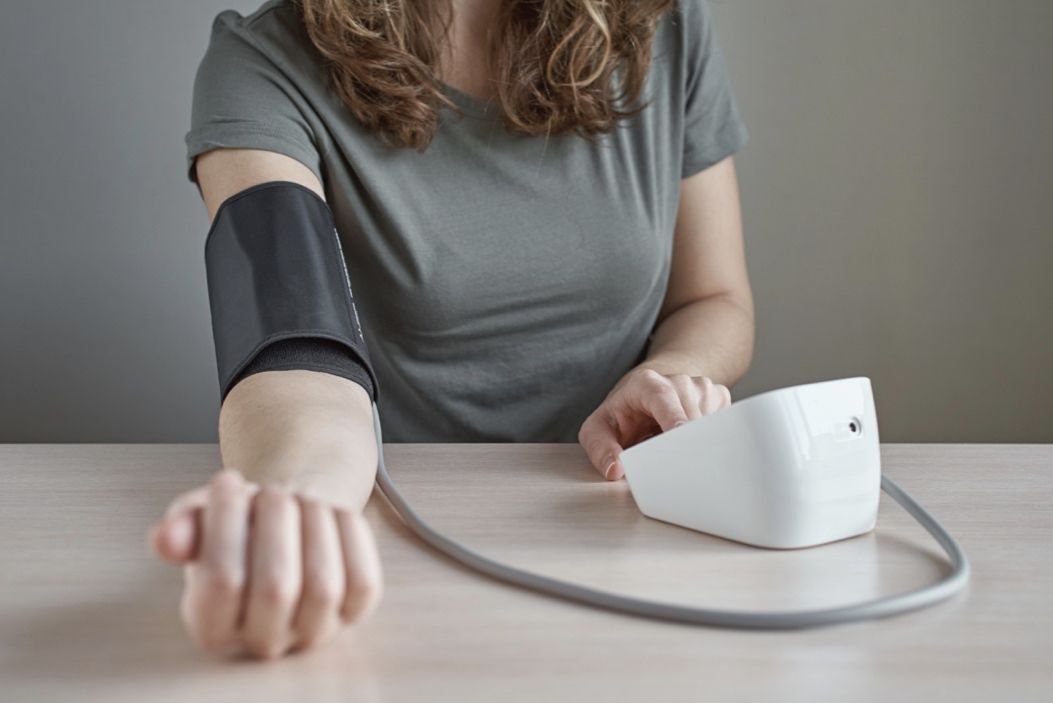
To know if you have hypertension, you need to measure your blood pressure. Hypertension occurs with a systolic blood pressure higher than 140mm Hg and diastolic numbers higher than 90mm Hg. If your numbers are high, then you should prioritize care to avoid damaging your long-term health. 

How can people suffering from hypertension and prehypertension stay healthy and reverse their symptoms? You can manage hypertension by losing weight and making healthy lifestyle changes. 

Prioritizing Weight Loss

As your body weight increases, so does your blood pressure. Given this fact, losing weight is one of the most effective treatments for lowering blood pressure. Weight loss, however, can be a difficult task.

There are dozens of fad diets, exercise crazes, and junk products vying for your interest. With so much noise online, losing weight isn’t such a simple task. Luckily, bariatric surgery provides long-term results where trends fail. While bariatric surgery delivers results by limiting your food intake, our programs also work with you to make lifestyle changes like proper dieting and exercise. 

Bariatric Surgery for Hypertension

Those looking to lose weight and lower their blood pressure can find help from Wellstar’s bariatric team. Patients in our bariatric program can lose around 50% body fat in the first year after surgery. 

The program doesn’t just rely on surgical solutions. Your team will work with you to permanently introduce healthy lifestyle changes to increase your weight loss and promote overall health. With so many satisfied patients, you can easily place your trust in our care. Find out how bariatric surgery can help you by comparing your options.

Balancing Mental Health & Weight Loss | Managing Anxiety Post-Op

Balancing Mental Health & Weight Loss | Managing Anxiety Post-Op

Your mental health plays an important role in successful weight loss. As you begin evaluating your goals and developing a treatment plan, you’ll need to consider implementing behavioral and lifestyle changes. One change is considering your mental health and how it impacts your weight-loss journey. After you’ve learned about the mental side of weight loss, you can move forward on your journey and pursue a healthier mind and body. 

Focusing on Behavioral & Lifestyle Changes

There is an increased focus today on products or services that promote weight loss. Some of these treatments are effective, but long-term results don’t come without lifestyle changes. For those who pursue bariatric surgery, much of the short-term progress will come from your procedure; however, it will be difficult to keep the weight off unless you implement healthy behaviors

Long-term behaviors are the key to long-term weight loss. It may sound simple, but it takes dedication and discipline, not a quick solution. Fad diets and popular exercise programs may help you shed pounds initially, but it’s easy to regain the weight after they end. Successful weight loss hinges on permanent behavior changes like healthy eating habits, regular exercise, and improved mental health.  

Read More: Why Fad Diets Don’t Work

The Mental Side of Weight Loss

Mental health is often overlooked, but with the modern emphasis on prioritizing emotional wellness, everything is changing. New research reveals an important truth for weight loss: mental health is everything. Your mental health dictates whether you will make healthy food selections, stick to your exercise routine, and keep the weight off after you’ve lost it.  

Even though mentality plays heavily into weight loss, it’s important to know which aspects of mental health you should prioritize. People looking to lose weight and maintain their mental health need to create healthy habits, prioritize sleep, and exercise positivity. 

Creating Healthy Habits

Healthy habits are an important contributor to your mental health and weight loss. Creating these habits relies first on observing your current habits. Which ones are detrimental to your health? Many behaviors are likely impacting your weight, like binge eating, drinking in excess, and smoking. You need to eliminate these unhealthy habits and establish new ones like proper nutrition and exercise. 

Prioritizing Quality Sleep

Sleep may not sound like a priority until you realize the effect that it has on your mental health. Adequate sleep lets your brain reset. A full night of sleep will decrease irritation, alleviate stress, and restore your drive. You’ll notice that sleep cures conditions like tiredness and irritability, which can make you stray from your goals. 

Focus on Positivity

There is no one-size-fits-all method for promoting positivity. For some, promoting positivity may look like developing a gratitude journal, spending time with uplifting friends and family, or practicing meditation. Think about what keeps you positive and work to make it staple in your life.

Choosing Bariatric Surgery

Bariatric weight-loss programs don’t stop after your procedure; instead, they help your craft a healthy lifestyle. One vital piece of this lifestyle is making choices to improve your mental health. While working with our expert weight loss surgeon in East Cobb, Marietta, LaGrange, or Cobb County, you’ll receive the support you need to manage your emotions and use them to sustain your weight loss. Do you want to start your weight-loss journey? Contact us to learn why you should choose us.

Your Exercise Timeline After Bariatric Surgery

Your Exercise Timeline After Bariatric Surgery

So, you’ve just had bariatric surgery—congratulations! Your recovery begins now, and soon after, you’ll be able to start your exercise journey. What should your exercise timeline look like after weight-loss surgery? The answer will be slightly different for everyone, depending on factors like the type of surgery you received, your starting weight, and your healing process. 

Your doctor and surgical team will help you design a physical activity routine that fits your needs and goals, and you should always speak with them before incorporating new exercises into your plan after surgery. Below, we have provided an example of what a typical post-bariatric exercise timeline may look like.

Days After Surgery

In the days after surgery, you’ll still be recovering, so it’s important to start slow and listen to your body. If you don’t have much experience with exercise, it’s important to learn the difference between pain and soreness, especially around the site of your laparoscopic incisions. 

Your exercise routine should start just a few days after surgery. Begin talking short 5 to 10-minute walks every day, which will help increase blood flow, speed your recovery, and decrease your chances of blood clots. Aim to build up to 30-minute walks at least 5 days a week. If you find you’re unable to walk continuously for 30 minutes, you can break the time into shorter walks scattered throughout the day.

Avoid anything more strenuous than walking and light, low-impact exercise until 6 weeks after surgery. In addition, avoid lifting over 10 to 15 pounds in the first month after surgery. 

Weeks After Surgery

After you’ve worked your way up to longer walks, usually around 6 weeks after surgery, you can begin incorporating other low-impact exercises to build up basic strength and flexibility. This could include things like unweighted leg and arm lifts or stretches. Refrain from doing abdominal exercises to avoid putting pressure on your incision site in the first 2 or so months after surgery. 

Months After Surgery 

A few months after your procedure, you’ll receive a go-ahead from your doctor to begin more moderate cardio exercises. If your BMI is over 35, you’ll want to ensure these exercises are easier on your joints—cycling and water exercises are great options. You’ll also eventually need to start adding strength training to your workout at least 2 days a week. Be especially careful when starting weightlifting for the first time, and stop immediately if you feel sharp pain or have difficulty breathing.

Exercise is an essential part of your weight-loss journey after bariatric surgery, but it’s important not to neglect the other elements that make up a healthy lifestyle. Nutritious food choices, portion control, proper hydration, and good sleep are all essential to sustainable, lasting weight-loss. 

Wondering if bariatric surgery is right for you? Wellstar Bariatrics can help. Visit our website to find out if you qualify, or contact our office today to get started.

Causes of Obesity That May Surprise You

Causes of Obesity That May Surprise You

People tend to think that the cause of obesity is simple: eating too much and not exercising enough. And while that is partially true, the reality is far more complex. There are a multitude of factors, from personal choices to socioeconomic status, that can contribute to your likelihood of being overweight or obese. A thorough understanding of which of these factors are affecting your weight will help you and your surgical team design an effective diet and exercise plan post-bariatric surgery.  

Genetic Factors Contributing to Obesity

Your genes determine how much body fat you store and where you store it, as well as the speed of your metabolism and your body’s appetite regulation. In addition, a child born to overweight or obese parent has a higher change of struggling with their weight—this is due to the inherited genetic factors, as well as learned behavioral and eating habits.

Socioeconomic and Environmental Factors Contributing to Obesity 

People who live in low-income areas may not have access to public gyms or may not be able to afford a membership. These areas tend to have fewer opportunities for outdoor exercise, like bike or walking trails. People in these communities also may not have access to affordable, healthy food, whether it’s due to a lack of options or lack of transportation—private or public. These areas, sometimes called food deserts, often contain a variety of fast-food stops that are affordable for the average income but unhealthy, leading to weight gain.

Read More: How to Design an Exercise Plan for Beginners

Health Factors Contributing to Obesity 

There are some health conditions that can contribute to your likelihood of obesity. For example, an underactive thyroid can decrease metabolism speed, and Cushing’s syndrome, a rare disorder, causes excess production of cortisol, which can lead to fat accumulation. Joint problems, like arthritis, may prevent people from getting adequate exercise due to pain. Polycystic ovary syndrome is a hormonal imbalance that can cause weight gain, and some mental health conditions, like depression, can cause people to overeat for emotional reasons.

In addition, some medications, like those used to treat mental illness, diabetes, and epilepsy, can raise the chances of developing obesity.

Personal Choices Contributing to Obesity 

While all the above factors are out of your control, there are still plenty of ways that your personal exercise and eating habits can affect your weight. Obviously, a high-calorie, high-sugar, or high-fat diet, especially when paired with a sedentary lifestyle, can lead to obesity. Stress eating or bored eating can result in weight gain, as can neglecting the importance of sleep.  

It’s clear that obesity is a complex disease. While partially true, simplifying the problem to “too many calories and not enough exercise” is reductive and ignores the various other elements that play into an individual’s likelihood of being overweight or obese. At Wellstar Comprehensive Bariatric Services, our bariatric surgery program takes all factors into consideration as we help patients from Marietta, Cobb County, East Cobb, West Georgia, and beyond navigate their weight-loss journeys. If you’re looking for a trusted weight loss surgeon in East Cobb, we’re here to support you every step of the way. If you’re ready to take control of your weight, we’re ready to help—contact Wellstar Comprehensive Bariatric Services today.

Eating After Gastric Bypass Surgery

Eating After Gastric Bypass Surgery

During the gastric bypass procedure, your stomach is divided into a small pouch, which will hold about 1 ounce of food. Then, the surgeon removes attaches your small intestine to that pouch. This allows your small intestine to digest the enzymes and acid produced by your stomach. It also reduces your body’s ability to absorb calories and nutrients, since it bypasses most of the small intestine; this makes it easier to lose weight. 

After gastric bypass surgery, there are strict dietary guidelines patients need to follow in order to lose the weight, keep the weight off, and stay healthy in general. Along with exercise, proper hydration, and good sleep, diet is a vital part of your weight loss journey post-surgery. 

Post-Surgery Diet

Since gastric bypass surgery makes your stomach smaller, you will need to change both your diet and eating habits. After your procedure, your health care provider will provide guidelines regarding the foods you can eat, along with the foods you should avoid. It’s recommended to stay on a strict liquid diet for the first 2-3 weeks after bariatric surgery, unless told otherwise by your surgeon. After 2-3 weeks then you can slowly add in solid foods. 

Gastric bypass patients need to be aware of portion size—since your stomach is smaller, you will feel full a lot faster. Over time, your stomach will become slightly larger as your body adjusts, however, it’s important to not stretch your stomach out by overeating.

Gastric Bypass Diet

Your diet after gastric bypass surgery is designed to help you lose and maintain your weight over the course of your journey. Your surgical team will help you understand your meal plan, which will be designed with respect to your age, weight, and unique nutritional needs.

While your diet plan after gastric bypass surgery may look different than the next person’s, there are several tips that will help you find success: 

  • Eat and drink slowly, and chew your foods thoroughly before swallowing
  • Avoid alcohol and caffeine 
  • Drink at least 64 ounces of fluid every day
  • Slowly drink liquids between meals but not with meals
  • Avoid drinking any liquid 30 minutes before and after a meal
  • Eat lots of protein and lean foods whenever possible
  • Avoid high-fat and high-sugar food and drinks

Read More: Everything You Need to Know About Hunger Gastric Bypass Recovery

Finding Weight-Loss Success with Gastric Bypass Surgery

For some people looking to lose weight, traditional diet and exercise don’t always work. If you’re struggling to lose weight, gastric bypass surgery in Cobb County may be an option. While diet and exercise are still a vital parts of weight loss after bariatric surgery, gastric bypass could be the helping hand you need to meet your weight-loss goals. Find out if you qualify here.

At Wellstar Comprehensive Bariatric Service, our expert weight loss surgeon in East Cobb is ready to help you take control of your life. We offer several different types of bariatric surgery, including duodenal switch, gastric sleeve, and LAP-band removal, and we will help you determine which is the right option for you. Along with East Cobb, we also provide these services in Marietta, Cobb County, West Georgia, and the surrounding areas.

Questions? Reach out to our team! We look forward to helping you get on the path to a healthier lifestyle.

Gastric Bypass Surgery vs. Gastric Sleeve

Gastric Bypass Surgery vs. Gastric Sleeve

Obesity has become a major issue in America, with an estimation of over 160 million overweight Americans. While many people try, or have tried, to lose weight, traditional methods of diet and exercise don’t always work for everyone. For those who reach the qualifications, bariatric surgery is a common option. Not only does bariatric surgery assist with weight loss, but it can also help resolve conditions like type 2 diabetes, high blood pressure, high cholesterol, and more, leading to stark improvements in general health.

Two of the most common types of bariatric surgery are the gastric sleeve surgery and Roux-en-Y gastric bypass surgery. While both options can help you kickstart your weight-loss journey, one procedure may be the better choice for you. 

Gastric Bypass Surgery vs. Gastric Sleeve Surgery

Both gastric bypass and gastric sleeve surgery reduce the size of your stomach into a small pouch, restricting the amount of food you can consume. Your production of the hunger hormone (ghrelin) is also reduced, helping you control your feelings of hunger.

During the gastric sleeve procedure, the surgeon will permanently remove 80% of your stomach, leaving behind a banana-shaped “sleeve.” Depending on how you’re feeling after surgery, you may need to stay in the hospital for a few days until you can keep fluids down. Typically, gastric sleeve patients will need to wait longer to see weight-loss results post-surgery.

During gastric bypass surgery, the surgeon will remove most of the stomach and a section of the small intestine. The remaining small stomach pouch will then be attached further down the small intestine. The stomach still provides the necessary digestive enzymes and acid, and bypassing some of the small intestine means fewer calories are absorbed. Weight loss can happen dramatically through the next few months following the procedure. After this procedure, it is normal to stay in the hospital for at least two days, or until you are recovered enough to return home.

Read More: What Is Gastric Sleeve Recovery Time Like? Essential Insights & Tips

Qualifications for Bariatric Surgery

For your overall health and safety, there are qualifications you must meet before applying for any type of bariatric surgery. If you meet these criteria, you may qualify for bariatric surgery: 

  • A BMI over 40
  • A BMI over 35 with one or more obesity related comorbidities, like type 2 diabetes or high blood pressure

Not sure which surgery is the right choice for you? Wellstar Comprehensive Bariatric Service can help. Our team of experts will help you consider your weight-loss goals, current health, and nutritional needs to determine whether gastric bypass or gastric sleeve surgery is the best option for you. Contact our team today to learn more.

Bariatric Surgery FAQs

Bariatric Surgery FAQs

For those looking to lose weight, diet and exercise alone aren’t always enough. If you’ve tried these methods of losing weight and could not achieve lasting weight-loss success, bariatric surgery may be right for you. To qualify, you need a BMI over 40 or a BMI over 35 with obesity-related comorbidities, like hypertension, diabetes, or sleep apnea. 

As of right now, there are three different types of bariatric surgery, adjustable gastric banding, Roux-en-Y gastric bypass, and sleeve gastrectomy. It’s important to know that bariatric surgery isn’t the “easy way” to lose weight—it’s a last option for those whom traditional weight-loss methods have not worked. Whichever surgery you elect to receive, a healthy diet and regular exercise remain necessary parts of losing the weight post-surgery. 

As with any major surgery, if you’re considering weight-loss surgery, you likely have questions. We’ve provided the answers to a few of the most common down below. 

What is the cost of bariatric surgery?

Depending on the type, weight-loss surgery can range in prices from around $15,000 to $25,000. Some insurance companies will help the cover the cost, depending on the specifics of your situation. This includes factors like previous unsuccessful weight-loss attempts and ruling out obesity as a result of a medical condition.   

Read More: The Different Types of Bariatric Surgery

How long until I can return to work after bariatric surgery?

This all depends on your healing process, but it typically takes 2-4 weeks before you can return to work. Some people are able to return to work as early as one week post-surgery. It is also recommended that patients stay 1–2 nights in the hospital after surgery in order to rest and regain energy before returning home.

Do I need to take vitamins and minerals after weight-loss surgery?

For malabsorptive bariatric surgeries—surgeries that affect your body’s ability to absorb nutrients—you will need to take supplements on a lifelong basis. This will likely include a daily vitamin, iron, calcium, and Vitamin D, among others that your surgical team will help you identify.  

Yearly lab checks are needed in order to track your health post-surgery, although some insurance companies might cover the cost of these visits. You also may have the opportunity to over vitamin and mineral supplements through a flex medical account.

Will I lose my hair after weight-loss surgery?

Between the first 3–6 months after surgery, hair loss may occur. Fortunately, the vitamins and minerals that you take post-surgery will help with re-growth and help prevent thinning.

Is plastic surgery necessary after bariatric surgery?

This depends on several factors, including the type of surgery you receive, how much weight you lose, how fast you lose it, and your skin elasticity. Remember, your skin will tighten over time, but if you’re not satisfied with your appearance after 18 months, you might consider talking to your surgical team about excess skin removal surgery. 

When can I start exercising after surgery?

As soon as your doctor gives you the go-ahead, it’s recommended you start with small walks after surgery. With the help of your team, you’ll build a workout plan that slowly increases your strength and flexibility. Remember to listen to your body, as it will still be healing form surgery—muscle soreness is a normal part of working out, but stabbing, sudden pain is not

What is the level of pain post-surgery?

You will experience some abdominal pain post-surgery, which will likely only last a few days. Your surgical team may provide you with pain medication to combat this. 

There are so many other questions that are asked before and after getting bariatric surgery. Thankfully, Wellstar Georgia is here to help. With state-of-the-art approaches to minimally invasive bariatric surgery and a team dedicated to your success, our expert weight loss surgeon in East Cobb, Marietta, LaGrange, or Cobb County provides a safe option for bariatric surgery. Contact us today to get answers to your questions and start your personalized bariatric journey with Wellstar Georgia.