Austell : (770) 944-7818 |
Smyrna : (470) 956-4200 |
Marietta : (770) 919-7050 |
LaGrange : (706) 803-7578 |
Augusta : (706) 721-4686
Quality of Life Improvements from Weight-Loss Surgery

Quality of Life Improvements from Weight-Loss Surgery

Undergoing weight-loss surgery may sound intimidating, but the benefits far outweigh the fear of any kind of surgery. Life after weight loss can drastically differ if you maintain healthy habits and follow all doctor protocols. You can get your quality of life back and spend more time doing the things you love. 

The Procedure

Your results after surgery will vary based on which type you choose. Consult your doctor to determine which procedure is best for you and your future. Some of the most common bariatric surgeries include:

  • Gastric Sleeve This surgery removes a portion of the stomach to restrict the amount of food you can consume. It also reduces the hunger hormones produced, which helps decrease appetite. 
  • Gastric Bypass A small pouch is attached to the intestine to bypass the stomach and reduce how much food you consume. 
  • Laparoscopic Adjustable Gastric Banding This procedure uses an adjustable band around the stomach, creating a small stomach pouch. This pouch makes you feel fuller after eating less food. 

No matter which procedure you undergo, there will be some recovery time. However, the quality of life you receive afterward far outweighs the downtime. Your doctor will work with you throughout follow-up visits to ensure you stay on track.

What Improvements Does This Have on Your Life?

If you go through with any bariatric surgery, you can expect improvements afterward. The weight will start to come off and, with healthy habits, will stay off for years. Some of the significant improvements include the following:

Increased Self-Confidence

Getting to a healthier weight and returning to normal activities can increase self-confidence. You’ll start to feel like you again, and this can lead to a more positive outlook. 

Improving Health Problems

Obesity-related health conditions can be improved or entirely reversed with weight loss. Sleep apnea, diabetes, and heart disease are just some problems that can improve. For example, getting a healthier BMI and enhancing metabolism can help with type 2 diabetes

Decrease in Urinary Incontinence

There is up to a 61 percent cure rate for incontinence with weight-loss surgery. These changes often occur in women, who usually find relief after the surgery.

Improve Joint Pain

Excess weight can cause pain in the body, particularly with the joints. When you have less fat, the body will actually produce less inflammation-inducing chemicals

Improve Fertility

Weight-loss surgery can improve fertility and reduce the risk of complications during birth. Problems like preeclampsia, premature birth, and stillbirth can all become less likely once the weight disappears. 

These overall improvements can touch every aspect of your life and allow you to get back to the activities you enjoy. Not only will you lose weight, but your overall quality of life will improve.

Talk to a Professional Today

Starting the journey towards a healthier life doesn’t have to be intimidating. Professionals at Wellstar Bariatrics can help you start the process and walk you through every step of the surgery. Schedule an appointment to get started today. 

Weight-Loss Plateaus: How to Identify and Overcome Them

Weight-Loss Plateaus: How to Identify and Overcome Them

As you work towards maintaining a healthy lifestyle after recovering from bariatric surgery, you may face some challenges along the way. No weight-loss journey is the same, and there can be ups and downs as you find the solutions that work best for you. Weight-loss plateaus are one obstacle you may encounter. In this article, you’ll find out how to identify and get through weight-loss plateaus.

Weight-Loss Plateau Identification

The first step towards getting back on track with your goals is identification. Once you recognize you’re in a weight-loss plateau, you can work on adding strategies to get through them to your routine. 

Although weight loss can eb and flow, most people can expect to see some movement within a three-week timeframe. If your weight stays the same for longer than three weeks, you are generally considered to be in a weight-loss plateau. 

This is a common occurrence, and it’s important to remember that you shouldn’t give up on your healthy lifestyle changes if you run into a weight-loss plateau. 

Weight-Loss Plateau Tips

There are many methods to get through this challenge. The best way to find the right solution for you is to research different strategies and pick the one that will fit your individual lifestyle. You might have to try more than one to get the results you want. Here are some tips to help you overcome various obstacles to your weight loss:

Vary Your Workouts 

Exercise is an important part of any healthy weight-loss plan. Individuals often find one workout routine that they’re comfortable with and then continue to use it for months without making any adjustments. Your body can easily get used to your workouts, making them less effective. 

Try adding in new fitness moves, increasing the intensity of your workout, exercising for a longer period, or adding some variation between your cardio and muscle building exercises to get through a plateau. 

Monitor Your Diet

Diet is another important part of meeting weight-loss goals, especially after bariatric surgery. Eating too much, not eating enough, or not eating the right kinds of foods can all be barriers to weight-loss. 

Keeping a food journal or using a nutrition app can help you track what you’re eating and make necessary changes to get out of a weight-loss plateau. It is also important to work in partnership with your doctor to ensure your body is getting the nutrients to sustain your weight loss. 

Reduce Stress 

High stress levels can contribute to weight-loss plateaus by increasing the amount of cortisol in the body. High cortisol makes it harder for the body to lose weight. Stress management strategies like meditation, yoga, and deep breathing can help you reduce stress and move forward. 

Consider Sleep

Getting a good night’s sleep on a regular basis is another tip. When you don’t sleep enough, it’s harder for the body to lose fat. Research recommends a minimum of 7 or 8 hours of sleep each night to promote overall health.

Read more: Sleeping After Bariatric Surgery

Get Help With Your Weight-Loss Plateau

If you find yourself stuck in a weight-loss plateau after bariatric surgery and want more information on how to get through it, Wellstar Comprehensive Bariatric Services can help. We’re committed to supporting you before, during, and after bariatric surgery in East Cobb and helping you find healthy lifestyle solutions that work for you. Contact us today to find out more.

Setting Achievable Weight-Loss Goals For The New Year

Setting Achievable Weight-Loss Goals For The New Year

Each January, many individuals participate in the tradition of making New Year’s resolutions. One of the most common resolutions is to lose weight in the new year. In fact, one study found that weight loss was not only the most popular resolution of 2021, but also the resolution most likely to be abandoned. 

If you’ve set aside your goals for the new year, don’t worry. You can start a new one any time or pick up an old one. The key to being successful here is to make you’re your goals are realistic. Setting realistic weight-loss goals is the best way to make sure you stick to it. 

Setting SMART Weight Loss Goals

New Year’s resolutions are much more likely to last into February and beyond when they are carefully planned out. SMART weight-loss goal guidelines are designed to help you create objectives for the new year that work for your individual lifestyle. When you set weight-loss goals, follow the acronym SMART:

Specific 

Instead of making a general resolution about losing weight, try to be specific. Examples of details to include when setting realistic weight loss goals are choosing a specific exercise method and organizing recipes for a healthy meal plan.

Measurable

Before you begin, decide how you will monitor your progress along the way. Choose a measurement method, whether that means weighing yourself weekly or tracking improvements in your fitness level.

Achievable

To make sure you don’t lose motivation, set realistic weight loss goals that are achievable based on your fitness level, timeframe, and available resources

For instance, the CDC recommends 150 minutes of physical activity every week for every adult. There’s also a national guideline for healthy eating, which is approachable for most people. 

Relevant

Setting meaningful weight-loss goals makes it more likely that you’ll see them through. Relate your goals to changes you want to see in your own life, such as being able to go on a hiking trip with friends or getting healthier overall for your family. 

Timely

Choosing a timeframe for meeting your SMART weight-loss goals can help motivate you to accomplish them. Instead of creating one goal to complete by December 31st, come up with several smaller goals spread throughout the year.

Tips for Meeting Weight Loss Goals

Even if you spend a lot of time setting realistic weight loss goals, it’s common to feel a loss of motivation along the way. Here are some tips for overcoming this and maintaining progress on your weight-loss journey:

Build a Community of Support

Share your weight-loss goals with friends and family members who can help you feel supported and stay accountable when you get discouraged. 

Be Patient With Yourself

Keep in mind that you won’t see results overnight. Don’t give up if you’re not seeing changes right away, and remember that continuous hard work and patience is the key to meeting your weight loss goals. 

Consult with Your Providers

Don’t hesitate to reach out to your healthcare providers if you have questions about setting realistic weight loss goals or if you run into any issues throughout the process of meeting them. 

The team at Wellstar Bariatrics is here to support you and help you make healthy lifestyle changes that get you closer to achieving your goals. Reach out today to get in touch. 

Will I Need Plastic Surgery After a Bariatric Procedure?

Will I Need Plastic Surgery After a Bariatric Procedure?

Bariatric procedures, such as gastric bypass, gastric band, and gastric sleeve, are amazing solutions for treating obesity. When diet and exercise fail to produce your desired results, bariatric surgery adjusts the digestive system to assist in significant weight loss and improve your quality of life.

While weight loss varies based on procedure type and by the individual, once the patient is out of surgery and in recovery, they can expect to lose an average of 50 to 100 pounds of excess weight. As a result of drastic weight loss, patients are typically faced with two common concerns: scarring and loose skin.

Minimize Post-Bariatric Surgery Scarring

Medical advancements make bariatric procedures minimally invasive; however, some small incisions between the belly button and chest are still necessary. Your surgeon will provide a post-surgery plan with proper wound care. Depending on the patient’s diligence, incisions typically heal and begin to transition into scars within a few months.

Scarring is normal. While scars are more visible just after surgery, they will fade within the first and second years post-surgery. However, there are several things patients can do to speed up the fading process.

Incision Scabs

Don’t irritate or pick at your healing incisions. When you disturb your scab, it forces the skin to restart the healing process. Your skin will naturally shed the scab and heal on its own. 

Prevent Infection

Follow your surgeon’s recommendations for cleaning and caring for your incision site to avoid infection.

Hydrate

Drink plenty of water to avoid dry skin, which leads to additional damage.

Sunscreen

Protect your vulnerable skin from dangerous UV rays.

Moisturize

Supplemental collagen-containing creams and daily moisturizers keep your skin soft and refreshed to encourage proper healing.

Avoid Tobacco Products

Smoking constricts blood vessels, stopping the delivery of crucial nutrients to the cells and hindering healing. 

Excess Skin Concerns

Over time, our skin stretches to compensate for the extra body weight that accumulates from obesity. This extra skin typically gathers around the belly, buttocks, upper thighs, and upper arms and can linger post-surgery.

The excess skin will attempt to naturally re-tighten on its own; however, age, the amount of weight lost, and post-surgery care can influence the skin’s ability to tighten. 

Bacterial Skin Infections

Excess, sagging skin often accumulates around the lower belly area, creating an uncomfortable skin flap on the abdomen called a “pannus.” The heavy skin flap, especially in warmer weather, causes skin irritation and rashes, resulting in threats of painful, difficult infections.

Emotional Distress

When a patient experiences drastic weight loss but is unable to shed the post-surgical skin folds, they may feel stressful reminders of their previous health and obesity struggles, as well as negatively affected self-esteem. Even if they’ve met their goal weight, the extra skin can make it difficult to fit into clothes, causing a drop in confidence.

When Should I Consider Plastic Surgery After My Bariatric Procedure?

Plastic surgery procedures after bariatric surgery help people struggling with the physical or emotional side effects of extreme weight loss. 

Goal Weight

Most surgeons will require patients to attempt to reach their weight-loss goal and experience weight stability before opting for skin-removal surgery. After bariatric surgery, it typically takes 12-18 months for a patient to reach and maintain their goal weight.

Nutritional Balance

Surgery takes a toll on the body. After bariatric surgery, the body goes into a negative nutritional balance, which affects the ability to heal properly from additional surgical wounds so soon after the initial procedure. 

Scarring

Depending on the bariatric surgery, you may be left with minimal scarring. After completing plastic surgery to remove or reduce excess skin, some patients are left with a fresh set of surgery scars.

Consult Your Bariatric Healthcare Experts

Wellstar’s board-certified bariatric surgeons, nurses, nutritionists, and healthcare professionals provide comprehensive care from your first evaluation to post-surgery follow-up appointments and support. 

We will walk you through each procedure, including post-surgery scarring and excess skin concerns, to ensure a successful recovery and help you achieve the lifestyle change you want. If you’re considering bariatric surgery, contact Wellstar to start your weight-loss journey – we would love to hear from you! 

Tips to Avoiding Complications After Bariatric Surgery

Tips to Avoiding Complications After Bariatric Surgery

Obesity poses serious health concerns, like cancer, diabetes, high blood pressure, and heart disease. More than 40% of adults in the U.S. struggle with obesity; however, nearly 580,000 people worldwide have taken steps toward a healthier lifestyle with bariatric surgery.

Risks Associated With Bariatric Surgery

Many effective bariatric surgeries are available for those seeking weight-loss solutions. No matter which procedure you select, bariatric surgery is still considered a major operation. Any major surgery will come with a few risks. However, you can educate yourself and talk with your surgeon about these complications to determine which procedure is best for you.

LAP-Band or Gastric Band 

LAP-Band bariatric surgery complications can include:

  • Nausea & vomiting
  • Constipation
  • Difficulty swallowing
  • Gastroesophageal reflux
  • Port problems
  • Outlet obstruction
  • Band slippage
  • Esophageal dilation and/or pouch dilation
  • Band erosion
  • Band intolerance

Duodenal Switch (Biliopancreatic Diversion with Duodenal Switch)

Duodenal switch bariatric surgery complications can include:

  • Internal bleeding
  • Infection
  • Blood clots 
  • Hernias

Gastric Sleeve (Laparoscopic Sleeve Gastrectomy)

Gastric sleeve bariatric surgery complications can include:

  • Gastrointestinal obstruction
  • Hernias
  • Gastroesophageal reflux
  • Low blood sugar (hypoglycemia)
  • Malnutrition
  • Vomiting

Gastric Bypass (Roux-en-Y (RNY)

Gastric bypass bariatric surgery complications can include:

  • Bowel obstruction
  • Dumping syndrome
  • Gallstones
  • Hernias
  • Low blood sugar (hypoglycemia)
  • Malnutrition
  • Stomach perforation
  • Ulcers
  • Vomiting

Avoid Weight-Loss Surgery Complications

Only about 7% of patients experience complications just after bariatric surgery; however, we separate these complication into immediate and long-term risks.

Immediate Risks

Nutrition: One of the most common complications is nutritional deficiencies in vitamin D, calcium, iron, vitamin B1, thiamine, vitamin B12, folate, zinc, copper, and vitamin A/E/K. 

Gastroesophageal Reflux Disease (GERD): GERD is the backflow of a person’s stomach contents, which can cause acid reflux and heartburn. This can lead to issues with the esophagus, resulting in symptoms such as heartburn, sore throat, trouble swallowing, chronic cough, and chest pain.

Anesthesia-Related Risks: Obesity is tied to medical conditions that may lead to anesthesia risks, like locating veins, proper oxygen and airflow, and breathing tube placement.

Chronic Nausea and Vomiting: Light nausea and vomiting are normal, but if it continues for more than a few days, contact your surgeon. 

Food Intolerance: Your body won’t digest certain foods the way it should post-surgery. This can lead to malnutrition and should be addressed immediately. 

Long-Term Risks

Dumping Syndrome: a condition that results in food being “dumped” from the stomach pouch directly into the small intestine. There are two types, “early dumping” and “late dumping,” both of which pose a series of specific side effects.

Low Blood Sugar (Hypoglycemia): Can occur years after surgery, with episodes occurring 2-3 hours after eating.

Stomach Ulcers: Sores in the lining of your stomach or intestines that can cause pain.

Bowel Obstruction: When there is a kink around a formed adhesion, resulting in a blockage.

Hernias: Organ or tissue protruding through a weak spot in the surrounding tissue.

Prevention

When you’ve settled on your choice of bariatric surgery, avoid weight-loss surgery complications with proper education and preparation. 

Support Systems

Identify a detailed support system to assist with daily activities, transportation, and health monitoring. Wellstar offers education classes, nutrition planning, physical activity consultations, and more for additional support.

Hydrate

An average adult body contains 50-65% water. Dehydration is one of the most common post-bariatric surgery side effects. It’s recommended to drink 64-96 ounces of water per day post-surgery. 

Protein

Include protein in each meal to aid incision healing, hormone and enzyme levels, immune system antibodies, and your metabolism.

Stay Active

The quicker you start moving, the lower the risks of complication. Start with sitting up, deep breathing, and flexibility exercises, then move onto short, daily walks

No Tobacco Products

Smoking increases the risk of postoperative complications such as prolonged intubation, re-intubation, sepsis, shock, and infection.

Post-Procedure Plan

The first 12 months post-surgery is crucial in complication prevention. Attend each follow-up appointment to prevent any complications that may arise. Sticking to your surgeon’s post-op instructions is essential to your recovery.

Personalized Support

At Wellstar, our experienced bariatric surgeons work with you to determine personalized recommendations for a seamless recovery, tailored to your needs. Our bariatric program provides premier medical care and comprehensive care throughout your weight-loss journey, from your first evaluation to nutrition counseling and follow-up support.

Contact Wellstar to take the first step toward a healthier lifestyle.

How Obesity Affects Your Risk of Cancer

How Obesity Affects Your Risk of Cancer

There are many factors that inspire people to start their weight-loss journeys, from improving their joint health to spending more time with their kids. One common reason people seek out bariatric surgery and weight loss is to lower their risk of developing certain medical conditions and obesity comorbidities. 

Obesity comorbidities are health issues that people are more likely to develop as a result of being overweight. Some common obesity comorbidities include high blood pressure, insulin resistance, arthritis, diabetes, and gallbladder disease, but obesity is also a common cancer risk factor. 

Obesity and Cancer

Research has made the link between obesity and cancer very clear: obesity increases cancer risk. Studies have found that being obese increases your chances of developing the following cancer types

  • Ovarian
  • Thyroid 
  • Uterine 
  • Colorectal 
  • Esophageal 
  • Pancreatic 
  • Breast
  • Liver
  • Kidney
  • Upper Stomach
  • Gallbladder
  • Multiple Myeloma
  • Meningioma

Obesity Cancer Risk: Potential Causes

While researchers have been able to clearly pinpoint cancer as one of the most common obesity comorbidities, the exact reason for this relationship is still unclear. Ongoing research seeks to uncover more about why obesity and cancer are related. Several theories for the link between obesity and cancer have been proposed, including:

Estrogen 

Adipose or fat tissue releases abnormally high amounts of a hormone called estrogen. Excess estrogen in the body may increase the risk of certain cancers like ovarian, breast, and endometrial cancers. 

Inflammation 

Another common cancer risk factor is inflammation. When there is a lot of excess fat around the body’s vital organs, inflammation increases. Over time, high levels of inflammation lead to a higher risk of developing many health conditions, including cancer. 

Insulin 

Another obesity comorbidity is elevated levels of insulin in the blood. Research suggests that there may be a connection between elevated insulin blood levels and cancers of the prostate, endometrium, colon, and kidneys. 

Read More: How Does Obesity Lead to Diabetes? Understanding the Connection

Losing Weight and Cancer Risk

Obesity is a cancer risk factor, so it’s natural to wonder what effect weight loss has on cancer risk. Weight loss does decrease levels of certain hormones that increase cancer risk, like estrogen and insulin. 

Research on how losing weight specifically affects cancer risk is still in its early stages, but the studies do suggest that weight loss is associated with lower cancer risk. Some research has focused on participants who underwent bariatric surgery and suggests this procedure is related to lowered overall cancer risk and reduced risk of certain cancers like prostate, breast, endometrial, and colon. 

Reduce Cancer Risk with Wellstar Bariatric Services

Obesity is a significant risk factor for various types of cancer, and taking steps to manage weight can drastically reduce that risk. Wellstar Comprehensive Bariatric Services offers expert support through personalized weight-loss programs, including bariatric surgery, to help you achieve a healthier weight and lower your cancer risk.

With our locations in Marietta, Smyrna, West Georgia, and Augusta, we’re committed to providing comprehensive care tailored to your needs. Contact us today to schedule a consultation and start your journey toward better health and a reduced cancer risk.

How to Use Adaptive Fitness During Your Weight-Loss Journey

How to Use Adaptive Fitness During Your Weight-Loss Journey

A successful weight-loss journey does not happen overnight. For the best possible results, it’s important to follow your bariatric procedure with healthy overall lifestyle choices. That includes making sure you’re following a proper diet and meeting your nutritional needs. It also involves staying active and committing to a regular exercise routine. 

For beginners and those just beginning their weight-loss journeys, adaptive fitness is one of the best ways to start working towards this post-surgery goal. 

What is Adaptive Fitness?

The definition of adaptive fitness is simple: it involves adapting traditional workouts to the needs of a patient. Adaptive fitness workouts factor in a patient’s lifestyle, medical restrictions, health goals, mobility capabilities, and fitness level to ensure they can exercise without hurting themselves. 

Adaptive Fitness for Bariatric Patients

Adaptive fitness is an especially useful workout strategy for bariatric patients. As you begin your weight-loss journey, it’s essential to commit to lifestyle changes that make sense for your individual situation. 

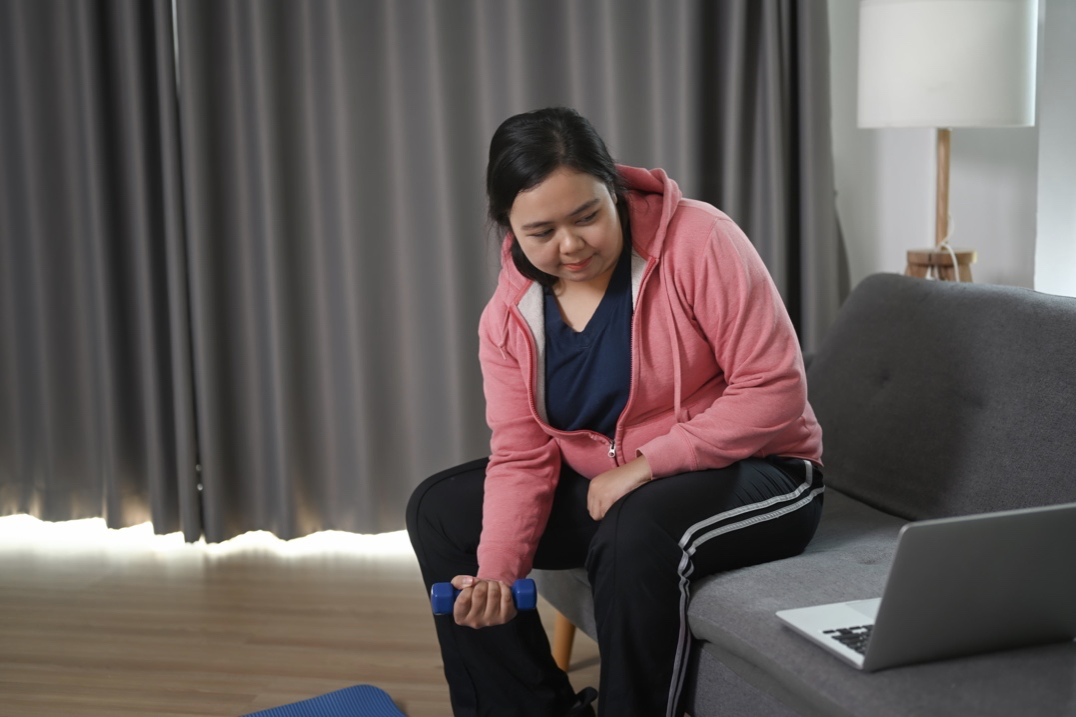
After surgery, as you recover and work towards maintaining a healthy weight, you may have certain restrictions that make traditional exercise difficult. For example, as you heal, you’ll need to be mindful of avoiding high-intensity workouts that risk damage to your wound. Additionally, if you’re new to the fitness world, you’ll need to start off slow to prevent injuries and support your recovery. 

Adaptive fitness is great for beginners and those with health restrictions because it is fully customizable. The entire goal of adaptive fitness workouts is to work within your abilities, so the adaptive fitness workouts that are right for one patient might not be right for another. When you’re using adaptive fitness in your weight-loss journey, what matters most is finding the fitness solutions that work for you.

Examples of Adaptive Fitness

There is no one specific way to add adaptive fitness to your daily routine. Spend some time researching different adaptive fitness workouts and beginner workouts to help you determine where to start. 

Cardio 

Cardiovascular exercise is a key part of any workout plan. If you’re not a runner, adaptive fitness cardio options include walking, jogging, or bike riding. For bariatric patients, a great way to approach cardio exercise is to slowly build up to ideal exercise levels. Post-surgery, you’ll begin by walking for very short periods of time and adding on time as you recover and strengthen your muscles. 

Pushups 

Pushups are another common exercise that can be customized to work for adaptive weight-loss fitness. Consider starting with wall pushups, pushing against the wall instead of the floor. Over time, work up to modified knee pushups, and eventually, try traditional pushups when you’ve built up strength.

Hydrotherapy 

A great way to enjoy adaptive fitness for beginners is to sign up for hydrotherapy—exercising in the pool. Hydrotherapy is well-suited to beginner workouts because it takes pressure off the body and joints, allowing patients to move more freely in the water with less discomfort. Bariatric patients with joint conditions or mobility issues often find that aquatic workouts are much easier to complete than typical gym workouts.

If you have concerns about how adaptive fitness will impact your post-surgery recovery, don’t hesitate to run a fitness plan by your medical team at Wellstar Bariatrics. We’re committed to providing you with individualized support during your recovery and helping you find healthy lifestyle solutions that are right for you. To learn more about how we can help, get in touch today.

Why Fad Diets Don’t Work

If you’ve ever tried to lose weight, you’ve likely come across a fad diet or two. While their promises are large, fad diets typically fail to provide the weight-loss results people are looking for. Even if they do lose weight, many people who participate in fad dieting often gain it back. This is because fad diets are short-term “solutions” to a complex problem.

What is a Fad Diet?

There is no shortage of fad diets, and it seems like new ones are reappearing or being revived every day. Common fad diets include:

  • The Grapefruit Diet
  • The Master Cleanse
  • The Carnivore Diet
  • The Ketogenic Diet
  • The Atkins Diet

Fad diets are typically short-term or fixed-term diets that are promoted as the fastest and best way to lose weight. They make unrealistic promises that prey on the desire for an “easy” weight-loss solution, but they are often unsustainable long term.

While what they are cutting out and what they are keeping is different for each diet, fad diets usually cut aspects of a well-balanced diet. During the diet, your body will be deficient in key nutrients that it needs to function healthily. Because they only last for a fixed period, you’re also likely to gain back the weight once the diet “ends.”

The Dangers of Fad Diets

Because they often cut out a section of a well-balanced diet, fad diets are often severely imbalanced. This causes your body to build up an excess of some nutrients while lacking in others. While this does provide the possibility of losing a few pounds, it also means that your body will be at increased risk of injury and sickness. 

Furthermore, because of the nutrient deficiencies caused by fad diets, their weight loss is almost always short-term, with weight gain occurring as soon as the diet is ended. This can cause mental distress and can lead to yo-yo dieting or, in extreme cases, eating disorders.

True Weight Loss

The best path to lasting, sustainable weight loss is a change in habits and lifestyle. Exercise and a decrease in the amount of unhealthy food—or food in general—are necessary to attain true weight loss. However, diet and exercise alone do not work for everyone. In these cases, bariatric surgery may be necessary to help reach your weight-loss goals. 

If you are considering bariatric surgery in Marietta, Wellstar Comprehensive Bariatric Services can help. Our expert surgical team has years of experience helping people kickstart their weight-loss journeys and get on the path toward a healthier lifestyle. Visit our website for more information or to schedule your consultation. 

The Financial Benefits of Losing Weight

The Financial Benefits of Losing Weight

If you’re considering bariatric surgery, you likely already know how losing weight can improve your life. Lower health risks, decreased joint pain, and better heart health are all included in the benefits of losing weight. However, one advantage that’s often overlooked is how losing weight can benefit your finances. 

Decreased Healthcare Costs

You already know being overweight or obese contributes to an increased risk of serious health conditions, including:

  • Heart disease
  • High blood pressure
  • Stroke
  • Type 2 diabetes
  • Cancer
  • Osteoarthritis 

A lower risk for health complications can only mean good things for your financial savings, as it means a lower risk for hospital visits, ambulance rides, and other expensive medical care.

For patients with type 2 diabetes, studies have found that losing significant weight can lead to remission. Losing weight can also improve obstructive sleep apnea, decrease high blood pressure, and improve your cholesterol levels. If you are currently paying for medication to treat one or more obesity-related conditions, losing weight may allow you to cut the cost of medication out of your life.

Decreased Cost of Eating Out

Regularly eating out may not be a part of your lifestyle—but if it is, losing weight can help you save money in that area. To lose weight, it’s not necessary to completely cut out fast food or your favorite restaurant dishes. You can still treat yourself occasionally, but you will need to be more conscious of what you’re eating. As you advance in your weight-loss journey, you’ll likely do more at-home cooking than ordering in or eating out, saving you money

Cooking at home also allows you to make healthier choices. You can ensure the ingredients you’re using are fresh and nutrient-dense, and you can make substitutions to improve your health.

Decreased Transportation Costs 

A study by George Washington University found that there are numerous costs involved with being both overweight and obese in the United States. Even something like the fuel economy of your vehicle can be affected by your weight. The heavier a car is, the more gas it takes to move it. The study backs this up, showing morbidly obese people pay more annually for gas, with an incremental difference of up to $36.

While many jobs offer remote or hybrid opportunities that could prevent this cost from compounding, remember that modern “fat taxes” have been expanded. Many companies now charge higher prices for extra seats on airplanes or concert venues, further increasing the cost of being overweight. 

If losing weight through traditional means of diet and exercise hasn’t worked for you, bariatric surgery may be the solution. At Wellstar Bariatrics, we go the extra mile to help our patients achieve their weight-loss goals. We’d love to hear from you—contact our office today to learn if bariatric surgery is right for you.

Bariatric Surgery Recovery Tips

Bariatric Surgery Recovery Tips

Weight-loss journeys are often lifelong struggles. Diet and exercise, while the best and most efficient ways to lose weight, don’t always work for everyone. In those cases, many people turn to bariatric surgery to help them lose weight.

Bariatric surgery is a major surgery that will require lifestyle changes, but before you can continue your weight-loss journey, you’ll need to navigate successful recovery post-surgery. 

Bariatric Surgery Recovery 

Recovering from bariatric surgery should not be viewed in terms of how to do so quickly—the goal should be a complete, healthy recovery. Each bariatric surgery patient recovers differently, but there are a few tips every patient can utilize.

Bariatric Surgery Recovery Diet Tips

Based on your nutritional needs, your doctor or surgical team will help you plan your diet post-surgery. During your recovery in the hospital, you’ll stick to clear liquids to keep you hydrated and avoid irritating your stomach. In the days following surgery, you’ll move on to a full liquid diet, then a soft foods diet, before returning to a regular diet.

It’s important to remember your stomach will be able to hold much less food following surgery, so portions should be small and nutrient dense. Eat slowly and chew your meals thoroughly to avoid upsetting your stomach. Protein is extremely important following surgery, but avoid meats that are harder to digest, like steak. 

When it comes to drinking, avoid carbonated beverages, chewing ice, and drinking through a straw, all of which can introduce air into your stomach pouch. Do not drink anything 30 minutes before meals or 30 minutes after meals.

Read More: Mastering Meal Prep: Portion Control for Bariatric Surgery Patients

Bariatric Surgery Recovery Exercise Tips

Your ability to exercise post-surgery will be limited, but you will be able to do some light activity right away. Walking is one of the best and least-strenuous post-surgery activities. It’s important to know your limits and not push your body too far after surgery. Likely, you will begin with small walks around the house until you feel comfortable walking about the neighborhood. Start with 10 minutes a day and work toward 150 minutes a week.

Exercise can also speed and assist recovery. Rotating your ankles while sitting or laying down can help maintain blood flow to your feet and legs while breathing exercises can lower your blood pressure and improve your relaxation. 

It’s vital to listen to your body during exercise. Especially if you’re new to working out, make sure you understand the difference between muscle soreness and pain

If you are considering bariatric surgery, it’s important to find a compassionate, experienced partner. Wellstar Bariatrics offers multiple options for bariatric procedures, and we are dedicated to supporting patients in any way we can during their recovery. Learn more about our bariatric program on our website, or get in touch today.