
When to Consult a Lap Band Surgeon in East Cobb
Weight loss can feel overwhelming when diet and exercise alone don’t deliver the results you’re working toward. For many individuals, medical guidance becomes an important next step in creating a structured, sustainable plan. Bariatric procedures, including gastric band options, are designed to support long-term weight management under professional supervision. Knowing when lifestyle changes are no longer enough can help you make informed decisions about your health. In this blog, we’ll explore the key signs, health factors, and personal considerations that may indicate it’s time to seek specialized surgical guidance.
Key Takeaways
- East Cobb residents should consider consulting a lap band surgeon when their body mass index is typically 35 or higher with obesity related health conditions (like diabetes or sleep apnea), or 40 or higher without, and non-surgical weight loss efforts have not produced lasting results.
- Persistent problems with an existing lap band, such as abdominal pain, reflux, poor weight loss, or significant weight regain, are strong reasons to see a local revision specialist promptly.
- A consultation in East Cobb includes a thorough medical evaluation, honest discussion of risks and benefits, and comparison with other bariatric options like gastric sleeve or gastric bypass.
- Early consultation can help prevent complications and allow patients to make an informed decision about whether lap band placement, adjustment, or conversion to another procedure is the best path forward.
Who Should Consider Lap Band Surgery in East Cobb?
Typical candidates for lap band surgery in East Cobb are adults in their 20s through 60s who have struggled with long-term obesity and are seeking a path toward sustainable weight loss. If you have tried to lose weight through diet, regular exercise, and other non-surgical methods without lasting success, you may be wondering whether bariatric surgery is right for you. Determining eligibility for lap band surgery requirements often begins with evaluating BMI, related health conditions, and prior supervised weight loss efforts with a qualified provider.
Here are the general guidelines surgeons use when evaluating potential candidates:
- BMI thresholds: Most patients qualify with a body mass index of 40 or higher, or a BMI between 35 and 39.9 combined with obesity related health issues such as type 2 diabetes, high blood pressure, or sleep apnea.
- Lower BMI with serious conditions: Some patients with a BMI between 30 and 34.9 may be considered if they have significant metabolic conditions, though this depends on insurance coverage and the surgeon’s clinical judgment after detailed evaluation.
- Documented non-surgical attempts: Surgeons typically recommend at least 6–12 months of supervised, unsuccessful weight loss attempts, including structured diet programs, exercise plans, and medications, before recommending a weight loss procedure.
- Commitment to long-term change: Candidates should be ready to commit to healthy lifestyle changes, regular follow-up appointments in Cobb County, and ongoing band adjustments as part of their weight management plan.
- Psychological readiness: Screening for depression, binge eating, or substance use is a standard part of the evaluation process. If these issues are present, treatment may be recommended before moving forward with any bariatric procedure.
Signs It’s Time to Consult a Lap Band Surgeon for the First Time

If you have never had bariatric surgery but have been wondering whether now is the right time to speak with a surgeon, these signs may indicate that a consultation is worth scheduling:
- Worsening obesity related health conditions: Since 2020, have you noticed rising A1C levels, increasing blood pressure, or a new diagnosis of sleep apnea requiring CPAP? These changes suggest that excess body weight is affecting your overall health in measurable ways.
- Physical limitations in daily life: Difficulty climbing stairs in a two-story East Cobb home, trouble walking at local parks like East Cobb Park, or struggling to work on your feet all day are signs that excess weight is impacting your quality of life.
- Emotional or social impact: Avoiding family photos, skipping events, or feeling too fatigued to participate in activities with loved ones are often overlooked but important reasons to explore your options.
- Unsuccessful structured diets or medications: If you have tried multiple weight loss programs or newer medications (such as GLP-1 options like semaglutide) without durable results or with intolerable side effects, surgical options may offer a different path forward.
- Provider recommendation: When your primary care doctor, endocrinologist, or another specialist recommends a bariatric consultation in the Marietta or East Cobb area, it is a signal that your health care team believes you could benefit from a conversation with a weight loss surgeon.
When to See a Surgeon About an Existing Lap Band
Many East Cobb patients had lap bands placed between approximately 2005 and 2015, during the peak popularity of the lap band procedure. If you are one of them, you may now need an evaluation for problems or potential revisions. Here are the signs that it is time to consult a surgeon:
- Persistent heartburn or reflux: If you experience ongoing heartburn or nighttime reflux despite using antacids, especially if symptoms have gradually worsened over months, your band may need adjustment or removal.
- Difficulty eating or swallowing: Frequent vomiting, trouble swallowing, or pain after small meals can suggest the band is too tight, has slipped, or is otherwise causing problems with how much food you can comfortably eat.
- Inadequate weight loss: If you have lost less than 25–30% of your excess weight two years after surgery, despite good effort with a healthy diet and exercise, your band may not be functioning optimally.
- Significant weight regain: Regaining more than 20–30 pounds above your lowest post-operative weight is a common reason patients seek a consultation to discuss next steps.
- Acute warning signs: Sudden severe upper abdominal pain, inability to keep down liquids, or signs of infection around the port require same-day contact or urgent evaluation. These symptoms can indicate band slippage, band erosion, or other complications.
- Considering conversion: If your band has caused repeated complications or is no longer effective, you may want to discuss conversion to a gastric sleeve or gastric bypass surgery with your surgeon. Many East Cobb bariatric surgeons specialize in these revision procedures.
How a Lap Band Surgeon in East Cobb Evaluates You
Your first consultation at an East Cobb or Marietta bariatric office is designed to give you and your surgical team a clear picture of your health and goals. Here is what typically happens:
| Evaluation Step | What It Involves |
| Medical history review | Discussion of your weight history, prior diets, medications, conditions like diabetes or GERD, joint pain, and any past abdominal surgeries |
| Physical exam and measurements | BMI calculation, blood pressure check, and general physical assessment are often completed on the same day |
| Diagnostic testing | Lab work, upper GI series, endoscopy, or sleep study may be ordered locally if not already completed. |
| Discussion of bariatric options | Review of lap band, gastric sleeve, and gastric bypass with pros and cons tailored to your weight loss goals and health |
| Insurance review | Verification of benefits, pre-authorization steps, and documentation of prior supervised weight loss attempts |
This comprehensive approach helps ensure that your care plan is personalized and that you understand all of your weight loss surgery options before making a decision. Understanding the key differences between lap band and gastric sleeve surgery can help patients feel more confident when comparing long-term outcomes and lifestyle adjustments.
Benefits of Choosing Lap Band Surgery Today
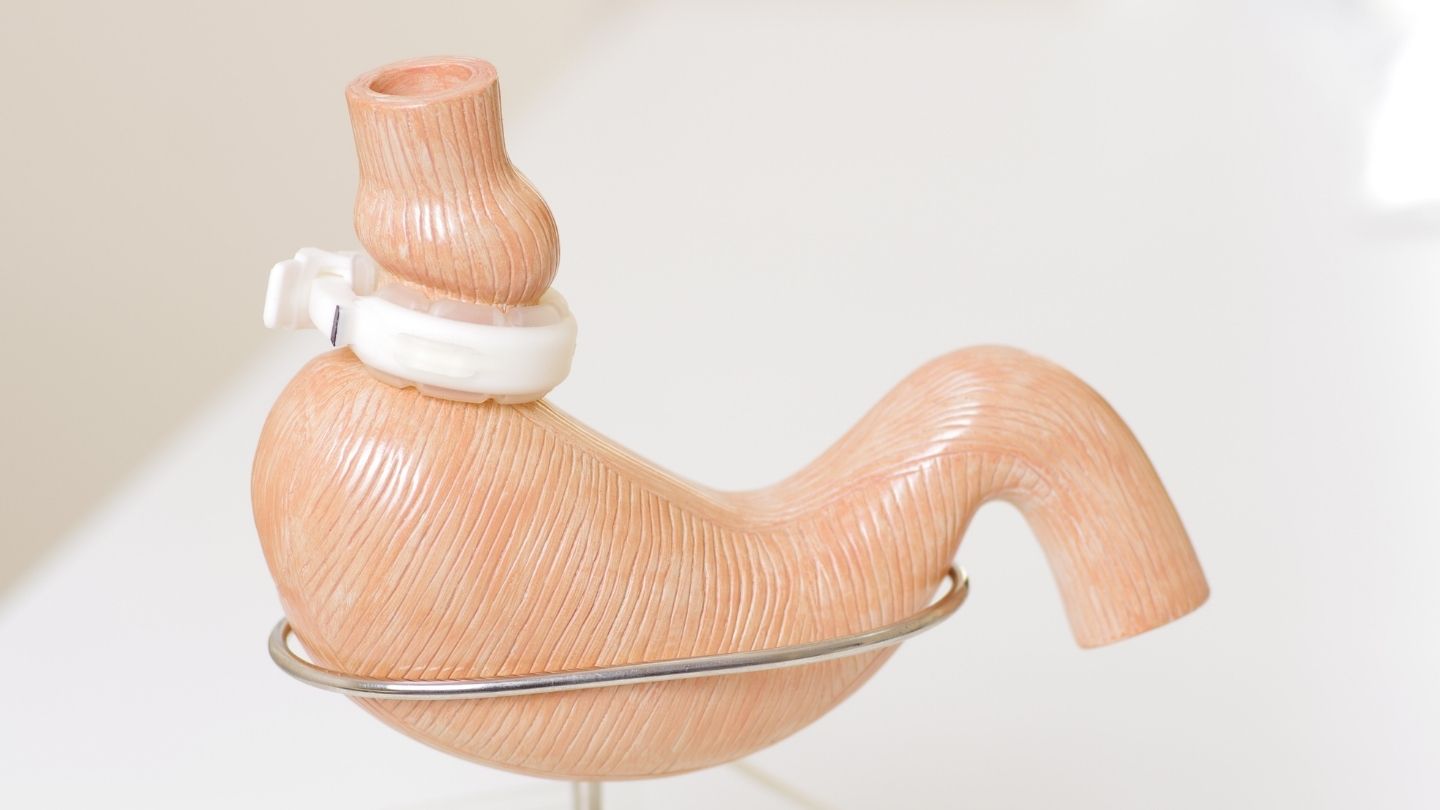
- Minimally invasive nature: The band is placed around the upper stomach using small incisions, with no stomach stapling or removal of any portion of the stomach.
- Adjustability: The adjustable band can be tightened or loosened over time to support weight loss at different stages of your weight loss journey.
- Reversibility: If necessary, the gastric band can be removed, restoring your anatomy to its original state.
- Shorter operative time: The procedure typically lasts 30–60 minutes, and most patients go home the same day or after an overnight stay in a nearby Cobb County hospital.
- Lower nutritional deficiency risk: Because the digestive tract is not rerouted, there is less risk of vitamin and mineral deficiencies compared to other weight loss surgeries.
It is important to know that some patients do very well with a lap band, while others may be better served by a conversion to a gastric sleeve or bypass. Your surgeon will help you weigh these factors based on your individual situation.
Preparing for Your Lap Band Consultation in East Cobb
Coming prepared to your consultation allows you to make the most of your 30–60 minute appointment and helps your care team understand your unique needs. Here are some practical steps:
- Gather key documents: Bring a list of your current medications, records of past weight loss programs, recent lab results, and any reports from specialists such as cardiologists or pulmonologists.
- Track your eating patterns: Spend a week or two recording what you eat and your physical activity levels. This information helps the surgeon and dietitian understand your current eating habits and identify areas for improvement.
- Prepare your questions: Write down questions about topics like lap band vs. gastric sleeve, expected recovery time, time off work, the recovery process, and the follow-up schedule in East Cobb or Marietta.
- Bring a support person: A spouse, friend, or adult child can help you remember information discussed during the visit and talk through options with you afterward.
- Approach with an open mind: Think of the consultation as an information session, not a commitment to surgery. This mindset can reduce anxiety and help you focus on learning what is best for your overall health.
Taking the Next Step Toward Better Health
Recognizing when to consult a lap band surgeon in East Cobb can be a turning point in your weight loss journey. If lifestyle changes are no longer delivering results or obesity-related conditions are affecting your health, seeking expert guidance ensures you understand safe, effective surgical options tailored to your needs and goals.
At Wellstar Comprehensive Bariatric Services, we offer experienced guidance from a trusted lap band surgeon in East Cobb, Marietta, LaGrange, West GA, Smyrna, Austell, helping us move forward with confidence and clarity about our weight loss options. We also provide gastric bypass, duodenal switch with gastric sleeve, and gastric sleeve procedures designed around individual health goals. Take the next step with us and explore a personalized path toward lasting results today.
Frequently Asked Questions
How long does it usually take from the first consult to lap band surgery in East Cobb?
For insured patients, the process typically takes three to six months due to supervised diet requirements, medical evaluations, and insurance authorization. Self-pay patients who meet medical criteria may proceed faster, depending on scheduling availability and completion of pre-operative testing.
Can I switch from a lap band to a gastric sleeve if I live in East Cobb?
Yes, many bariatric surgeons offer revision procedures to remove a lap band and convert to a gastric sleeve. Depending on scar tissue and anatomy, surgery may be completed in one stage or planned as two separate procedures.
Will my insurance cover lap band surgery or revision in Cobb County?
Coverage depends on your specific insurance plan. Many insurers follow BMI and medical necessity guidelines, including documented health conditions. Confirm benefits, required documentation, and potential out-of-pocket expenses with both your insurance provider and the bariatric office before scheduling.
How often will I need to see my East Cobb surgeon after lap band placement?
During the first year, follow-up visits are usually scheduled every four to six weeks for adjustments and monitoring. Afterward, appointments become less frequent, often every few months, with at least annual visits recommended for long-term safety and effectiveness.
Is there an age limit for lap band surgery in East Cobb?
Most programs evaluate adults between 18 and 65 or 70 years old. However, eligibility depends more on overall health than age alone. Surgeons assess medical fitness and potential benefits before recommending a surgical weight loss procedure.