What Are the Ideal High-Protein Shakes After Bariatric Surgery
After bariatric surgery, meeting your daily protein requirements becomes both more critical and more challenging than ever before. Your dramatically reduced stomach capacity makes it nearly impossible to consume adequate protein through regular meals alone, yet your body’s need for protein actually increases during the healing and weight loss phases. This is where carefully selected protein shakes become not just helpful, but essential for your recovery and long-term success.
Understanding what constitutes an ideal high-protein shake after bariatric surgery can make the difference between thriving in your new lifestyle and struggling with complications like muscle loss, poor wound healing, and nutritional deficiencies. Let’s explore everything you need to know about choosing the right protein supplements to support your journey.
Key Takeaways
- Bariatric patients need 60-100 grams of protein daily, requiring high-quality protein shakes with 15-30g protein per serving
- Whey protein isolate is the gold standard for bariatric shakes due to its complete amino acid profile and easy absorption
- Ideal shakes must contain less than 15g of sugar and under 250 calories to prevent dumping syndrome
- Both protein powders and ready-to-drink shakes work effectively, with powders offering better cost-efficiency
Why Is It Essential To Have High Protein Shakes For Bariatric Patients
Bariatric surgery reduces your stomach’s capacity dramatically – from roughly the size of a football to about the size of an egg or a small banana. This physical change makes it incredibly challenging to consume enough food to meet your body’s nutritional needs, particularly for protein. Weight loss surgery patients typically need between 60 and 100 grams of protein daily, which is significantly higher than the general population’s requirements.
This increased protein intake serves several crucial functions in your recovery and ongoing health. First, protein supports proper wound healing after surgery, helping your incisions heal properly and reducing the risk of complications. The amino acids in complete protein sources provide the building blocks your body needs to repair tissues and create new cells.
Perhaps even more importantly, adequate protein intake helps preserve your muscle mass during rapid weight loss. Without sufficient protein, your body will burn fat alongside valuable muscle tissue, which can slow your metabolism and compromise your long-term weight management goals. High protein shakes provide a concentrated, easily digestible source of essential nutrients when your appetite is limited and your stomach capacity is restricted. Many patients notice that maintaining daily movement becomes easier over time, especially when they incorporate guidance from exercise after bariatric surgery into their recovery routine.
Liquid protein supplements also offer practical advantages in the weeks and months following surgery. When solid foods feel uncomfortable or cause nausea, protein drinks can be sipped slowly throughout the day, ensuring you meet your daily protein goals without overwhelming your healing digestive system.
What Makes an Ideal Bariatric Protein Shake
The best bariatric protein shakes are specifically formulated to meet the unique needs of surgery patients. An ideal shake should provide 15-30 grams of protein per serving while keeping calories under 250 and sugar content below 15 grams. These parameters aren’t arbitrary – they’re designed to maximize nutritional benefit while minimizing the risk of dumping syndrome, a potentially serious complication where food moves too quickly from your stomach into your small intestine. Protein requirements often feel more manageable once patients develop a deeper understanding of the complete guide to bariatric surgery and how nutrition supports long-term success.
Low sugar content is particularly crucial for gastric bypass patients, as high-sugar drinks can trigger dumping syndrome symptoms, including nausea, cramping, diarrhea, and dizziness. Look for shakes that contain 5 grams of sugar or less per serving, with many bariatric-specific formulas containing just 1-2 grams.
Beyond macronutrients, ideal bariatric shakes often include added essential vitamins and minerals. Since your reduced food intake makes it challenging to meet all nutritional needs through diet alone, fortified protein drinks can help bridge nutritional gaps. Look for shakes that include vitamin B12, iron, calcium, and other nutrients commonly deficient in bariatric surgery patients.
The protein content per serving should be substantial enough to make a meaningful contribution to your daily protein goals. Many patients find that shakes providing 20-30 grams of protein per serving work best, allowing them to meet their requirements with just 2-3 servings daily alongside their meals.
Digestibility is another crucial factor. The best bariatric protein shakes mix smoothly without grittiness, have pleasant flavors that don’t become overwhelming over time, and are gentle on sensitive post-surgery stomachs.
Types of Protein to Look for in Bariatric Shakes
Whey Protein Isolate
Whey protein isolate stands out as the gold standard for bariatric surgery patients. This form of whey protein has been processed to remove most lactose, fat, and carbohydrates, leaving behind a concentrated protein source that’s typically 90-95% protein by weight. This makes it ideal for patients who may have developed lactose intolerance after surgery – a common occurrence that affects many patients.
The complete amino acid profile of whey protein isolate includes all nine essential amino acids that your human body cannot produce on its own. This completeness is crucial for supporting muscle growth and proper wound healing during your recovery period. Whey protein isolate is also rapidly absorbed, making it particularly effective when consumed after physical activity or between meals. Some individuals choosing between whey, soy, or plant-based options may be influenced by factors similar to those considered when exploring how quickly they can get bariatric surgery as part of their overall health planning.
Research shows that whey protein is especially rich in branched-chain amino acids (BCAAs), particularly leucine, which plays a key role in stimulating muscle protein synthesis. This can help surgery patients maintain their muscle mass during rapid weight loss, supporting their metabolism and overall health outcomes.
Other Quality Protein Sources
While whey protein isolate is preferred by most bariatric programs, several other high-quality protein sources can serve bariatric patients well. Casein protein, also derived from milk, digests more slowly than whey protein, providing a sustained release of amino acids. Some patients prefer casein-based shakes in the evening, as the slower digestion can help maintain protein synthesis overnight.
Soy protein isolate offers an excellent plant-based alternative for patients who follow vegetarian or vegan diets, or those who cannot tolerate dairy products. Soy protein is considered a complete protein, containing all essential amino acids, and has been shown to support muscle maintenance effectively.
For patients with multiple food sensitivities, pea protein combined with other plant proteins can create a complete amino acid profile. However, plant-based proteins often require larger serving sizes to achieve the same protein content as whey or soy isolates.
It’s important to note that collagen-based protein drinks, while popular in the general market, are not ideal as a primary protein source for bariatric patients. Collagen lacks several essential amino acids and doesn’t provide the complete nutritional support needed during recovery and weight loss.
Powder vs Ready-Made Shakes: Which Is Better
The choice between protein powder and ready-to-drink shakes often comes down to personal preferences, lifestyle factors, and budget considerations. Each option offers distinct advantages that may make one more suitable for your specific situation.
Ready-to-drink shakes excel in convenience, especially during the early weeks after surgery when energy levels are low, and meal preparation feels overwhelming. These shakes require no mixing, measuring, or cleanup, making them ideal for busy schedules or travel. The consistent nutritional content means you always know exactly how much protein and calories you’re consuming. Adjusting to either protein powders or ready-made shakes may feel easier when patients are aware of scenarios where bariatric surgery reversal becomes part of broader discussions about long-term outcomes.
However, protein powders typically offer better cost-effectiveness for long-term use. A single container of protein powder often provides 20-30 servings, significantly reducing the per-serving cost compared to individual ready-to-drink bottles. Powders also offer greater customization – you can adjust the liquid amount to achieve your preferred consistency and mix with various low-calorie liquids like unsweetened almond milk or skim milk for additional protein.
Storage considerations may also influence your choice. Ready-to-drink shakes require refrigeration and have expiration dates, while protein powders can be stored at room temperature and typically last longer once opened. For patients with limited refrigerator space or those who travel frequently, powders may be more practical.
Many successful bariatric surgery patients use a combination approach – keeping ready-to-drink shakes for convenience and having protein powder available for cost-effective daily use.
Plant-Based Protein Options for Bariatric Patients
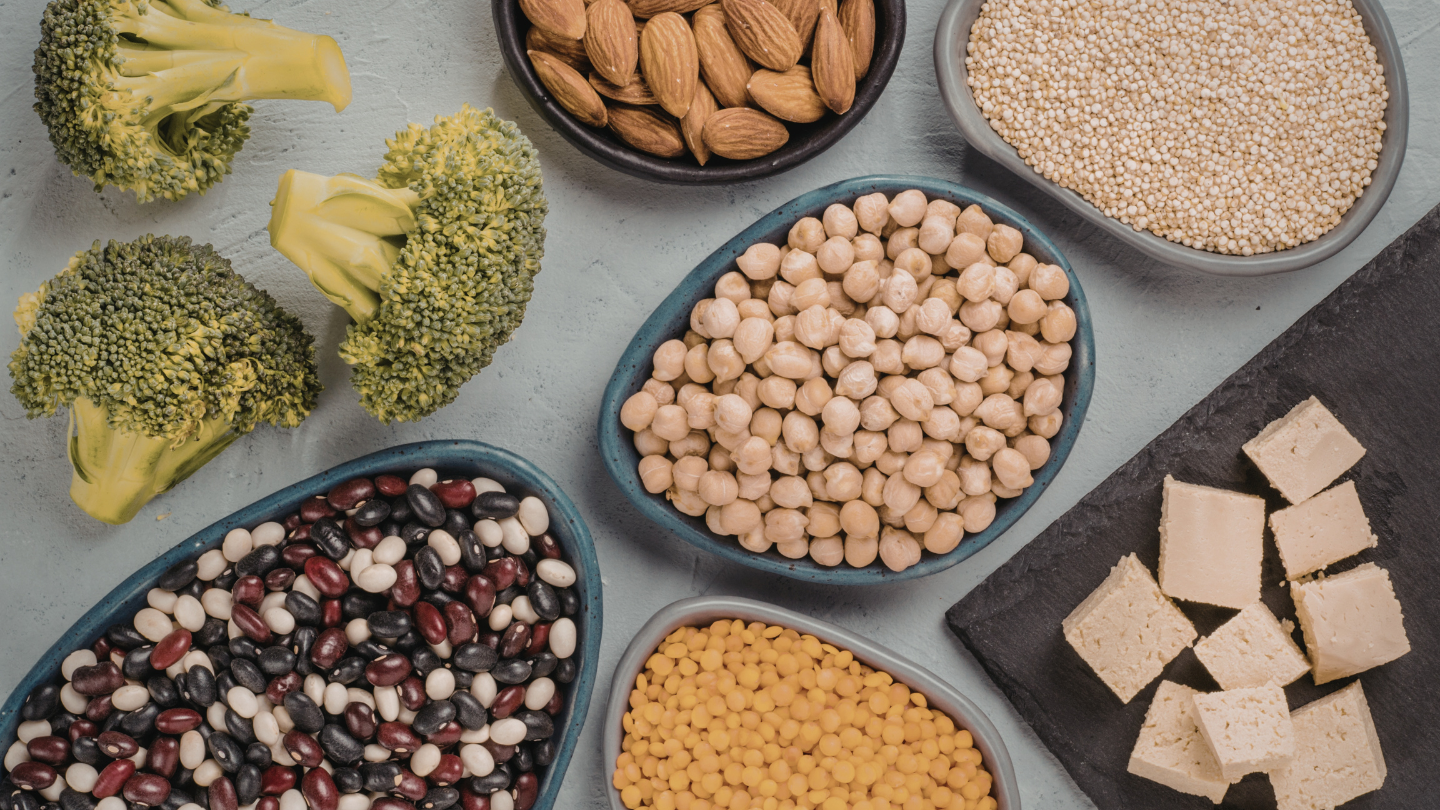
While animal-based proteins like whey protein remain the gold standard for bariatric patients, plant-based options can work effectively for those with dietary restrictions, ethical considerations, or tolerance issues. However, choosing the right plant proteins requires more careful attention to amino acid profiles and protein quality.
Single plant proteins like rice or hemp protein alone typically lack one or more essential amino acids, making them incomplete protein sources. Successful plant-based bariatric nutrition usually requires protein blends that combine complementary sources. For example, combining pea protein with rice protein creates a complete amino acid profile similar to animal proteins.
Soy protein isolate stands out as the most complete plant-based option, containing all essential amino acids in proportions similar to whey protein. Many bariatric programs readily approve soy-based shakes for vegetarian or vegan patients, though some individuals may need to consume slightly larger servings to achieve the same muscle-building benefits.
It’s worth noting that plant-based protein shakes often require higher serving sizes to deliver the same protein content as whey-based alternatives. Where a whey shake might provide 30 grams of protein in 8 ounces, a plant-based equivalent might require 10-12 ounces to deliver the same amount of good protein. This can be challenging for bariatric surgery patients with limited stomach capacity.
Many patients find success with plant-based protein powders that can be mixed into smoothies with additional protein sources like unsweetened soy milk or Greek yogurt to boost overall protein content per serving.
Tips for Consuming Protein Shakes After Bariatric Surgery
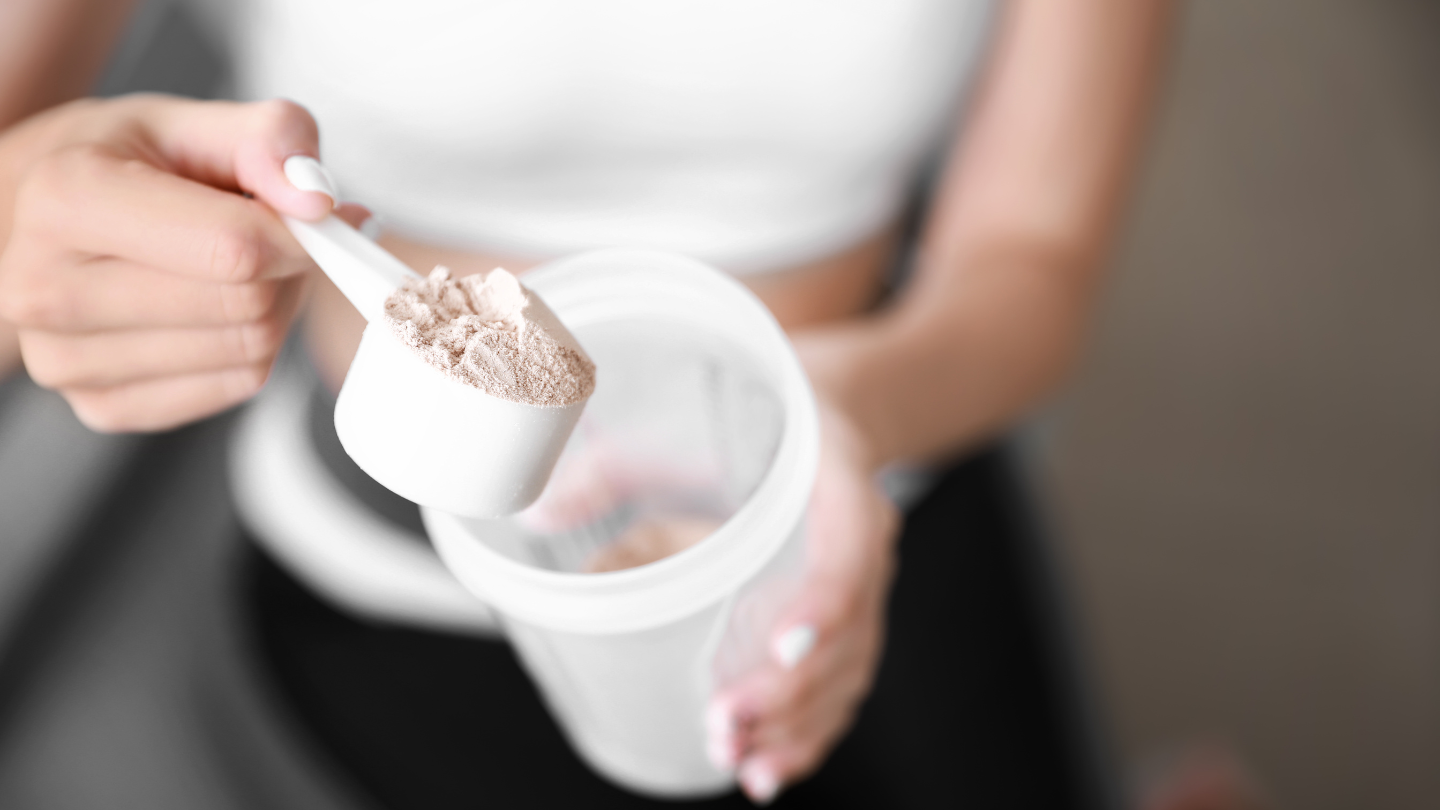
Successful protein supplementation after bariatric surgery involves more than just choosing the right shake – how you consume your protein drinks is equally important for tolerance and absorption. The reduced stomach capacity and altered digestion require specific strategies to maximize benefits while minimizing discomfort.
Sip your protein shakes slowly over 30-60 minutes rather than drinking them quickly. This gradual consumption helps prevent overwhelming your small stomach pouch and reduces the risk of nausea, vomiting, or discomfort. Many patients find it helpful to pour their shake into a smaller cup and drink it in small sips throughout an extended period.
Timing matters significantly in your post-surgery nutrition plan. Consume protein shakes between meals rather than with food to avoid competing for limited stomach space. This approach also helps ensure you can finish your shake without feeling overly full. Many successful patients establish a routine of having shakes mid-morning, mid-afternoon, and evening. Establishing a steady routine with your shakes supports smoother progress, especially when paired with sustainable habits encouraged throughout the exercise and fitness after bariatric surgery journey.
Temperature preferences can vary significantly among bariatric surgery patients. While some enjoy ice-cold shakes, others find room temperature or even slightly warm protein drinks more comfortable for their sensitive stomachs. Experiment with different temperatures to find what works best for you, as tolerance can change throughout your recovery.
Consider mixing your protein powder with liquids that boost overall nutrition. Unsweetened almond milk adds extra protein and calcium with minimal calories, while skim milk provides additional high-quality protein. Avoid mixing with high-calorie liquids like fruit juice or whole milk, which can add unnecessary calories and sugar to your daily intake.
If you experience protein fatigue from drinking the same flavors repeatedly, try unflavored protein powder that can be mixed into various liquids, including clear broths, sugar-free beverages, or even added to soft foods like Greek yogurt once you’re cleared for pureed foods.
Nourishing Your Recovery Journey
Choosing the ideal high-protein shakes after bariatric surgery plays a crucial role in healing, maintaining muscle mass, and supporting long-term weight-loss success. Prioritizing easily digestible, high-quality protein sources helps your body recover efficiently while also making it easier to meet daily nutritional goals during the early postoperative stages. Consistency, balance, and mindful selection ultimately make the biggest difference in building a strong nutritional foundation.
At Wellstar Comprehensive Bariatric Services, we’re committed to guiding you through every stage of your transformation, from surgery to long-term wellness. Our team provides personalized support, nutrition guidance, and comprehensive care for individuals seeking bariatric surgery in East Cobb, Marietta, Smyrna, Austell, LaGrange, or West GA, ensuring you feel confident and empowered throughout your journey. Before taking the next step, it’s important to recognize how your nutritional needs may vary depending on whether you’ve undergone gastric bypass, duodenal switch with gastric sleeve, gastric sleeve, GERD, or other related procedures, ensuring your protein choices align with your unique recovery plan. Start your next step with us and build a healthier, stronger future with the right nutritional support.
Frequently Asked Questions
When can I start drinking protein shakes after bariatric surgery?
Most bariatric surgery patients can begin consuming clear liquid protein supplements within 24-48 hours after surgery, following their surgeon’s specific guidelines. The progression typically moves from clear liquids to full liquid protein supplements during the first week, though individual timelines may vary based on your surgery type and recovery progress. Always follow your medical team’s specific instructions rather than general guidelines.
How many protein shakes should I drink per day after bariatric surgery?
The number of protein shakes needed depends on your daily protein goals, current food intake, and individual tolerance. Most bariatric surgery patients require 1-3 protein shakes daily to meet their 60-100 gram protein targets, especially during the first few months when solid food intake is limited. As your tolerance for regular food improves, you may be able to reduce shake frequency while maintaining adequate protein intake through meals.
Can protein shakes cause dumping syndrome after gastric bypass?
Yes, protein shakes with high sugar content can trigger dumping syndrome in gastric bypass patients. This is why bariatric-appropriate shakes contain 5 grams of sugar or less per serving. Symptoms of dumping syndrome include nausea, cramping, diarrhea, dizziness, and rapid heartbeat. To prevent this, always choose low-sugar protein shakes and sip them slowly rather than drinking quickly.
What should I do if I can’t tolerate whey protein after surgery?
If you experience digestive issues with whey protein, several alternatives can provide complete nutrition. Try whey protein isolate instead of concentrate, as it contains less lactose. Soy protein isolate offers a complete plant-based alternative, while egg white protein provides another animal-based option. Some patients find that switching from powder to ready-to-drink formulations improves tolerance, or vice versa.
How long will I need to rely on protein shakes after bariatric surgery?
Most bariatric surgery patients use protein shakes most heavily during the first 3-6 months after surgery, when food intake is most limited. However, many successful patients continue using 1-2 protein shakes daily long-term as a convenient way to meet their higher protein requirements. Your healthcare team will help you gradually transition to meeting more protein needs through solid foods while using shakes as a flexible backup to ensure you consistently meet your daily protein goals for successful weight loss and overall health.