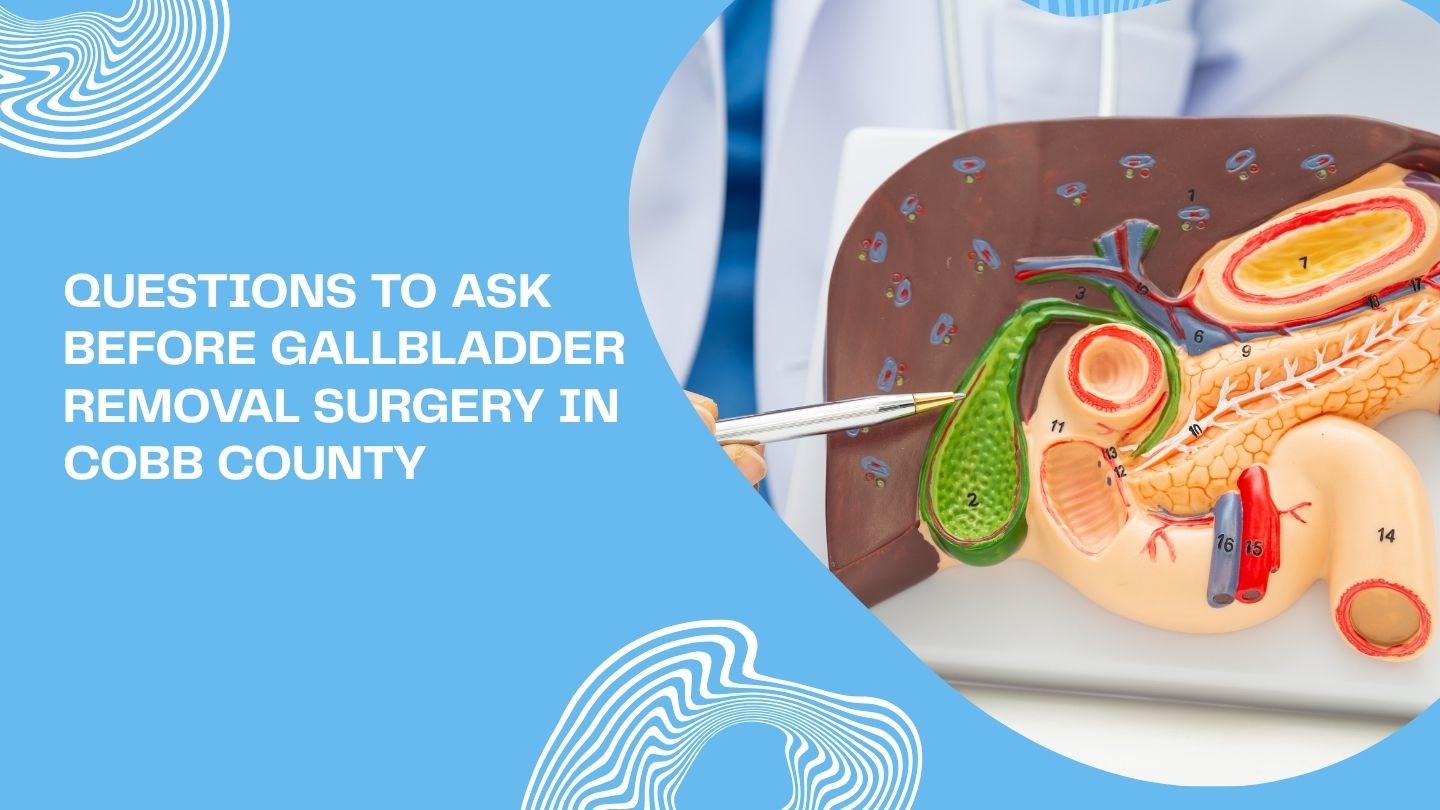
Questions to Ask Before Gallbladder Removal Surgery in Cobb County
Gallbladder removal is a common surgical procedure often recommended to treat gallstones, inflammation, or recurring digestive discomfort. While the surgery is widely performed and generally safe, it is important for patients to understand the process, potential risks, and recovery expectations before moving forward. Being informed helps you feel more confident and prepared when discussing treatment options with your surgeon. Taking time to clarify important details can also help ensure a smoother surgical and recovery experience. In this blog, we will discuss the important questions patients should ask their surgeon before undergoing gallbladder removal surgery in Cobb County.
Key Takeaways
- Patients in Cobb County should ask specific, concrete questions about surgeon experience, hospital choice, surgery type, risks, and recovery before scheduling gallbladder removal to ensure they receive the best possible care.
- Most gallbladder surgeries in metro Atlanta, including Cobb County, are laparoscopic, outpatient procedures that take about 1–2 hours, though details vary by hospital and surgeon.
- Asking about local facilities such as hospitals in Marietta and Austell helps patients choose where to have surgery based on safety, convenience, and available support services.
- Patients should clarify what to expect in the first 48–72 hours after surgery, including pain control, driving limitations, and time off work.
- Preparing a written list of questions for the pre-op visit reduces anxiety and leads to a smoother experience before, during, and after the procedure.
Why Asking Questions Before Gallbladder Surgery in Cobb County Matters
Residents of Cobb County often feel rushed from diagnosis to surgery recommendation. One day, you’re at the ER at Kennestone or Wellstar Cobb with intense right-sided pain, the next an ultrasound reveals gallstones, and within days, you have a consultation with a surgeon about removal. This compressed timeline can feel overwhelming.
Consultations at Cobb County surgical practices are often brief, sometimes lasting only 15–20 minutes. Having specific questions prepared maximizes the value of that single pre-op visit. Whether you’ve received a referral from primary care in East Cobb, visited the emergency room after an acute attack, or recently had imaging studies, arriving with a clear list helps you get the answers you need.
Experienced surgeons actually welcome thoughtful questions. When patients understand their procedure, it reduces last-minute cancellations, confusion on surgery day, and unexpected calls after discharge. Your medical team wants you to feel confident and informed. For residents across Marietta, Smyrna, Austell, and Kennesaw, this blog provides a framework for the essential questions to ask before undergoing surgery for gallbladder problems.
Understanding Why Gallbladder Removal Is Recommended
The first question you should always ask is: “Why do I personally need this surgery now?” Not all gallstones require immediate removal, and understanding your specific situation helps you make an informed decision.
Sample questions to ask your Cobb County surgeon:
- Do I have gallstones, acute cholecystitis, biliary dyskinesia, or pancreatitis triggered by stones?
- How many attacks of pain in my upper right abdomen, nausea, fever, or jaundice typically justify surgery versus watchful waiting?
- Is my surgery urgent, or is it safe to schedule in 3–4 weeks?
- If I recently had an infection, does that change the timing?
- What might happen without surgery—repeat ER visits, risk of pancreatitis, or emergency operation?
About 80% of people with gallstones never develop symptoms and may not need surgery. However, even 1–2 severe attacks often justify removal to prevent serious complications like gallbladder perforation or ascending cholangitis. Learning to recognize the early signs of gallbladder issues can help you and your surgeon decide when intervention is necessary.
If your symptoms stem from hardened deposits blocking the cystic duct, surgery is often the most effective solution for long-term relief, and understanding when gallbladder surgery is needed can make your decision feel more informed.
Is Laparoscopic or Robotic Surgery the Best Option for Me?
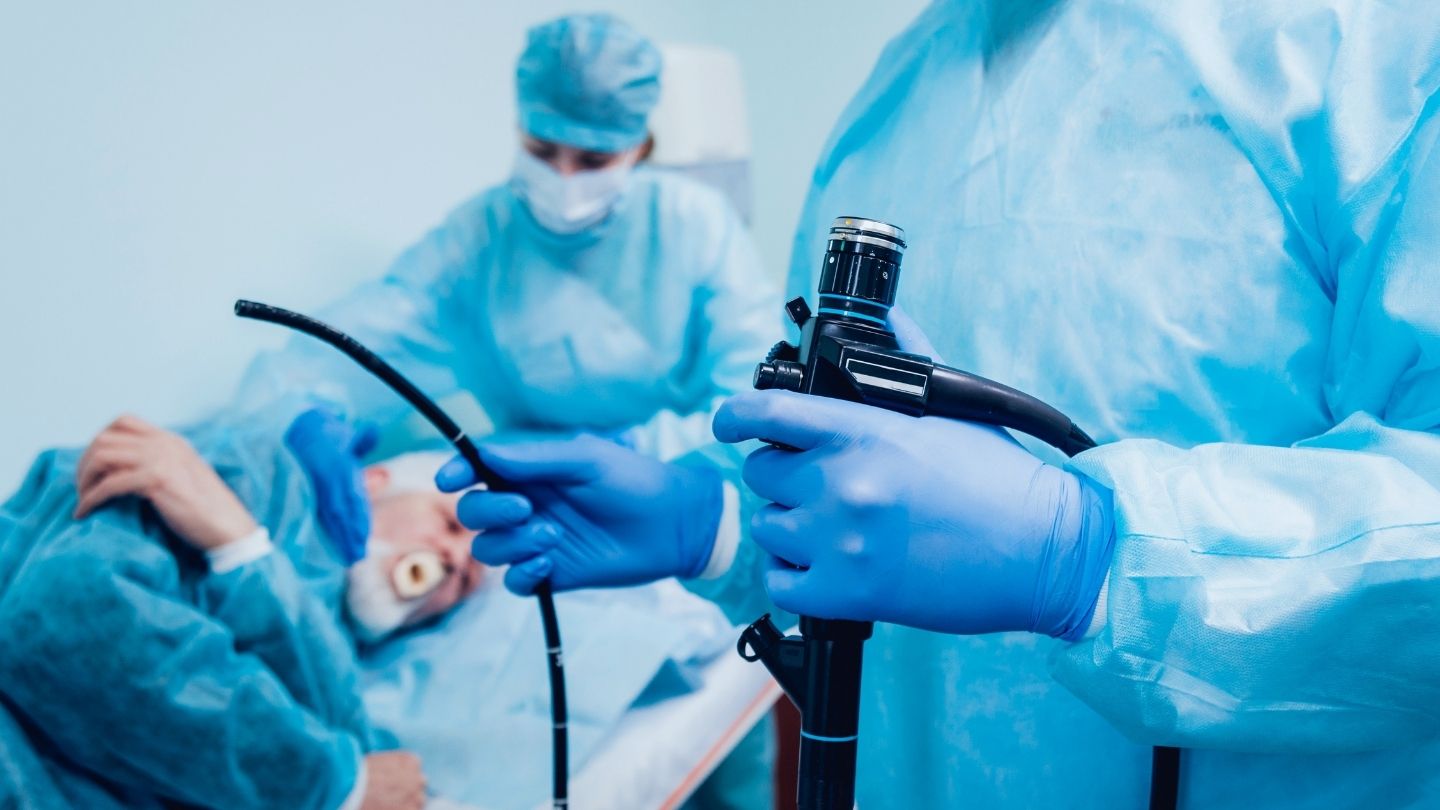
In Cobb County in 2025, most elective gallbladder removals are performed using minimally invasive techniques. Laparoscopic cholecystectomy remains the gold standard, sometimes enhanced with robotic assistance for enhanced precision. However, not everyone is a candidate for this approach.
Questions to ask about your surgical procedure:
- Will you perform laparoscopic, robotic-assisted, or traditional open surgery in my case?
- How often do you need to convert from laparoscopic to open surgery?
- What patient factors—like BMI over 35, prior abdominal surgery, or severe inflammation—increase conversion risk?
- Where will the incisions be located, and how large will they be?
- What cosmetic outcomes should I expect?
Laparoscopic gallbladder surgery typically involves 3–4 small incisions, each about 0.5–1 cm, near the navel and upper abdomen. This keyhole surgery approach results in minimal scarring, less postoperative pain, and faster recovery compared to open surgery, which requires a 5–6 inch incision.
Conversion rates from laparoscopic to open range from 2–15% depending on case complexity and surgeon experience. For patients with acute cholecystitis, this rate can reach up to 30%. Understanding these possibilities helps you set realistic expectations.
Choosing a Surgeon and Hospital in Cobb County
Cobb County residents often have choices among hospitals in Marietta, Austell, Smyrna, and nearby Atlanta suburbs. Understanding why your surgeon recommends a particular facility helps you feel confident in your care.
Questions about surgeon experience:
- How many gallbladder surgeries do you perform per month or per year?
- How long have you been operating in Cobb County or the Atlanta metro area?
- Are you a board-certified general surgeon?
- What is your personal bile duct injury rate?
High-volume surgeons—those performing over 50–100 cholecystectomies yearly—typically demonstrate bile duct injury rates below 0.5%, compared to 1–2% for lower-volume peers. This is a reasonable question to ask, and ethical surgeons will appreciate your thoroughness.
Questions about hospital resources:
- Will surgery be at a hospital or an ambulatory surgery center?
- Does the facility have 24/7 anesthesia coverage and on-site imaging?
- Is intensive care available should a complication arise?
- How does facility choice affect same-day discharge, costs, and emergency backup?
Major Cobb County facilities like Wellstar Kennestone offer comprehensive backup services, while ambulatory surgery centers may provide lower costs for uncomplicated cases. Don’t forget to verify insurance coverage and in-network status before confirming your surgery date.
What Happens Before, During, and Right After Surgery
A typical elective laparoscopic gallbladder surgery in Cobb County is scheduled early morning and takes around 60–90 minutes, with several additional hours spent in pre-op and recovery areas. Most patients spend 2–4 hours total at the facility before heading home.
Pre-operative questions:
- What are the fasting instructions?
- Should I take my blood pressure or diabetes medications the morning of surgery?
- When should I stop blood thinners like aspirin or apixaban?
- Are there any over-the-counter medications I should avoid?
Questions about anesthesia:
- What type of general anesthesia will be used?
- Will I need a breathing tube?
- Who will be monitoring me during the procedure?
- What are my specific anesthesia risks based on my health history?
Post-operative questions:
- How long will I be in the recovery room?
- When can my family see me?
- What criteria must I meet before going home the same day?
- Will someone from the care team call to check on me the next day?
Understanding these preparation steps ahead of time helps ease anxiety and ensures a smoother surgery day experience.
Recovery Time, Pain Control, and Returning to Work

Many patients in Cobb County go home the same day after laparoscopic surgery and feel significantly better within about two weeks. Recovery time varies based on the surgical approach: laparoscopic patients typically return to normal activities in 3–7 days, while open surgery may require four to six weeks, so it helps to review how long it takes to recover from gallbladder surgery in more detail.
Questions about pain management:
- What pain medicines will you prescribe?
- How long are opioids typically needed (if at all)?
- What non-drug options can help—ice packs, walking, positioning?
- When should I transition to over-the-counter medications?
Most patients need narcotic pain medication for only 3–5 days after laparoscopic procedures. Multimodal pain control using acetaminophen and NSAIDs alongside limited opioids promotes a smooth recovery while minimizing dependency risks, especially when paired with strategies that help you avoid discomfort after gallbladder removal surgery.
Questions about activity and return to normal activities:
- When can I drive again?
- When is it safe to climb stairs, lift children, or do yard work?
- When can I return to gym workouts?
- What restrictions should I follow in the first few weeks?
Generally, patients can drive 24–72 hours after stopping narcotic medications. Light activities resume within a few weeks, while heavier lifting may need to wait 2–4 weeks.
Questions about work:
- How much time off work do you recommend for my job type?
- Can you provide documentation for FMLA or short-term disability?
Recovery expectations differ significantly: desk jobs in offices around Cumberland or Town Center may allow return within 3–7 days, while physically demanding warehouse or construction positions in Cobb County may require 2–4 weeks.
Diet, Digestive Changes, and Long-Term Life Without a Gallbladder
Many patients return to normal eating within a few weeks, but dietary restrictions in the early recovery process are important. Your digestive system needs time to adjust to functioning without the gallbladder, including knowing when and how to safely drink alcohol after gallbladder removal.
Questions about post surgery diet:
- Should I start with clear liquids or a low-fat diet?
- How soon can I reintroduce fatty foods, fried dishes, or spicy meals?
- What foods should I avoid in the first week?
- Are there foods that commonly cause digestive issues after removal?
Initially, most patients benefit from avoiding greasy foods, processed foods, and heavy sauces. Many Cobb County residents wonder when they can enjoy local barbecue and fried chicken again, typically within 2–4 weeks, depending on individual tolerance.
Questions about digestive changes:
- Am I at higher risk for diarrhea or bloating due to IBS, diabetes, or prior bowel surgery?
- What causes post-cholecystectomy syndrome?
- Should I take any long-term supplements like soluble fiber?
- Do I need permanent lifestyle changes or dietary restrictions?
About 10–15% of patients experience temporary diarrhea or urgency after surgery due to bile acid malabsorption. This typically resolves within 4–6 weeks. For persistent symptoms, bile acid binders like cholestyramine may help.
Long-term, 95% of patients tolerate normal diets without supplements, though about 5% continue to have some fatty food intolerance. Understanding what to expect prevents unnecessary worry about normal adjustment symptoms.
Financial, Logistical, and Support Questions to Ask
Many patients want to understand costs and logistics before committing to surgery, especially with high-deductible insurance plans or limited paid time off.
Questions about costs:
- What are the estimated total charges?
- What portion will insurance likely cover?
- Will I receive separate bills from the surgeon, anesthesiologist, and facility?
- What are the differences in cost between a hospital and a surgery center?
In Cobb County, median cholecystectomy prices around Marietta run approximately $6,539 across providers, though in-network arrangements may reduce out-of-pocket costs to $2,000–4,000. Getting pre-authorization and understanding your coverage prevents billing surprises.
Logistical questions:
- What time should I arrive?
- Where do I park, and is valet available?
- Must my responsible adult stay at the facility, or can they leave and return?
- How long should my ride expect to wait?
Questions about follow-up care:
- Are telehealth follow-up appointments available for patients living farther out in Cobb County?
- When will my post-surgery appointment be scheduled?
- Can you provide work excuse forms, FMLA documentation, or disability paperwork in advance?
Planning these details ahead of time reduces stress and helps you focus on recovery.
Preparing Your Question List and Getting a Second Opinion
Writing down your questions before the consultation leads to clearer decisions and less stress during the week of surgery. You won’t have to rely on memory when you’re nervous or overwhelmed.
Tips for your consultation:
- Bring a spouse, family member, or trusted friend to help take notes
- Write down the surgeon’s answers to review later
- Don’t hesitate to ask for clarification on anything unclear
- Request written materials about your procedure
It’s completely appropriate to ask your surgeon whether a second opinion is reasonable in your case. Ethical surgeons practicing in Cobb County will support this choice without hesitation. For non-emergency situations, delaying surgery by 1–3 weeks to confirm your plan is perfectly acceptable.
Keep all your imaging reports, ultrasound, HIDA scan, CT scans from local radiology centers, and lab results organized in a folder or digital file. This makes sharing information with another provider seamless.
Feeling fully informed is a valid reason to take extra time before committing to surgery. Proper preparation leads to better patient outcomes and helps you approach your procedure with confidence.
Making Informed Decisions for a Safer Surgical Experience
Preparing for gallbladder surgery involves more than scheduling a procedure—it requires understanding the process, risks, recovery expectations, and available treatment options. Asking the right questions helps patients feel confident in their care plan and ensures they are fully prepared for surgery and the recovery period that follows.
Wellstar Comprehensive Bariatric Services offers expert care for patients considering gallbladder removal in Cobb County, Marietta, Smyrna, Austell, LaGrange, West, GA, helping individuals make informed decisions about their surgical options. Our team also provides specialized treatment for GERD, duodenal switch with gastric sleeve, and gastric bypass procedures. Contact us today to learn more about your treatment options and take the next step toward better digestive health.
Frequently Asked Questions
How far in advance should I schedule gallbladder surgery in Cobb County?
Non-emergency cases are typically scheduled 1–3 weeks out, depending on surgeon availability, your health status, and how recently symptoms occurred. If you recently had an acute infection or hospitalization, your surgeon may recommend either earlier surgery (within a few days to prevent recurrence) or waiting a few weeks for the inflammation to settle. Urgent symptoms like fever, jaundice, or uncontrollable pain require faster evaluation in an emergency department rather than waiting for a routine office appointment.
Can I go home alone after gallbladder removal surgery?
Most Cobb County facilities require a responsible adult to drive you home and stay with you at least the first night after surgery due to anesthesia effects. You should plan ahead for transportation and help with basic tasks like meals and household chores for the first 24–48 hours. Going home completely alone is generally discouraged and may violate the facility’s discharge policy, potentially delaying your release.
What if my symptoms improve before the scheduled surgery date?
Gallbladder symptoms often come and go, so a pause in pain doesn’t necessarily mean the underlying problem has resolved. Call your surgeon’s office to discuss whether postponing the operation is appropriate based on your imaging findings and history of previous attacks. However, any new or worsening symptoms, such as fever or jaundice, should prompt immediate medical attention rather than simply canceling your scheduled procedure on your own.
Will my existing conditions (like diabetes or heart disease) affect my surgery plan?
Conditions such as diabetes, high blood pressure, and heart or lung disease often require extra pre-operative evaluation, sometimes including a cardiology consultation or primary care clearance visit. Ask your surgeon how these conditions change anesthesia risk, infection risk, and expected recovery time, and whether any medications need adjustment before or after surgery. Good control of chronic conditions generally makes surgery safer and may influence which Cobb County facility your surgeon prefers for your case.
How soon will I have a follow-up appointment after gallbladder removal?
Most surgeons in Cobb County schedule a follow-up appointment about 7–14 days after laparoscopic gallbladder surgery to check incision healing and review the pathology report from the removed tissue. Ask whether this visit can be conducted in-person or via video, and what to do if concerns arise before that date. Any issues such as persistent fever, severe pain, or drainage from incisions should not wait for the routine follow-up; contact the office immediately in such cases.