Can I Drink Alcohol After Gallbladder Removal?
If you’ve recently had your gallbladder removed or are preparing for surgery, you’re probably wondering when you can safely enjoy a glass of wine at dinner or a beer with friends again. It’s a common question, and the answer isn’t a simple yes or no. The good news is that most people can return to moderate alcohol consumption after gallbladder removal, but the timing and approach matter significantly for your comfort and recovery.
Your digestive system undergoes real changes after cholecystectomy, and understanding these changes can help you make informed choices about drinking. This blog walks you through everything you need to know, from safe timelines and practical tips to warning signs that warrant a call to your healthcare provider.
Key Takeaways
Most people can drink alcohol again after gallbladder removal, but only after the initial healing period and with a mindful approach to moderation. Here’s what you need to know at a glance:
- Wait at least 2 weeks after uncomplicated laparoscopic surgery and 4–6 weeks after open surgery before consuming alcohol, or until your surgeon confirms it’s safe.
- The gallbladder does not metabolize alcohol directly, but its removal changes how your body reacts to alcohol by altering bile flow, fat digestion, and gut sensitivity.
- Drinking too soon or consuming too much alcohol after surgery can worsen diarrhea, bloating, and digestive discomfort, intensify alcohol’s effects, increase liver strain, and interact dangerously with pain medications.
- Test your tolerance slowly when you do start drinking alcohol again. Begin with half a drink, have it with food, and keep a simple symptom diary after your first few occasions.
- If you experience ongoing stomach pain, reflux, or persistent diarrhea after drinking, speak with your doctor to rule out complications and get personalized guidance.
What Does the Gallbladder Do – And What Changes After Removal?
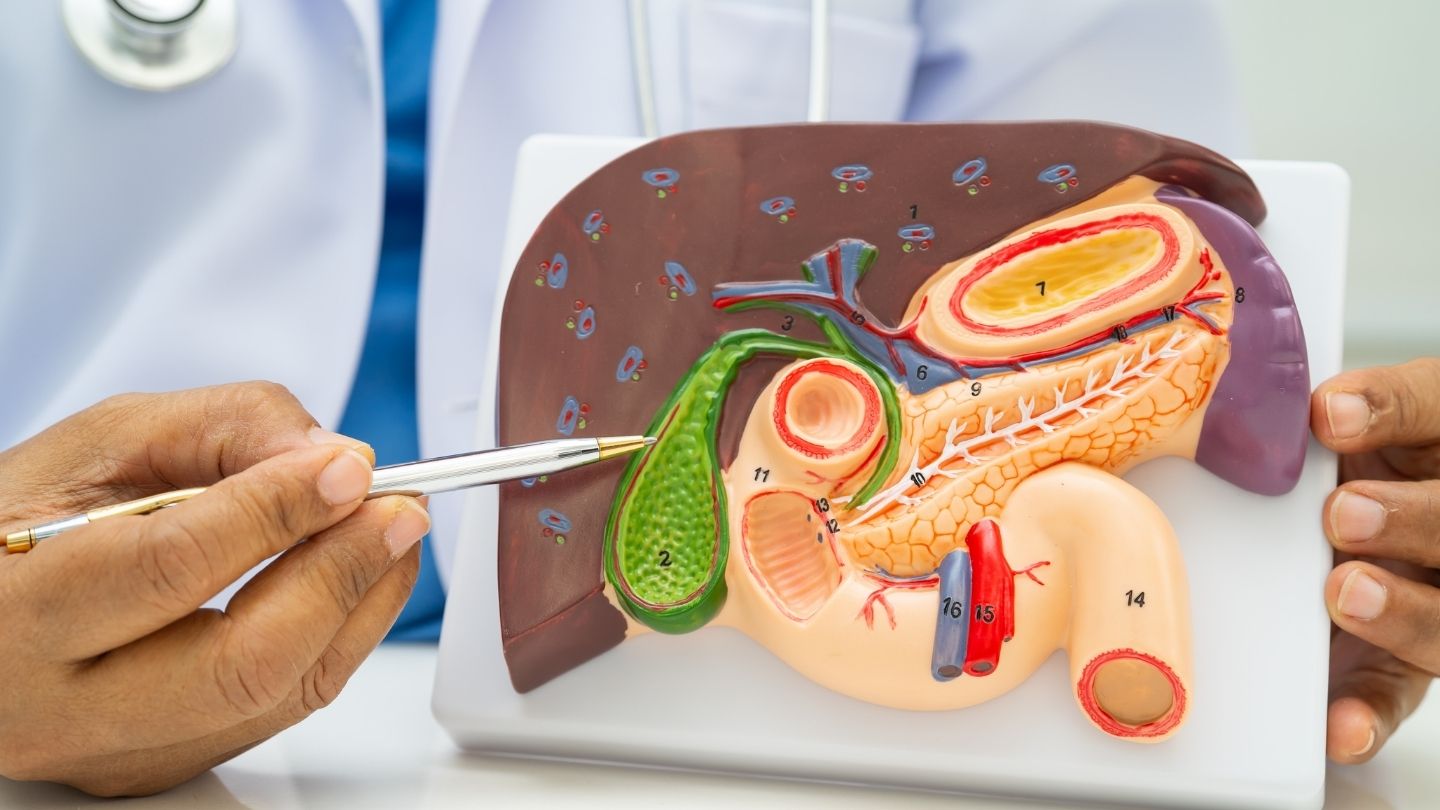
The gallbladder is a small, pear-shaped organ tucked beneath your liver. Its primary job is straightforward: store and concentrate bile, the digestive fluid your liver produces to help break down fats.
Here’s how the system normally works: Your liver continuously produces bile, which travels to the gallbladder for storage. When you eat, especially fatty foods, the gallbladder releases bile in a concentrated burst into the small intestine, where it helps digest fats and absorb fat-soluble nutrients.
After gallbladder removal surgery, your liver still produces bile just as before. However, without the gallbladder’s storage capacity, bile now drips continuously into the small intestine rather than being released in focused, meal-timed bursts. This constant bile flow changes the entire digestive environment.
For some people, this shift causes increased sensitivity to high-fat foods, and sometimes to alcohol as well. Common symptoms include:
- Loose stools or urgent bowel movements after eating
- Increased gas and bloating
- Cramping or digestive discomfort
It’s important to understand that the gallbladder does not process alcohol directly. Alcohol metabolism happens primarily in the liver through the enzyme alcohol dehydrogenase. However, removing the gallbladder changes the overall digestive tract environment where alcohol and food meet, which can affect how your body responds to drinking.
Why You Should Avoid Alcohol Right After Gallbladder Surgery
The first days and weeks following gallbladder surgery are focused on healing. During this critical window, typically the first 2–6 weeks, depending on your procedure type, alcohol can do more harm than good. Understanding proper nutrition during early healing, such as following guidance on what to eat after gallbladder surgery, helps reduce digestive stress while your body adjusts.
Your body is working hard to repair incision sites, manage inflammation, and adjust to its new digestive reality. Alcohol interferes with these processes in several important ways:
Read More: What to Expect During Gallbladder Removal Surgery: A Comprehensive Guide
Healing concerns:
- Alcohol impairs immune function, making you more vulnerable to post-operative infection
- It slows tissue repair at incision sites
- It can increase the risk of bleeding or delayed wound healing
Medication interactions: Soon after surgery, many patients take prescription pain medicines (often opioids) and sometimes antibiotics. Alcohol combined with these medications can:
- Dangerously intensifies drowsiness and dizziness
- Causes breathing problems
- Stress the liver as it tries to clear both drugs and alcohol simultaneously
Digestive adjustment: In the early post-op period, your gut is already adapting to continuous bile flow. Adding alcohol to this adjustment process can trigger:
- Nausea and vomiting
- Diarrhea and abdominal cramps
- Delayed return to normal eating
Before you consider that first drink, make sure you’ve checked these boxes:
- You’re no longer taking prescription pain medications
- You’re not experiencing significant pain at rest
- You’re eating fairly normally again and tolerating solid foods
How Soon Can I Safely Drink Alcohol After Gallbladder Removal?
There’s no universal rule that applies to everyone, but here’s general guidance most surgeons follow:
| Surgery Type | Minimum Wait Time | Typical Return to Normal Activities |
| Laparoscopic | At least 2 weeks | 1–2 weeks for work |
| Open surgery | 4–6 weeks | 4–6 weeks for work |
| Complicated cases | Doctor-directed | Varies significantly |
These timelines often parallel when most people return to work and regular activities. However, you should always get individualized clearance from your own surgeon or gastroenterologist before you start drinking alcohol again. Prioritizing rest and recovery, including strategies for promoting good sleep after gallbladder surgery, supports overall healing before alcohol is reintroduced.
This personalized approach is especially important if you have:
- Fatty liver disease or previous liver inflammation
- Hepatitis or other liver conditions
- Diabetes or obesity
- A history of heavy alcohol intake
A stepwise approach to your first drink:
- Choose a low-alcohol option (light beer, wine spritzer, or a single spirit with mixer)
- Have it with food, never on an empty stomach
- Limit yourself to one standard drink maximum
- Wait at least 24 hours and observe for symptoms like pain, reflux, or diarrhea
If you had post-operative complications such as infection, bile leak, pancreatitis, or required hospital readmission, you’ll likely need a longer alcohol-free period. Your surgeon will provide specific guidance based on your recovery.
How Alcohol Affects Digestion and the Liver Without a Gallbladder
Once you’ve healed from surgery, the main concerns about alcohol shift from surgical recovery to its effects on digestion, bile flow, and liver health.
Your liver processes alcohol using enzymes like alcohol dehydrogenase. After gallbladder removal, your liver is already working harder to manage continuous bile production; adding regular alcohol processing to this workload creates additional strain.
The combination of constant bile flow and alcohol can irritate the stomach lining and small intestine, increasing stomach acid production and promoting bile reflux into the stomach or esophagus. This makes heartburn and indigestion more likely, even in people who rarely experienced these issues before surgery.
Many people notice new or worse diarrhea after gallbladder surgery. Alcohol can compound this by:
- Speeding up gut transit time
- Pulling water into the intestines
- Triggering urgent loose stools, even with just one or two drinks
Read More: The Gallbladder and Acid Reflux Connection: Symptoms and Solutions
Long-term considerations: Heavy or regular drinking after gallbladder removal can contribute to:
- Fatty liver disease (steatosis)
- Alcoholic hepatitis
- Cirrhosis over time
These risks are particularly relevant for patients whose gallbladder disease was part of a broader metabolic picture involving obesity, high triglycerides, or pre-existing liver inflammation.
Digestive Sensitivity and Common Symptoms After Drinking
Many people tolerate moderate alcohol consumption perfectly well after full recovery from cholecystectomy. However, others develop new digestive sensitivity they never experienced before surgery. Tracking symptoms fits into a broader plan for recovering from gallbladder surgery, helping patients recognize patterns and avoid setbacks.
Symptoms to watch for after drinking:
- Upper right or central abdominal pain
- Bloating and excess gas
- Urgent diarrhea or loose bowel movements
- Nausea or queasy feelings
- A sensation of “dumping” or rapid stomach emptying
These symptoms often worsen when alcohol is combined with high-fat foods, such as pizza, fried appetizers, creamy pasta sauces, or rich desserts. Both alcohol and fat stress the bile-dependent digestion process, creating a double challenge for your system.
Try keeping a simple symptom log for your first 3–4 drinking occasions after surgery:
- Type and amount of alcohol consumed
- Foods eaten before, with, and after drinking
- Any gut symptoms within 24 hours
- Severity and duration of symptoms
This information helps you identify patterns and makes conversations with your healthcare provider more productive.
Increased Strain on the Liver
After gallbladder removal, your liver manages continuous bile production around the clock. In many cases, patients also have underlying conditions like fatty liver or previous inflammation from gallstones.
While losing the gallbladder doesn’t directly reduce liver function, heavy or frequent drinking forces the liver to juggle both bile production and alcohol detoxification simultaneously, without the timing “buffer” that stored bile once provided.
Here’s how chronic excessive alcohol consumption can progress:
- Fatty liver (steatosis): Fat accumulates in liver cells
- Alcoholic hepatitis: Inflammation develops
- Cirrhosis: Permanent scarring impairs liver function
People who had abnormal liver tests before surgery are at higher risk for these complications.
Before returning to regular drinking, especially if you plan to drink weekly or more, ask your doctor about recent liver blood tests, including ALT, AST, GGT, and bilirubin. These markers help establish your baseline liver health and guide safe drinking decisions.
Potential for Nutrient Malabsorption
Without a gallbladder, some patients experience less efficient fat digestion. This can reduce absorption of fat-soluble vitamins A, D, E, and K, especially if you frequently have fatty stools or chronic diarrhea.
Alcohol itself interferes with nutrient absorption and can damage the lining of the small intestine, compounding any existing deficiencies.
What this means long-term:
- Low vitamin D and K can affect bone density and blood clotting
- Low vitamin A can impact vision and immune function
- Low vitamin E can affect nerve and muscle health
If you drink alcohol regularly after surgery, consider asking your clinician about:
- Periodic vitamin level checks
- A daily multivitamin tailored to your needs
- Dietary strategies to maximize nutrient absorption
Higher Risk of Reflux and Upper GI Irritation
Without a gallbladder, bile can more easily move backward into the stomach and esophagus. Alcohol relaxes the lower esophageal sphincter, making this reflux more likely.
Typical symptoms of bile or acid reflux after drinking:
- Burning sensation in the chest (heartburn)
- Bitter taste in the mouth
- Nighttime cough or hoarseness
- Feeling of food “coming back up.”
Practical strategies to reduce reflux:
- Don’t lie flat for 2–3 hours after drinking
- Avoid large late-night meals combined with alcohol
- Sip drinks slowly over time rather than consuming quickly
- Consider smaller portions spread across an event
Persistent or severe reflux after surgery should prompt evaluation for bile reflux gastritis, hiatal hernia, or other upper GI issues. Your digestive health matters, and these conditions are treatable.
Practical Guidelines for Drinking Alcohol After Gallbladder Removal
Here’s the reassuring reality: many people return to light or moderate social drinking after cholecystectomy without significant problems. However, most find they need to adjust how, what, and how much they drink compared to before surgery.
What does “moderation” actually mean?
The CDC defines moderate drinking as:
- Up to 1 drink per day for women
- Up to two drinks per day for men
- At least two alcohol-free days per week
A standard drink contains roughly 14 grams of pure alcohol, which equals:
- 12 oz of regular beer (5% alcohol)
- 5 oz of wine (12% alcohol)
- 1.5 oz of distilled spirits (40% alcohol)
For people without a gallbladder, drinking even less than these standard guidelines may be advisable, especially in the first several months after surgery.
The “start low, go slow” approach:
- Begin with half to one drink maximum
- Space drinks over several hours
- Stop at the first sign of discomfort or unusually strong intoxication
- Always drink with food, ideally a balanced meal with lean protein, whole grains, and vegetables
What to avoid, especially in the first few months:
- Drinking on an empty stomach
- Heavy binge sessions
- Combining alcohol with very fatty foods, spicy foods, or fried foods
- Rapid consumption of multiple drinks
Choosing Alcoholic Drinks That Are Easier to Tolerate
Not all alcoholic beverages affect the digestive system equally. Here’s a general guide based on common post-cholecystectomy experiences:
| Drink Type | Tolerance Notes | Tips |
| Wine | Often well-tolerated in small amounts | Stick to 4–5 oz; avoid very sweet varieties |
| Clear spirits mixed with non-carbonated mixers. | Generally easier on digestion | Vodka or gin with water or diluted juice |
| Beer/hard seltzers | Carbonation can cause bloating | Limit portions; choose lighter options |
| Creamy liqueurs | High fat and sugar content | Often poorly tolerated; avoid initially |
| Sugary cocktails | May worsen diarrhea | Limit added sugars and syrups |
Better-tolerated options to try first:
- Small servings of wine (red or white)
- Clear spirits like vodka or gin with water, club soda, or diluted fruit juice
- Light beers in small quantities
Options to limit or avoid if you’re sensitive:
- Heavy craft beers or stouts
- Creamy liqueurs and dessert cocktails
- Drinks with excessive sugar or artificial sweeteners
- Full-fat dairy products in mixed drinks
Experiment one type at a time, try only wine on one occasion, only a clear spirit on another, to identify which categories cause the least digestive issues for you personally.
Hydration, Pace, and Listening to Your Body
Staying hydrated and alcohol consumption help minimize many digestive complaints. Here’s how to pace yourself effectively:
- Alternate each alcoholic drink with a full glass of water
- Sip drinks slowly over at least 30–60 minutes
- Avoid taking shots or drinking rapidly
- Eat foods rich in soluble and insoluble fiber throughout the day
Know your “stop signals”:
- Onset of abdominal pain or cramping
- Sudden fatigue or unusually strong intoxication
- Flushing or feeling overheated
- Nausea or digestive discomfort beginning
Seek urgent medical attention if you experience:
- New or worsening jaundice (yellow eyes or skin)
- Dark urine or pale stools
- Severe pain on the right side of your abdomen
- Persistent vomiting or blood in vomit/stool
These symptoms may indicate bile duct problems, liver issues, or other complications requiring prompt evaluation.
Managing New or Worsening Symptoms When You Drink
Not everyone notices a difference after surgery, but a significant proportion of people report some change in how their gut responds to alcohol and rich foods. This is a normal adaptation, not a sign of serious disease.
Common short-term problems after drinking:
- Loose stools or diarrhea
- Abdominal cramps and bloating
- Excess gas
- Nausea
- Burning sensation in chest or throat (reflux)
Simple self-management steps:
- Reduce the portion size of alcohol next time
- Switch to a different drink type that may be better tolerated
- Avoid eating very fatty foods with alcohol
- Ensure adequate hydration before, during, and after drinking
- Increase fiber intake in your regular diet to help regulate bowel movements
If symptoms keep recurring, consider taking a complete break from alcohol for 2–4 weeks. Then re-test with a very small amount, half a drink with a meal, to see if your digestive system has adapted further.
Red flags that warrant a doctor visit:
- Persistent diarrhea lasting more than a week
- Unexplained weight loss
- Fever
- Recurrent vomiting
- Severe or sharp right-sided abdominal pain
- Blood in stools or vomit
These symptoms may indicate complications that need professional evaluation beyond what moderating alcohol intake alone can address.
When Drinking Becomes a Bigger Problem After Surgery
Some people find their drinking patterns change around surgery, sometimes as a way of coping with stress, pain, or disrupted routines during recovery. This is worth watching.
Warning signs of unhealthy alcohol use:
- Feeling you need alcohol daily to relax or manage discomfort
- Drinking to cope with pain, anxiety, or difficult emotions
- Hiding or lying about how much alcohol you’re consuming
- Continuing to drink despite clear gut symptoms or doctor recommendations to stop
- Finding it difficult to stop after one or two drinks
Previous gallbladder disease often coexists with conditions like obesity, high cholesterol, or fatty liver. Excessive alcohol use in the presence of these conditions makes heavy drinking particularly risky for long-term liver health and overall health.
If you’re struggling to cut back on your alcohol intake, please reach out to your primary care physician, surgeon, or a specialist in addiction treatment. Support options include:
- Individual or group counseling
- Medication-assisted treatment
- Structured programs tailored to your needs
Alcohol-free social strategies that work:
- Explore non-alcoholic beers, wines, or creative mocktails
- Focus on activities rather than drinking at social events
- Involve supportive friends or family who understand your situation
- Host gatherings where alcohol isn’t the central focus
Eliminating alcohol entirely isn’t necessary for everyone, but knowing when to seek help is an important part of protecting your recovery.
Diet and Lifestyle Tips to Support Digestion If You Drink
A supportive diet and healthy lifestyle can make occasional alcohol safer and more comfortable after gallbladder removal. Think of these strategies as protecting your digestive health while still allowing room for social enjoyment.
Eating patterns that help:
- Choose smaller, more frequent meals rather than large, heavy dinners, especially on days you plan to drink
- Eat a balanced meal before drinking to slow alcohol absorption
- Prioritize foods that aid digestion rather than challenge it
Foods to emphasize:
- Lean proteins: chicken, fish, tofu, legumes
- Whole grains: oats, brown rice, quinoa
- High fiber foods: vegetables, fruits, beans
- Healthy fats in moderation: olive oil, avocado, nuts
Foods to limit, especially when drinking:
- Deep-fried foods and greasy fast food
- High-fat cuts of meat
- Full-fat dairy products
- Creamy sauces and rich desserts
Lifestyle habits that support digestion:
- Regular physical activity (20–30 minutes of walking most days)
- Adequate sleep (7–8 hours nightly)
- Stress management techniques
- Consistent meal timing
These habits support better fat digestion, liver health, and more mindful drinking patterns. They also help you stay in tune with how your body responds to different foods and beverages.
Making Smart Choices After Recovery
Recovering from gallbladder removal often means adjusting how your body responds to food and alcohol. While some people tolerate small amounts over time, others experience discomfort. Listening to your body, practicing moderation, and following medical guidance help protect digestion, liver health, and overall comfort long term.
At Wellstar Comprehensive Bariatric Services, we support patients before and after procedures, including gallbladder surgery in Cobb County, Marietta, Smyrna, Austell, LaGrange, and West GA, with personalized guidance focused on long-term wellness. For those considering gastric bypass, duodenal switch with gastric sleeve, gastric sleeve, or lap band correction, understanding how procedures affect digestion is essential before reintroducing alcohol. Our team helps us navigate dietary choices, recovery expectations, and lifestyle adjustments so we can make confident, informed decisions and protect our health moving forward.
Frequently Asked Questions
Is it ever safe to drink heavily again after gallbladder removal, like at weddings or holidays?
Heavy or binge drinking isn’t recommended after gallbladder removal. Without a gallbladder, alcohol can trigger diarrhea, cramping, and reflux more easily. Even on special occasions, moderation matters. Spacing drinks, alternating with water, and setting limits helps reduce unpredictable digestive and liver stress.
Will alcohol make my post-cholecystectomy diarrhea permanent?
Alcohol can worsen diarrhea after gallbladder removal, but it usually doesn’t make it permanent. Loose stools are more often caused by bile acid changes. If diarrhea persists, treatments like bile acid binders or diet changes help. Avoiding alcohol temporarily can allow digestion to stabilize.
Can I drink alcohol if I already have non-alcoholic fatty liver disease and have had my gallbladder removed?
Having both conditions increases liver vulnerability. Many specialists advise avoiding alcohol entirely or keeping intake extremely low. Your liver already manages fat buildup and bile changes; alcohol adds strain. Personalized guidance from a gastroenterologist and periodic liver monitoring are strongly recommended if drinking at all.
Does the type of surgery change when I can start drinking?
Yes. Emergency gallbladder surgery often reflects more severe inflammation or infection, requiring a longer recovery. Alcohol should be avoided longer because healing takes more time. Wait until follow-up visits confirm recovery and stable labs. Your surgeon’s guidance should determine when, or if, alcohol is reintroduced.
Are non-alcoholic beers and wines safe right after gallbladder removal?
Non-alcoholic drinks aren’t always problem-free. Carbonation, sugars, or additives can cause bloating or diarrhea. It’s best to wait two to three weeks post-surgery and reintroduce them slowly. Monitor symptoms carefully, as digestive reactions may come from ingredients, not alcohol itself.