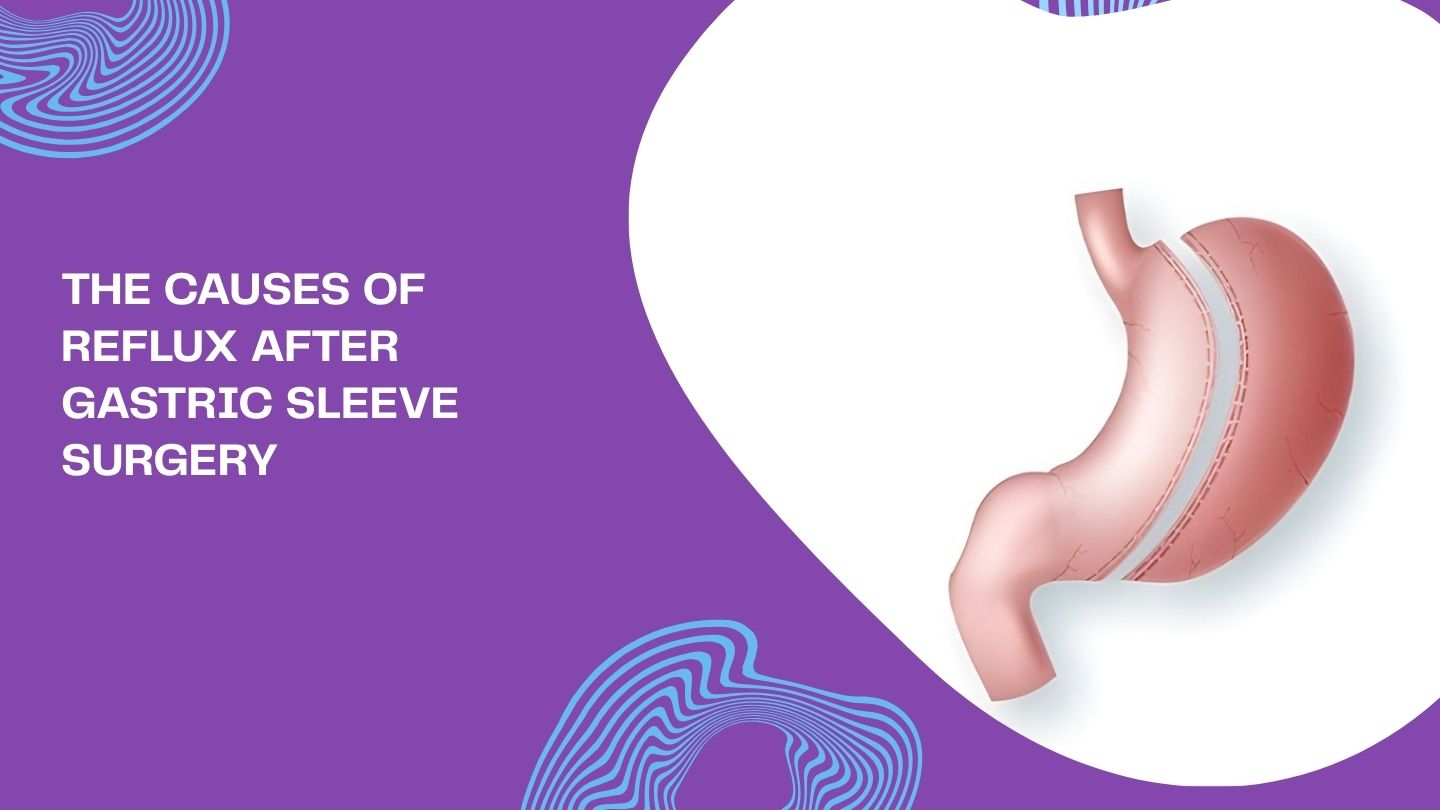
The Causes of Reflux After Gastric Sleeve Surgery
Reflux is a common concern for many patients after weight-loss surgery, especially as the digestive system adapts to structural changes. Altered stomach size, pressure dynamics, and food movement can all influence symptoms over time. Understanding why reflux develops helps patients manage discomfort and protect long-term digestive health. Early awareness also supports better lifestyle and dietary choices during recovery. In this blog, we explain the underlying causes of reflux after gastric sleeve surgery and what patients should know.
Key Takeaways
- Up to 30–40% of patients can develop new or worsened reflux after gastric sleeve surgery, primarily due to anatomical reshaping and pressure changes created during the procedure, not poor dietary choices or personal failure.
- The main causes of reflux include weakening of the lower esophageal sphincter, a high-pressure narrow stomach tube, changes to the natural angle where the esophagus meets the stomach (angle of His), and unrecognized or untreated hiatal hernia.
- Persistent reflux symptoms beyond 3–6 months can lead to serious complications such as erosive esophagitis and Barrett’s esophagus, making timely evaluation by your bariatric team essential.
- Not every patient experiences all of these anatomical changes; the severity of reflux often depends on surgical technique, sleeve size, and whether associated problems like hernias were addressed during the initial surgery.
- Management options range from lifestyle modifications and proton pump inhibitors to endoscopic procedures or surgical revision, with conversion to Roux-en-Y gastric bypass often considered for severe, refractory cases.
What Is Reflux and Why Does It Matter After a Gastric Sleeve
When stomach contents, primarily stomach acid, flow backward into the esophagus repeatedly, the resulting irritation causes what we call acid reflux, a condition closely tied to acid reflux and GERD causes symptoms and treatment that can progress without proper management. When this happens frequently enough to cause troublesome symptoms or damage to the esophageal lining, it becomes gastroesophageal reflux disease (GERD). Common GERD symptoms include heartburn (a burning sensation behind the breastbone), sour liquid rising into the throat, and persistent regurgitation.
Gastric sleeve surgery, also known as laparoscopic sleeve gastrectomy or sleeve gastrectomy, involves removing approximately 70–80% of the stomach to create a narrow, banana-shaped tube. This bariatric procedure became the most commonly performed bariatric procedure worldwide around 2015, valued for its effectiveness in achieving significant weight loss, typically 50–70% of excess weight, while resolving many obesity-related health conditions.
However, compared with gastric bypass surgery, the sleeve carries a notably higher risk of new or worsened reflux. This is because the sleeve creates a high-pressure, purely restrictive stomach pouch without rerouting the digestive tract away from acid-producing areas. Understanding why this happens can help you recognize symptoms early and work with your care team to find relief.
Read More: Acid Reflux vs GERD Differences and How to Manage Them Effectively
Normal Anti-Reflux Anatomy and What Sleeve Surgery Changes
Your body has a sophisticated “anti-reflux barrier” at the junction where the esophagus meets the stomach. This barrier normally keeps stomach acid exactly where it belongs and prevents it from damaging the sensitive esophageal lining. Understanding how this barrier works helps explain why sleeve surgery can disrupt it.
The Lower Esophageal Sphincter
The lower esophageal sphincter (LES) is a ring of specialized muscle fibers at the bottom of your esophagus. This sphincter stays tightly closed most of the time, creating a high-pressure zone that prevents stomach contents from flowing backward. It relaxes briefly and deliberately only when you swallow, allowing food to pass into your stomach.
The LES consists of clasp and sling fibers, muscle components that work together like the drawstring of a purse. When functioning properly, these fibers maintain enough pressure to contain even acidic stomach contents during normal activities like bending over or lying down.
The Angle of His
The angle of His refers to the acute angle where the esophagus enters the stomach, normally around 36 degrees. This sharp angle creates a natural flap valve effect: when your stomach fills and expands, the angle closes more tightly, much like bending a garden hose to stop water flow. This anatomical feature provides an additional layer of protection against reflux.
Diaphragmatic Support
The diaphragm, the dome-shaped muscle separating your chest from your abdomen, wraps around the esophagus where it passes through a natural opening called the hiatus. This muscular “pinch” from the diaphragm supports the LES and contributes up to 80–85% of total reflux control. When you breathe or strain, the diaphragm contracts and squeezes the esophagus tighter, reinforcing the anti-reflux barrier.
How Sleeve Surgery Alters This System
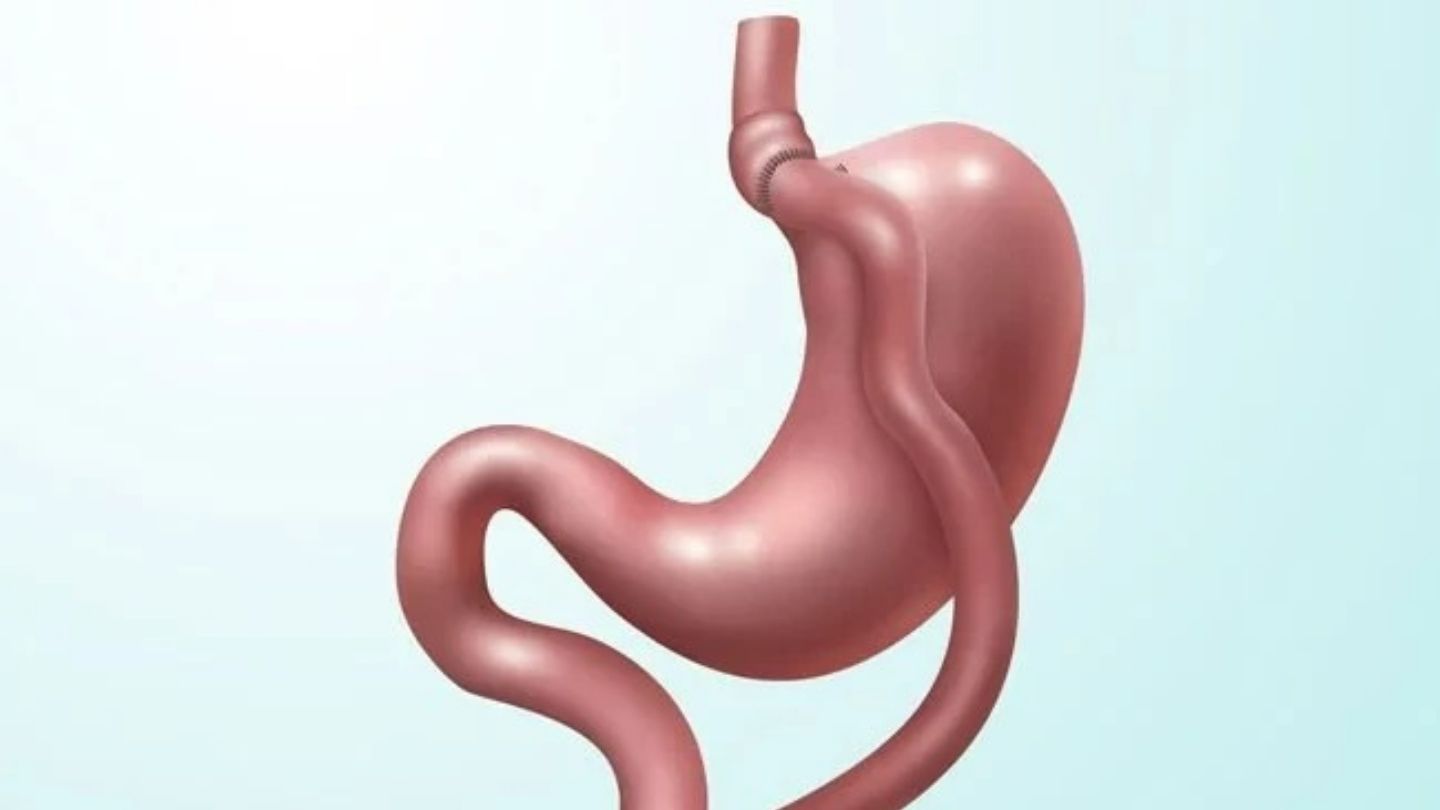
During sleeve gastrectomy, the surgeon removes most of the gastric fundus (the upper, rounded portion of the stomach) and reshapes what remains into a narrow tube. This fundamentally changes the anti-reflux anatomy in several ways:
- The angle of His may flatten or widen, reducing its flap valve function
- Sling and clasp muscle fibers are cut during the resection, weakening LES support
- The relationship between the LES and diaphragm can be altered
- The natural pressure dynamics between the esophagus and the stomach shift dramatically
Key Anatomical and Pressure-Related Causes of Reflux After Gastric Sleeve
Reflux after sleeve surgery is almost always multifactorial. Several structural and functional changes combine to increase esophageal acid exposure, and understanding each mechanism helps explain why some patients experience severe symptoms while others have minimal trouble.
The major mechanisms include:
| Mechanism | What Changes | How It Causes Reflux |
| Reduced gastric compliance | The stomach can’t stretch as easily | Pressure rises quickly with food |
| Increased intragastric pressure | Higher baseline pressure in the sleeve | Overwhelms LES resistance |
| Angle of His disruption | The flap valve effect diminished | Less protection when the stomach fills |
| LES weakening | The sphincter loses supporting fibers | More transient relaxations and leakage |
| Hiatal hernia | LES separates from the diaphragm | Loses external support |
| Sleeve structural issues | Twisting, kinking, stenosis | Creates obstruction and pressure buildup |
Not every patient experiences all of these changes. The severity of reflux often correlates with how the sleeve was fashioned during surgery and whether associated problems, particularly hiatal hernia, were identified and addressed at the time of the procedure.
1. High-Pressure Sleeve and Reduced Gastric Compliance
Your original stomach was designed as a stretchy, expandable reservoir that could accommodate varying meal sizes by relaxing and expanding. The residual stomach after sleeve surgery, with its narrow, tubular shape, cannot expand as easily. Even normal-sized meals can raise internal pressure significantly, especially when combined with dietary patterns that overlap with foods to avoid with acid reflux and GERD.
This elevated intragastric pressure pushes against the lower esophageal sphincter from below, essentially trying to force it open. Research by Yehoshua and colleagues confirmed this through volume-pressure assessments after sleeve gastrectomy, demonstrating decreased gastric compliance and heightened pressures that create relative LES hypotension.
2. Disruption of the Angle of His and Sling Fibers
Removing the gastric fundus does more than reduce stomach volume; it eliminates the natural “tab” or flap that normally closes against the esophagus when the stomach fills. Studies show the angle of His widens from a protective 36 degrees to approximately 51 degrees after sleeve surgery.
During sleeve creation, surgeons necessarily divide the sling and clasp muscle fibers in the upper stomach. These oblique fibers, originating from the angle of His, form what researchers describe as a “noose” supporting LES integrity. When these fibers are sectioned, the LES loses mechanical support.
3. Lower Esophageal Sphincter Weakness and Transient Relaxations
Some gastric sleeve patients already have a borderline or weak LES before surgery. Preoperative manometry studies show reduced LES pressure in nearly 47% of morbidly obese patients. These individuals may not experience noticeable symptoms before surgery because their larger stomach and different anatomy compensate, but the sleeve amplifies pressure and acid exposure, unmasking the underlying problem.
Surgical manipulation at the gastroesophageal junction can further reduce LES pressure. Thermal energy from stapling devices, dissection near the junction, and removal of supporting muscle fibers all contribute to sphincter weakening. The result is a less competent barrier between the high-pressure sleeve and the esophagus.
4. Hiatal Hernia and Diaphragmatic Support Loss
A hiatal hernia occurs when part of the stomach slides upward through the diaphragm into the chest. This separates the LES from its external support, the muscular pinch of the diaphragm that normally reinforces the anti-reflux barrier.
Obesity significantly increases hiatus hernia risk, meaning many sleeve candidates already have small or moderate hernias at surgery time. However, these hernias can be overlooked during the procedure, particularly if the surgical focus is on creating the sleeve rather than thoroughly examining the hiatal region. Neither sleeve gastrectomy nor gastric bypass inherently corrects LES dysfunction or pre-existing hernias.
5. Sleeve Twisting, Stenosis, and Kinking
If the stapled stomach tube is not straight and uniform, structural problems can develop. The sleeve may twist or kink, particularly near the incisura angularis (the natural bend of the stomach) or just below the gastroesophageal junction.
Focal narrowing or stenosis acts like a partial blockage: food and liquid build up above the narrowed area, increasing pressure and promoting regurgitation. These surgical complications can arise from technical factors during the initial procedure or from scarring and healing issues afterward.
6. Pyloric Resistance and Delayed Gastric Emptying
The pylorus, the muscular outlet valve between your stomach and small intestine, remains intact after sleeve surgery. In some patients, this pylorus stays relatively tight or becomes functionally spastic, slowing emptying from the already high-pressure sleeve.
Delayed gastric emptying keeps the sleeve fuller for longer. This maintains higher pressure and increases the chance of retrograde flow into the esophagus. Some research suggests that ghrelin reduction after fundus removal may contribute to gastrointestinal hypomotility, further slowing emptying.
Patient-Related and Pre-Existing Factors That Increase Reflux Risk
The way surgery is performed is only one part of the reflux equation. Your anatomy, physiology, and habits also strongly influence whether reflux appears or worsens after sleeve surgery.
Key risk factors that bariatric surgeons should consider when planning surgery include:
- High BMI and central obesity distribution
- Pre-existing silent GERD or documented esophagitis
- Known hiatal hernia
- Certain medications that relax the LES (calcium channel blockers, sedatives, some asthma medications)
- History of smoking or heavy alcohol use
Careful preoperative evaluation, including detailed history, endoscopy, and sometimes pH testing, can help identify bariatric patients who may be better served with a bypass procedure instead of a sleeve, particularly given the long-term risks seen when acid reflux and GERD go untreated.
Pre-Existing (Often Silent) GERD and Esophagitis
Many obese patients have preoperative GERD but may not recognize or report typical heartburn symptoms. This phenomenon, called preoperative silent reflux, occurs when chronic acid exposure happens without triggering the classic burning sensation.
Preoperative endoscopy frequently reveals erosive esophagitis or even Barrett’s esophagus in patients with minimal symptoms. Research shows altered DeMeester scores (indicating abnormal acid exposure) in 83% of preoperative morbidly obese patients undergoing 24-hour pH monitoring.
When sleeve surgery is performed in someone with significant pre-existing reflux, there is a higher probability that symptoms will persist or become worse afterward. Several expert societies now advise using preoperative endoscopy findings to guide procedure choice, recommending en y gastric bypass over sleeve for patients with moderate-to-severe esophagitis or Barrett’s.
Obesity-Related Pressure, Hormones, and Comorbid Conditions
Excess abdominal fat increases abdominal pressure, squeezes the stomach, and pushes stomach contents upward toward the esophagus. Sleeve surgery only partially reverses this in the first months after the operation; significant weight loss takes time, and some patients never reach the goal weight.
Obesity-associated hormonal changes may reduce LES tone or alter esophageal function independently. These effects are complex, but the practical implication is that your reflux risk before surgery provides clues about your risk afterward.
Conditions commonly seen in morbid obesity, such as obstructive sleep apnea and chronic cough, further disrupt the pressure balance between the chest and abdomen. Sleep apnea creates negative chest pressure that can “suck” stomach acid upward, while chronic coughing repeatedly increases abdominal pressure and stresses the anti-reflux barrier.
Diet, Eating Behavior, and Lifestyle After Surgery
How you eat after surgery significantly impacts reflux. Eating large bites, eating too quickly, or trying to overfill the small sleeve stomach sharply raises pressure and triggers regurgitation.
Common dietary triggers that can worsen reflux in gastric sleeve patients include:
| Category | Specific Triggers |
| Beverages | Carbonated drinks, alcohol, coffee, citrus juices |
| Foods | High-fat meals, spicy dishes, chocolate, and tomato-based sauces |
| Timing | Eating within 3 hours of bedtime, late-night snacking |
Lifestyle factors also play a role. Lying down soon after eating, wearing tight clothing around the abdomen, and continuing to smoke all aggravate reflux.
Actionable behavior changes to reduce reflux:
- Eat smaller, more frequent meals rather than large portions
- Chew thoroughly and eat slowly (20+ minutes per meal)
- Stop eating at least 3 hours before bedtime
- Elevate the head of your bed 6–8 inches
- Avoid tight waistbands and restrictive clothing
- Quit smoking and limit alcohol
These dietary habits won’t eliminate anatomically driven reflux, but they can reduce symptom severity and prevent unnecessary aggravation of an already vulnerable system.
Read More: How Can Portion Size and Meal Timing Impact GERD in Weight Loss Surgery Patients?
How Often Reflux Happens After Sleeve and How It Presents
Published studies report widely varying incidence rates, partly because researchers define and measure reflux differently. When considering symptom-based assessments, de novo GERD (new onset GERD developing after surgery in patients without preoperative reflux) occurs in roughly 15–40% of sleeve patients, depending on follow-up length.
One well-documented study of 491 patients found new onset of GERD in 16.1% at a mean 18-month follow-up. Longer-term studies report higher rates, with some showing up to 10% of patients developing persistent severe GERD that eventually requires reoperation.
It’s important to distinguish between different reflux patterns:
- De novo GERD: New reflux in patients with no preoperative symptoms
- Worsened pre-existing GERD: Patients who had reflux before surgery and experience intensification
- Unmasked silent GERD: Patients whose pre-existing reflux was asymptomatic before surgery but becomes symptomatic afterward
Common reflux symptoms include:
- Burning sensation behind the breastbone (severe heartburn)
- Sour or bitter liquid rising into the throat
- Chronic cough, especially at night
- Hoarseness or voice changes
- Chest discomfort (sometimes mistaken for cardiac problems)
- Difficulty swallowing in severe cases
Symptom-based estimates tend to undercount actual reflux. Objective tests like 24-hour pH monitoring often reveal more frequent esophageal acid exposure than patients report. Even individuals with minimal heartburn can have significant esophageal damage developing silently over time, another reason persistent symptoms warrant evaluation.
Long-Term Consequences of Untreated Reflux After Gastric Sleeve
Postoperative reflux is not merely an annoyance. Persistent acid exposure can progressively damage your esophagus and, over many years, raise cancer risk. Understanding these consequences underscores why managing reflux matters.
Erosive Esophagitis
When stomach acid repeatedly contacts the esophageal lining, inflammation develops. This condition, called erosive esophagitis, can range from mild redness to severe ulceration. Patients may experience:
- Pain with swallowing
- Bleeding (sometimes causing anemia)
- Difficulty swallowing solid foods
- Chest pain that worsens with eating
Without treatment, esophagitis can progress and cause scarring (strictures) that narrow the esophagus.
Barrett’s Esophagus
Chronic acid exposure can cause the cells lining your lower esophagus to change type, a process called intestinal metaplasia. This condition, known as Barrett’s esophagus, represents your body’s attempt to protect itself from ongoing acid injury by replacing normal esophageal cells with cells more resistant to acid.
Several post-sleeve surgical series report Barrett’s esophagus in approximately 8–11% of patients after a few years. While Barrett’s itself doesn’t cause symptoms, it slightly increases the risk of developing esophageal adenocarcinoma, a type of esophageal cancer.
Patients with Barrett’s typically require endoscopic surveillance every 1–3 years to monitor for precancerous changes. This is why refractory gastroesophageal reflux disease or recalcitrant gastroesophageal reflux disease after sleeve surgery demands attention; it’s not just about comfort, but about long-term health.
Other Consequences
Untreated reflux can also cause:
- Dental enamel erosion from repeated acid exposure
- Chronic laryngitis and voice quality changes
- Sleep disruption affecting quality of life and weight management efforts
- Respiratory problems from aspiration of stomach contents
When to Seek Help and How Doctors Evaluate Reflux After Sleeve
Contact your bariatric team if significant heartburn, regurgitation, or nighttime choking persists beyond 3 months after surgery, especially if you’re following diet guidelines carefully. If symptoms persist despite lifestyle modifications and medications, or if they worsen over time, evaluation becomes increasingly important.
The Evaluation Pathway
Your care team will typically follow a systematic approach:
1. Detailed symptom history: When did symptoms start? How often do they occur? What makes them better or worse? Are you experiencing severe symptoms like difficulty swallowing or unintentional weight loss?
2. Physical examination: Checking for abdominal tenderness, signs of nutritional deficiency, or other concerning findings.
3. Review of operative records: Understanding your original sleeve size, technique used, and whether any associated complications were addressed during initial surgery.
Diagnostic Testing
Upper endoscopy (EGD) allows direct visualization of your esophagus, gastroesophageal junction, and sleeve. This procedure can identify:
- Esophagitis (inflammation or erosions)
- Barrett’s esophagus
- Hiatal hernia
- Sleeve structural issues (twisting, narrowing)
- Other causes of symptoms
Upper GI contrast study (barium swallow) maps your sleeve’s contour and can reveal:
- Kinking or twisting
- Strictures or narrowed areas
- Hiatal hernia presence and size
- Delayed gastric emptying patterns
For more complex or refractory cases, additional testing may include:
- 24-hour pH monitoring: Measures actual acid exposure in the esophagus
- Esophageal manometry: Assesses LES pressure and esophageal motility
Early investigation allows for less invasive solutions, like medication adjustment or endoscopic dilation, before damage becomes advanced. This is why communicating with your metabolic and bariatric surgery team about ongoing symptoms matters.
Long-Term Comfort Starts With Understanding
Reflux after gastric sleeve surgery often stems from anatomical changes, pressure shifts, and individual healing responses. While many patients experience improvement over time, persistent or worsening symptoms should never be ignored. Understanding causes early allows for timely dietary, medical, or procedural solutions that protect the esophagus and support lasting digestive comfort.
At Wellstar Comprehensive Bariatric Services, we provide GERD acid reflux treatment in Marietta, Smyrna, Cobb County, Austell, LaGrange, and West GA that looks beyond symptoms to long-term health. For patients considering gastric bypass, gastric sleeve, revisional bariatric surgery, and gallbladder repair, individualized evaluation helps determine the right path forward. We guide patients through diagnosis, treatment planning, and follow-up with evidence-based solutions. If reflux is affecting your quality of life, let us help you move forward with clarity and confidence.
Frequently Asked Questions
How long does reflux usually last after gastric sleeve surgery?
Mild reflux is common in the first few weeks as swelling decreases and eating patterns adjust. For many patients, symptoms improve within 3–6 months. Reflux that persists or worsens beyond six months should be evaluated for issues like sleeve narrowing or hiatal hernia.
Can reflux start years after my sleeve surgery, even if I felt fine at first?
Yes, reflux can develop years later. Weight regain, changes in sleeve shape, new hiatal hernias, or weakening of the lower esophageal sphincter with age can all contribute. New or worsening symptoms deserve medical evaluation to identify and treat underlying causes.
Does every patient with reflux after a sleeve need conversion to a gastric bypass?
No. Many patients manage reflux with diet changes, medications, or targeted procedures like endoscopic dilation or hiatal hernia repair. Conversion to gastric bypass is usually reserved for severe, persistent GERD or complications that don’t respond to less invasive treatments.
Is reflux after sleeve surgery dangerous if I only have symptoms occasionally?
Occasional mild heartburn is usually not dangerous. However, frequent or ongoing symptoms over time can damage the esophagus, even if episodes feel minor. Repeated acid exposure increases the risk of esophagitis or Barrett’s, so ongoing symptoms should be discussed with a clinician.
Can choosing a different bariatric procedure prevent reflux problems?
Yes. Patients with significant pre-existing GERD, large hiatal hernias, or Barrett’s esophagus often benefit more from gastric bypass, which diverts acid away from the esophagus. Preoperative testing and discussion with your surgeon help ensure the procedure choice supports long-term comfort and health.